WFP scales up response in Nepal as remote communities remain isolated
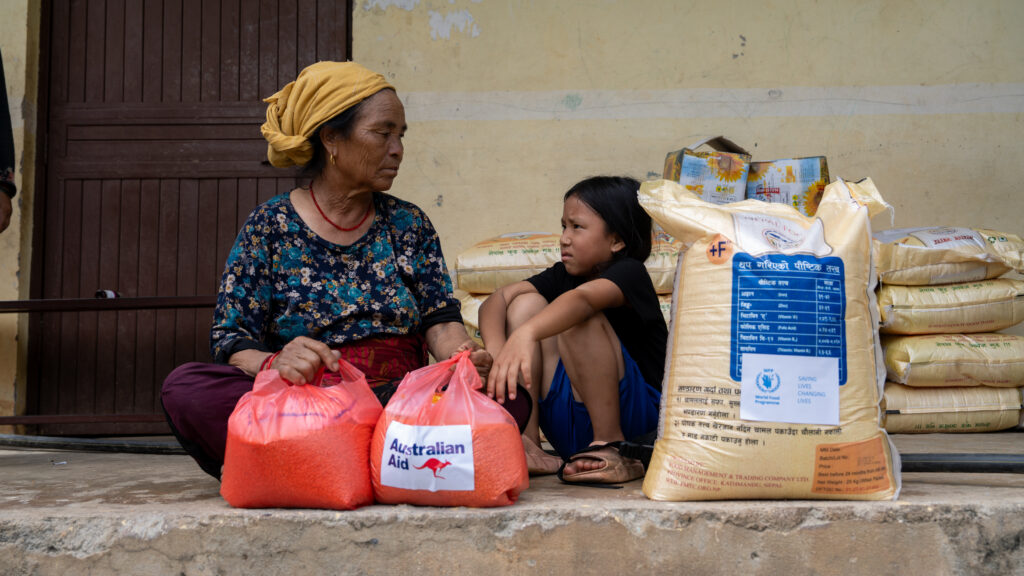
WFP is scaling up emergency assistance, delivering aid and logistics support to communities cut off by damaged roads and infrastructure.

WFP is scaling up emergency assistance, delivering aid and logistics support to communities cut off by damaged roads and infrastructure.

Our hearts go out to all those affected by the powerful 7.4 magnitude earthquake that struck Colombia on August 10, causing severe damage to buildings and forcing evacuations.
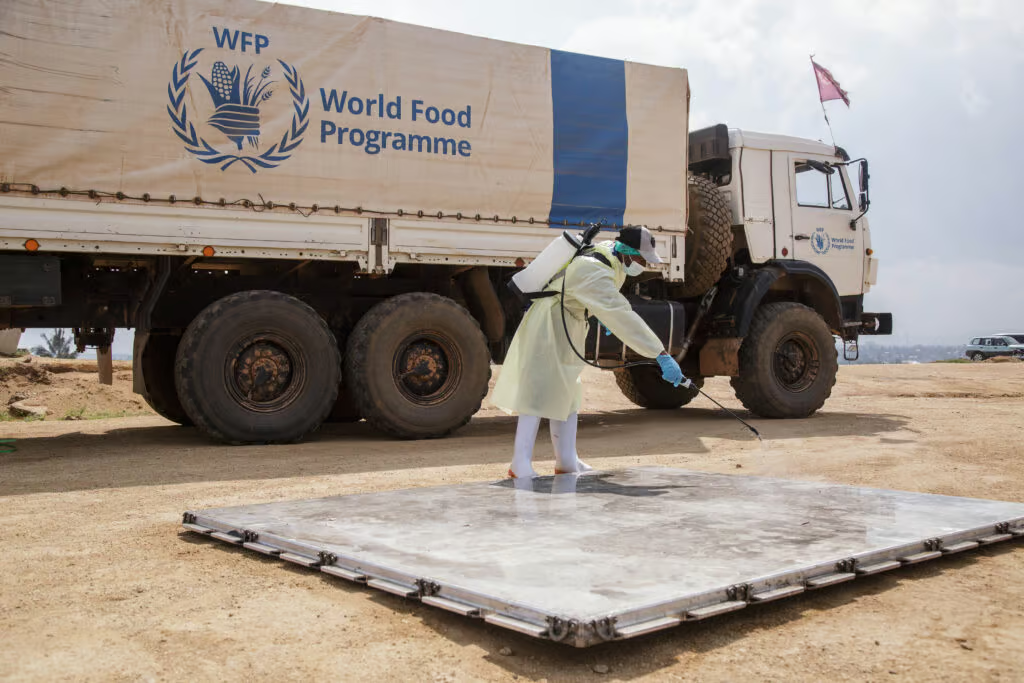
WFP is urgently scaling up food assistance, logistics, telecommunications and air services in eastern Democratic Republic of the Congo, where Ebola has evolved from a localized health emergency into the fastest-spreading outbreak on record.
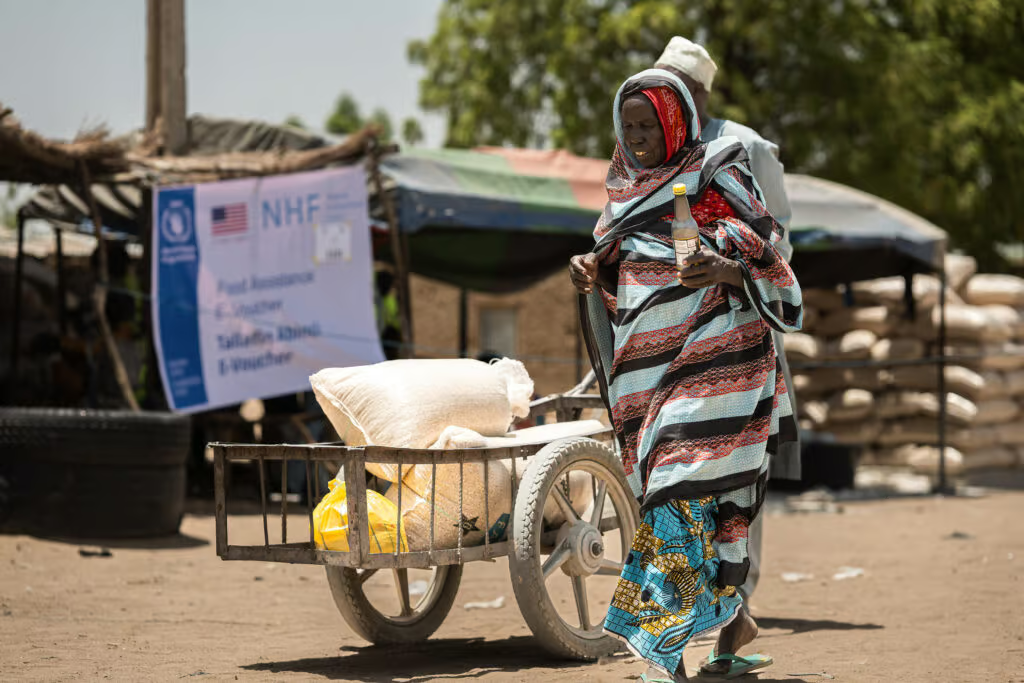
WFP warns conflict is driving hunger in northern Nigeria to near decade-high levels as the country’s food crisis worsens.
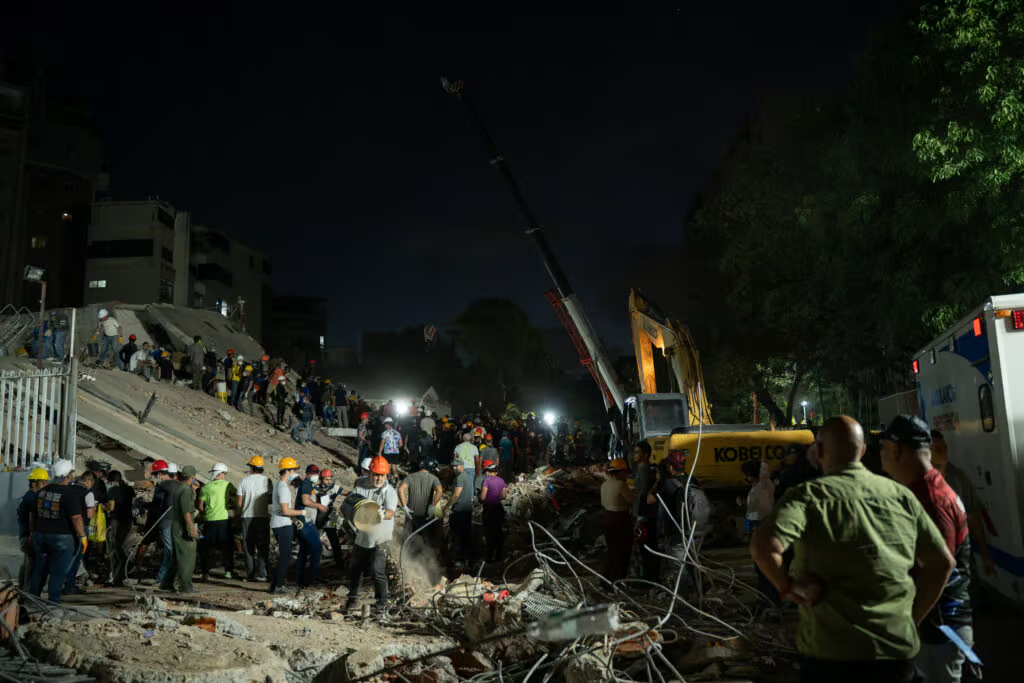
WFP is on the ground in Venezuela, providing logistics and food assistance as part of the broader humanitarian response, following two massive back-to-back earthquakes that struck the northwestern part of the country.
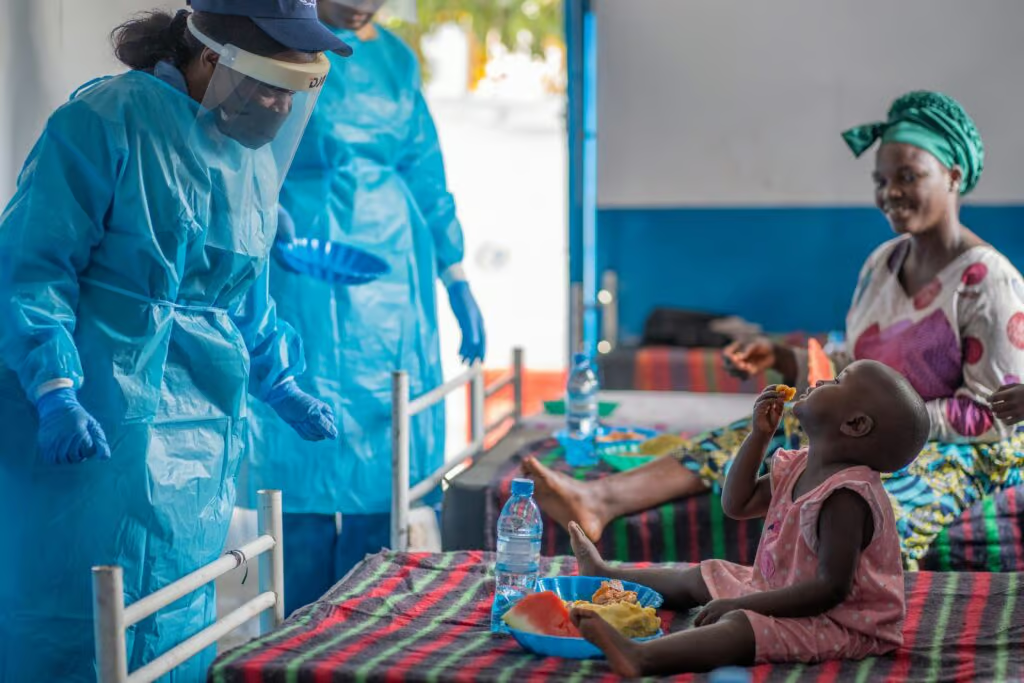
There’s currently an outbreak of the Ebola virus in parts of the Democratic Republic of the Congo (DRC) and Uganda.
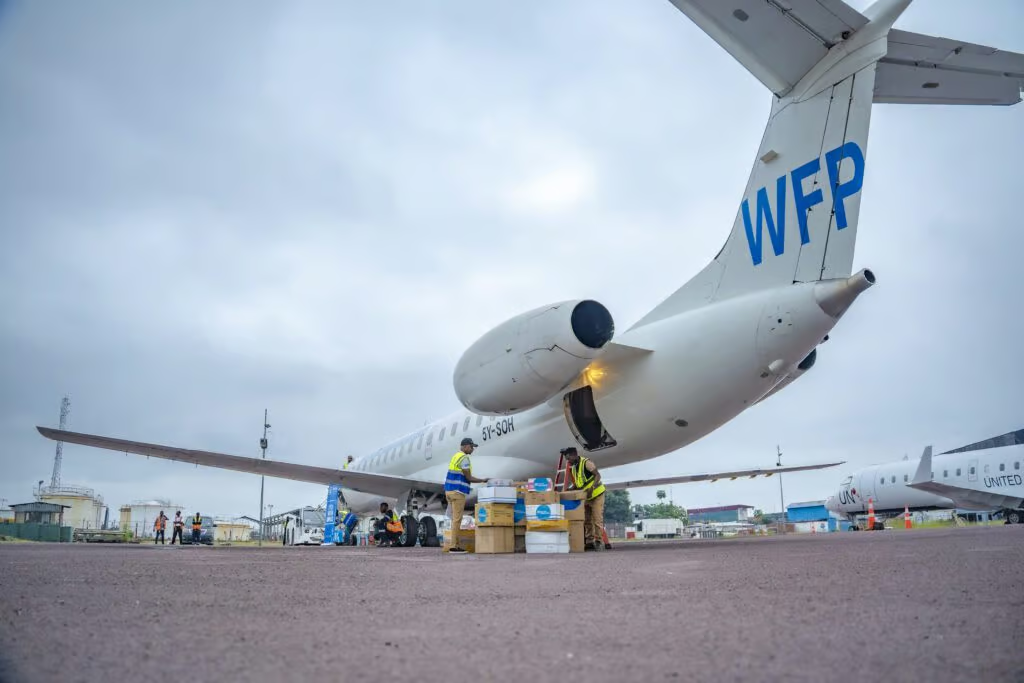
WFP is urgently scaling up its emergency response in eastern Democratic Republic of the Congo (DRC), working with the Government, the World Health Organization (WHO) and partners to help contain the Ebola outbreak.
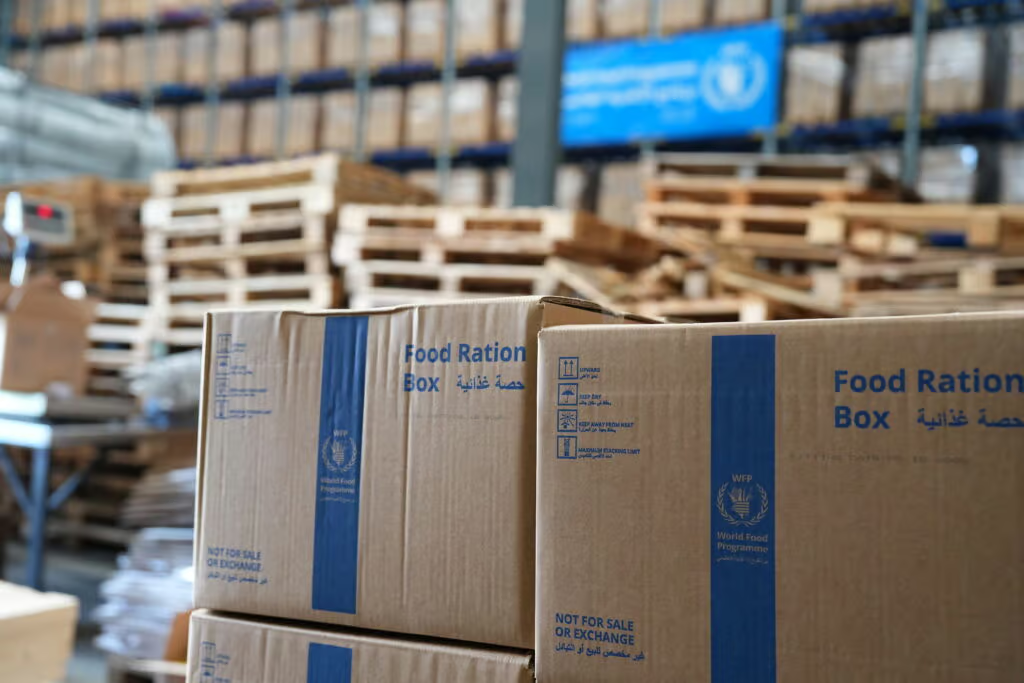
WFP Shipping Chief Henrik Hansen explains how we are working 24/7 to reduce rising costs and transit times.
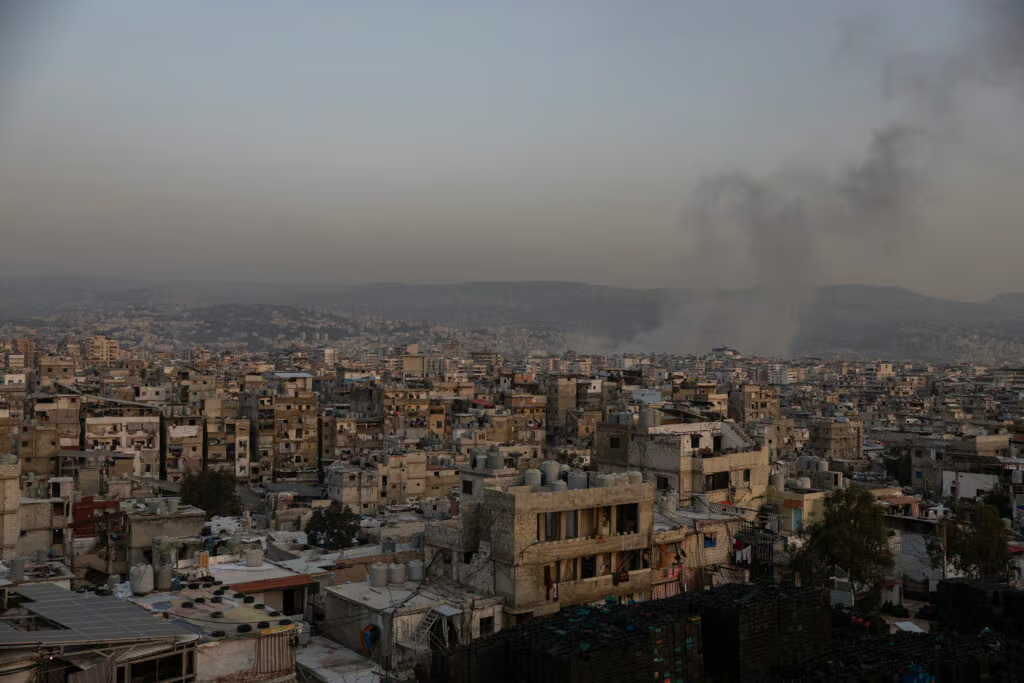
This is a transcript of what was said by Corinne Fleischer at today’s press briefing at the Palais des Nations in Geneva.
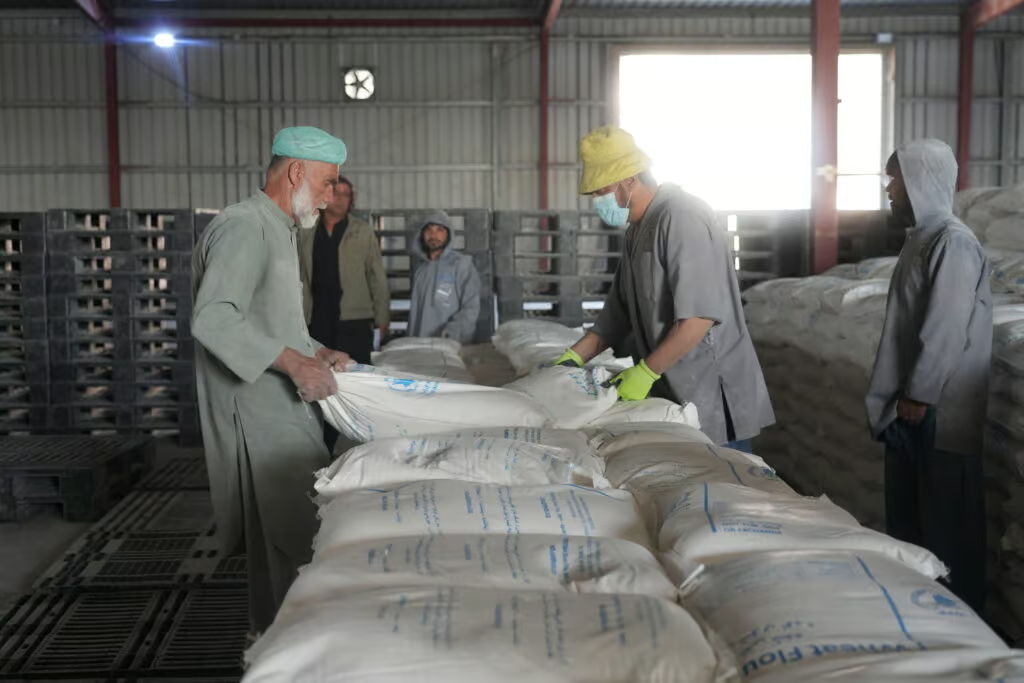
WFP has begun rapidly mobilizing a large-scale emergency response for communities in Afghanistan impacted by the conflict with Pakistan.