Escalating Conflict in Mozambique Forces Hundreds of Thousands to Flee Amidst Worsening Humanitarian Crises
Conflict, violence and coronavirus have left people without access to food and livelihoods in the Cabo Delgado region of Mozambique.

Conflict, violence and coronavirus have left people without access to food and livelihoods in the Cabo Delgado region of Mozambique.

The alarm bells are ringing loud and clear, and the world needs to open its eyes to the plight of desperate people before famine takes hold. And that famine is knocking on the door right before our eyes.

We need another $172 million over the next six months to keep millions of kids and families from starving in the face of violent conflict and displacement.

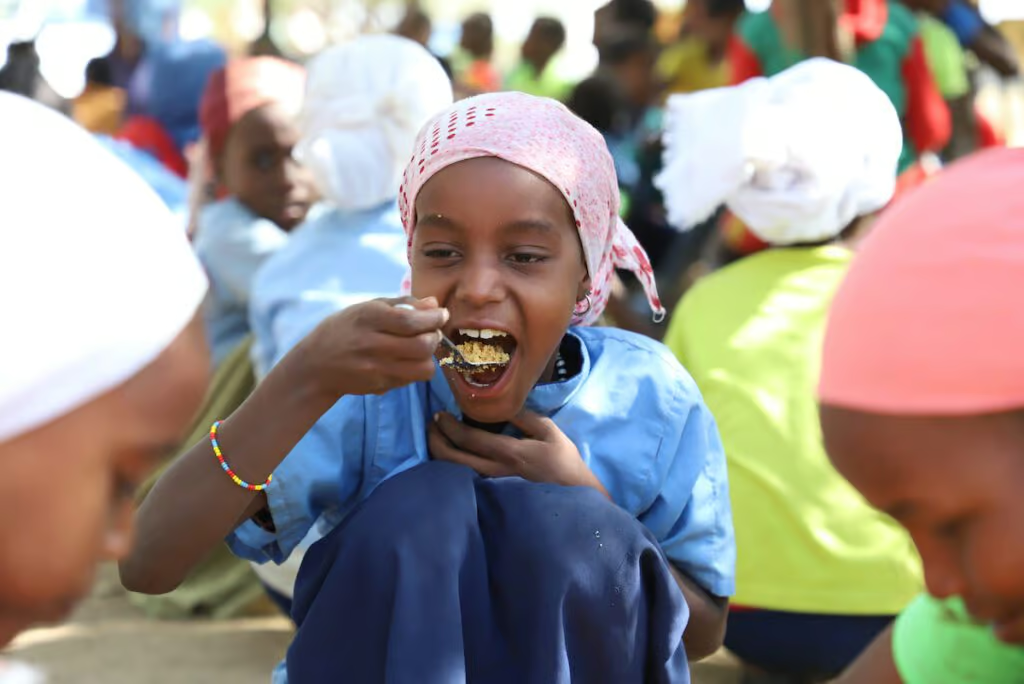
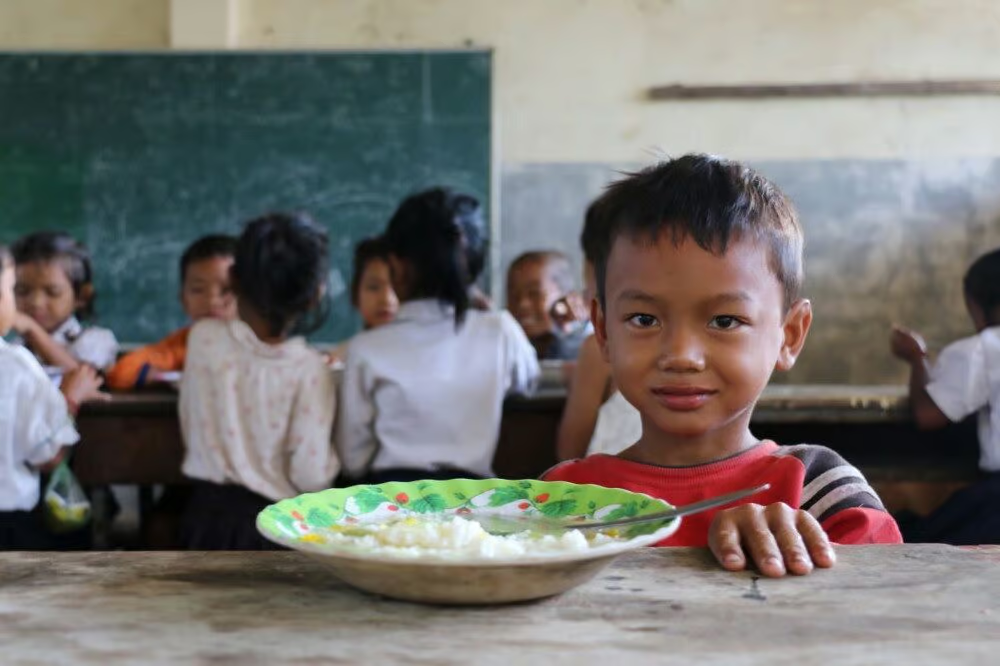
When kids living through war and displacement drop out of school, that often means missing the school meals that might be their only real source of nutrition. Here are a few bite-sized solutions.

Lebanon imports nearly 85% of its food. The severe damage to the Port of Beirut – the largest in the country – will push food prices beyond the reach of many.

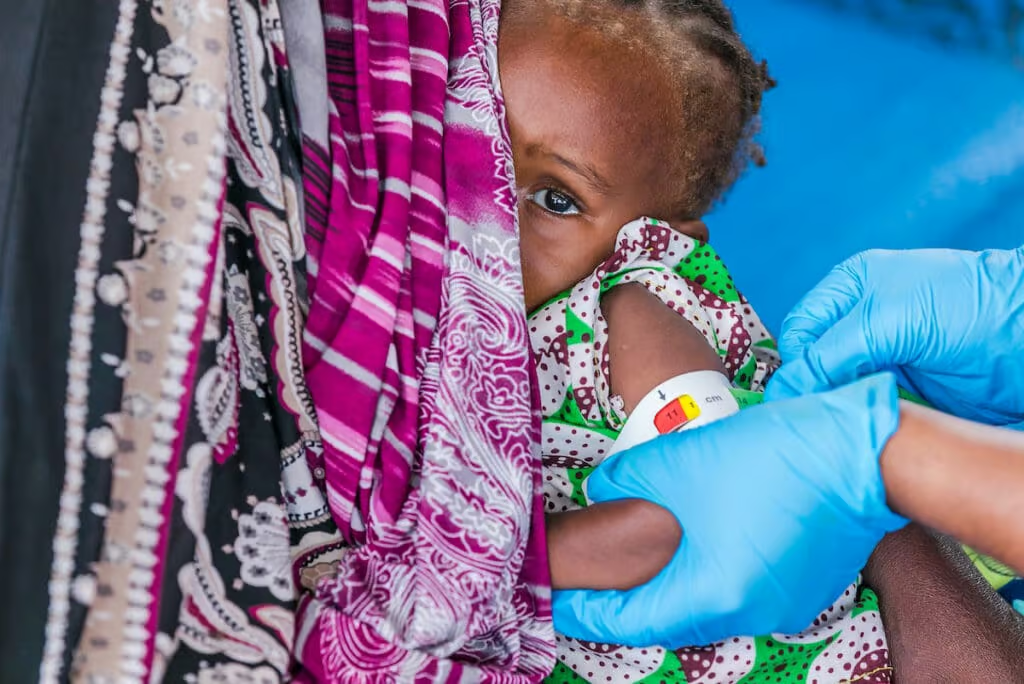
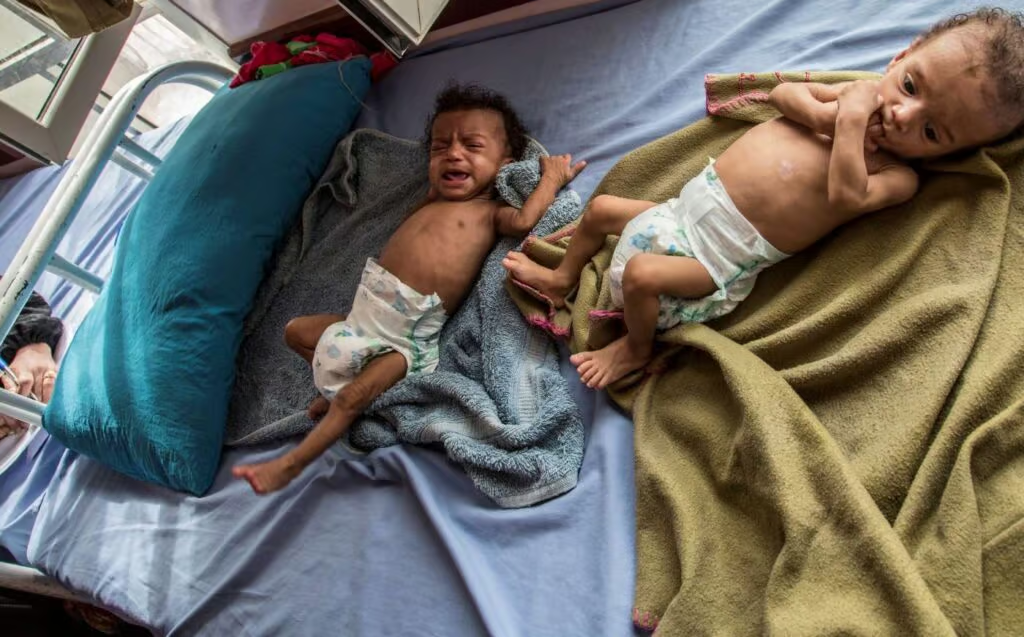
What does malnutrition do to the body of a young child? The effects are devastating, with lifelong consequences for children and their communities. Here are seven of their stories.

Fighting is keeping farmers from their fields and livestock keepers from their traditional grazing patterns: the violence is causing long term food insecurity across the region.

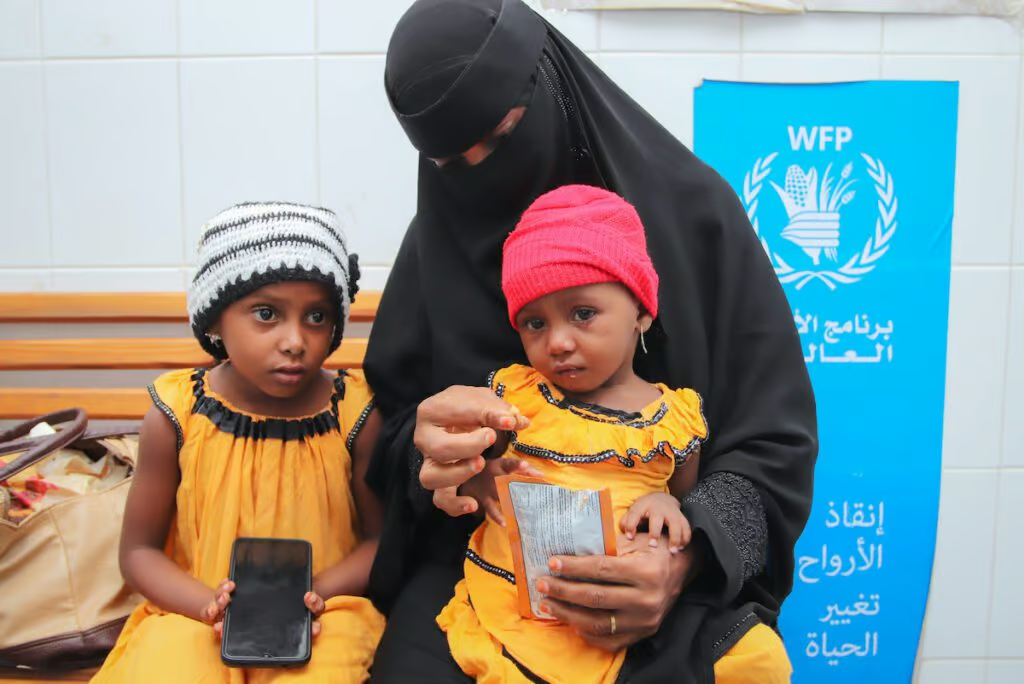
Today’s analysis “is truly heart-breaking”: More than 1 million more people in the southern areas of Yemen will face severe hunger by the end of this year.

A whirlwind of conflict, displacement and pandemic means that more than 15 million kids could going hungry in West and Central Africa. We must respond immediately.

“There are small children who are hungry, who do not have anything to eat,” said the Pope, praying that leaders in the region would “be capable of making peace.”