Global Disruptions to Supply Chains Are Driving Tomorrow’s Hunger Crisis
This is a transcript of what was said by Corinne Fleischer at today’s press briefing at the Palais des Nations in Geneva.

This is a transcript of what was said by Corinne Fleischer at today’s press briefing at the Palais des Nations in Geneva.

As Myanmar marks one year since the earthquake last March, WFP warns that communities are now being hit by renewed hardship.
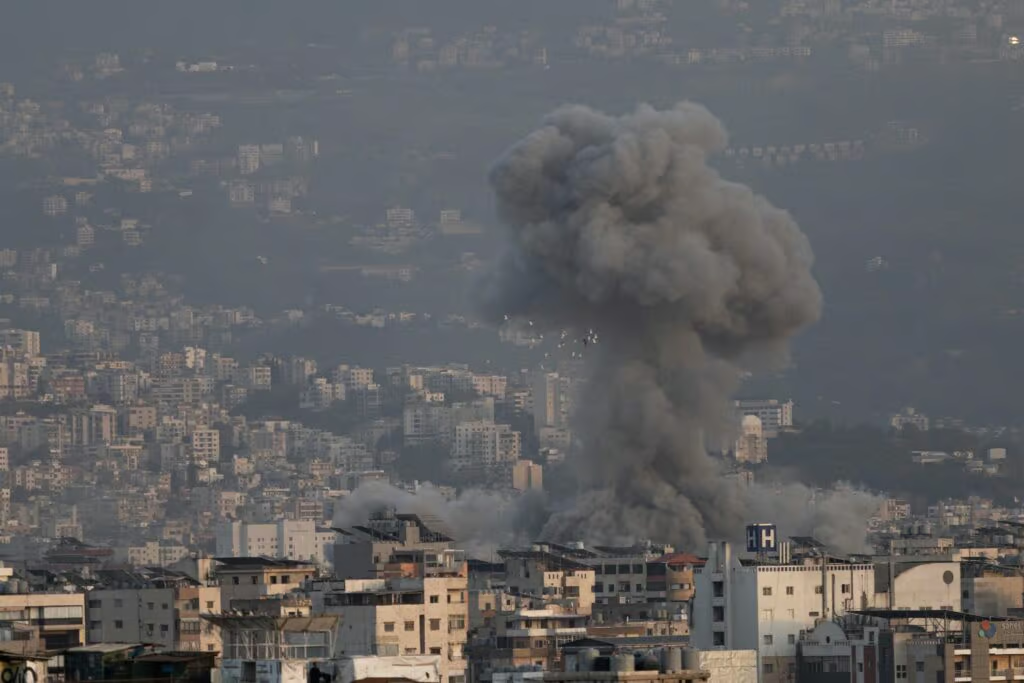
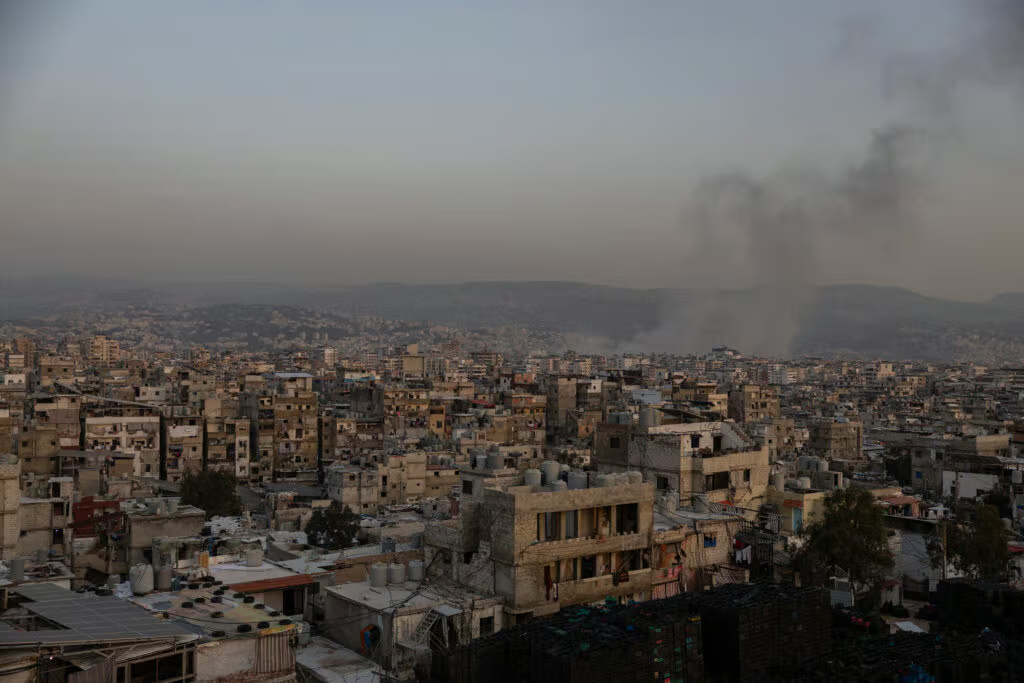
The recent escalation of conflict in the Middle East has triggered far-reaching consequences for communities both within and beyond the region. The crisis is rapidly evolving. Below,

(WFP) is warning today that the total number of people around the world facing acute levels of hunger could reach record numbers in 2026 if the escalation in the Middle East continues to destabilize the world’s economy.
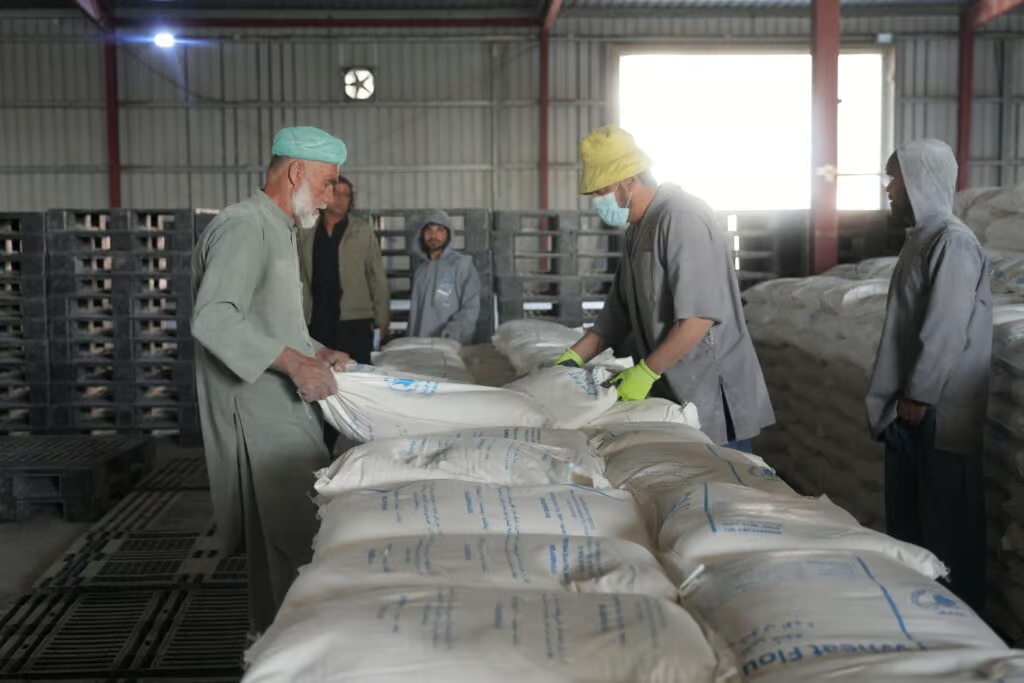
WFP has begun rapidly mobilizing a large-scale emergency response for communities in Afghanistan impacted by the conflict with Pakistan.
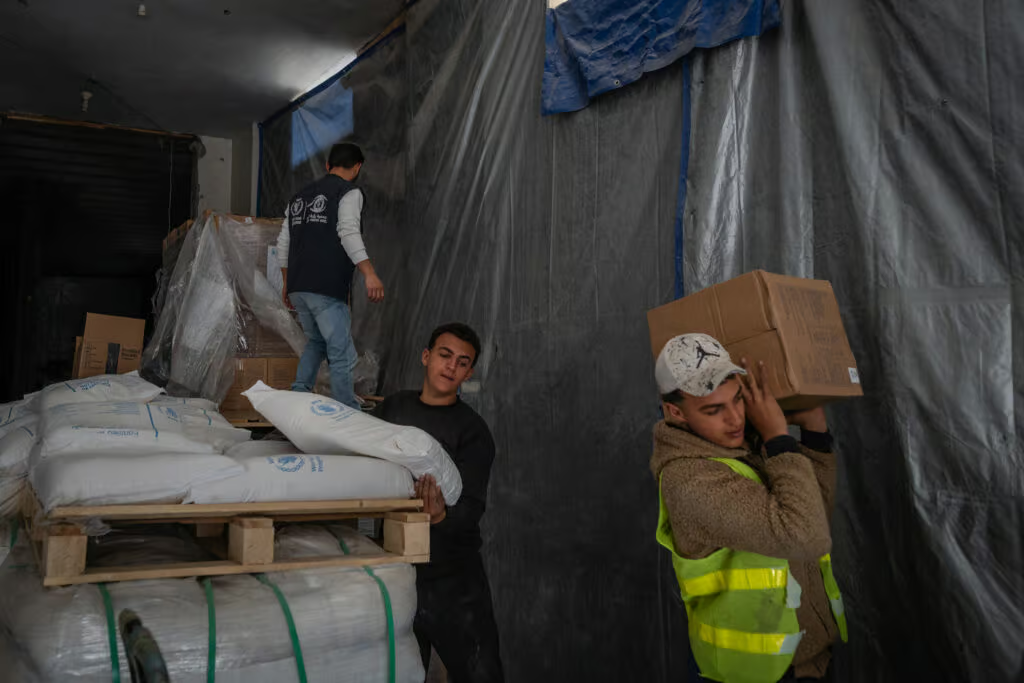
WFP is warning that surging food and fuel prices driven by the escalation of the conflict could have ripple effects that will worsen hunger.

In our modern society, why are people still hungry? Even though there’s more than enough food to feed everyone, millions of people experience hunger.
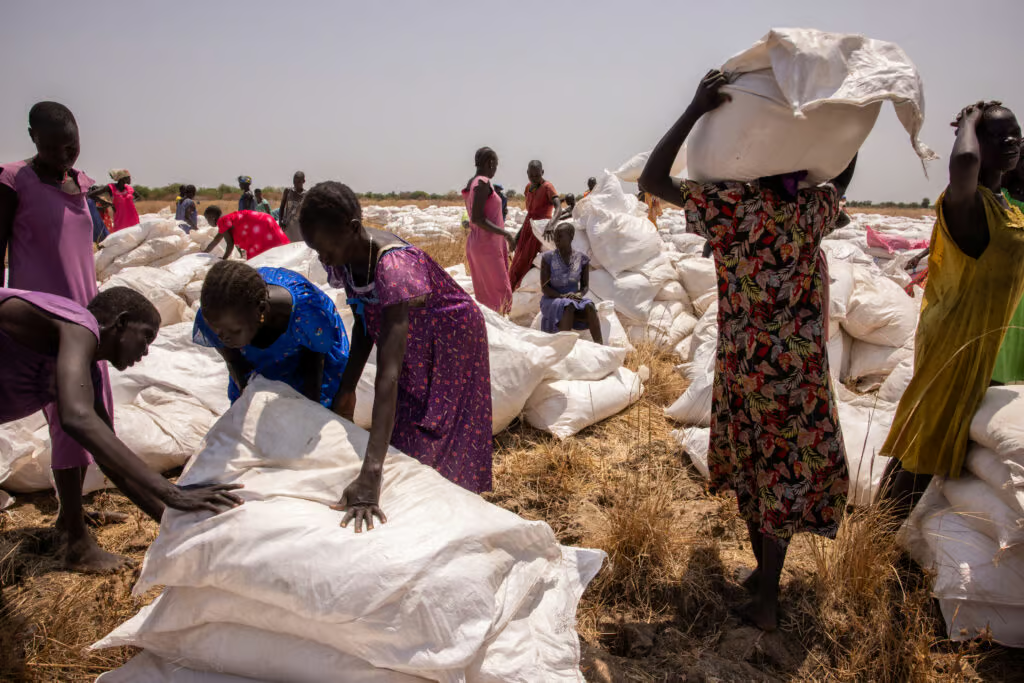
WFP is scaling up its emergency response to reach people forced to flee spiraling conflict in South Sudan’s Jonglei state.
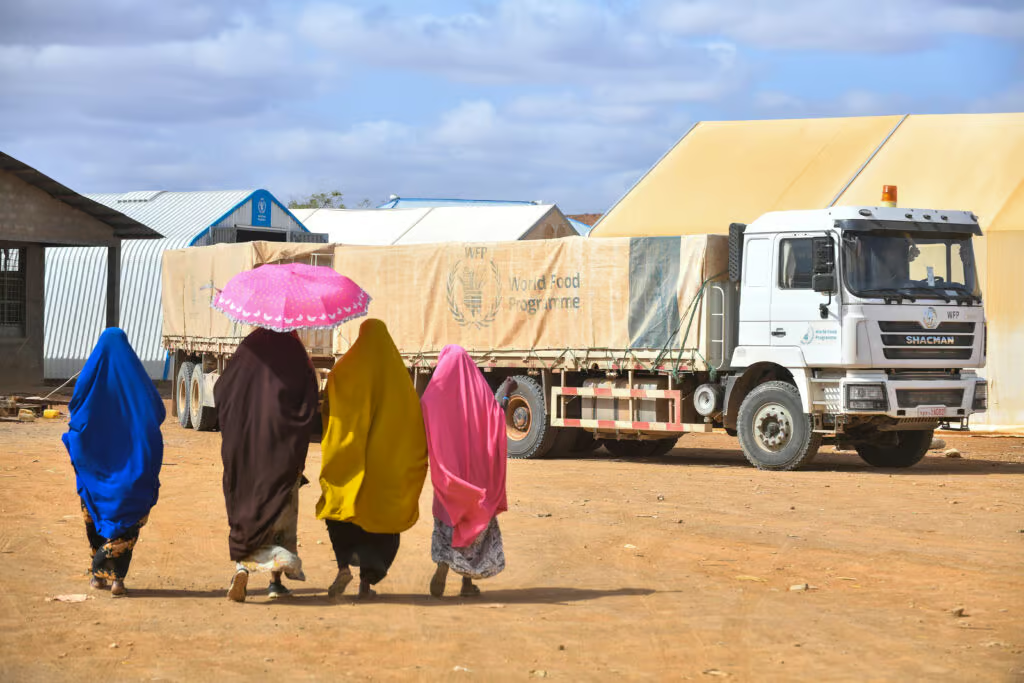
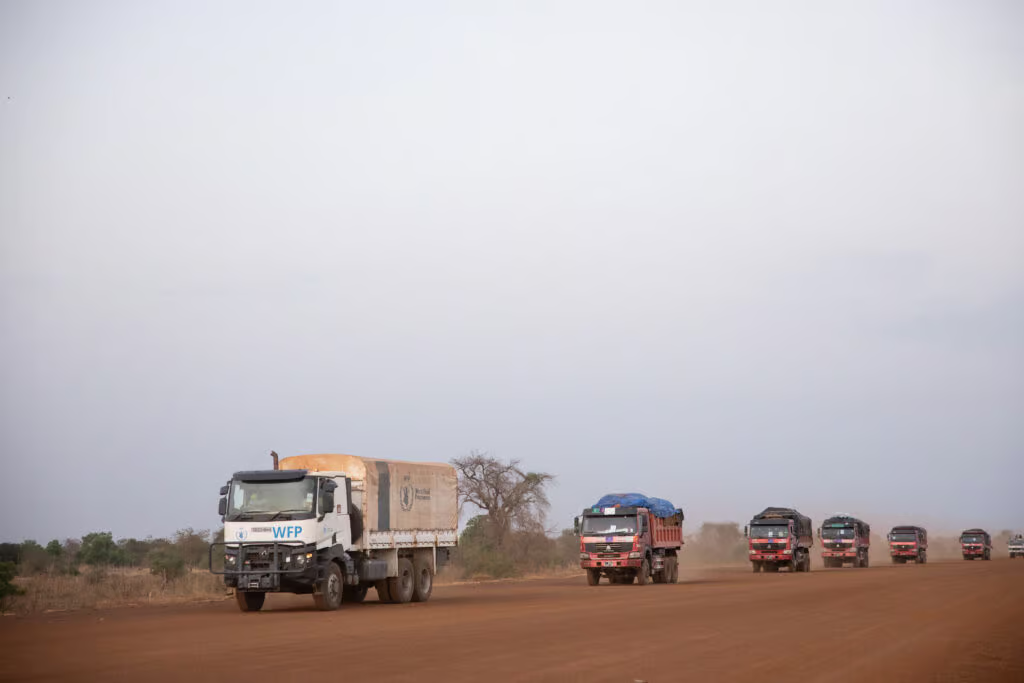
A UN interagency convoy has reached Dilling and Kadugli, South Kordofan, with lifesaving humanitarian supplies to assist over 130,000 people.
WFP is today on all parties to the conflict to urgently halt military operations, de-escalate the situation and allow safe humanitarian access to deliver lifesaving food assistance to hundreds of thousands of people in South Sudan’s Jonglei State.