How a Displaced Professor Found Food and a New Calling Through WFP
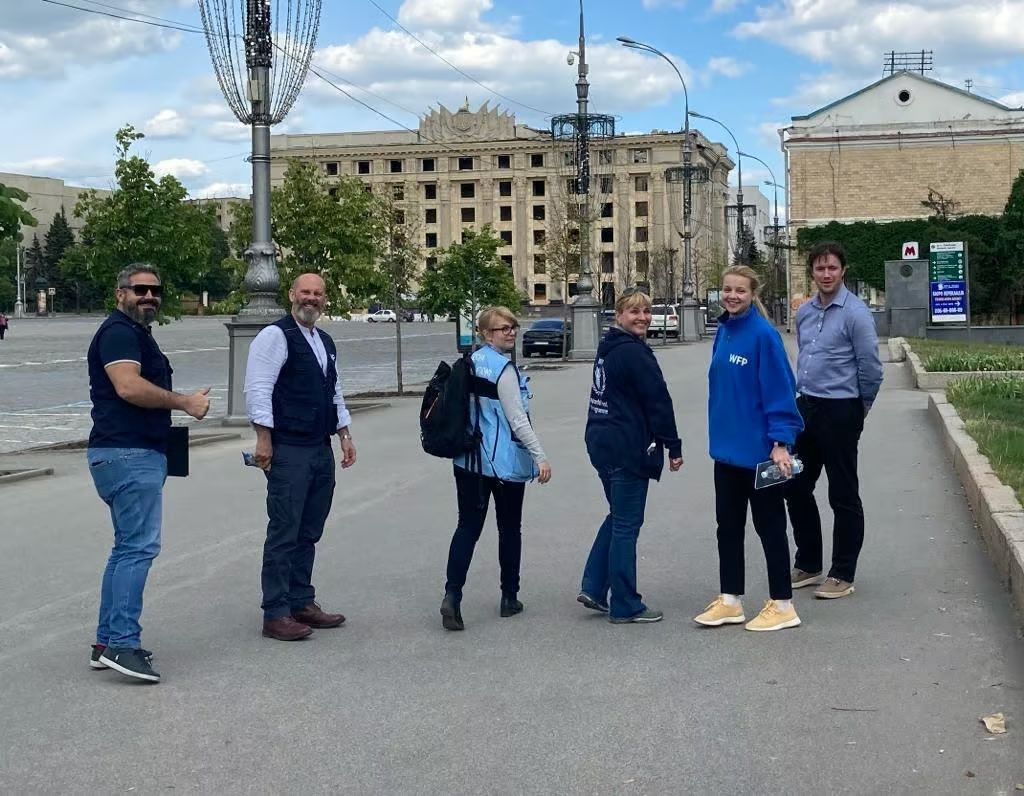
When the war broke out in Ukraine, Nina fled her home with nothing. Now, she is working as a program associate with WFP. Read her story, in her own words.

When the war broke out in Ukraine, Nina fled her home with nothing. Now, she is working as a program associate with WFP. Read her story, in her own words.
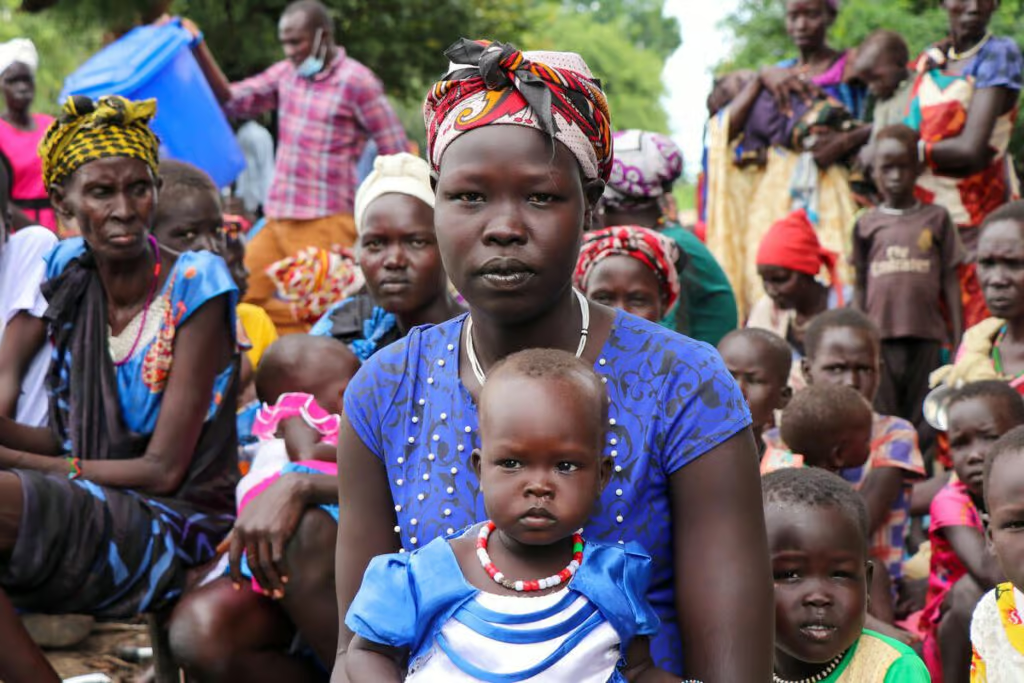
Almost one-third of the acutely food insecure South Sudanese the WFP planned to support this year will be left without humanitarian food assistance due to critical funding shortages, heightening the risk of starvation for 1.7 million people.
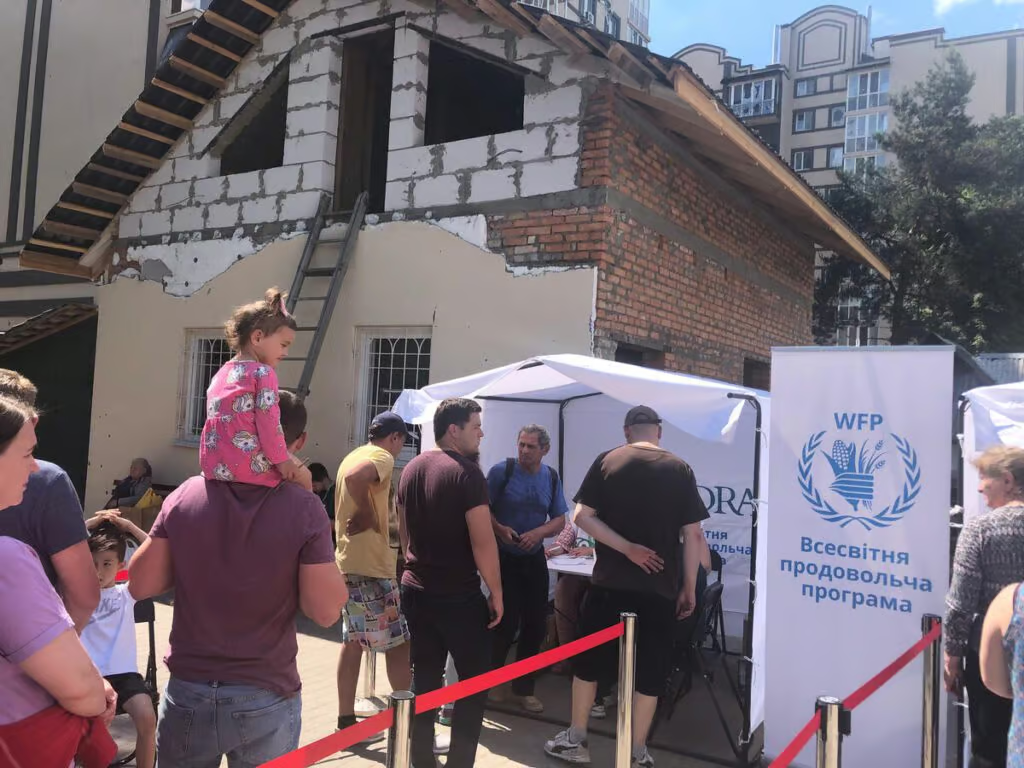
WFP’s Emergency Coordinator in Ukraine Matthew Hollingworth weighs in on the war’s impacts, the challenges ahead and why this emergency is different than others he has worked in.
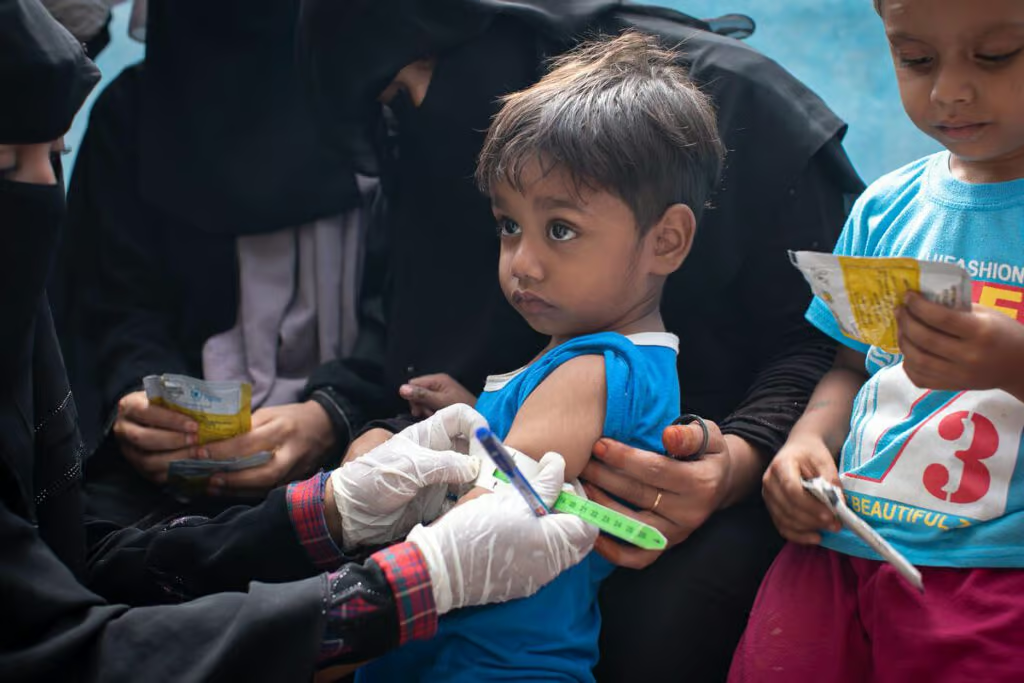
A new hunger hotspots report found that conflict, weather extremes, economic shocks, the lingering impacts of COVID-19 and the ripple effects from the war in Ukraine are pushing millions of people across the world into poverty and hunger.
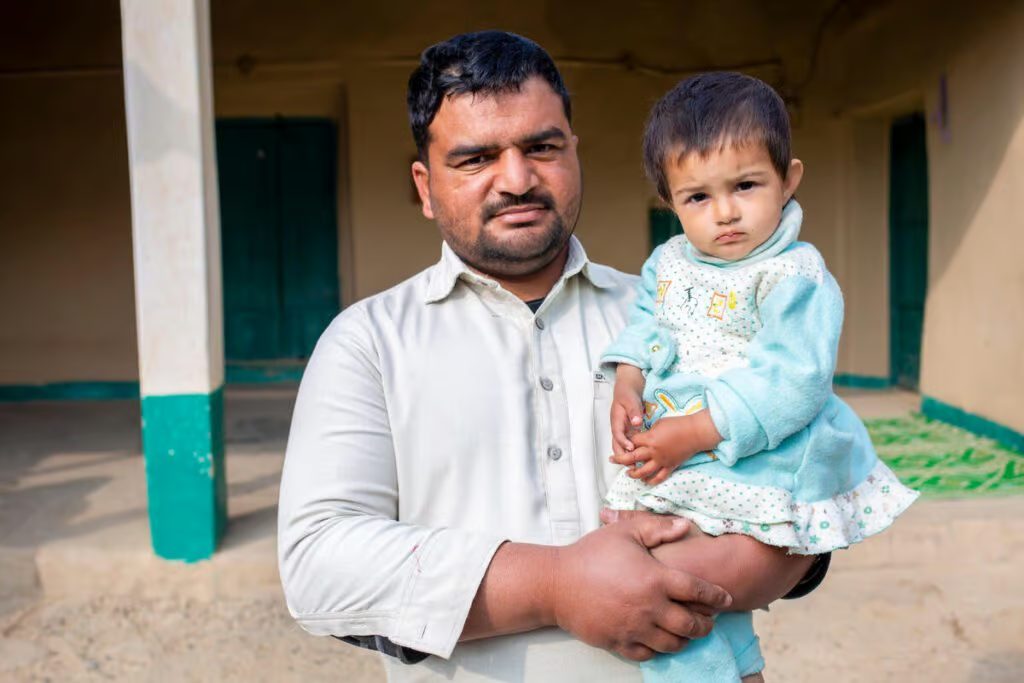
The number of people facing severe hunger continues to grow at an alarming rate, according to the 2022 Global Report on Food Crises.

With years of conflict, a severe economic downturn and food prices rising relentlessly since 2020, the Ukraine crisis is exacerbating what was already an alarming food security scenario in Syria.
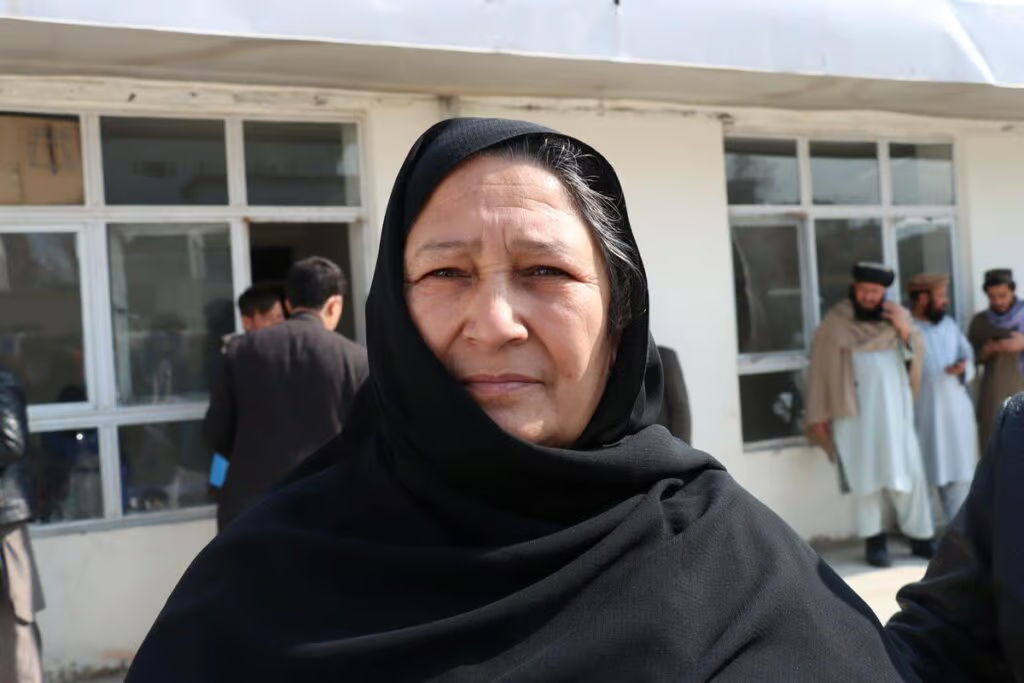
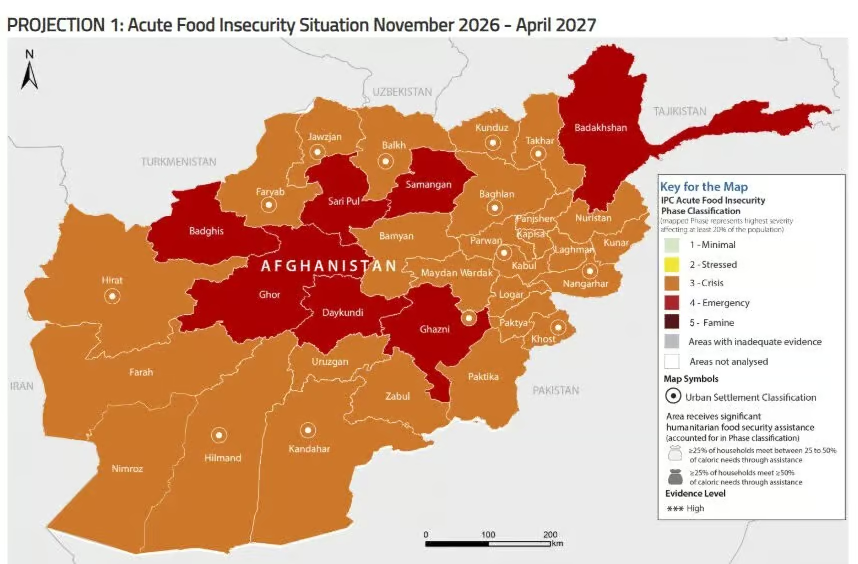
Lingering drought and the deep economic crisis mean unprecedented hunger will continue to threaten the lives and livelihoods of millions of people across Afghanistan.

WFP is calling for the re-opening of the ports in the Odessa area of southern Ukraine so that food being produced in the war-torn country can flow freely to the rest of the world, before the current global hunger crisis spins out of control.
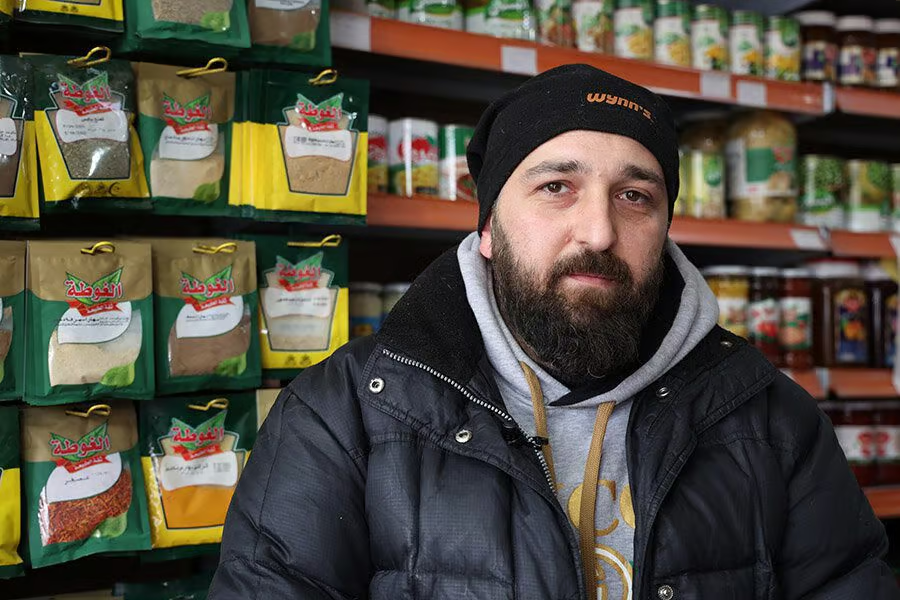
The U.N. World Food Programme’s support is a lifeline as Syrian shoppers curb spending and traders suffer this Ramadan.
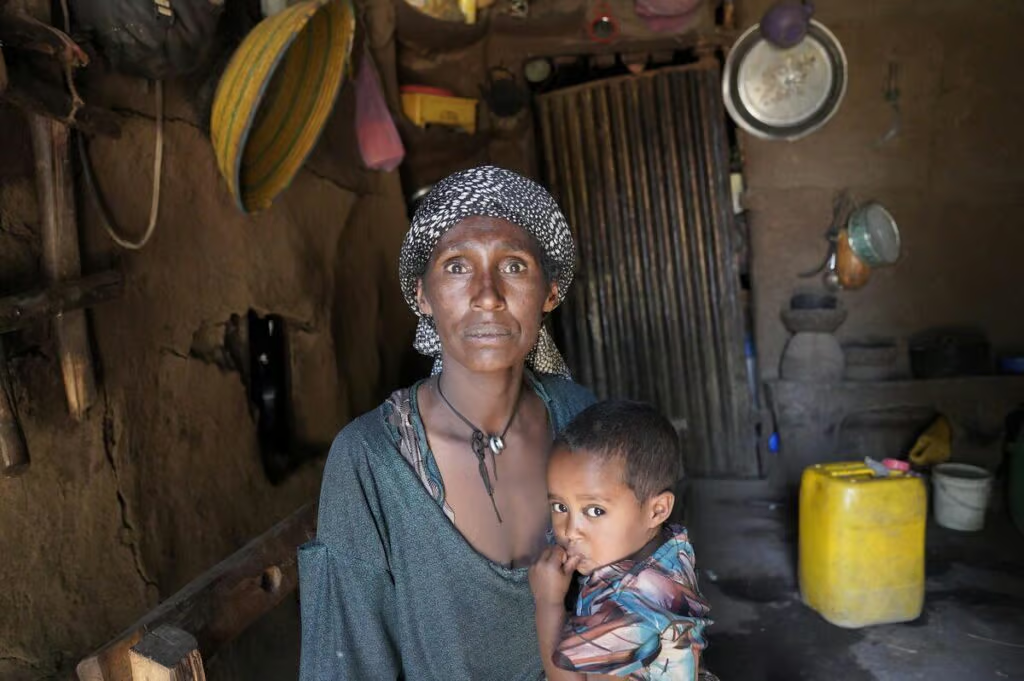
Hardly anything that happens on the battlefield stays on the battlefield. Every conflict sends its trauma and turmoil beyond places shattered by bombs. The conflict in Ukraine is no different.