It’s Tea Time at Mohamad’s House, and the Whole World’s Invited
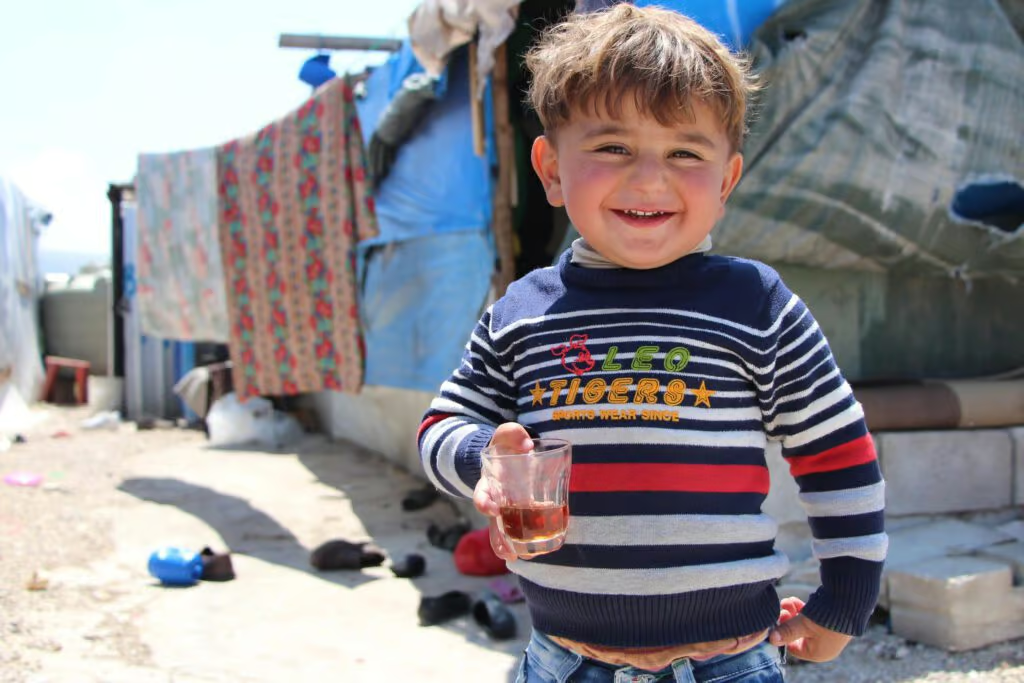
Meet Mohamad, a tiny tea enthusiast. In 2016, he showed us how important tea is to Syrian refugees living in Lebanon.

Meet Mohamad, a tiny tea enthusiast. In 2016, he showed us how important tea is to Syrian refugees living in Lebanon.

For people who have lost or fled their homes, one of the most pressing needs at the moment is food. WFP has started providing emergency assistance for more than 51,000 people in north Gaza in response to the recent escalation of conflict.

With each day that passes, more lives are at stake as hunger tightens its grip in southern Madagascar. Years of poor harvests driven by drought upon drought, and weather-related damages to fishing, have pushed people to the brink.

One year after the COVID-19 pandemic, the outlook for 2021 is grim. Conflict, economic shocks and climate change continue to drive hunger.

Our worst fears are coming true. Life-threatening hunger is up, chronic hunger is up and extreme poverty is up. Millions are on the verge of famine due to conflict. How will we respond?
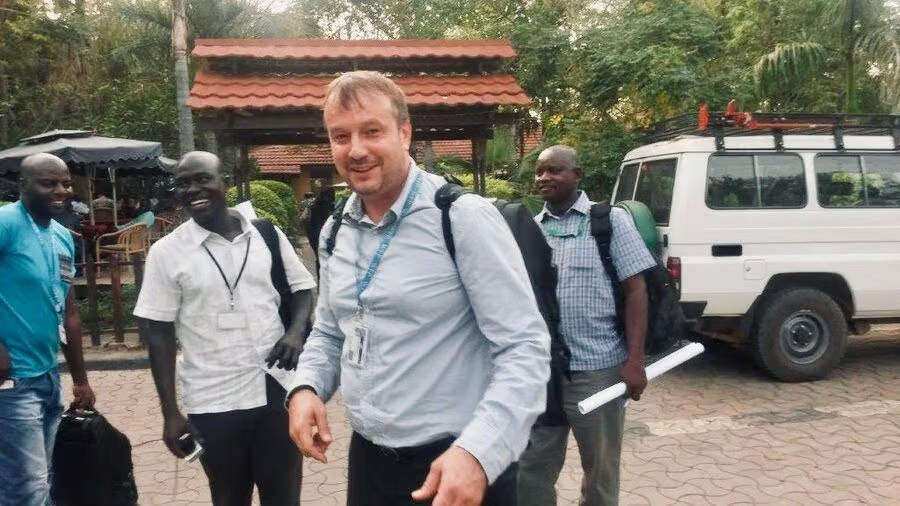
Meet Nenad Grkovic, a former United Nations World Food Programme (WFP) beneficiary during a civil war who later dedicated his career to saving and changing lives through innovative logistics solutions.
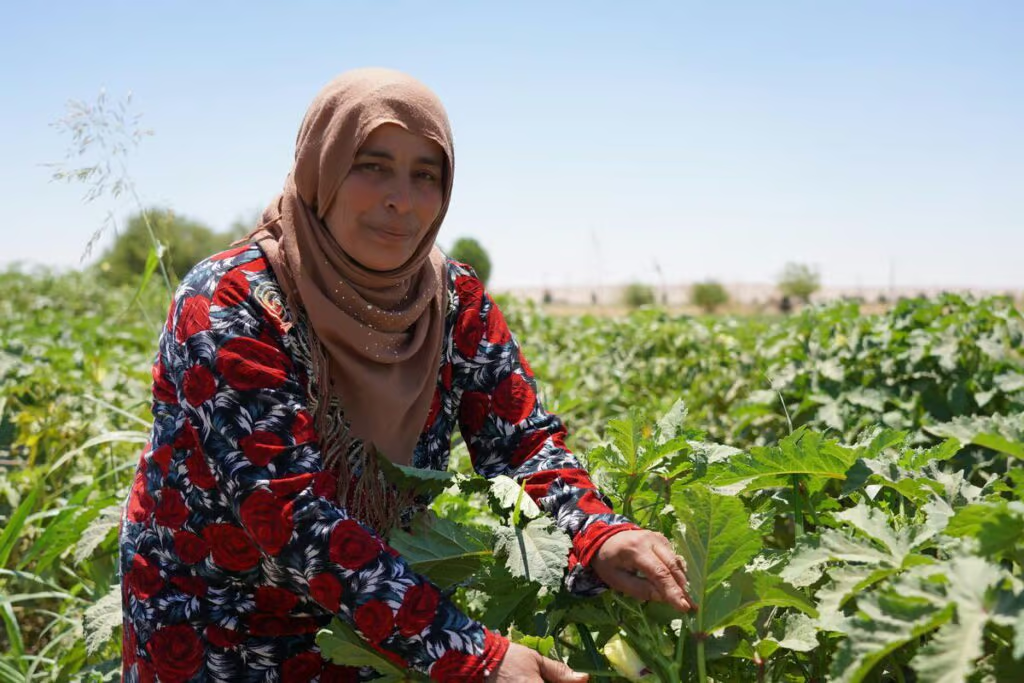
It’s been over a decade since the conflict in Syria began, and today families are barely hanging on. Meet Syrian women and girls who are doing whatever it takes to survive.
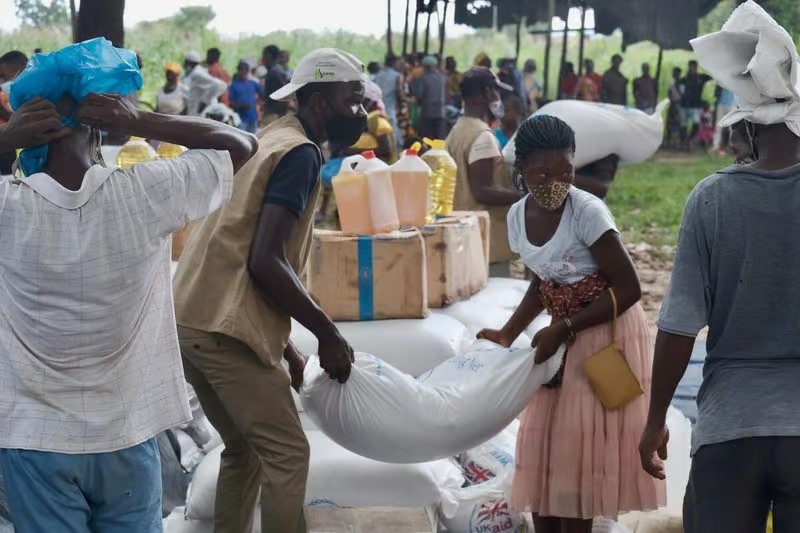
People have scattered in many different directions since the recent attacks in Palma, Cabo Delgado Province. They’ve had to flee leaving behind all their belongings and families have been separated.
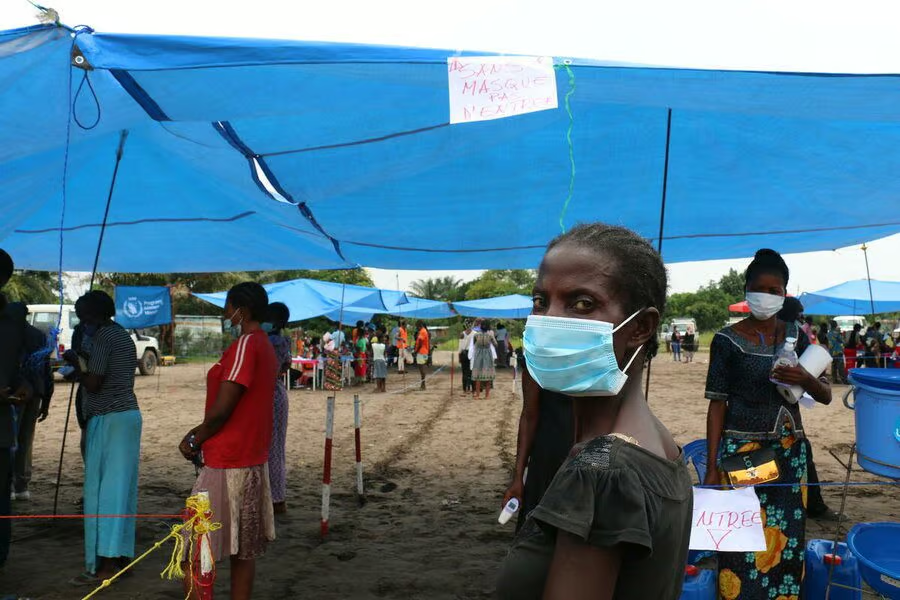
Girls and boys, men and women are being starved by conflict, inequality, climate, and COVID-19. But there is no place for famine in the 21st century, and history will judge us all by the actions we take today.

Millions of families in West and Central Africa are growing more hungry and desperate by the day as food prices skyrocket. Even when food is available, families simply cannot afford it.