Famine Alert: Hunger, Malnutrition and How WFP is Tackling This Other Deadly Pandemic
Today, 34 million people around the world are on the brink of famine — and the slightest shock could tip them over the edge.

Today, 34 million people around the world are on the brink of famine — and the slightest shock could tip them over the edge.
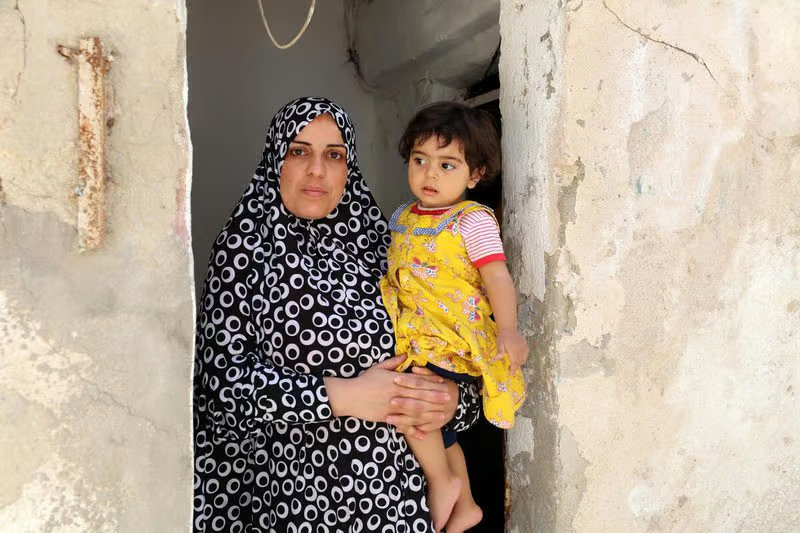
WFP urgently needs funding to continue assistance to vulnerable refugees, to stop families falling into further food insecurity and deeper poverty.
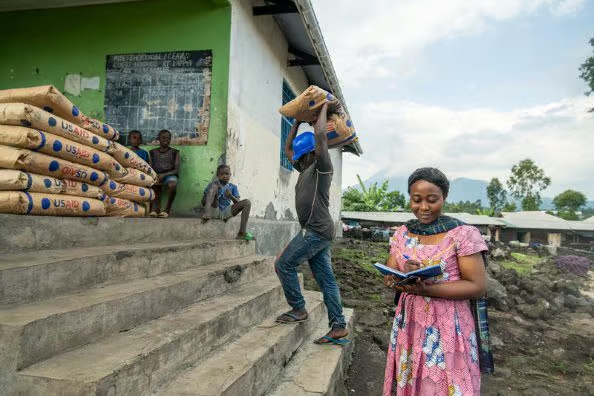
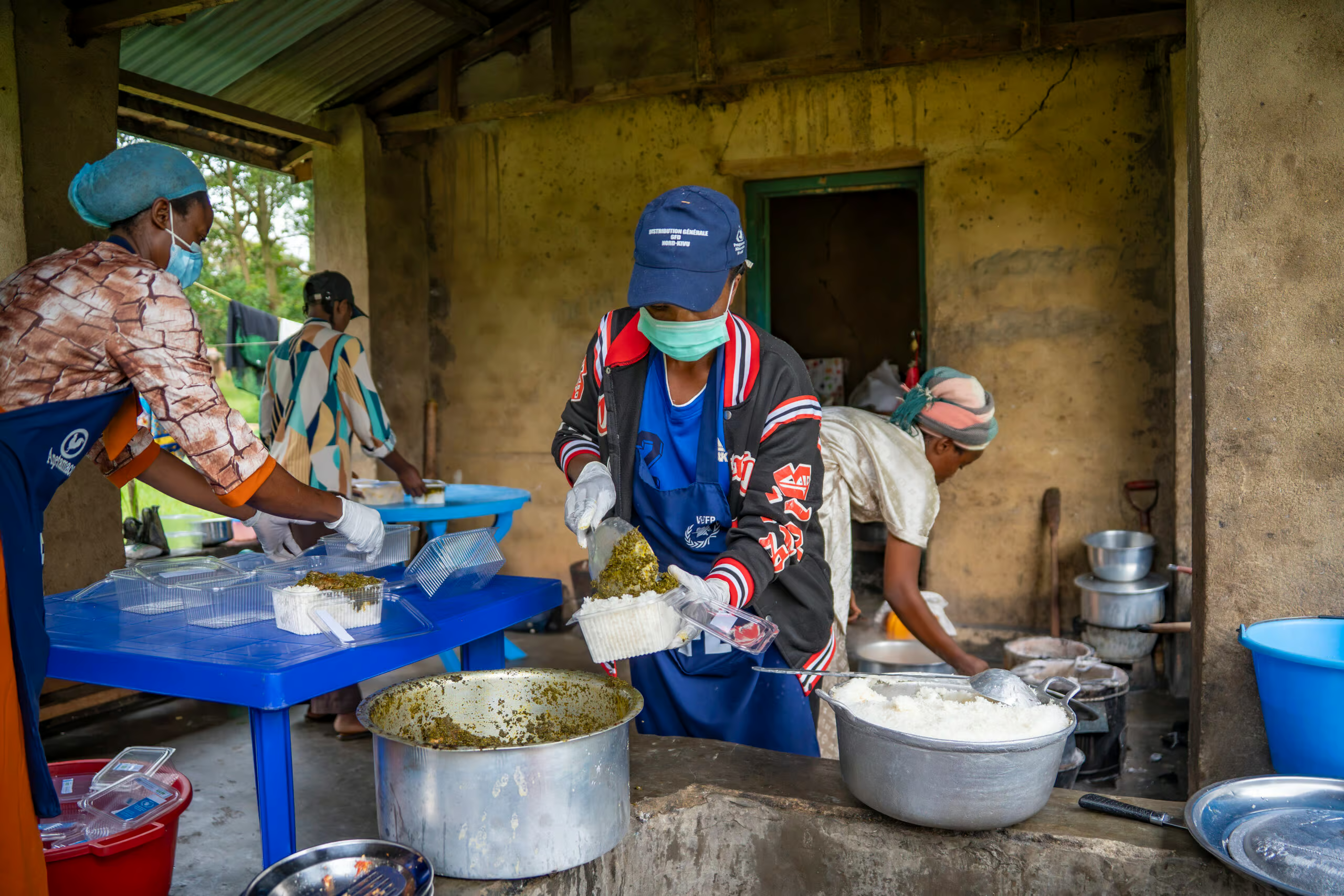
WFP has started providing emergency food rations to people displaced from their homes in Goma by the sudden eruption of Nyiragongo volcano.

WFP welcomes a $1 million contribution from USAID to provide cash assistance to help hungry, displaced people in Armenia cover their food needs until the end of June.
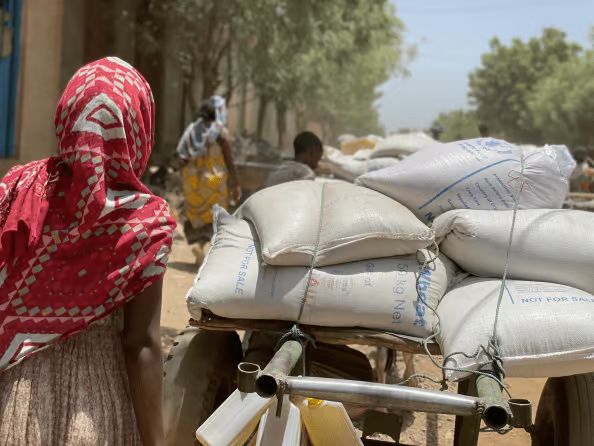
WFP has provided emergency food assistance to 1 million people since starting distributions in Northwestern and Southern zones of Tigray region in March.

Gender equality and the empowerment of women and girls are pre-conditions for the eradication of poverty and hunger and are essential to achieve all Sustainable Development Goals.
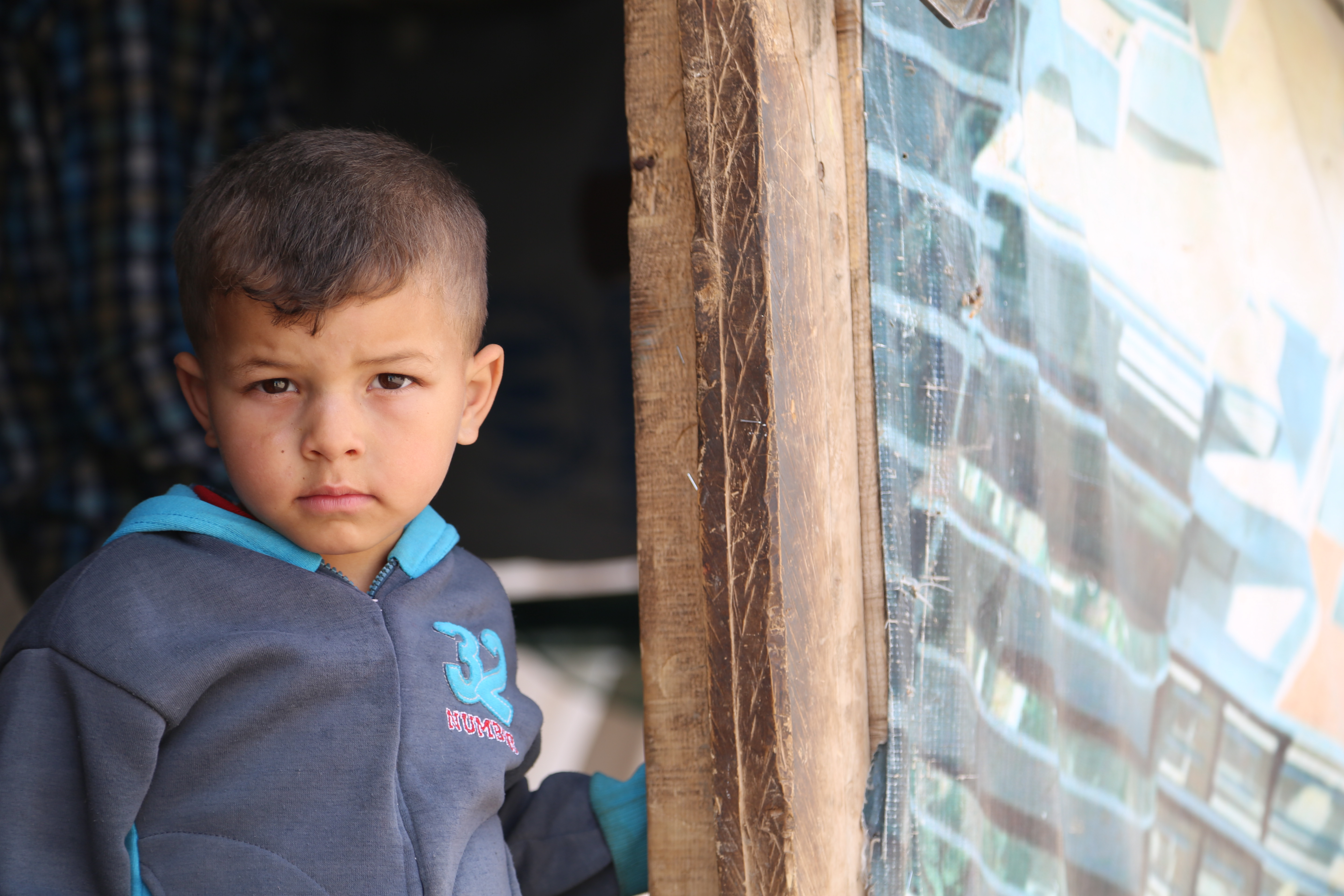
WFP has started scaling up to assist families struggling to make ends meet amidst a severe economic downturn, skyrocketing inflation and a collapsing Lebanese pound.

Escalating conflict, economic decline, rising global commodity prices and COVID-19 have all contributed to an alarming increase in acute hunger in Yemen over the last year.
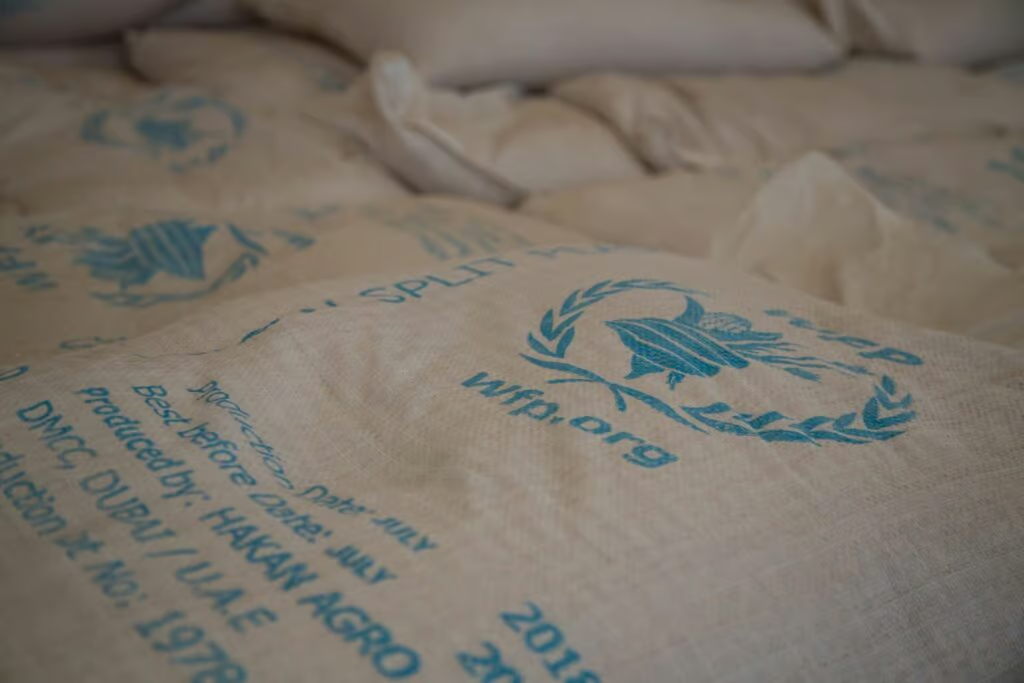
WFP has partnered with the International Crisis Group to boost its conflict prevention capacity as it continues to deliver life-saving food to the world’s most vulnerable people.

The people of the Central African Republic have been bearing the brunt of conflict for a decade, and food insecurity has been on the rise for the past years. Yet, never before has the food insecurity outlook been so dire.