UN Report: Pandemic Year Marked by Spike in World Hunger
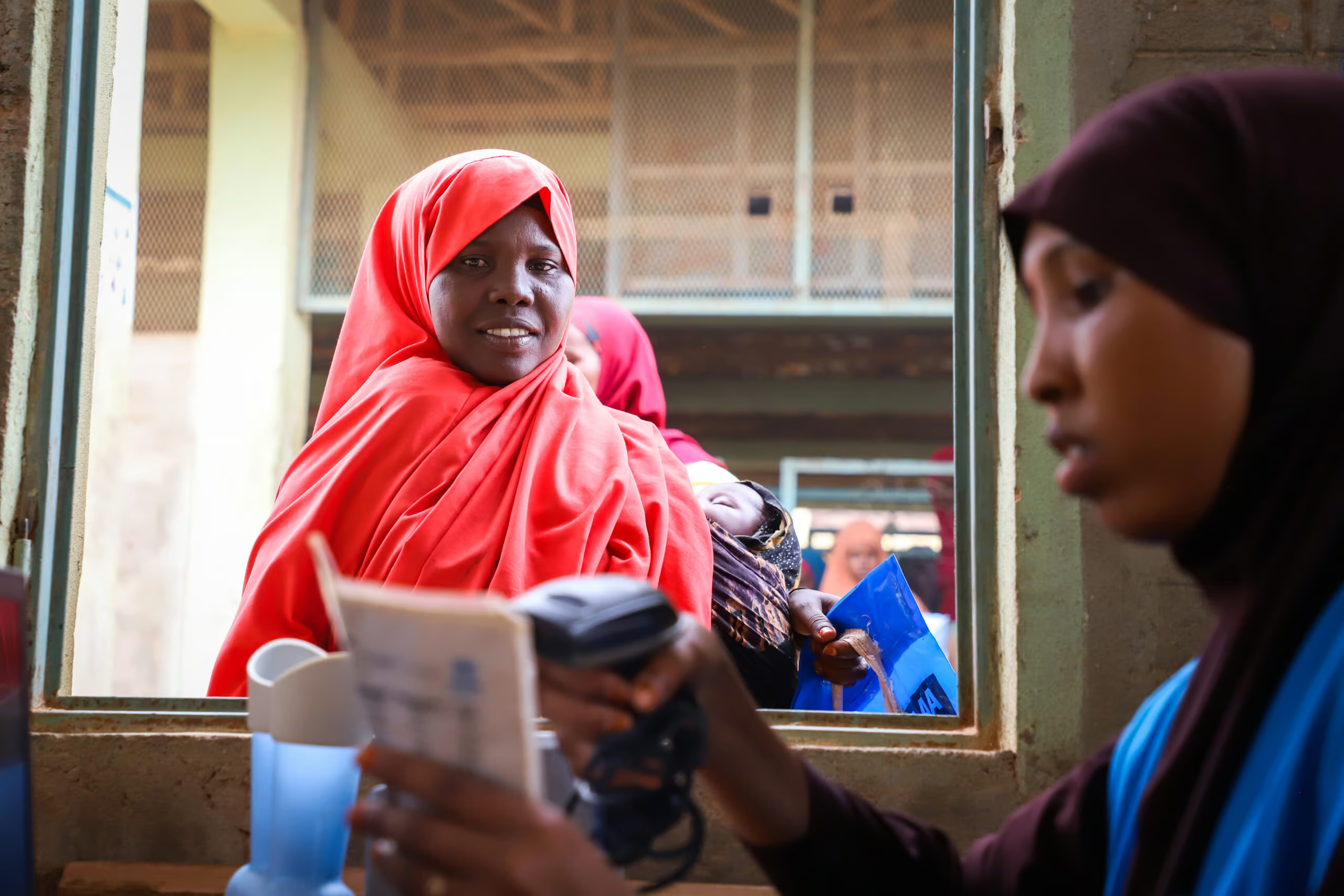
There was a dramatic worsening of world hunger in 2020, the United Nations said today – much of it likely related to the fallout of COVID-19.

There was a dramatic worsening of world hunger in 2020, the United Nations said today – much of it likely related to the fallout of COVID-19.

High food prices, driven by conflict, economic fragility and the impacts of La Niña, are making food unaffordable for millions of families already struggling because of the pandemic.
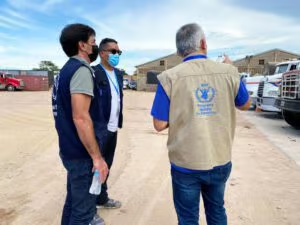
WFP started its school meals program in Venezuela this week, with the first distributions of take-home rations to children and school staff.
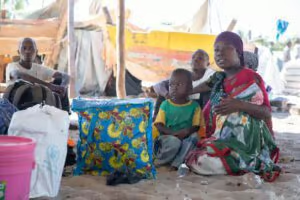
WFP warns that without urgent funding, one of the world’s fastest-growing displacement crises in northern Mozambique risks becoming a hunger emergency.

WFP has resumed its operations in the Tigray region of Ethiopia after fighting halted the emergency response last week.
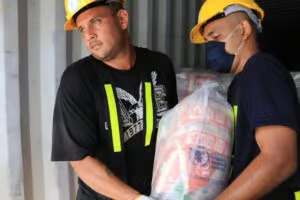
WFP has moved its first food supplies to its logistics hub in Venezuela, as it prepares to launch its school meals program for vulnerable schoolchildren and employees in the country.

General MacArthur ordered an extensive child feeding program for Japan, including school meals. It would prove to be one of MacArthur’s most important orders, even if it was lesser known.
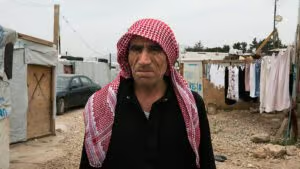
A new UN study indicates that hunger in the Arab region continues to rise, threatening the region’s efforts to achieve the 2030 Agenda for Sustainable Development, including the Zero Hunger goal.
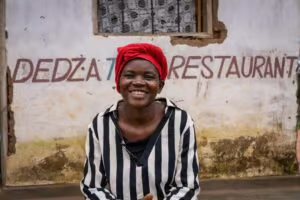
A $9.5 million contribution from USAID will help WFP to provide emergency assistance to vulnerable households in Malawi.

A $5.3 million contribution from USAID will help WFP provide food assistance to over 104,000 Congolese and Burundian refugees in camps across Rwanda.