By Any Means Necessary: How WFP Is Preventing Famine in South Sudan
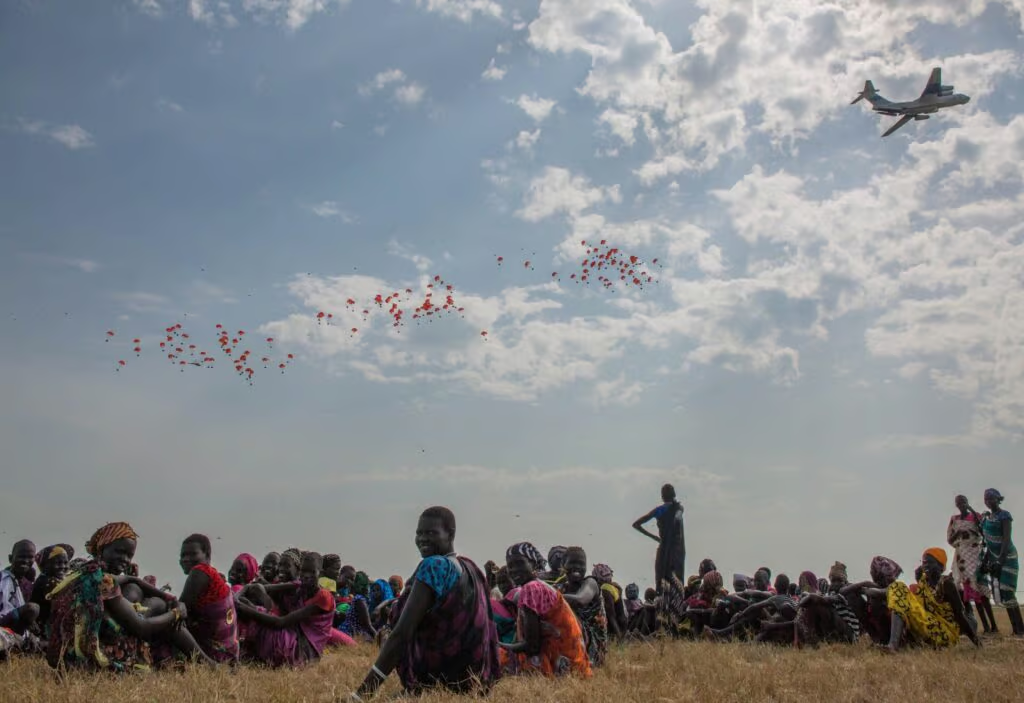
For 239 days, WFP has employed every means of food delivery available, from airdrops and barges up the Nile to convoys of trucks, all transporting lifesaving food.

For 239 days, WFP has employed every means of food delivery available, from airdrops and barges up the Nile to convoys of trucks, all transporting lifesaving food.
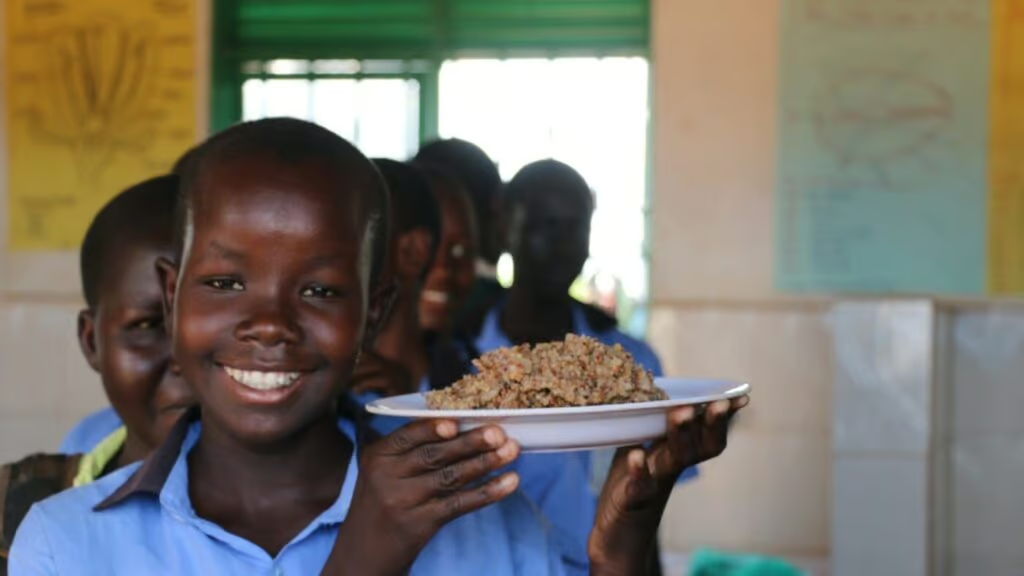
How a daily school meal is giving children a fighting chance at life.
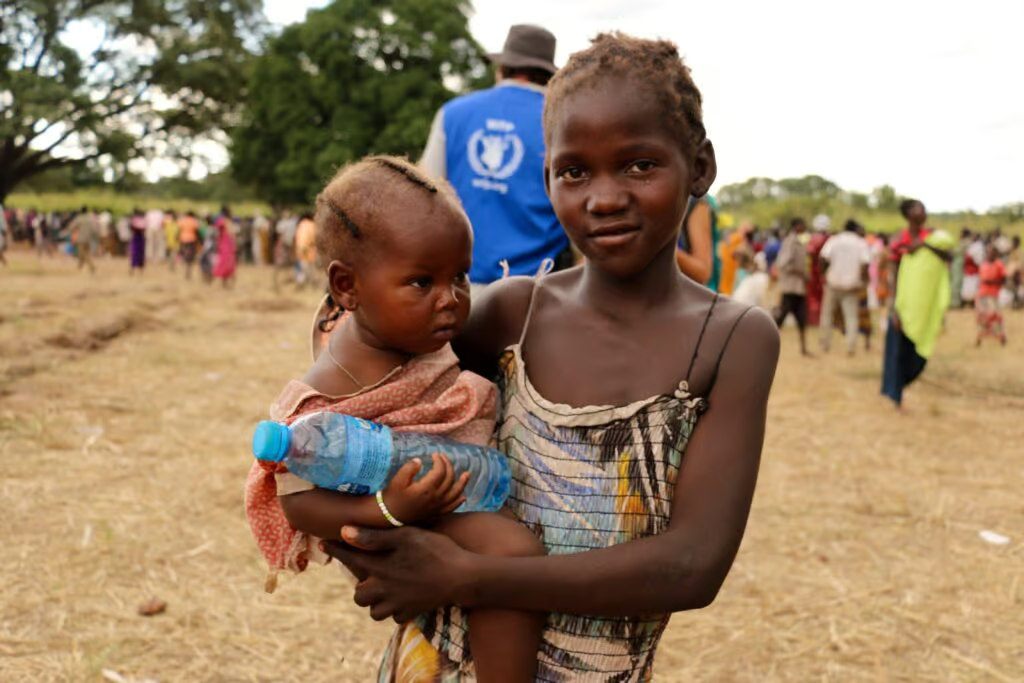
Four years of conflict in South Sudan has plunged millions of people into hunger—and time is running out.
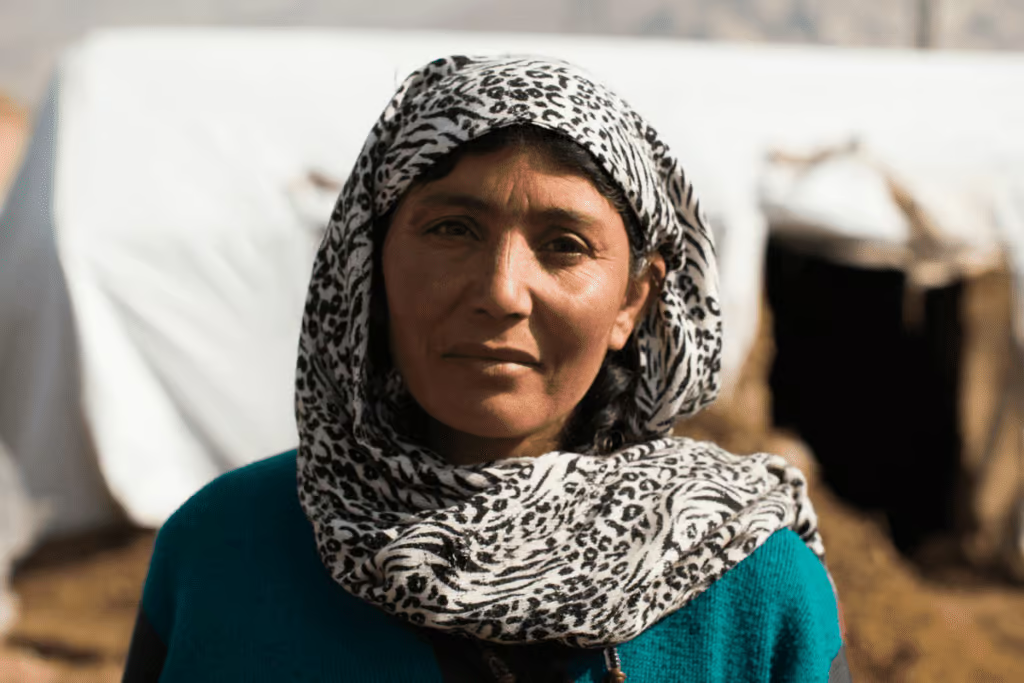
There isn’t enough food — for refugees, for vulnerable families in conflict zones and for people struggling on the brink of famine.
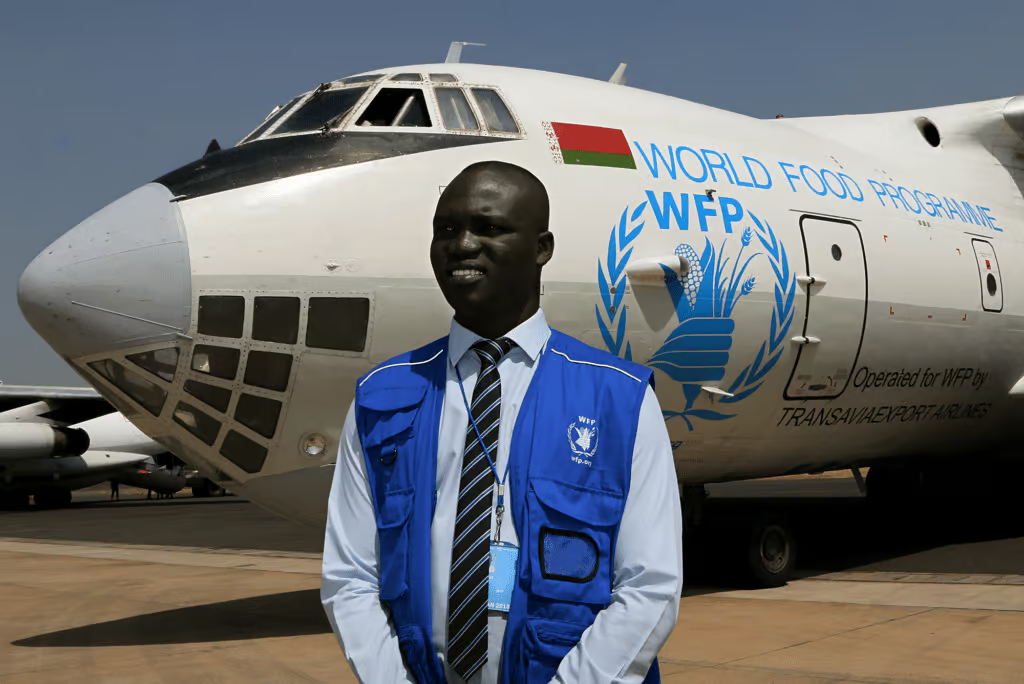
‘People had only wild fruits and leaves to eat… and hunting, but most animals had run away because of the war.’

In South Sudan, the combined effects of civil war and drought have left nearly 5 million people food-insecure.

Last month WFP reached some 2.7 million people with lifesaving food assistance across South Sudan.
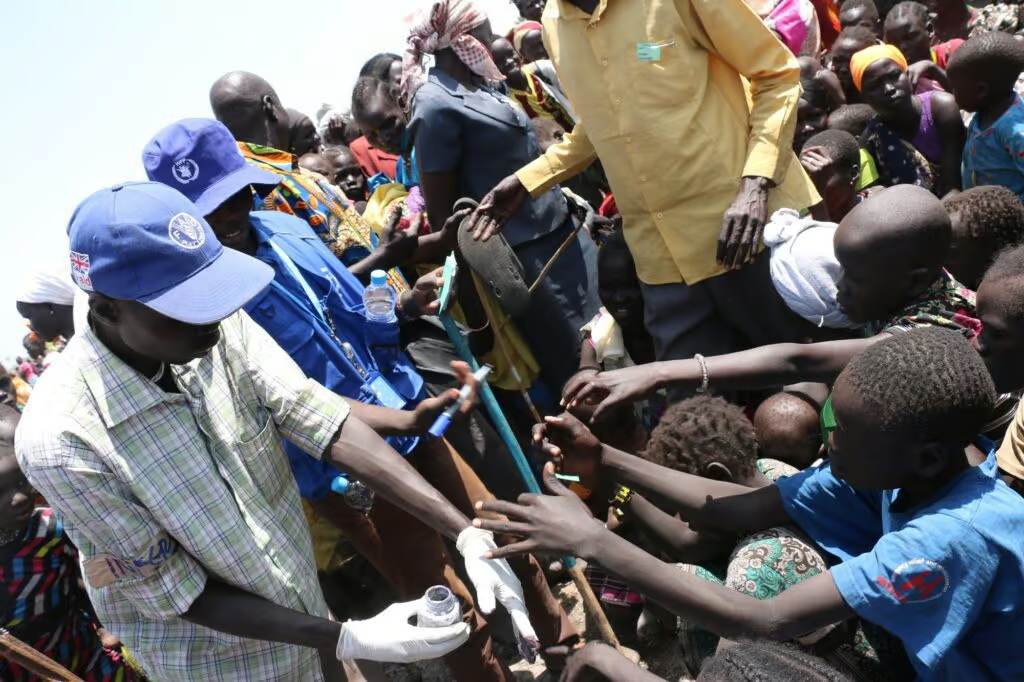
WFP and UNICEF designed the simple yet innovative Integrated Rapid Response Mechanism (RRM) to deliver urgently needed supplies to families in hard-to-reach areas.
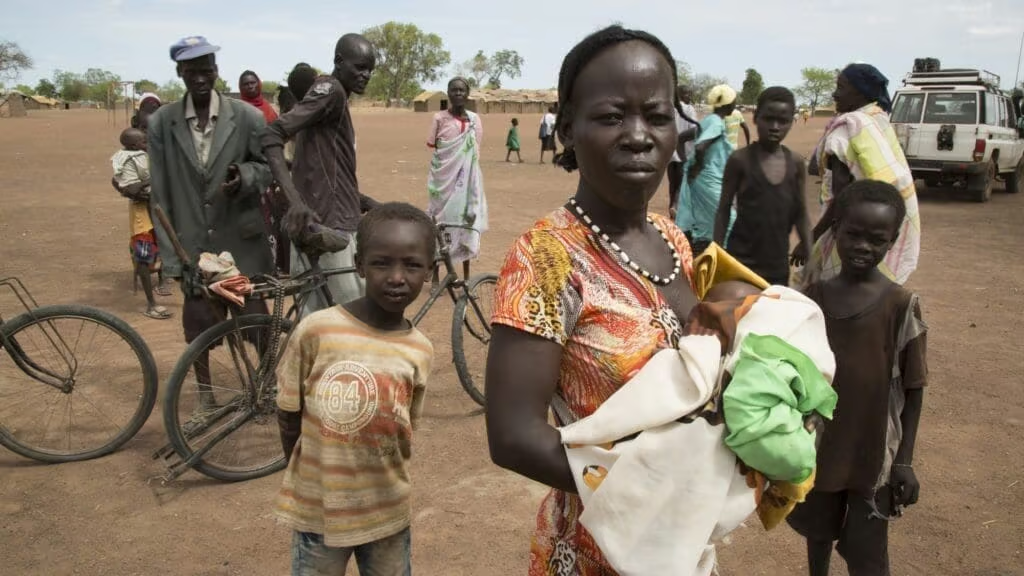
What South Sudan Would Look Like Without WFP
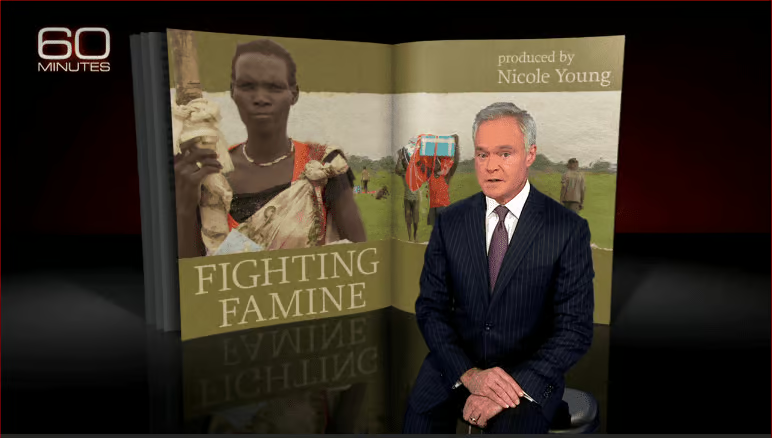
CBS’s Scott Pelley reports from South Sudan, where 5 million people are struggling to put food on the table and 100,000 are facing starvation.