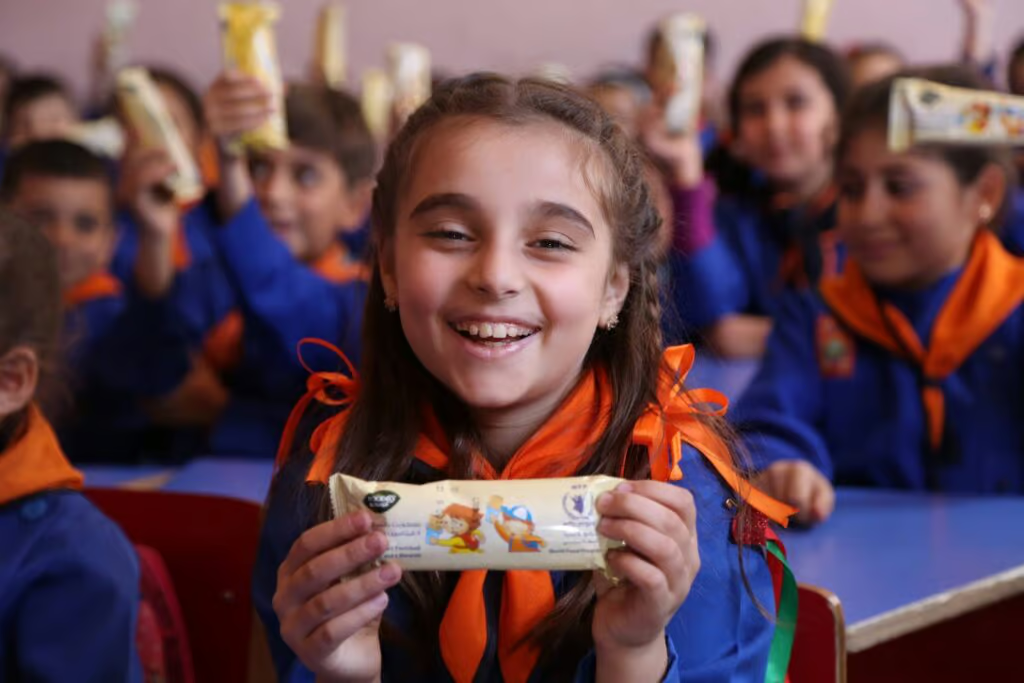
Back to School Supply: Date Bars and Milk
Since 2014, school meals inside Syria have restored a sense of normalcy for hundreds of thousands of children trapped by war.

Since 2014, school meals inside Syria have restored a sense of normalcy for hundreds of thousands of children trapped by war.

Every year on August 19th, the world pays tribute to aid workers who risk their lives in humanitarian service. Meet five humanitarians with the World Food Programme (WFP) who are fighting to make the world a better place.
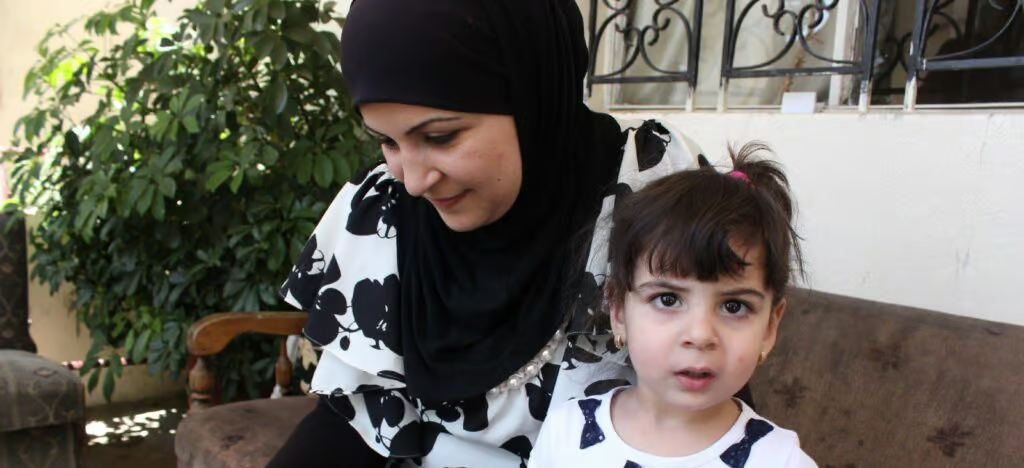
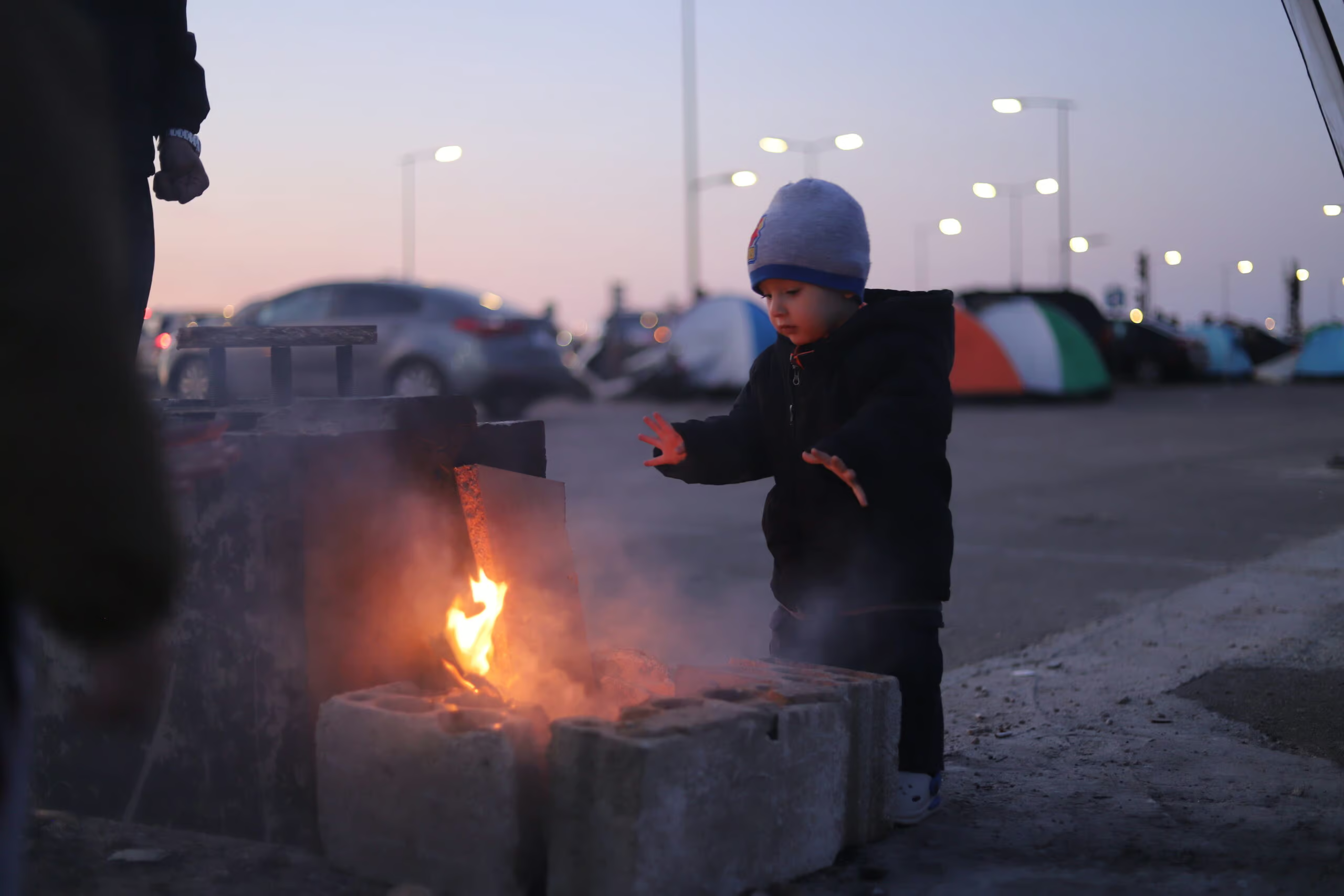
WFP provides e-cards for displaced families, allowing them to purchase the kind of food they need with dignity and choice.
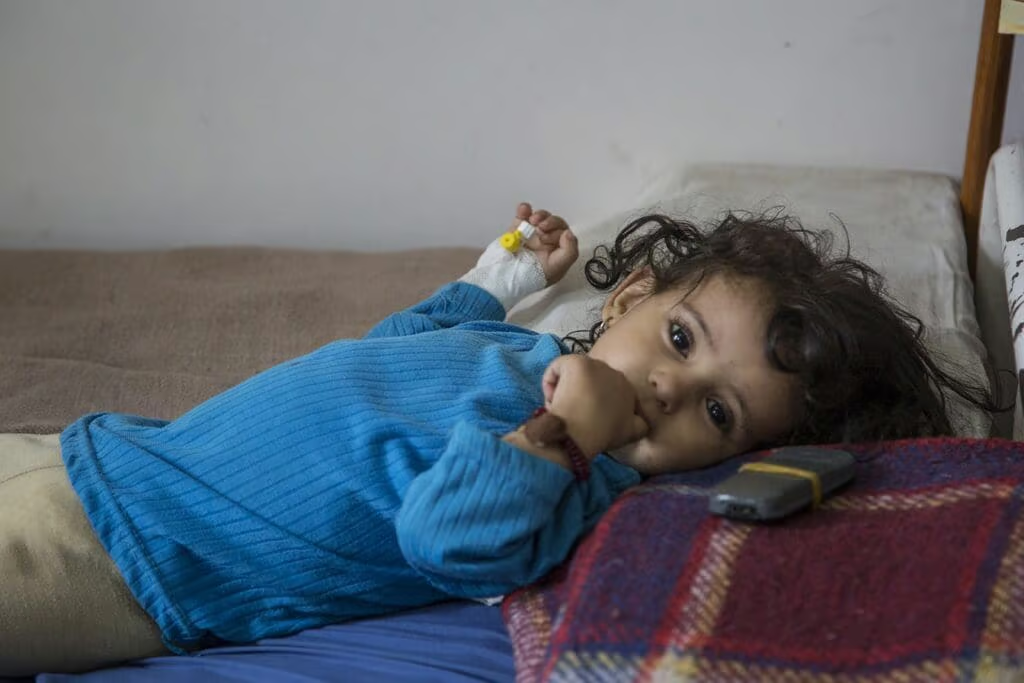
In July 2018, a World Food Programme (WFP) communications team found their way inside Yemen to document the hunger crisis in areas that rarely see the light of day.
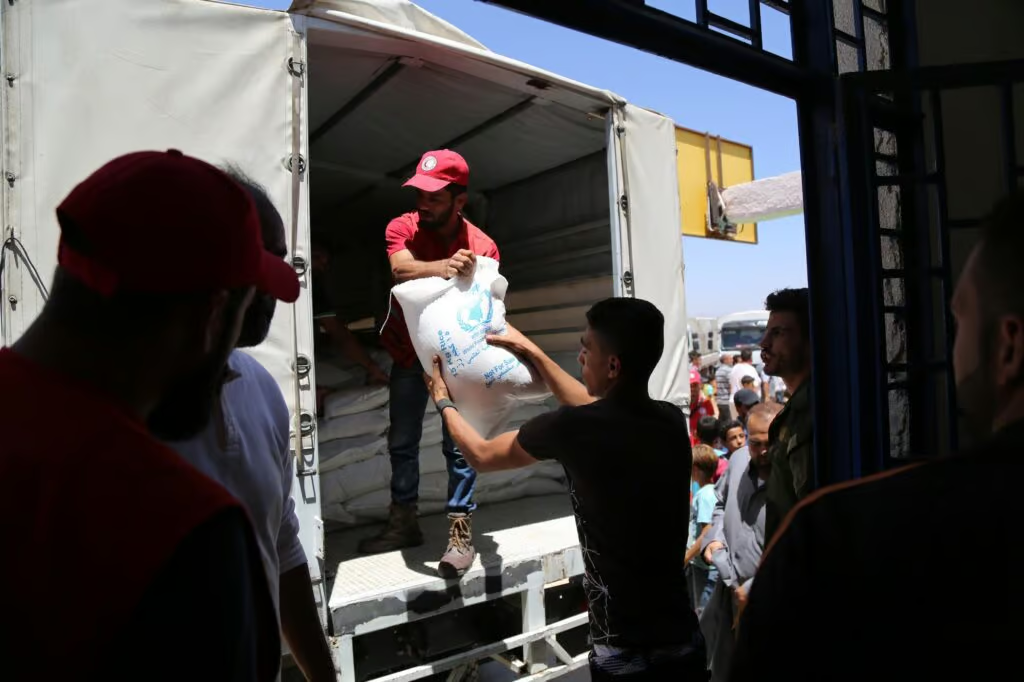
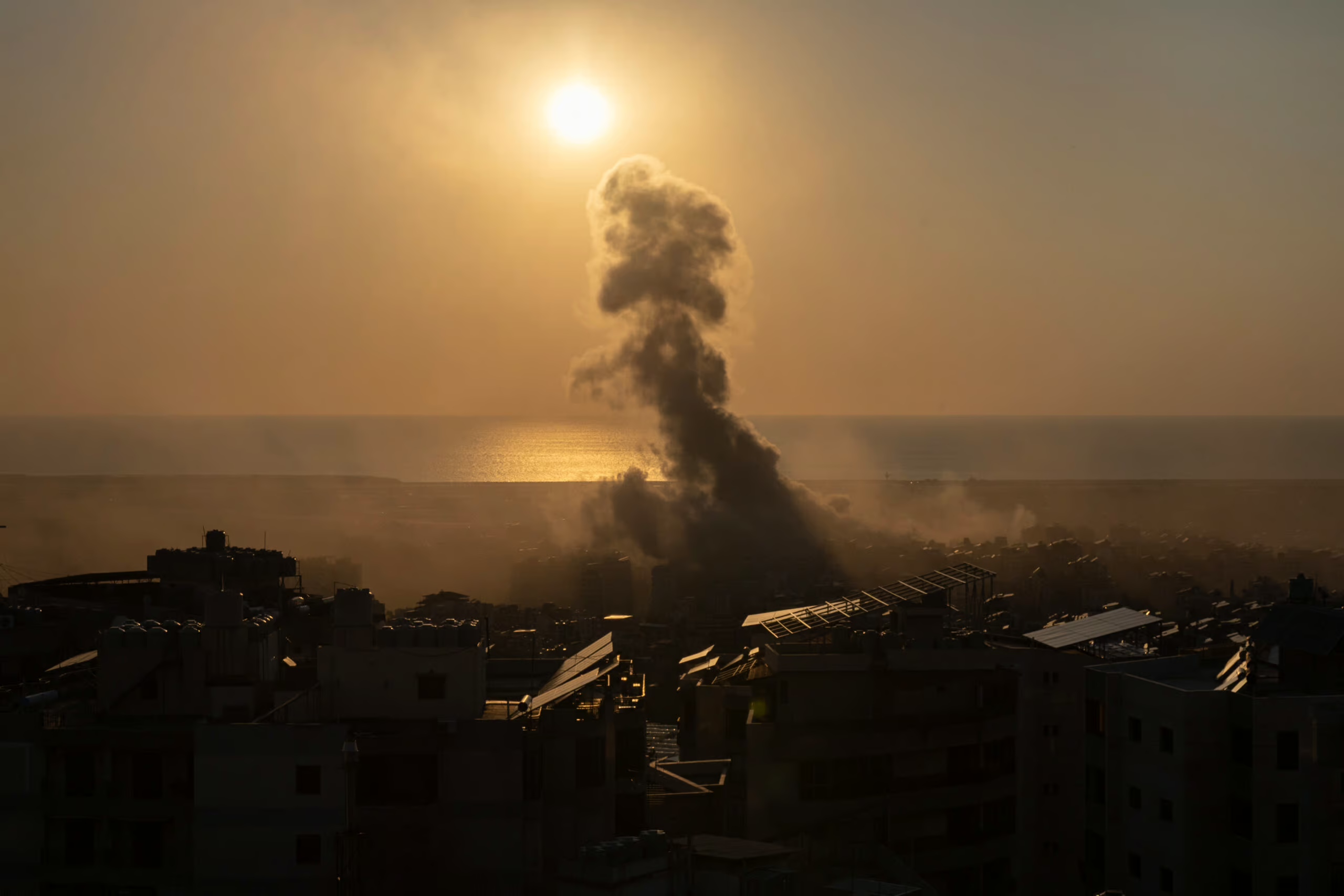
Halfway through the year, an alarming number of families have newly fled their homes for safety, making the World Food Programme’s (WFP) efforts to deliver food and nutrition assistance a matter of life and death.
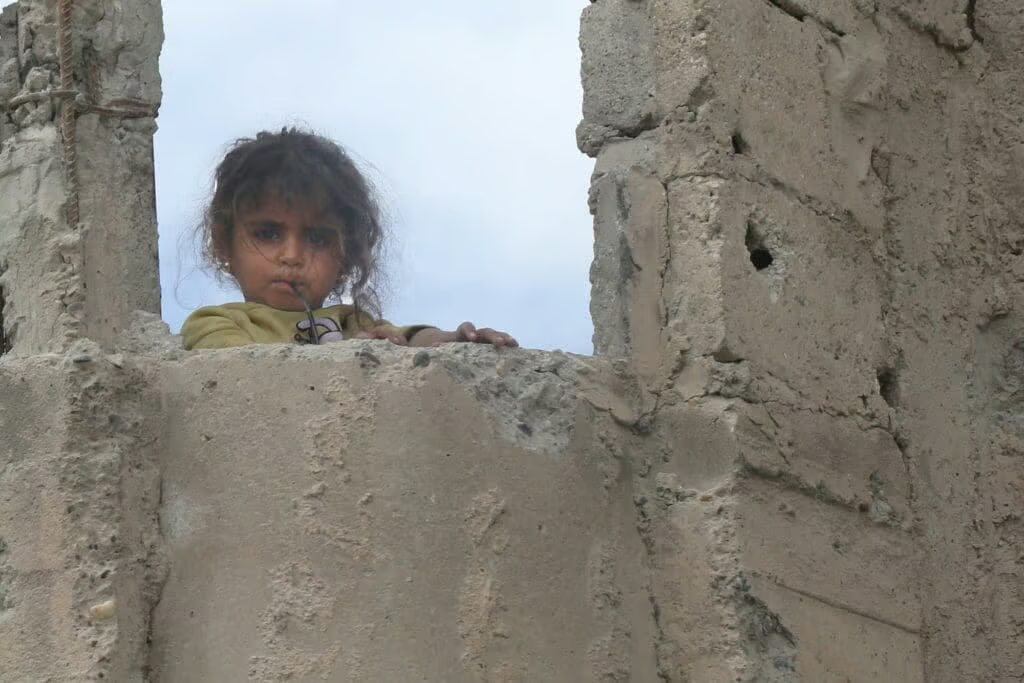
This past May, the U.N. Security Council unanimously approved a resolution officially recognizing the link between conflict and hunger for the first time
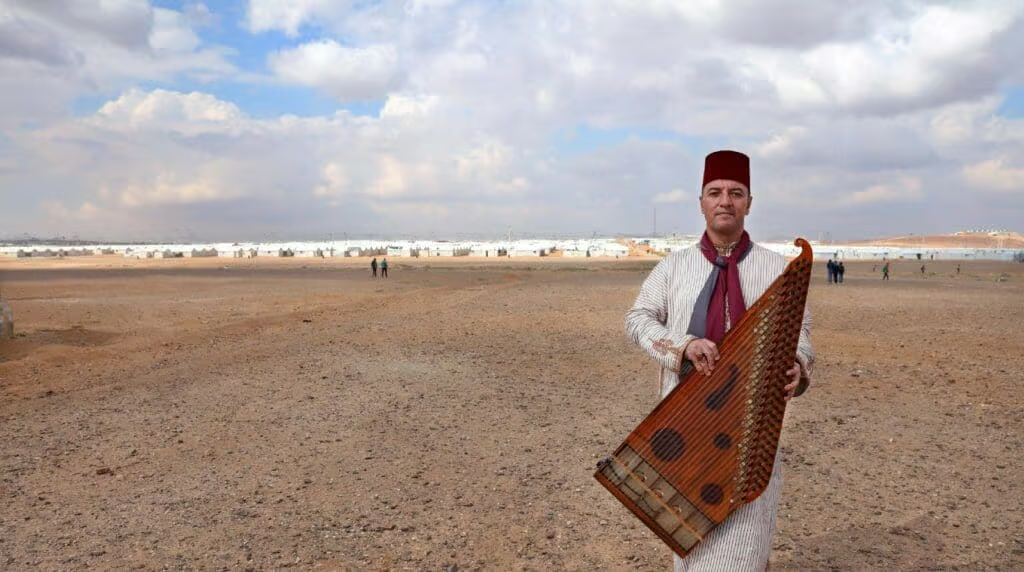
Mustafa Alsagheer sold his most prized possession to save his daughter’s life. But as health care bills mounted, his family’s livelihood was left hanging in the balance.
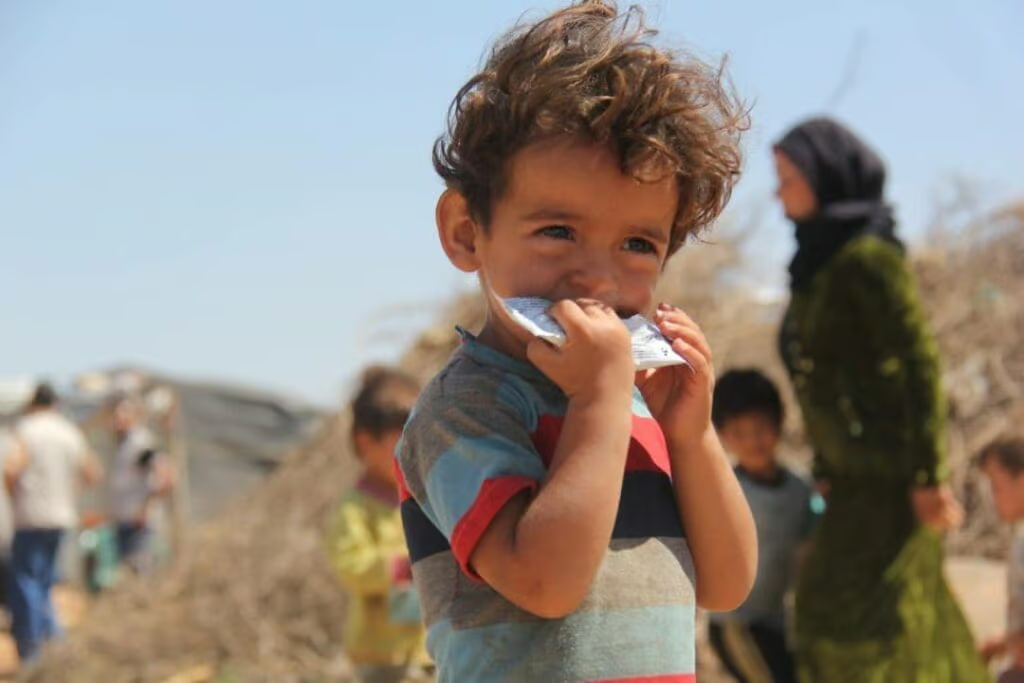
Escalating violence in southern Syria continues to displace families from their homes.
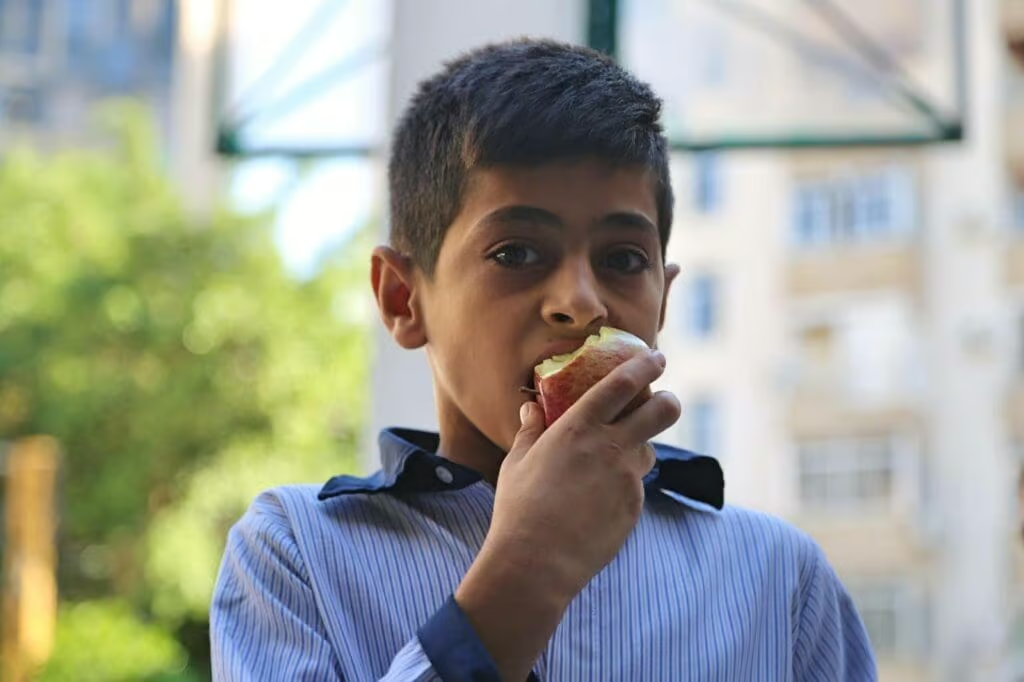
For Syrian refugees, many rest easy knowing what their children will enjoy when they walk through the doors of their classrooms far away from home: a nutritious school meal.
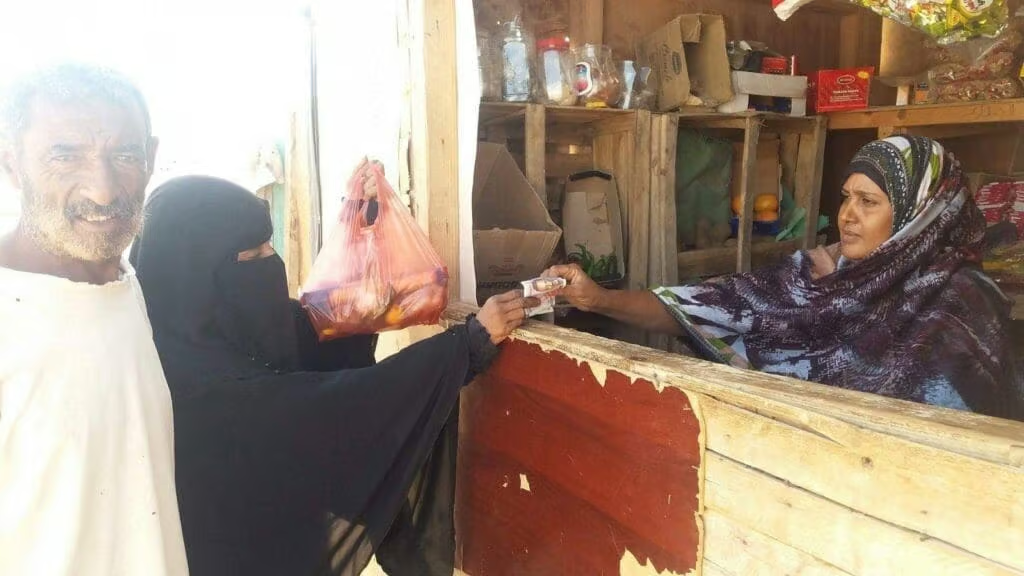
Fleeing the world’s worst humanitarian crisis, Yemeni refugees are rebuilding their lives in Djibouti through food and a new sense of independence.