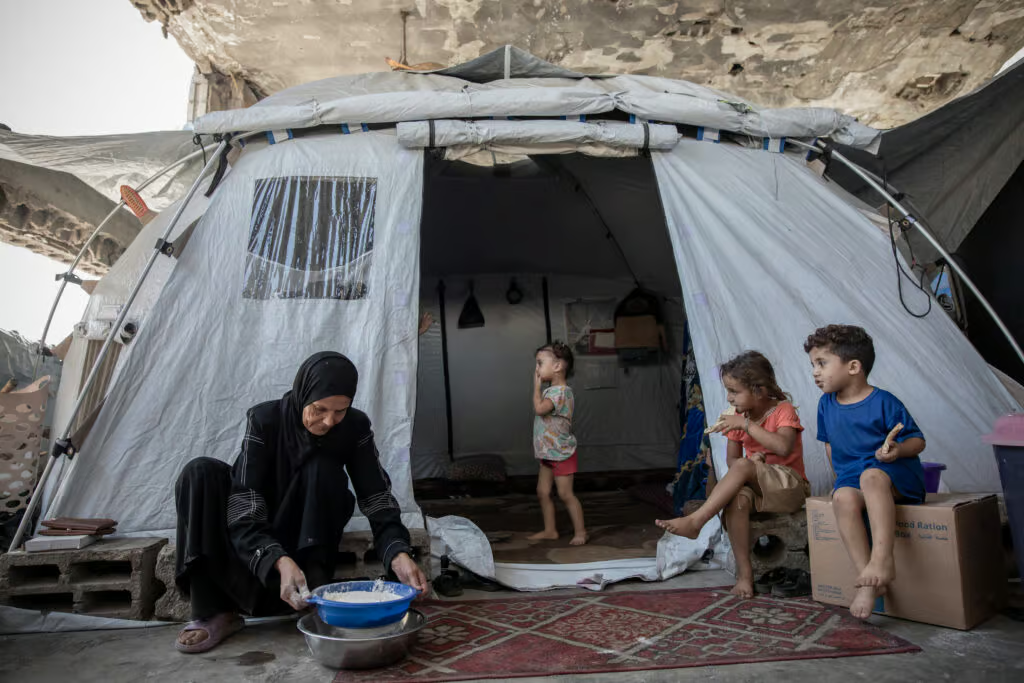
Funding cuts force WFP to drastically reduce lifesaving assistance in Gaza
WFP today announced that funding shortages have forced it to reduce food assistance in Gaza by around one-third.

WFP today announced that funding shortages have forced it to reduce food assistance in Gaza by around one-third.
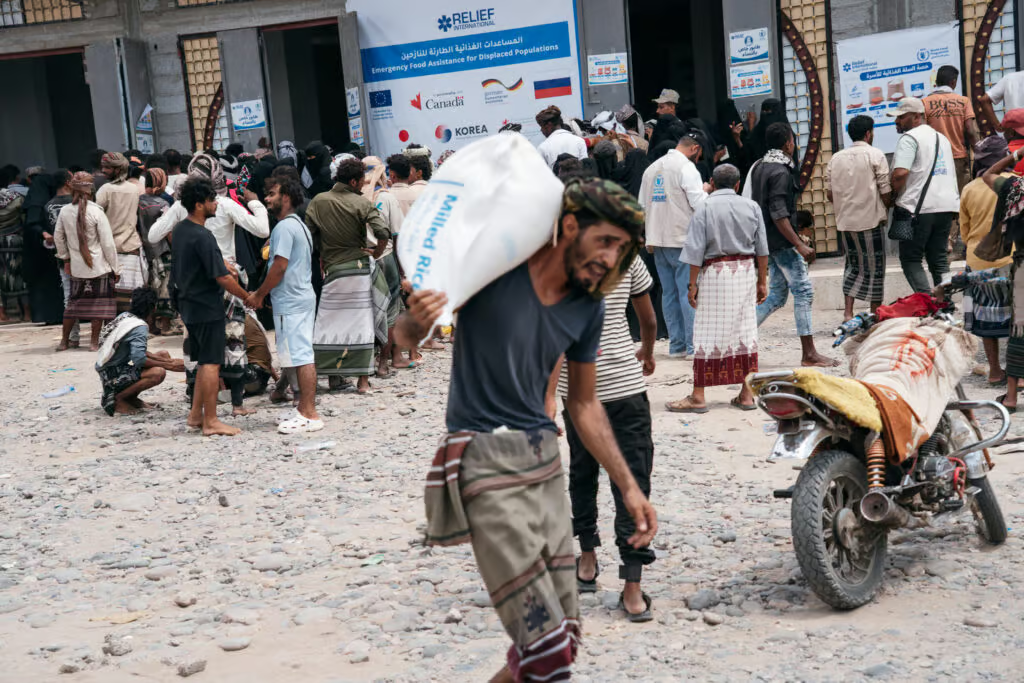
WFP warns escalating conflict in Yemen has cut off lifesaving aid to 800,000 people as insecurity severely restricts humanitarian access.
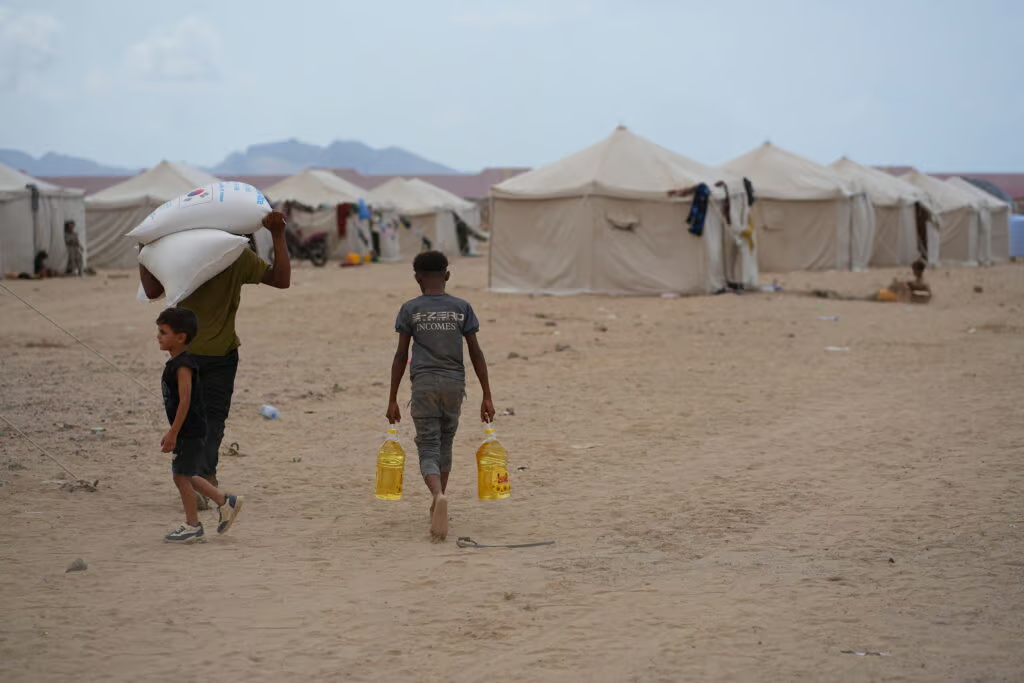
WFP warns food insecurity is rising sharply in Yemen as conflict displaces families and limits humanitarian access.
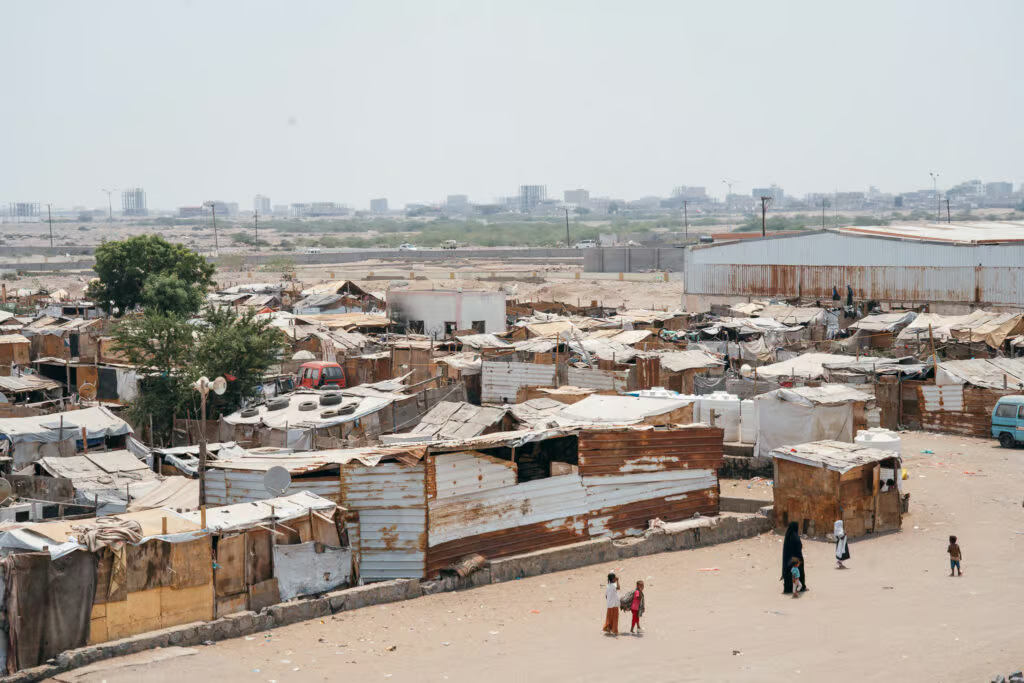
Renewed fighting in Yemen is driving displacement and hunger. WFP is scaling up aid, but severe funding shortfalls could hamper the response.
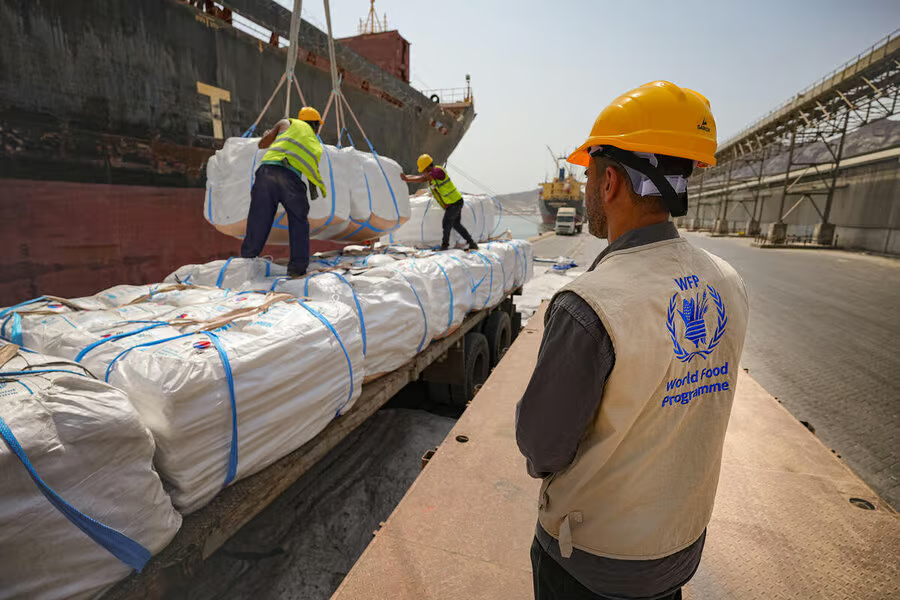
Conflicts in the Strait of Hormuz, the Red Sea and the Black Sea are disrupting the movement of food, fuel and fertilizer, with devastating consequences across the world.
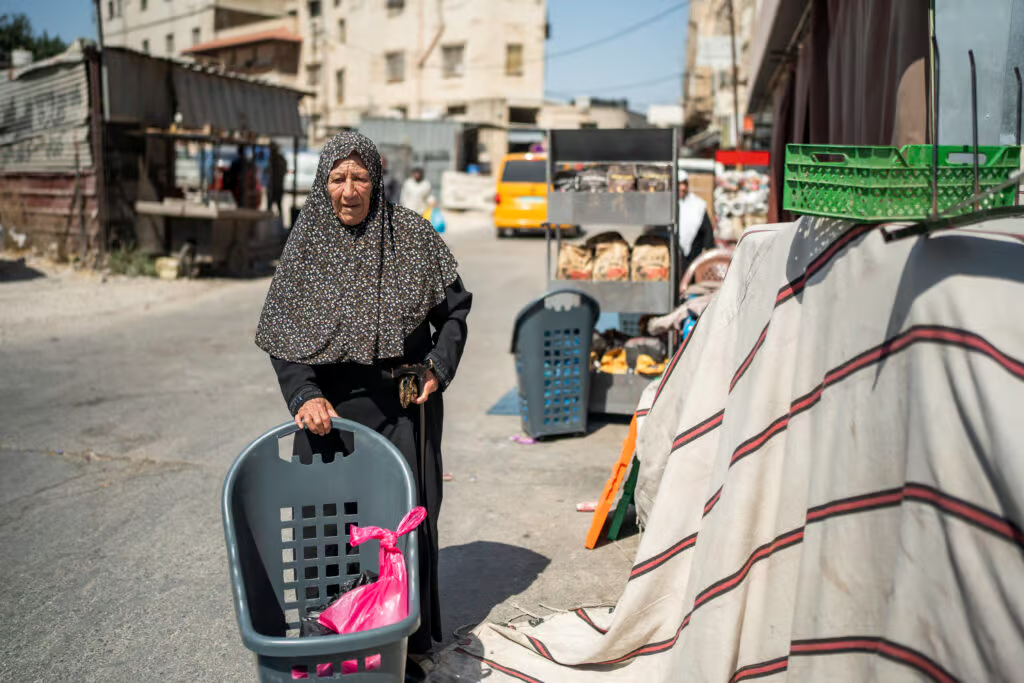
WFP is cutting food assistance in the West Bank due to severe funding shortages, even as food needs have more than doubled since 2023.
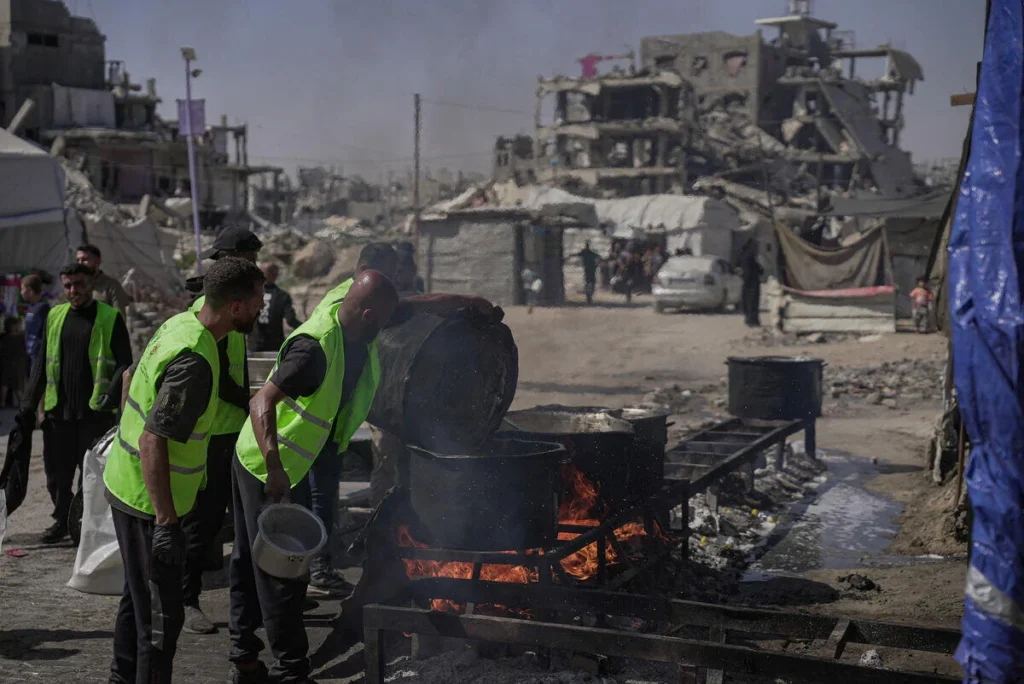
The latest IPC analysis for Gaza reveals both the impact of sustained humanitarian assistance and the scale of the challenges that remain.

New analysis from WFP shows that the fallout from the conflict is already having deep and long-lasting effects.

WFP warns that Lebanon faces a deepening humanitarian crisis as displacement grows and food insecurity worsens.
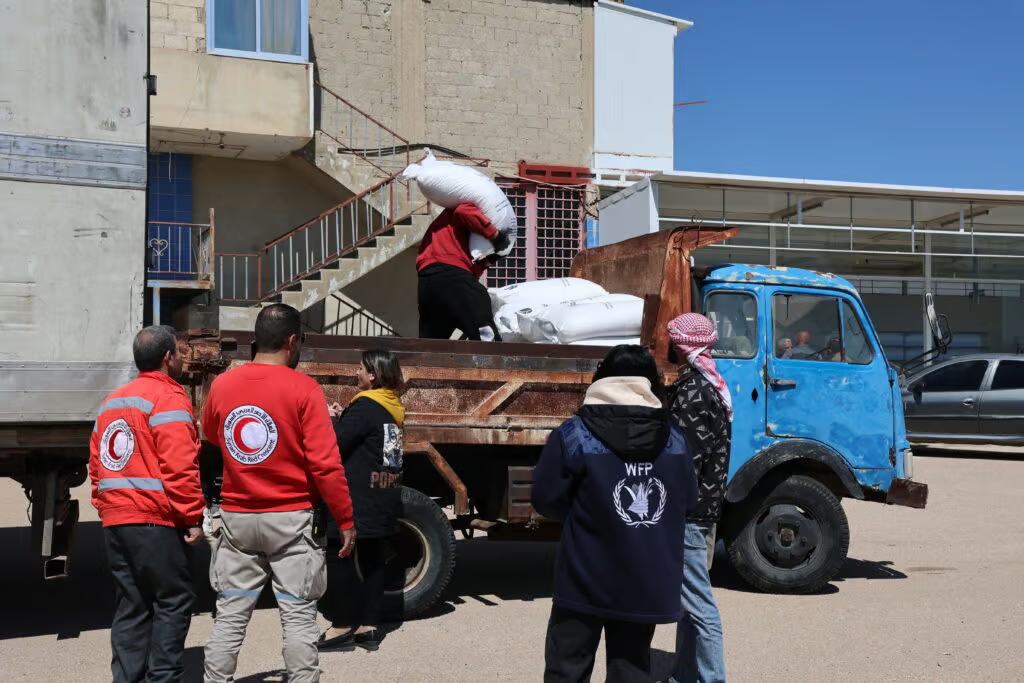
Critical funding shortfalls are forcing WFP to significantly scale back its operations in Syria.