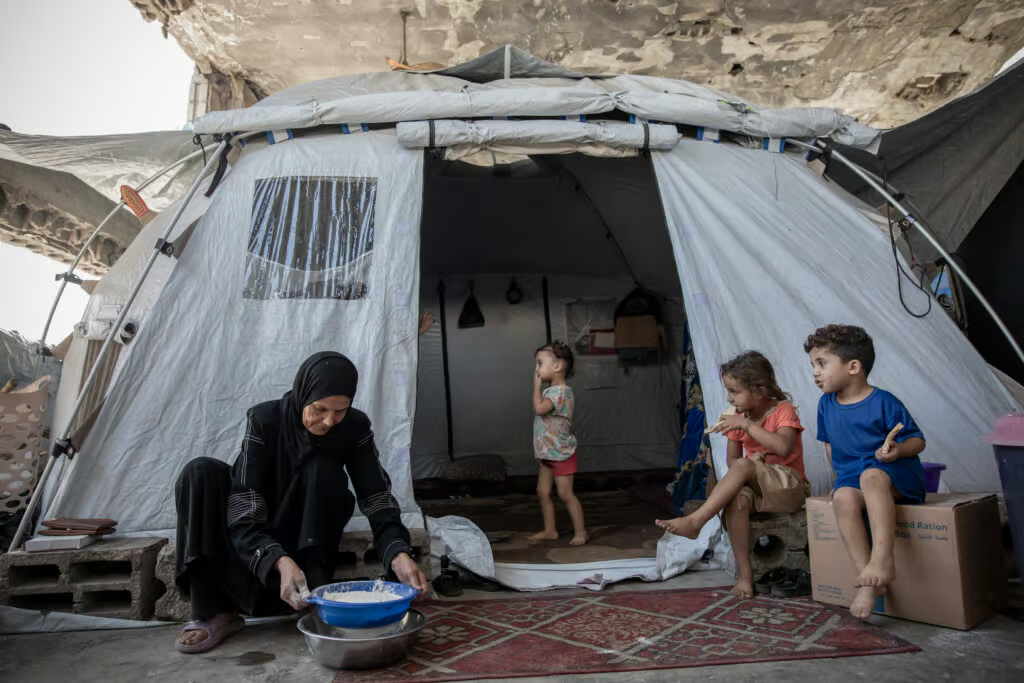
Funding cuts force WFP to drastically reduce lifesaving assistance in Gaza
WFP today announced that funding shortages have forced it to reduce food assistance in Gaza by around one-third.

WFP today announced that funding shortages have forced it to reduce food assistance in Gaza by around one-third.
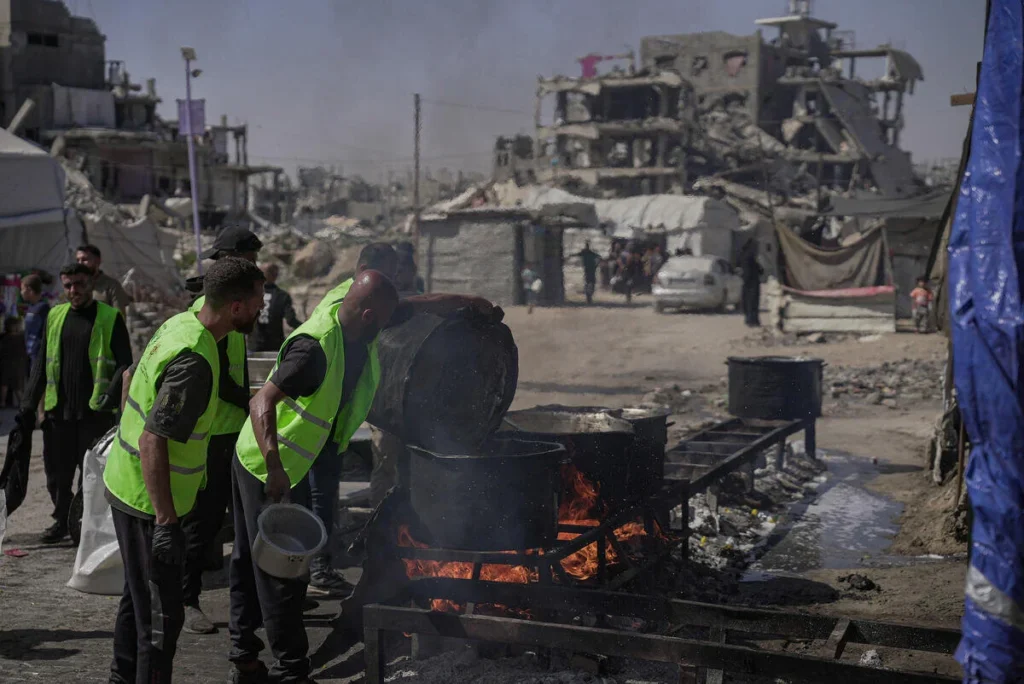
The latest IPC analysis for Gaza reveals both the impact of sustained humanitarian assistance and the scale of the challenges that remain.
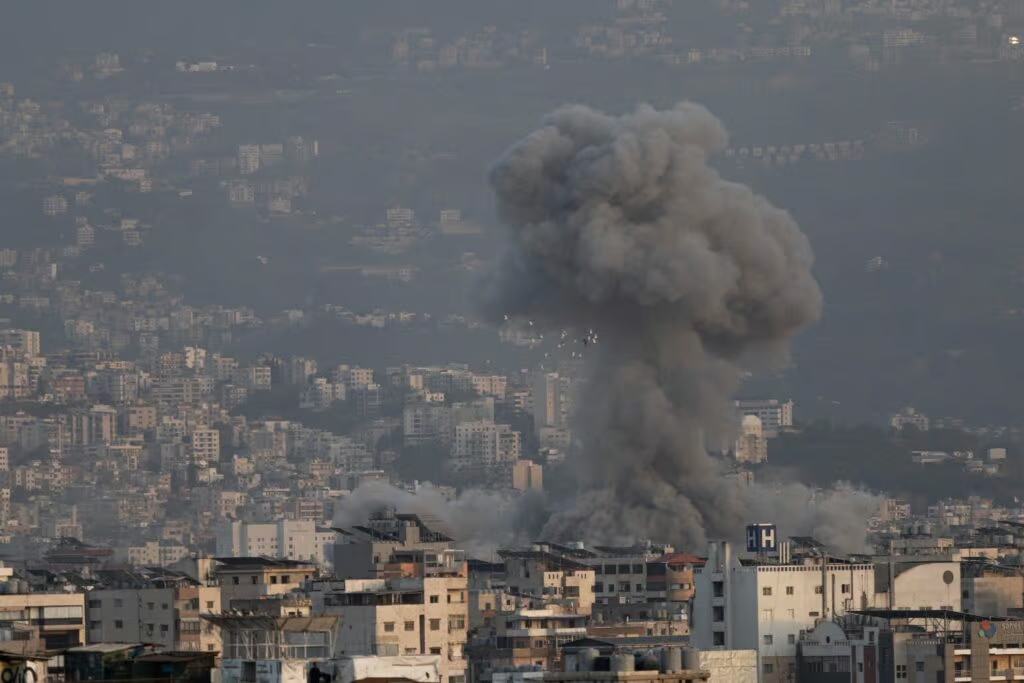
The recent escalation of conflict in the Middle East has triggered far-reaching consequences for communities both within and beyond the region. The crisis is rapidly evolving. Below,
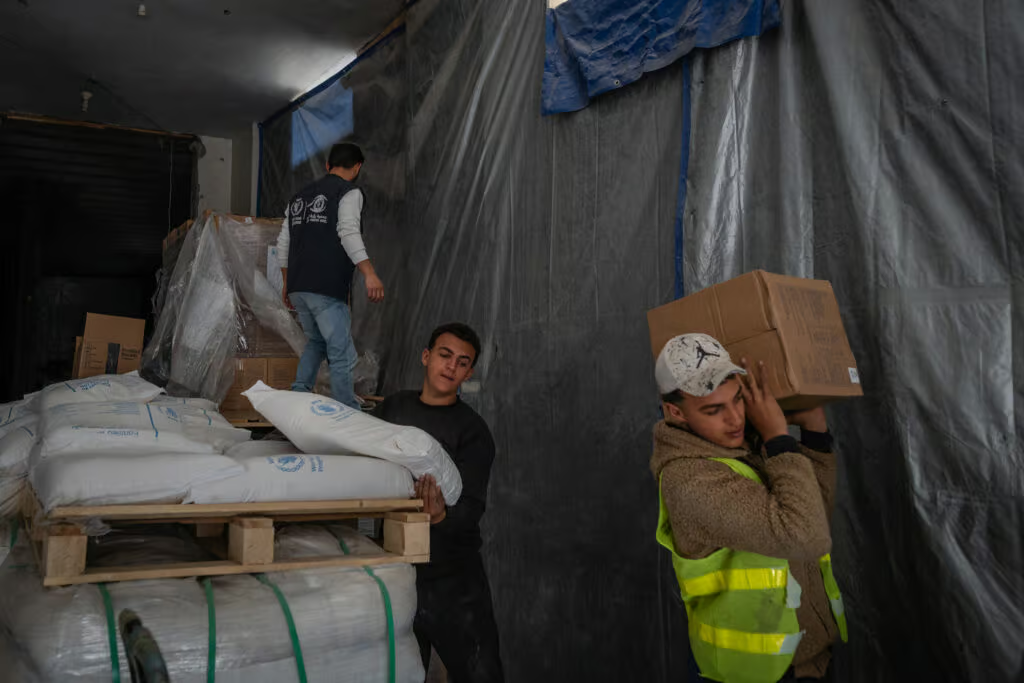
WFP is warning that surging food and fuel prices driven by the escalation of the conflict could have ripple effects that will worsen hunger.

Driven by ongoing security developments, the humanitarian situation across the Middle East is changing quickly. WFP is ready to scale up. They have activated emergency preparedness measures across the region, and they can move fast.
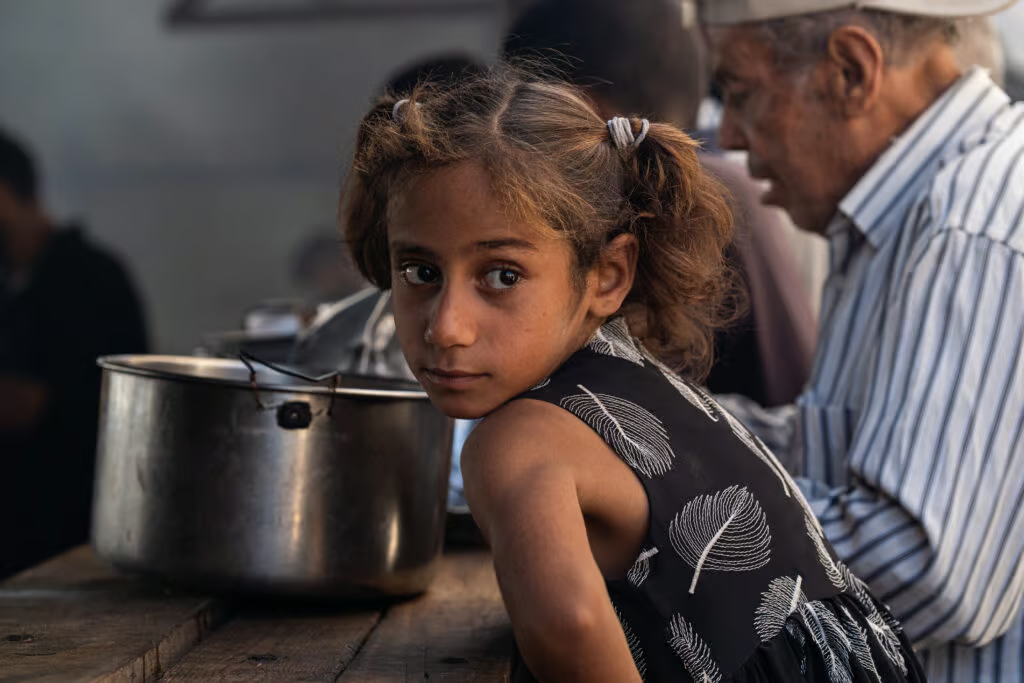
One hundred days into the ceasefire, the World Food Programme (WFP) has significantly expanded its lifesaving operations across the Gaza Strip, reaching more than 1 million people each month.

The latest IPC analysis for Gaza confirms that no areas of the Strip are currently classified in famine following the October ceasefire and improved humanitarian and commercial access.
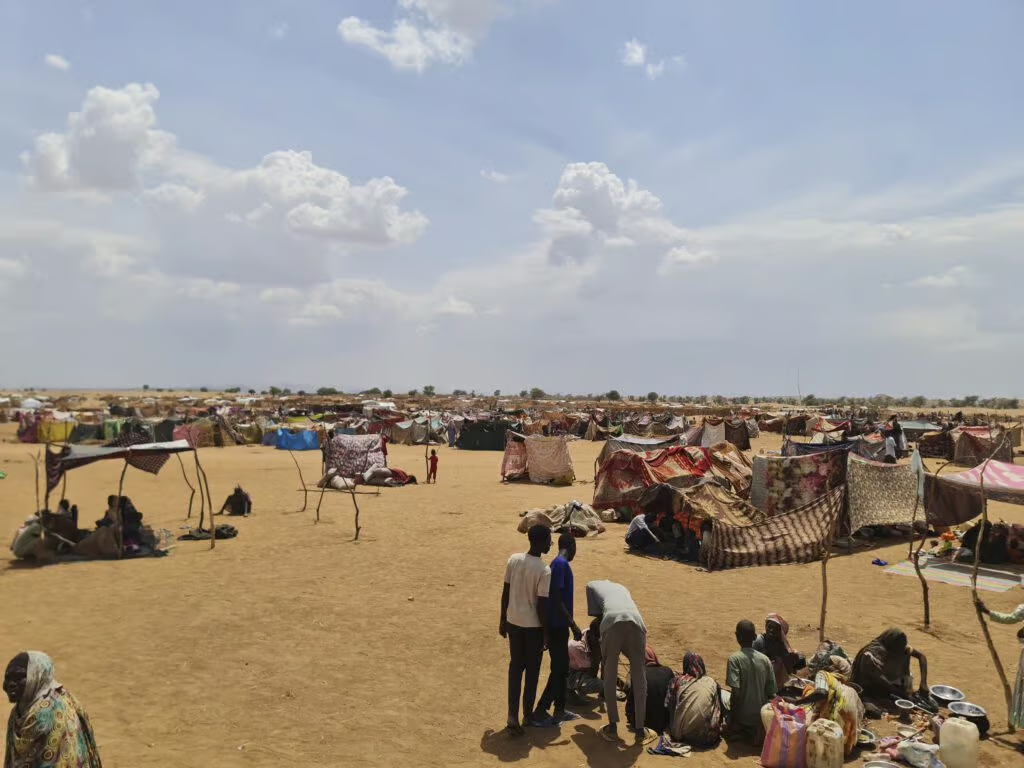
A new joint report by FAO and WFP warns that acute food insecurity is deepening in 16 hunger hotspots, which could drive more into famine.
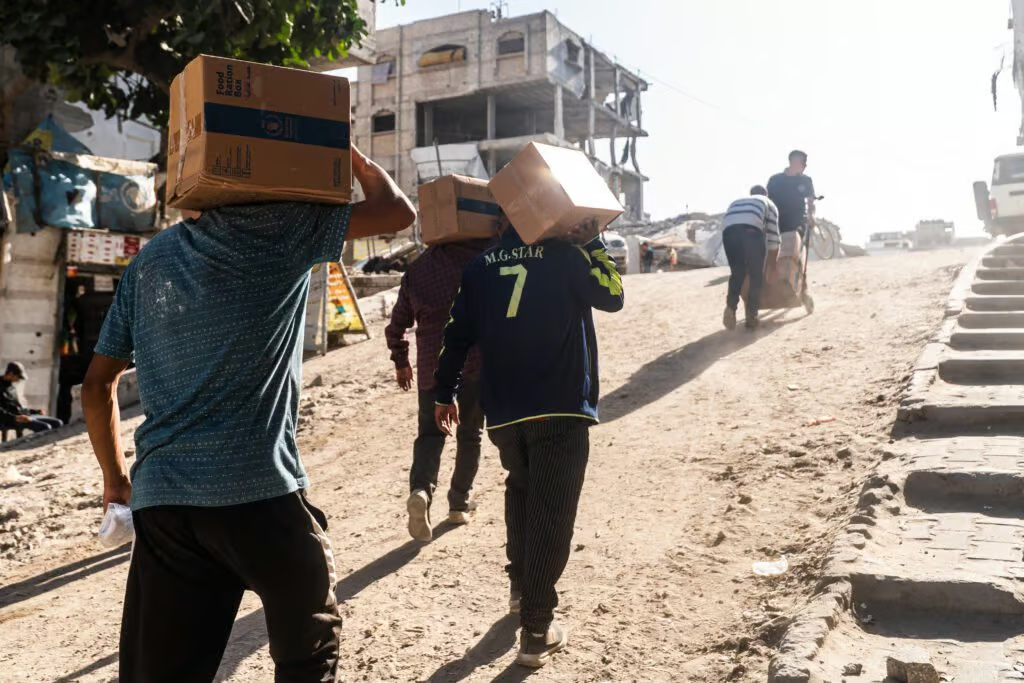
Three weeks into the ceasefire, WFP has distributed food packages to 1 million people in the Gaza Strip to push back hunger in the territory.
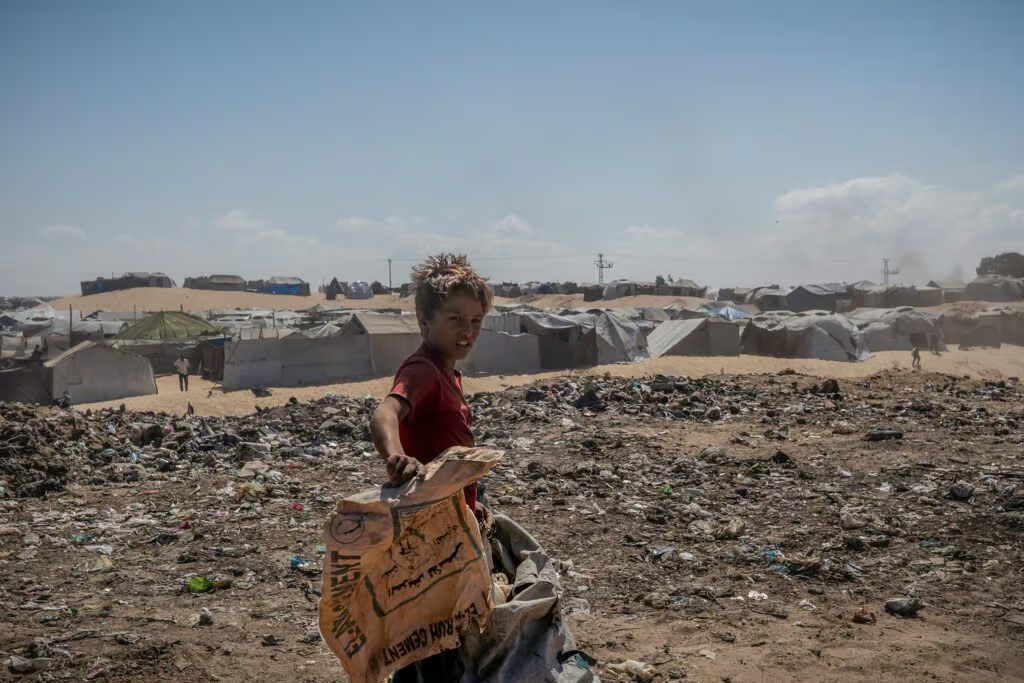
WFP has worked on the frontlines of the world’s most challenging emergencies. So why has delivering food into Gaza been so difficult?