The Number of Hungry Children on the Planet Keeps Rising: Here’s a Deep Dive Into What That Means
Here’s a look at our latest report on childhood malnutrition, and its crushing impact on babies and children.

Here’s a look at our latest report on childhood malnutrition, and its crushing impact on babies and children.
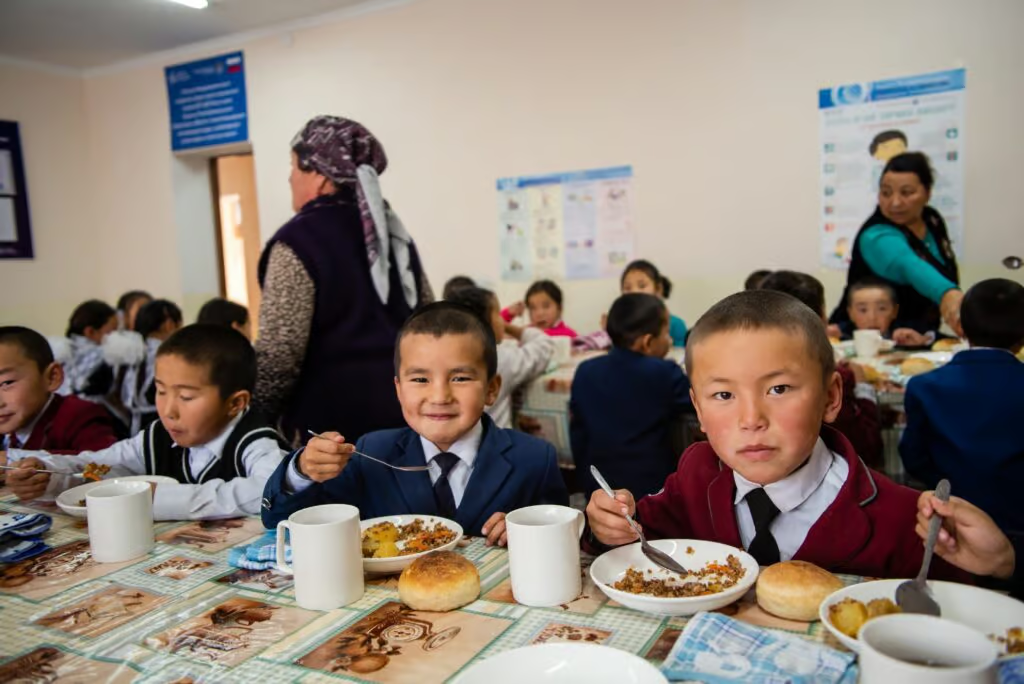
Carmen Burbano, Director of School Feeding at the World Food Programme, says we must rethink the entire education system or risk a “generational catastrophe.”
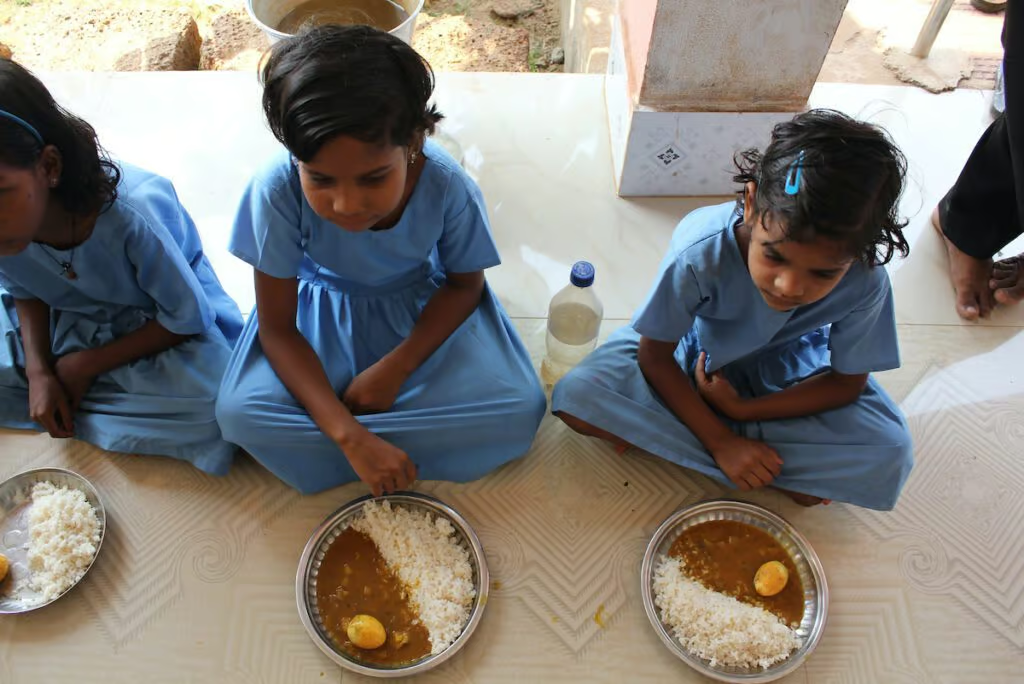
New food production plants across Uttar Pradesh could reach more than 3 million at-risk kids with nutritious take-home rations – and they’ll be led by rural women.
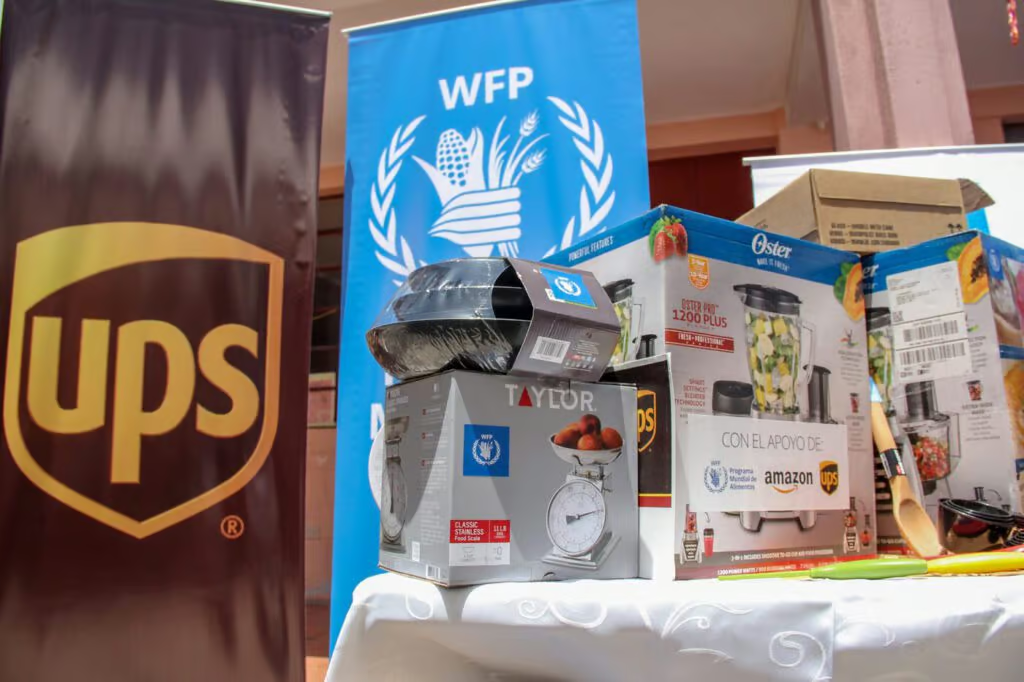
In support of WFP’s work to strengthen the government’s school feeding program, Amazon’s cooking supplies will benefit 500 Guatemalan schools, serving approximately 100,000 food-insecure students.
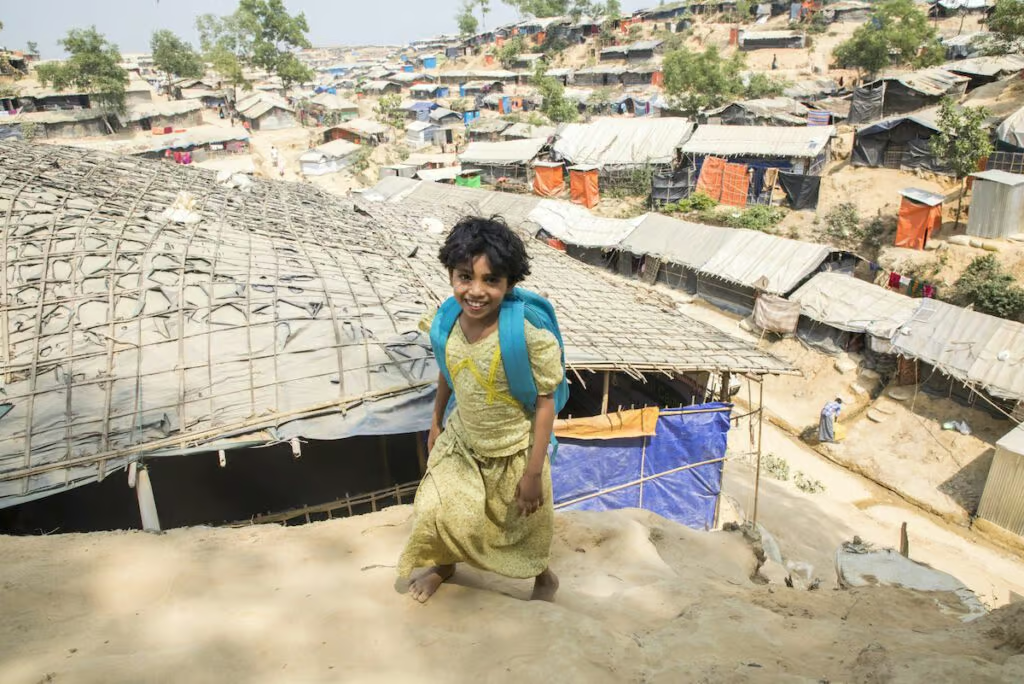
When kids living through war and displacement drop out of school, that often means missing the school meals that might be their only real source of nutrition. Here are a few bite-sized solutions.
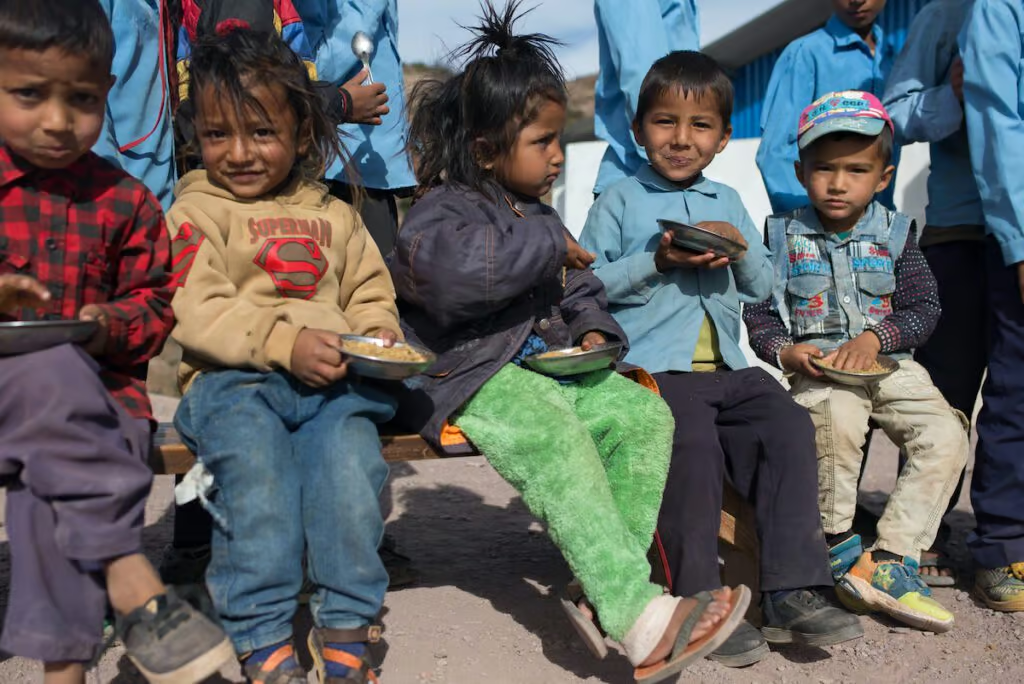
More than 2 million kids in Nepal have been missing out on the nutritious lunches they used to receive at school during the coronavirus shutdowns – the only meals many of them could count on.
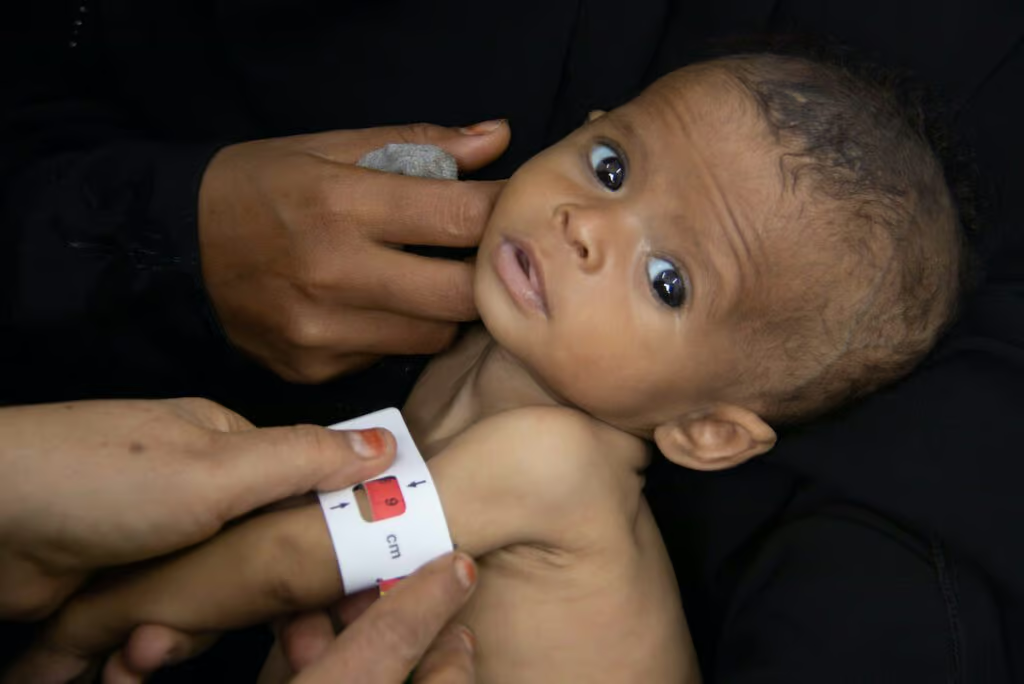
There is no time to wait. The choices we make today will determine millions of children’s futures for months, years and decades to come.
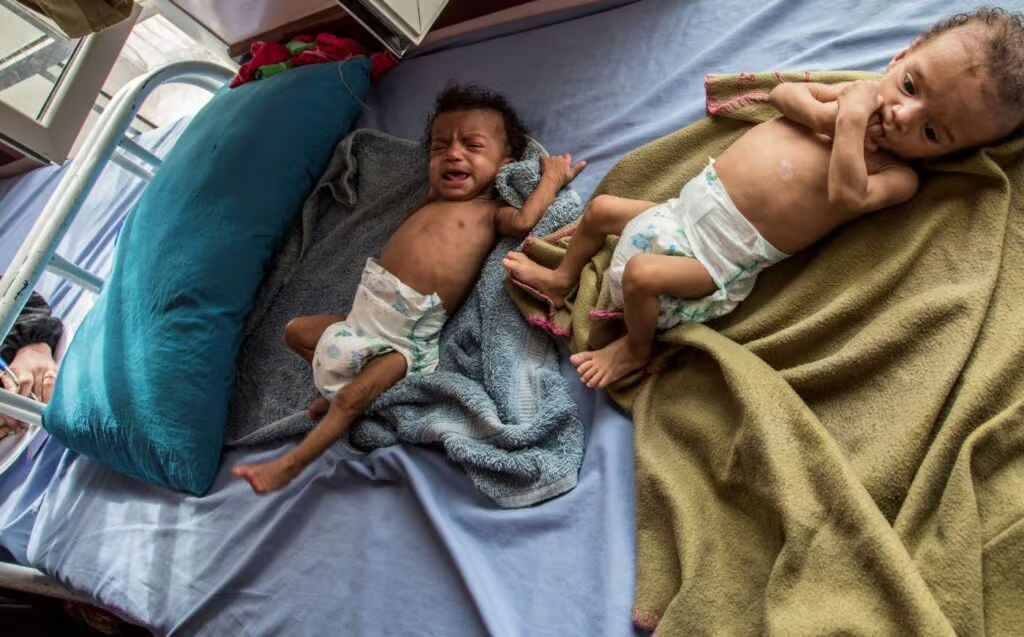
What does malnutrition do to the body of a young child? The effects are devastating, with lifelong consequences for children and their communities. Here are seven of their stories.
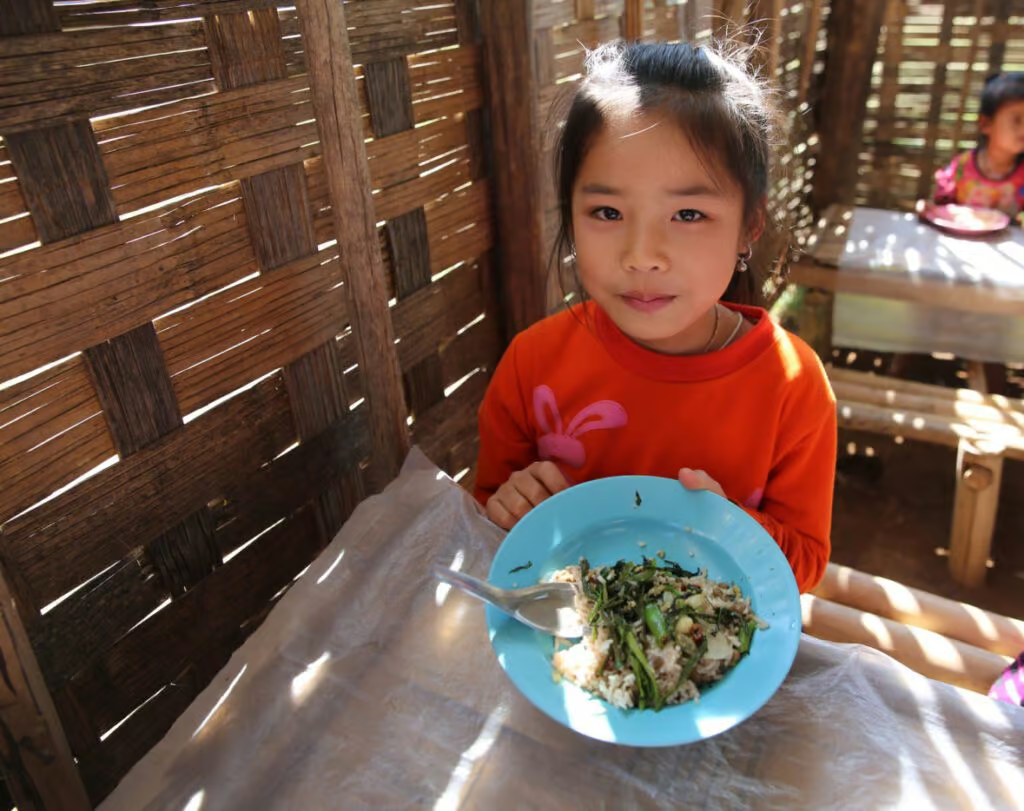
A shipment of rice and lentils has arrived to Laos from the US: the donation will feed kids in Laos once schools reopen in September.

WFP has teamed up with the Bangladeshi Government to make sure kids missing school meals during COVID-19 shutdowns are getting the nutrition they need.