Food, Feed & Fuel: What’s Behind the Recent Rise in Global Food Prices?
What is driving the current rise in food prices and how does it affect the world’s most vulnerable people?

What is driving the current rise in food prices and how does it affect the world’s most vulnerable people?

Humans – and our food systems – waste a staggering amount of food. It’s a global mess, and one we need to face head on if we’re going to win the fight against hunger.

When violence broke out in Roda’s hometown of Gumuruk, the local market was stripped down with her teashop in tow. In one day, Roda lost all the investment that she had worked so hard to build over a year.
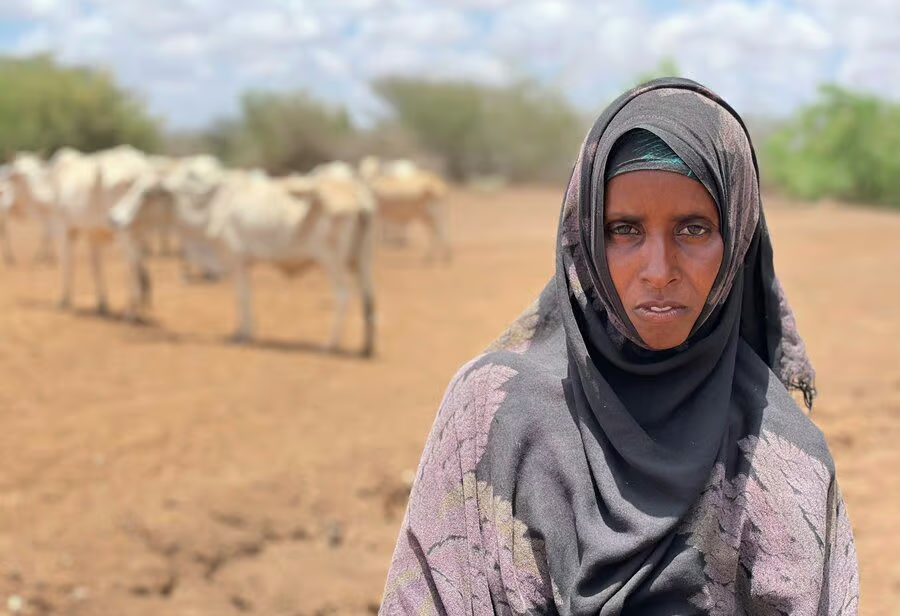
“People affected by the climate crisis do not have the luxury to wait until the world’s changed course on greenhouse gas emissions.”

New findings indicate the food crisis in the Democratic Republic of the Congo shows little sign of abating and could worsen in the coming months without scaled-up assistance.
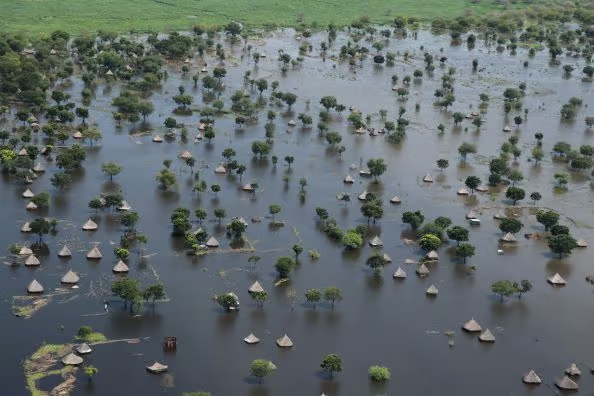
WFP is scaling up support for people impacted by the third consecutive year of record floods that are battering South Sudan.
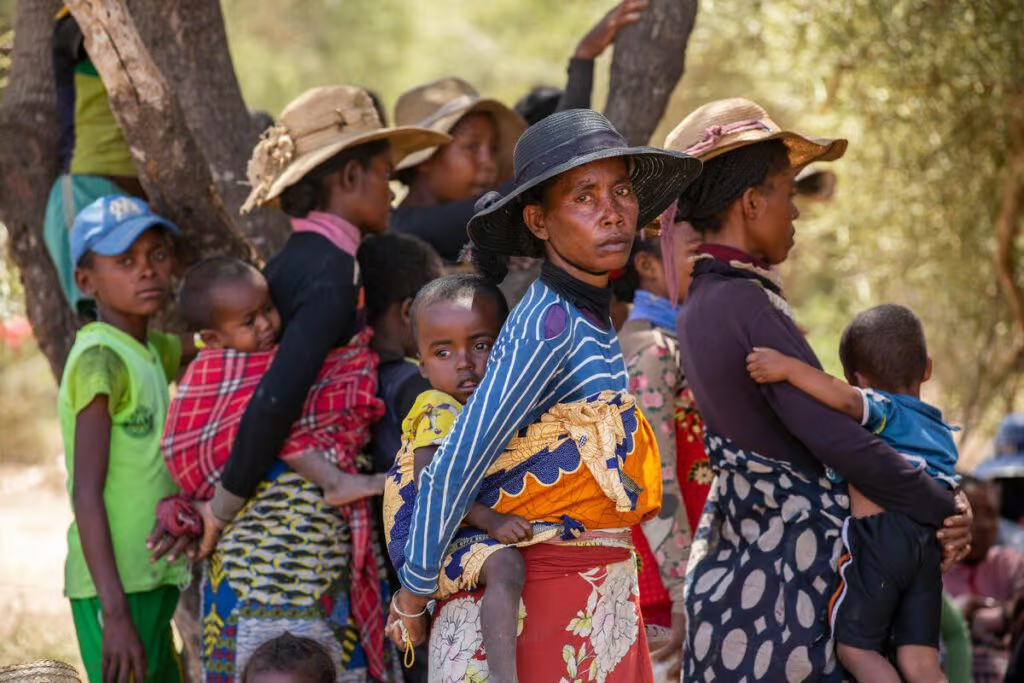
WFP warns today hat the number of people teetering on the edge of famine in 43 countries has risen to 45 million, as severe hunger spikes around the world.

$6.6 billion would reel 42 million people back from the precipice, by providing a meal a day for the next year. Without immediate emergency food assistance, they will face starvation.

Trust among donors, partners and supporters is key to the success of WFP’s work – being an open book is how we maintain it.
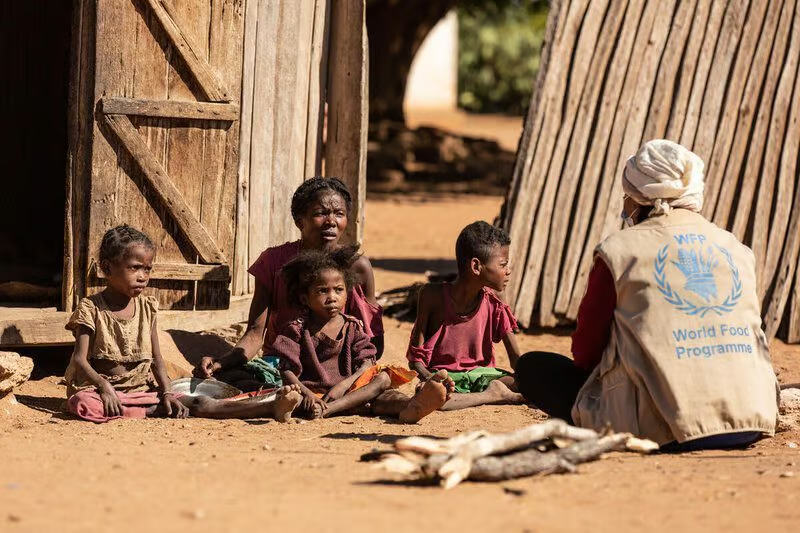
WFP’s Climate and Disaster Risk Reduction Chief Gernot Laganda on the common solution to two great problems: the climate crisis and global hunger.