Government of Bangladesh and WFP Working Together to Lift Rural Women Out of Extreme Poverty
With an investment of $72 million, the Government is set to reach 100,000 women with livelihood training, behavior change education and food assistance.

With an investment of $72 million, the Government is set to reach 100,000 women with livelihood training, behavior change education and food assistance.
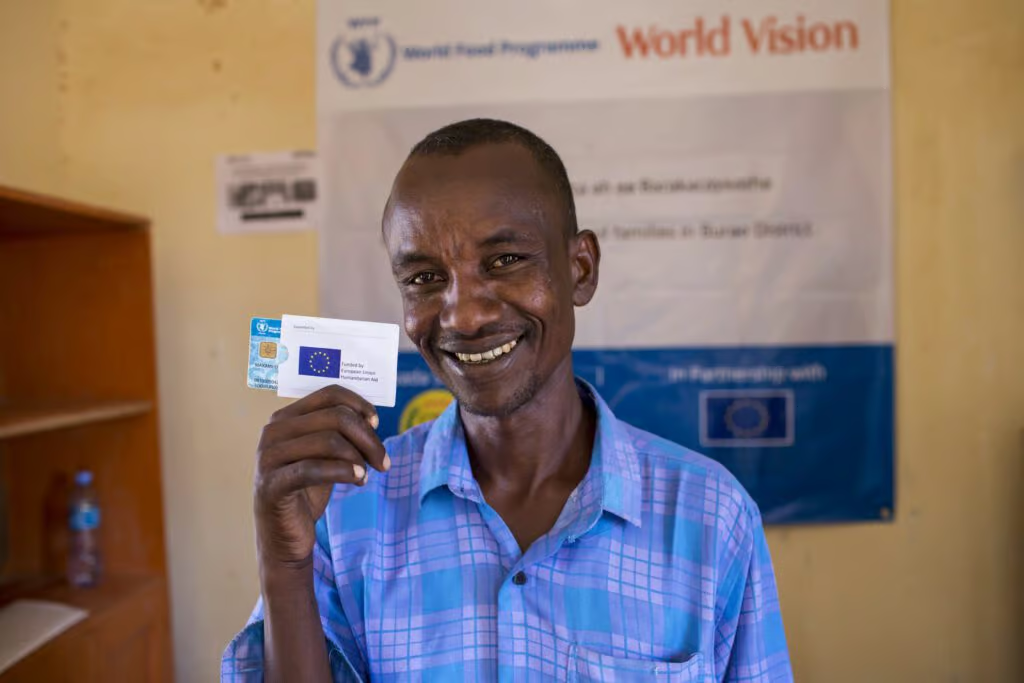
This first-of-its-kind data exchange involves IOM’s BRaVE and WFP’s SCOPE systems, which will improve efficiency in the delivery of assistance.

Flooding affects millions of people in Congo. We look back at using advanced analytics for flood response there.

WFP’s Dalili App is innovating humanitarian assistance and empowering Syrian refugees in Lebanon.
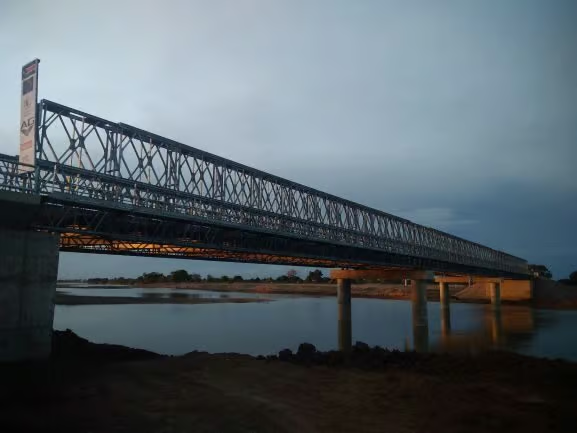
The 400-foot long bridge will connect tens of thousands of people and is key not only for humanitarian operations but is expected to boost farm-to-market access and commercial activities in the region as well.
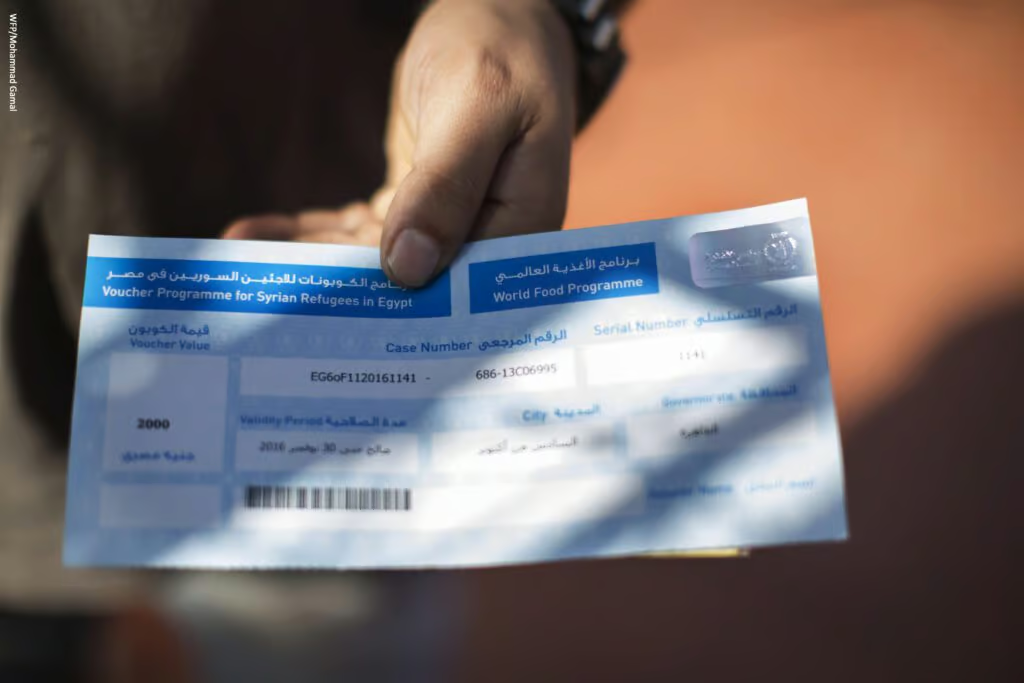
Recent results from WFP’s food security analysis show that WFP food assistance has lifted more than one third of targeted refugees above the national income poverty line and has significantly contributed to their food security status.

Learn how WFP is delivering hope to families facing famine — and how one foundation of aviation experts is helping make this work possible.
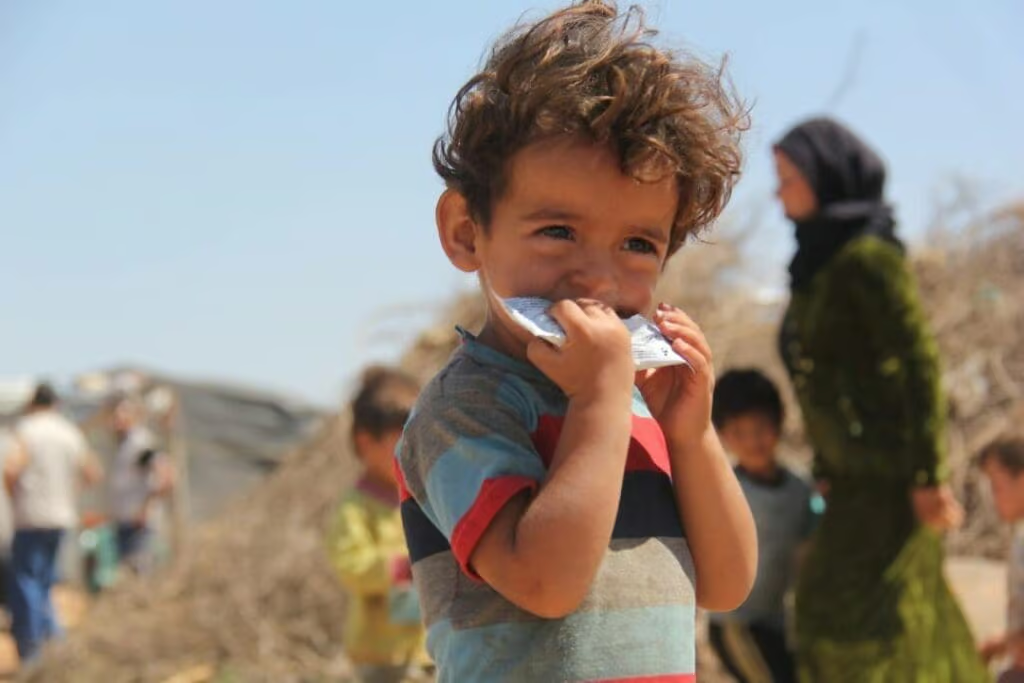
Escalating violence in southern Syria continues to displace families from their homes.
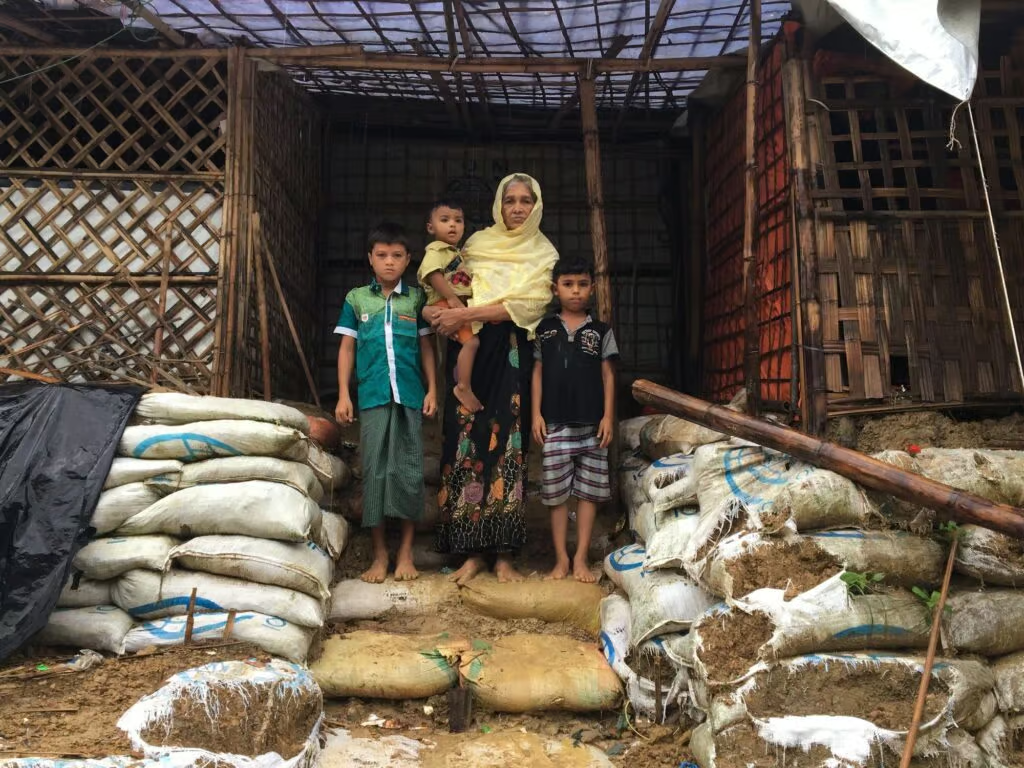
In Bangladesh, saving lives means making sure that every Rohingya refugee has the food they need to survive.
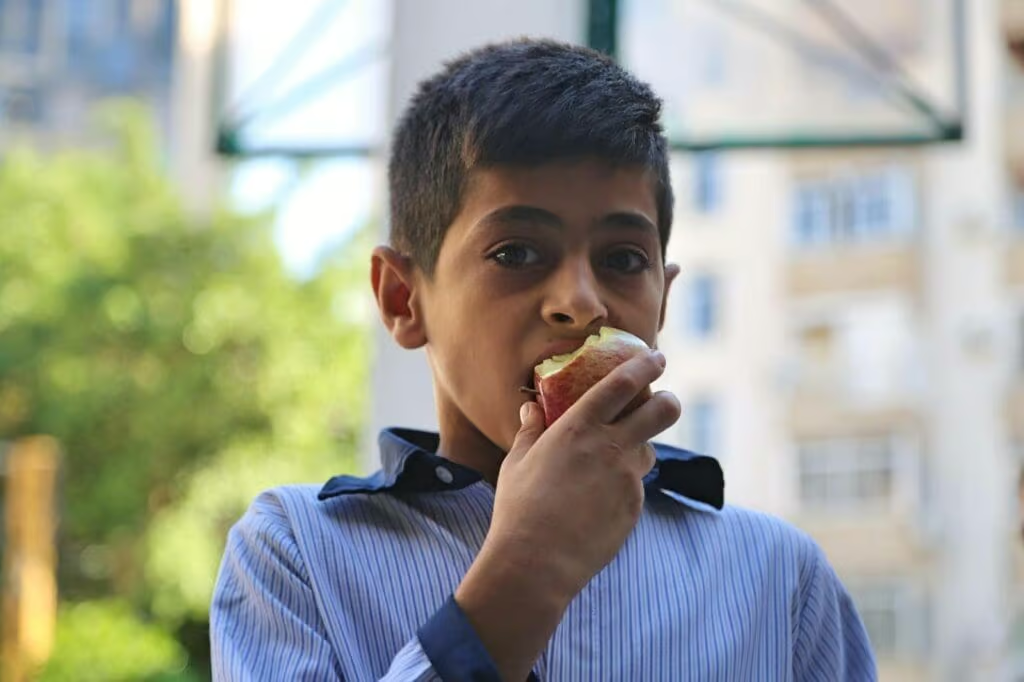
For Syrian refugees, many rest easy knowing what their children will enjoy when they walk through the doors of their classrooms far away from home: a nutritious school meal.