Exploited and Trafficked: Education Saves Girls in India and Bangladesh From Gender-Based Violence
This World Food Day, World Food Program USA is proud to announce two new grantees for the Catherine Bertini Trust Fund for Girls’ Education.

This World Food Day, World Food Program USA is proud to announce two new grantees for the Catherine Bertini Trust Fund for Girls’ Education.
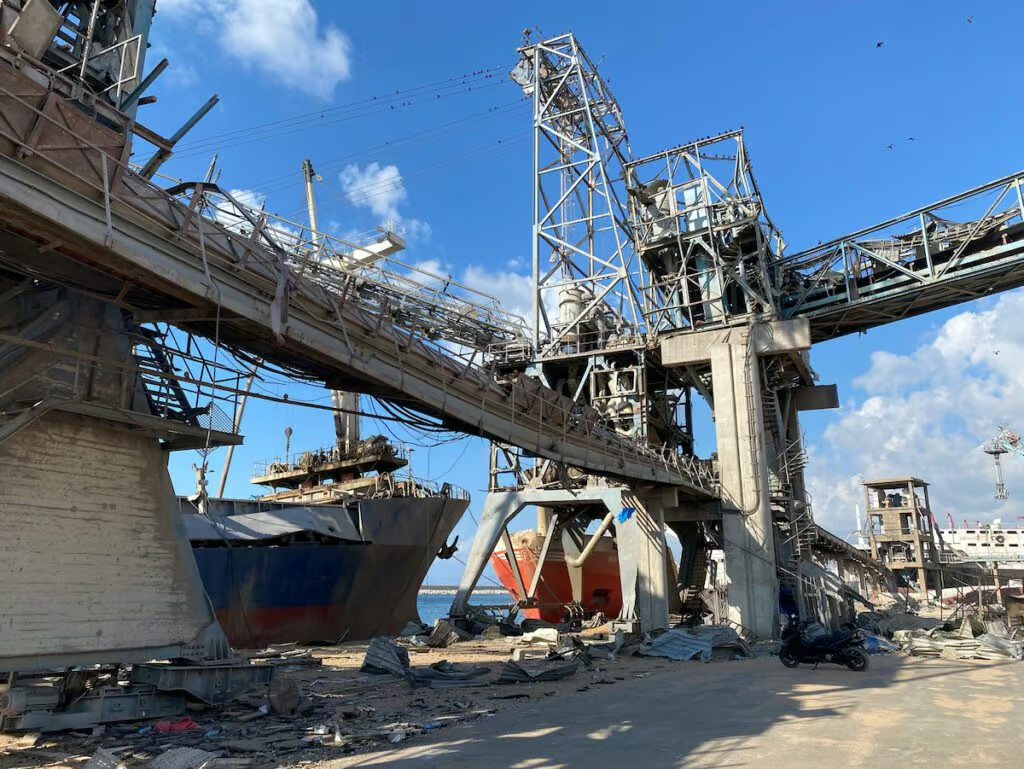
We’ve been on the ground since the blast assisting those most in need with food parcels, hot meals and now, cash.

Hungry Nigerian families are being plunged deeper into poverty during coronavirus. We’re getting creative with our delivery solutions.

Zimbabweans were already struggling with climate- and recession-caused hunger when COVID-19 hit. We’re getting cash to families across the country – and quickly.
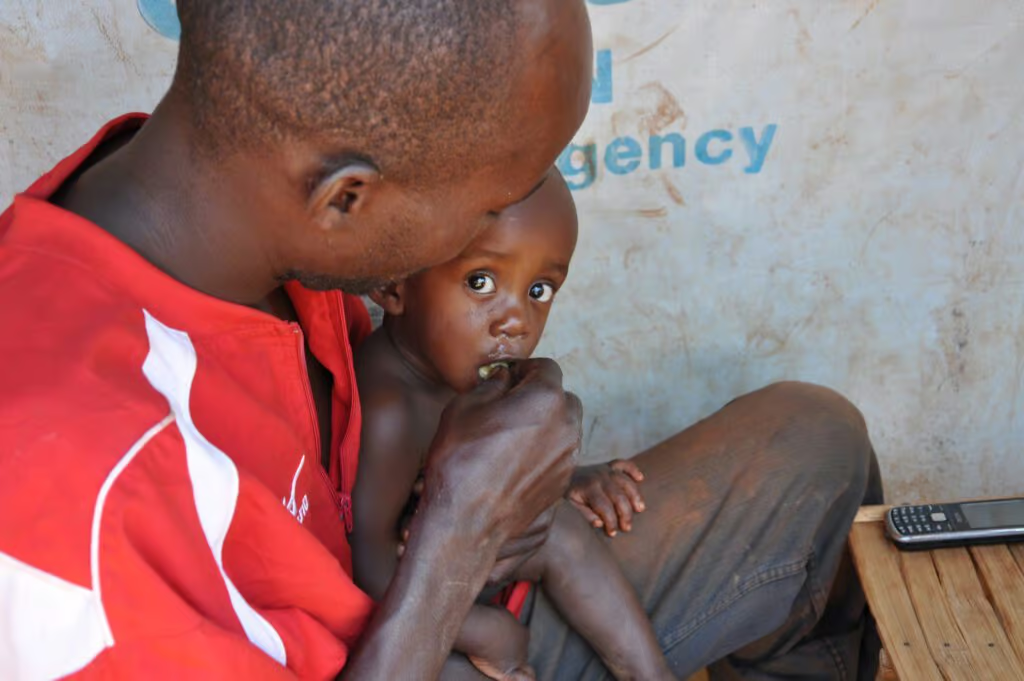
This is what happens when you take 240,000 refugees in Tanzania, mix in the latest digital solutions, and then feed the data into cutting-edge visualization tools.
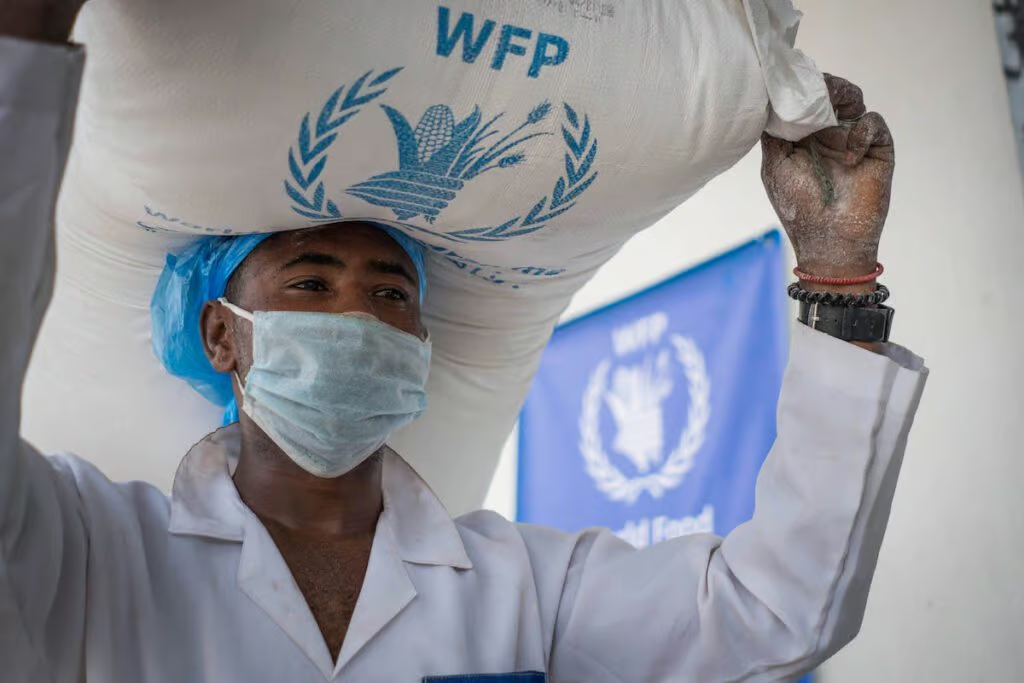
Yemen is one of the most complex operating environments in the world, and millions are suffering. We need increased funding to help the country turn a corner.
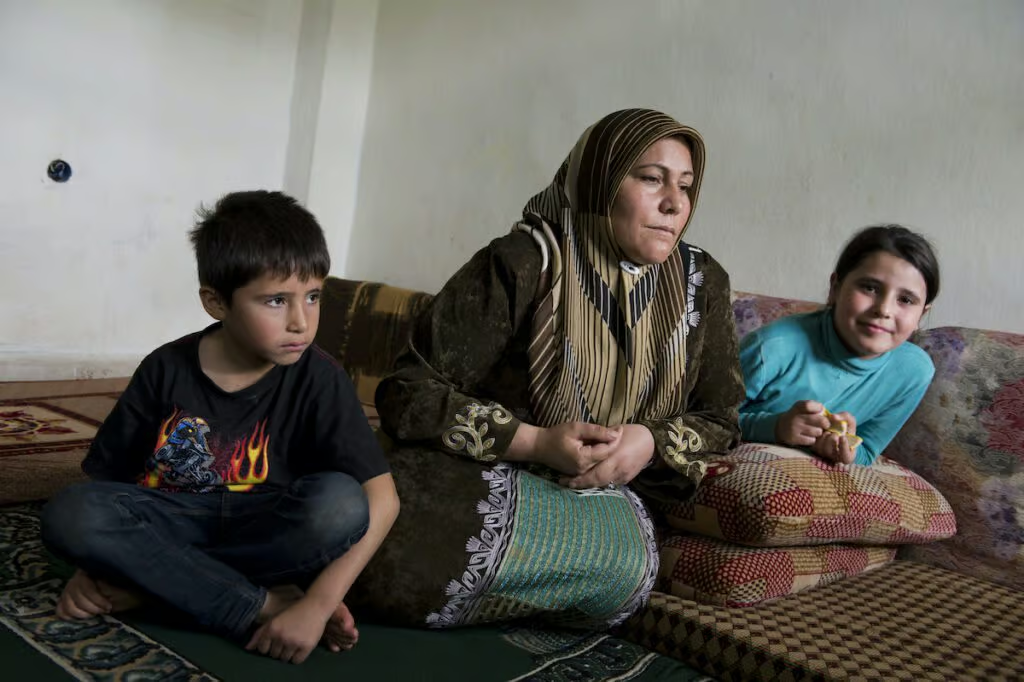
After the devastating blast hit Beirut, Lebanese families are even more desperate for a safety net. We’re stepping in to help them get through each month with e-cards.
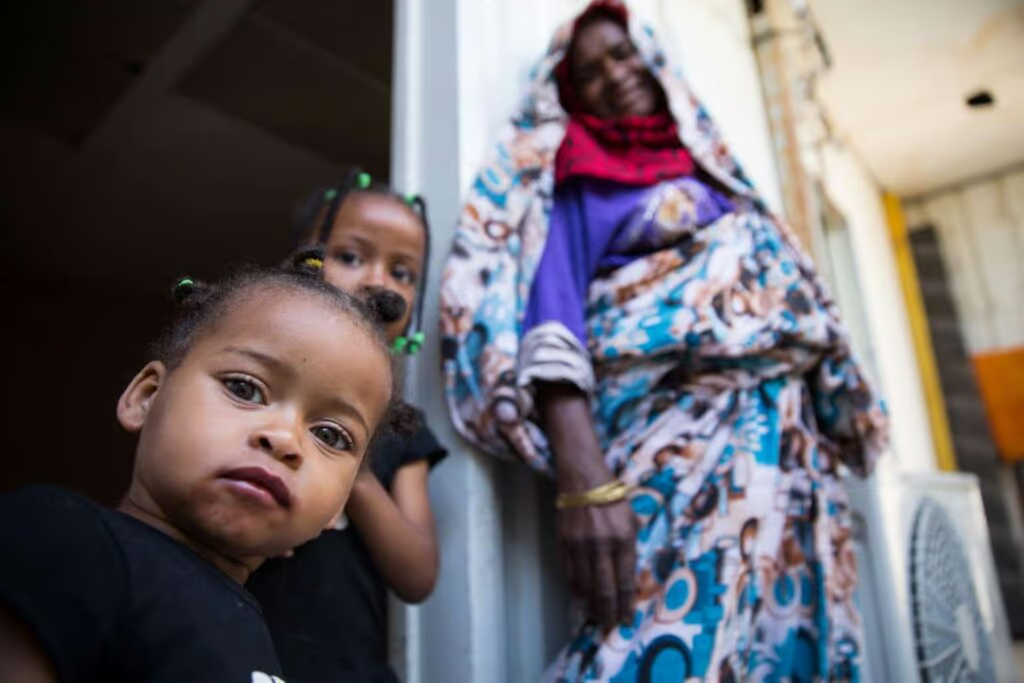
With food prices skyrocketing in Libya during the pandemic, we’re scaling up to get locally produced, ready-to-eat food to the people who need it most.
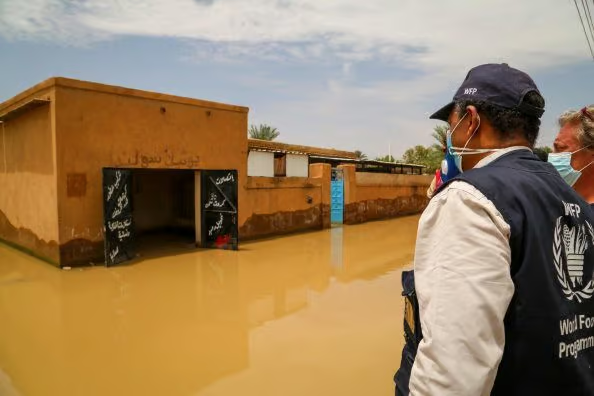
The flooding is the worst Sudan has seen in nearly a century. We’re scaling up to help thousands of devastated families across the country.
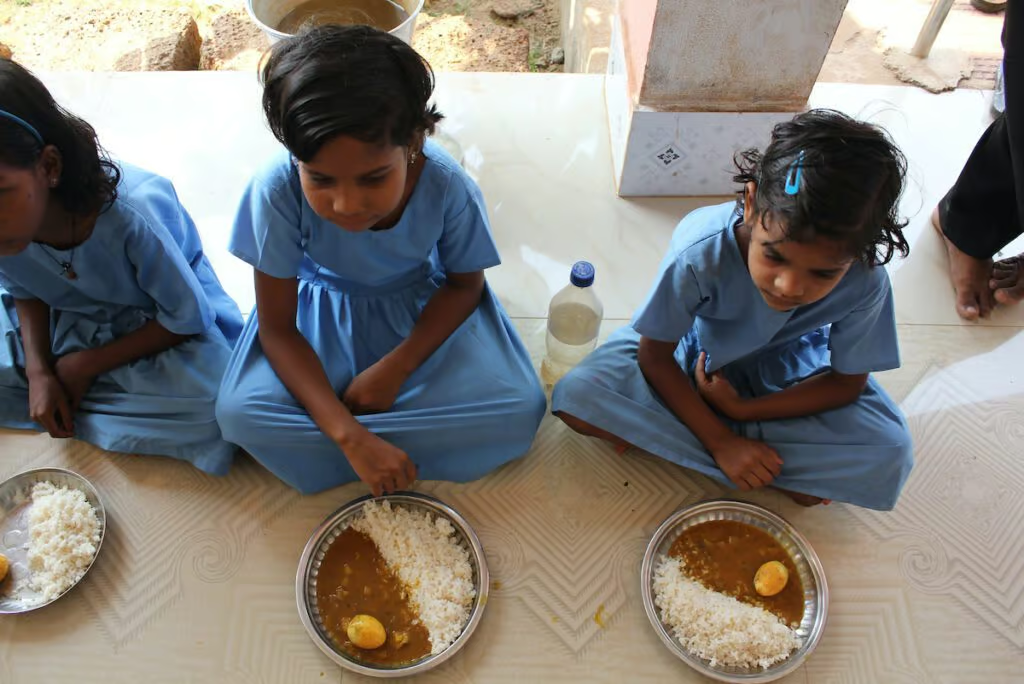
New food production plants across Uttar Pradesh could reach more than 3 million at-risk kids with nutritious take-home rations – and they’ll be led by rural women.