The Future of International Relief: Co-Creation With the Private Sector
As we move into the next decade, we need to re-imagine how we do our work. What technologies and approaches could we develop in the future to solve humanitarian crises?

As we move into the next decade, we need to re-imagine how we do our work. What technologies and approaches could we develop in the future to solve humanitarian crises?

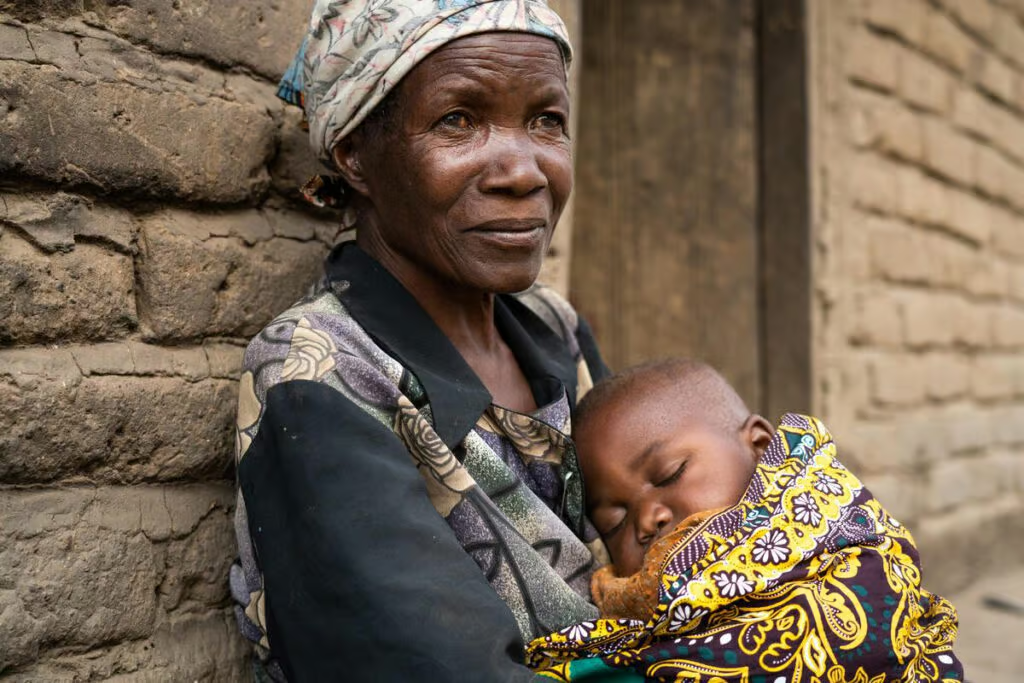
Fish farming, micro-irrigation and flood-control barriers: we’re working with communities in Malawi to make sure they can feed themselves and withstand climate shocks.
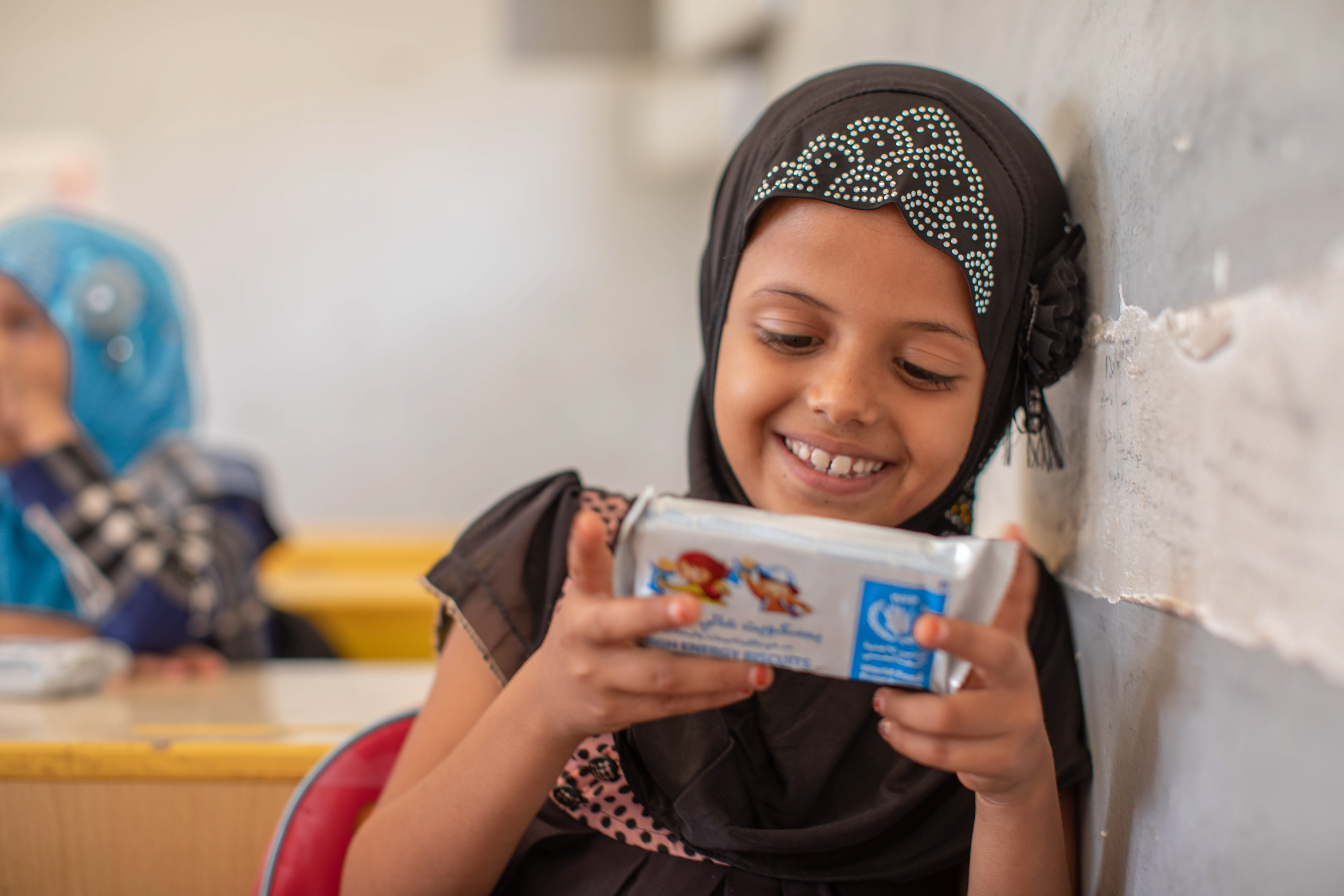
The money will enable WFP to feed about 841,000 children, which couldn’t come at a more critical time after COVID-19 closures.

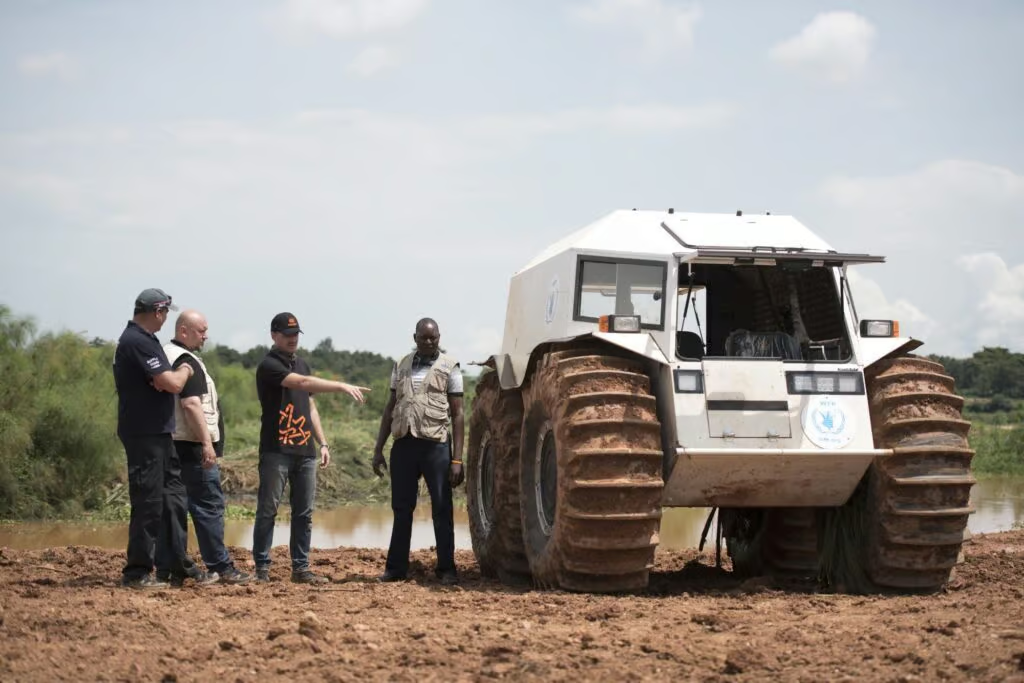
Meet the river fording, jungle trekking, all-terrain vehicle that’s helping us get food to people in the most remote places.Â

This generous new grant will support pilot programs to improve the nutritional quality of meals, including school “nutri-gardens” that will help kids learn about gardening.

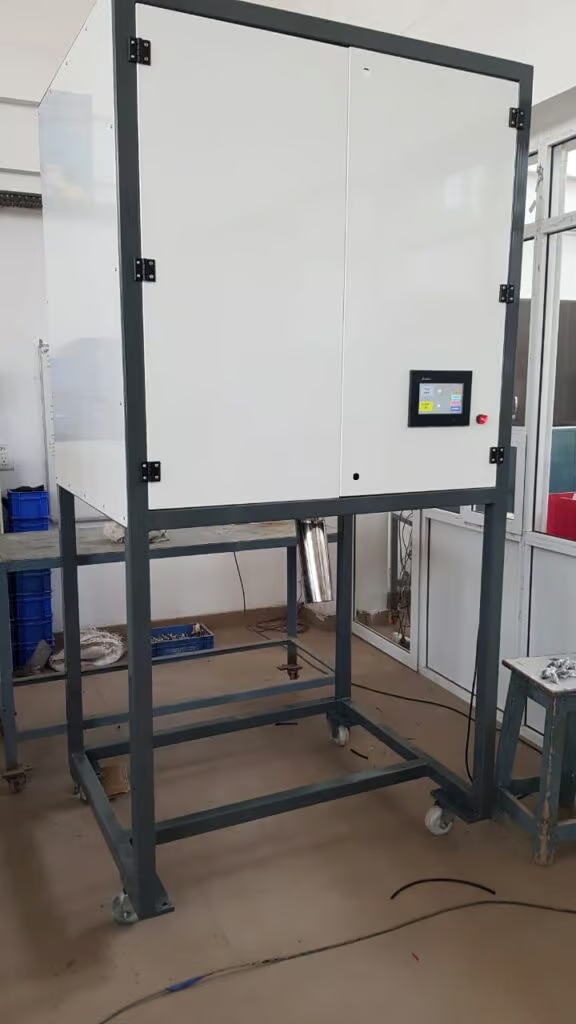
An ATM that dispenses food, a simple moisture meter, and an air-tight bag: these seemingly simple innovations could be game-changers for disrupting hunger around the world.

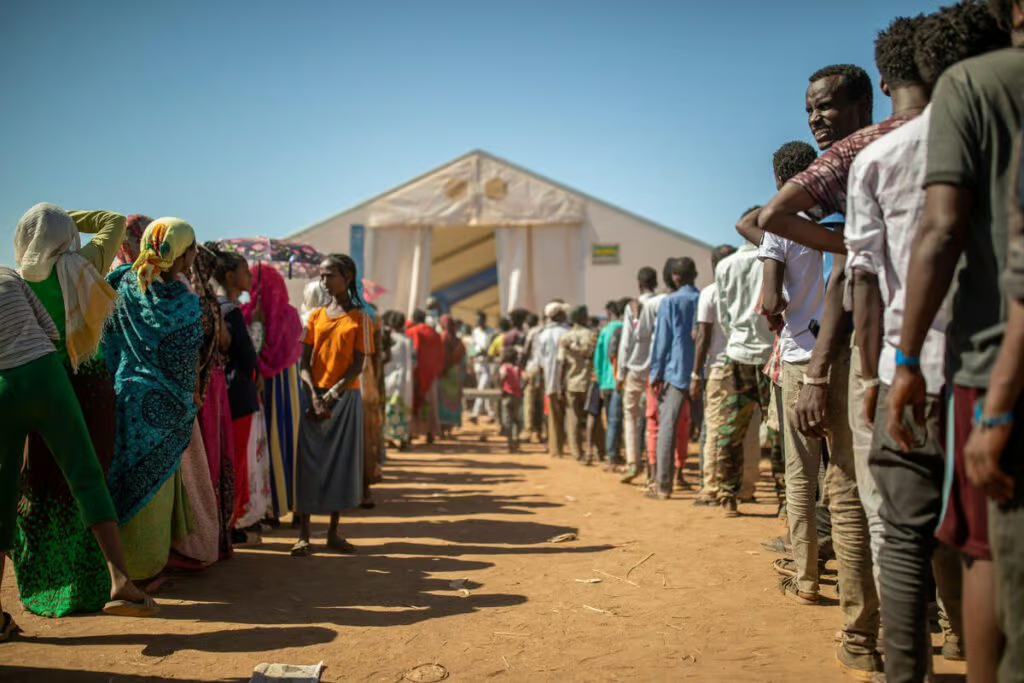
The number of acutely hungry people in the world may increase by more than 100 million this year, and some countries could be headed for famine.

Her Future Coalition and Speak Up for the Poor will receive grants to expand their programs and make an even greater impact on the lives of the women and girls they serve.Â

This World Food Day, World Food Program USA is proud to announce two new grantees for the Catherine Bertini  Trust Fund for Girls’ Education.

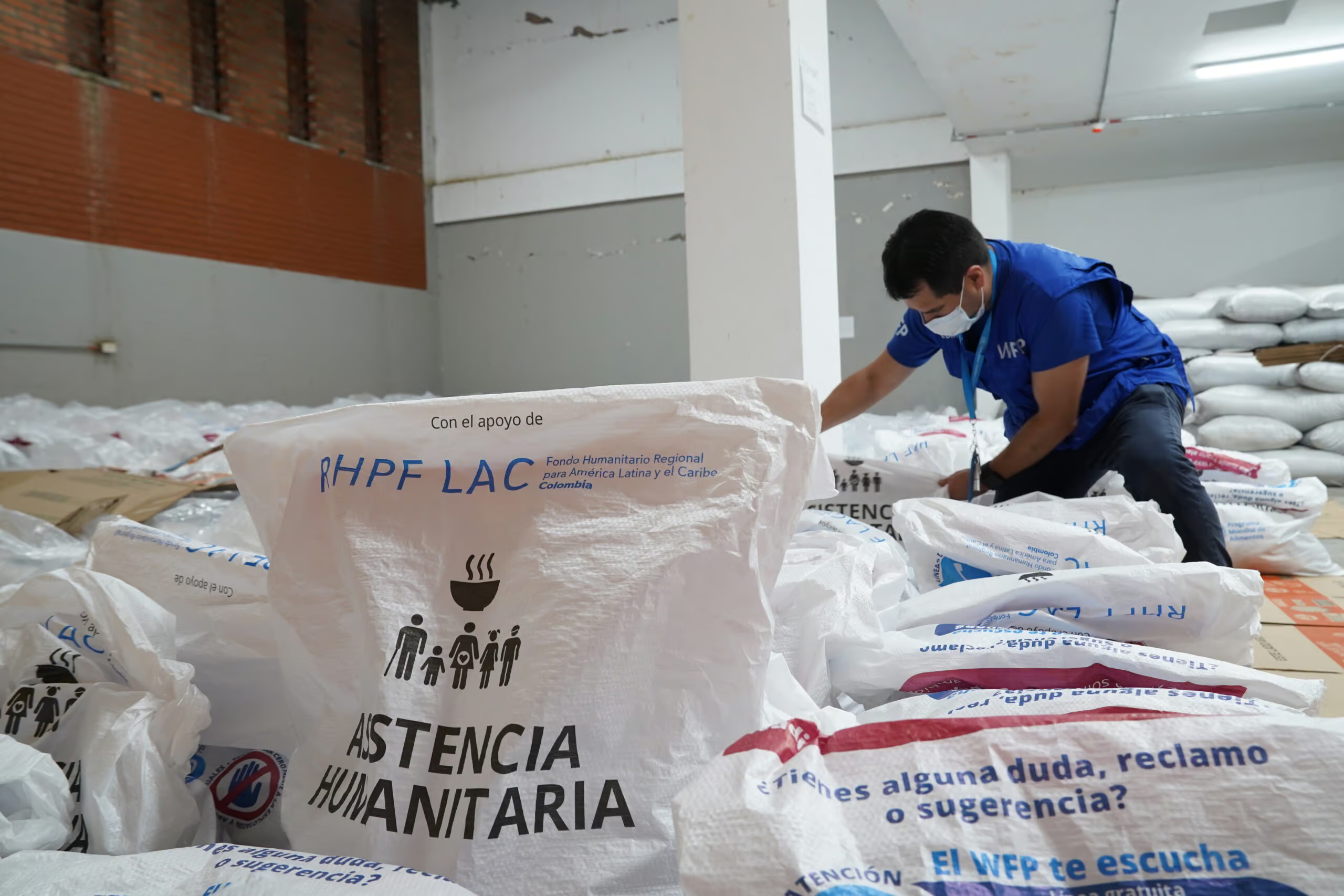
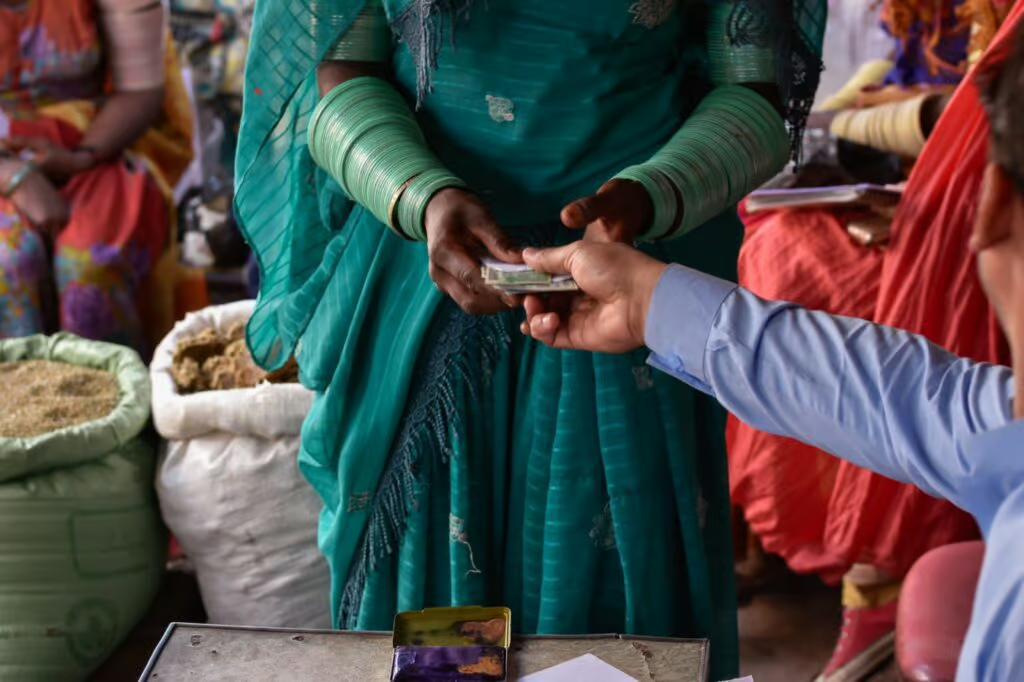
We’ve been on the ground since the blast assisting those most in need with food parcels, hot meals and now, cash.