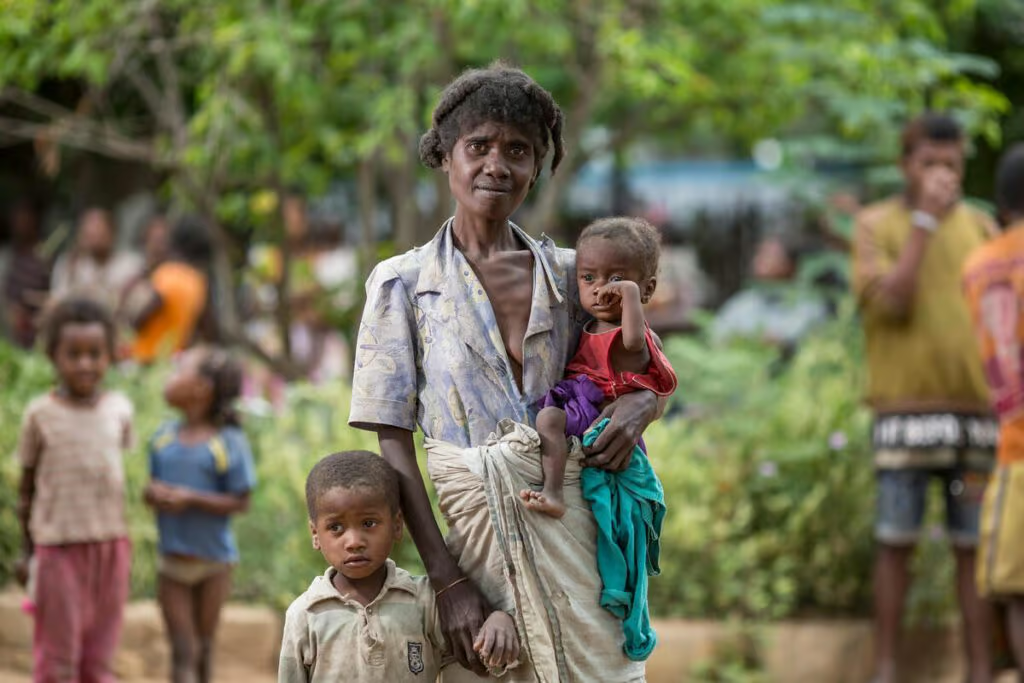
Humanitarian Crisis Looms in Southern Madagascar as Drought and Pandemic Double Number of Hungry People
With malnutrition rates spiraling and children forced to beg to help their families eat, urgent action is needed to prevent a crisis.

With malnutrition rates spiraling and children forced to beg to help their families eat, urgent action is needed to prevent a crisis.
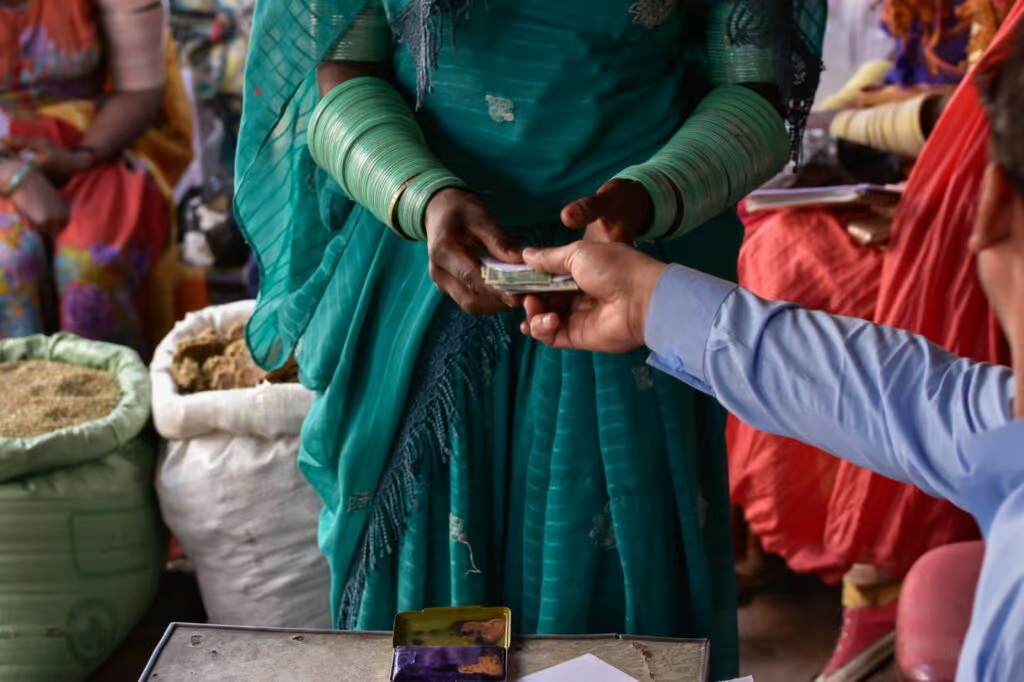
In some of the most remote parts of the world, blockchain technology is helping WFP to feed the hungriest people. It’s secure to use, offers privacy and is quickly scalable.

Technology is changing the future of work, and there’s no reason refugees should be left behind in the process. Enter EMPACT.
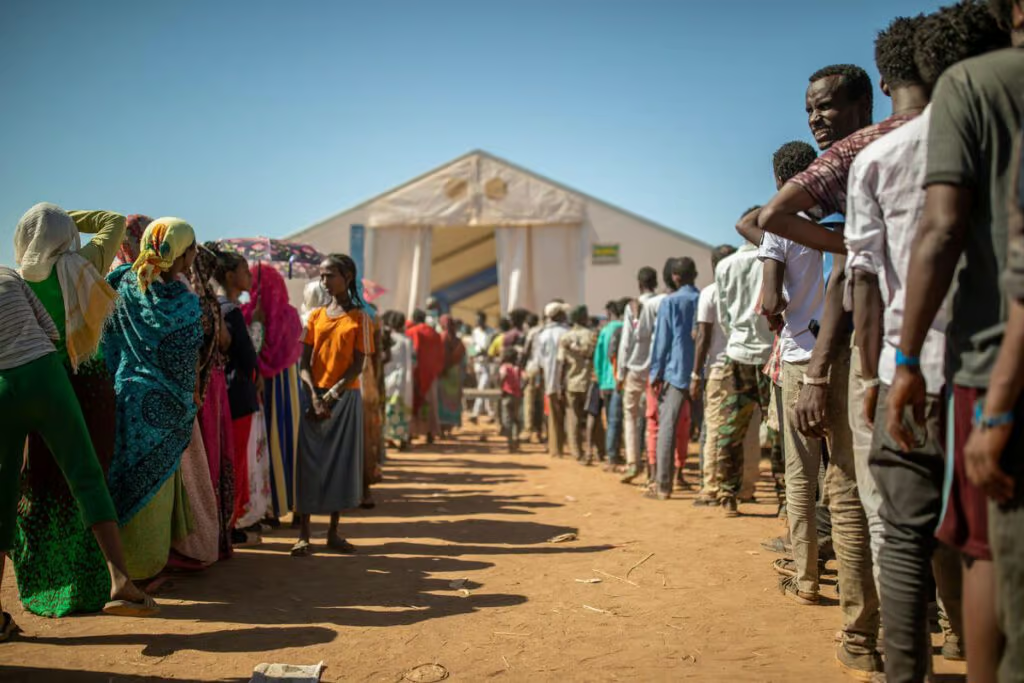
As we move into the next decade, we need to re-imagine how we do our work. What technologies and approaches could we develop in the future to solve humanitarian crises?

Fish farming, micro-irrigation and flood-control barriers: we’re working with communities in Malawi to make sure they can feed themselves and withstand climate shocks.

The money will enable WFP to feed about 841,000 children, which couldn’t come at a more critical time after COVID-19 closures.

Meet the river fording, jungle trekking, all-terrain vehicle that’s helping WFP get food to people in the most remote places.

This generous new grant will support pilot programs to improve the nutritional quality of meals, including school “nutri-gardens” that will help kids learn about gardening.
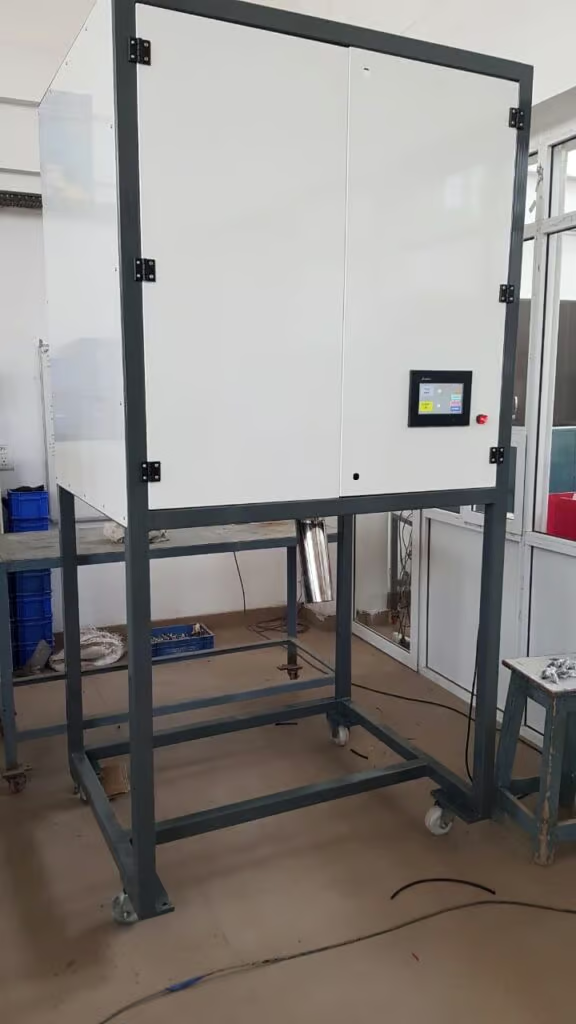
An ATM that dispenses food, a simple moisture meter, and an air-tight bag: these seemingly simple innovations could be game-changers for disrupting hunger around the world.

The number of acutely hungry people in the world may increase by more than 100 million this year, and some countries could be headed for famine.