During Pandemic, the Most Vulnerable Still Need Food. This Is How WFP Gets it To Them.
COVID-19 pandemic is causing border closures, travel restrictions and supply chain complexities never faced before, but WFP is still finding ways to save lives.

COVID-19 pandemic is causing border closures, travel restrictions and supply chain complexities never faced before, but WFP is still finding ways to save lives.
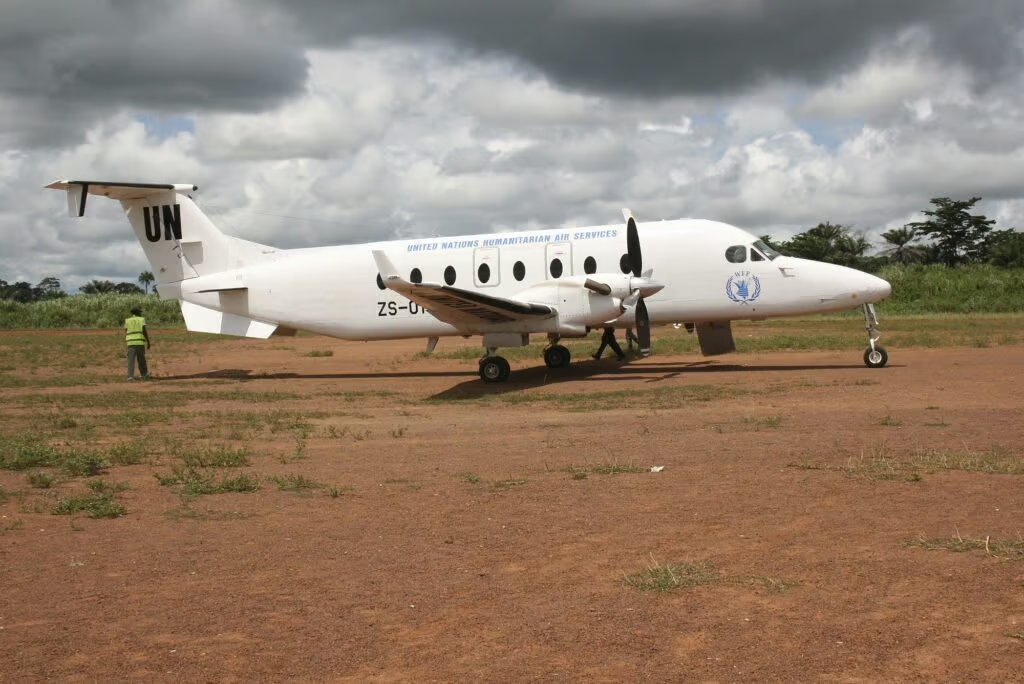
The Government of Ethiopia and WFP opened a new hub inside Addis Ababa’s Bole International Airport from which COVID-19 supplies, equipment and humanitarian workers will be transported by air across Ethiopia and Africa.

The first United Nations “Solidarity Flight” is scheduled to leave Addis Ababa, Ethiopia, today – from there, the aircraft will transport the vital medical cargo to all countries in Africa, where supplies are desperately needed to contain the spread of COVID-19.
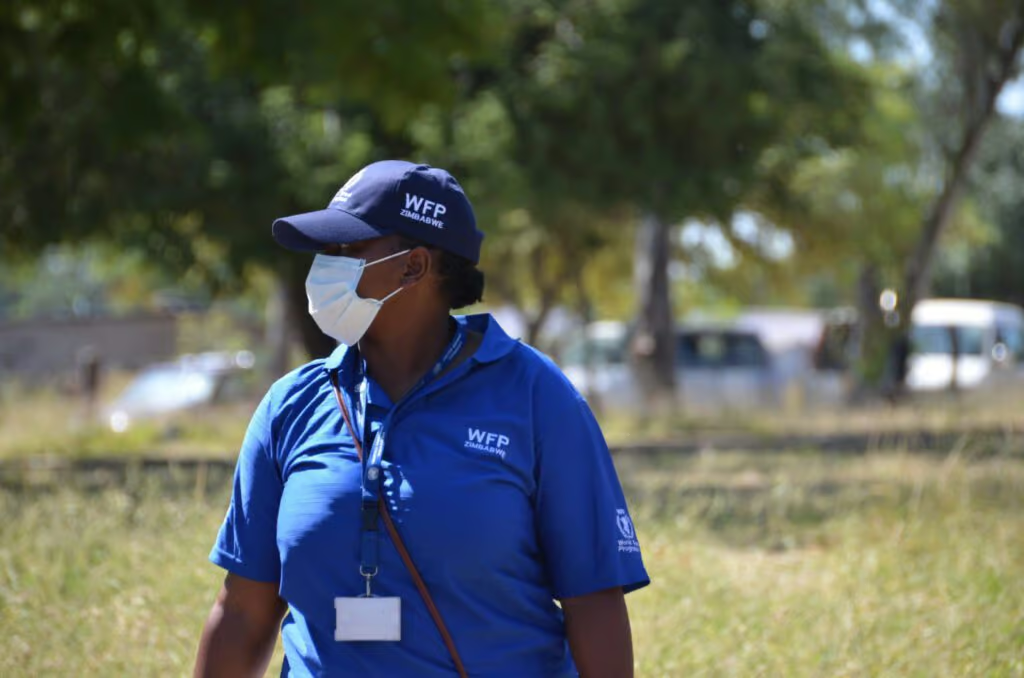
On March 30, WFP officially classified the COVID-19 crisis as an L3 emergency. But what, exactly, does this mean?

Two World Food Programme nutrition experts talk about how to protect the most vulnerable people – children – during the Coronavirus pandemic
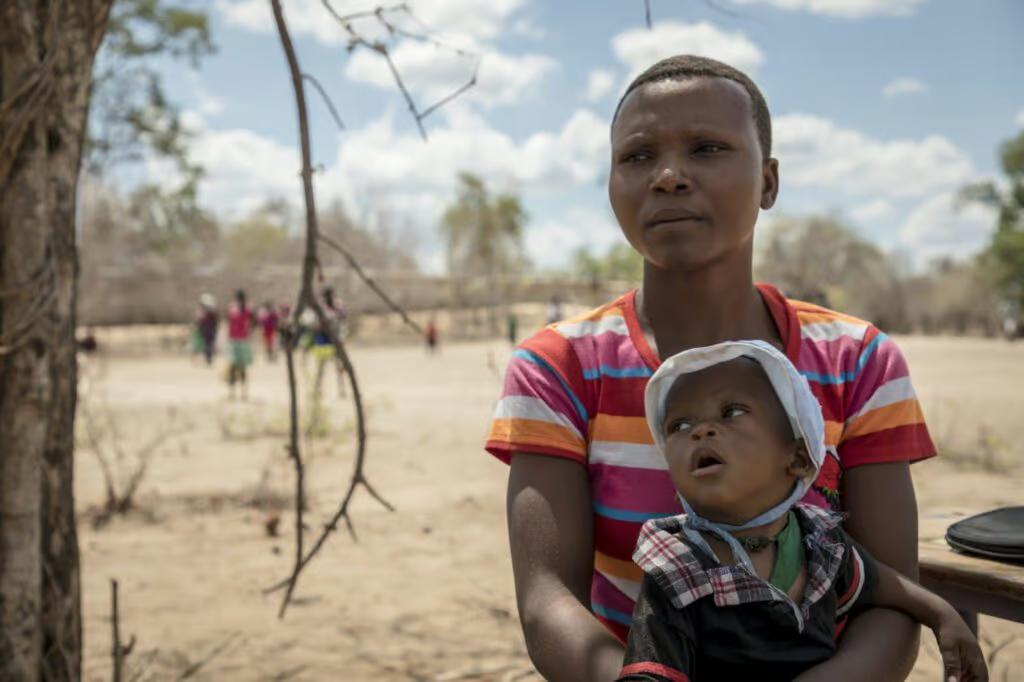
“The COVID pandemic risks even wider and deeper desperation,” said Eddie Rowe, WFP’s Country Director. “We must all do our utmost to prevent this tragedy turning into a catastrophe.”
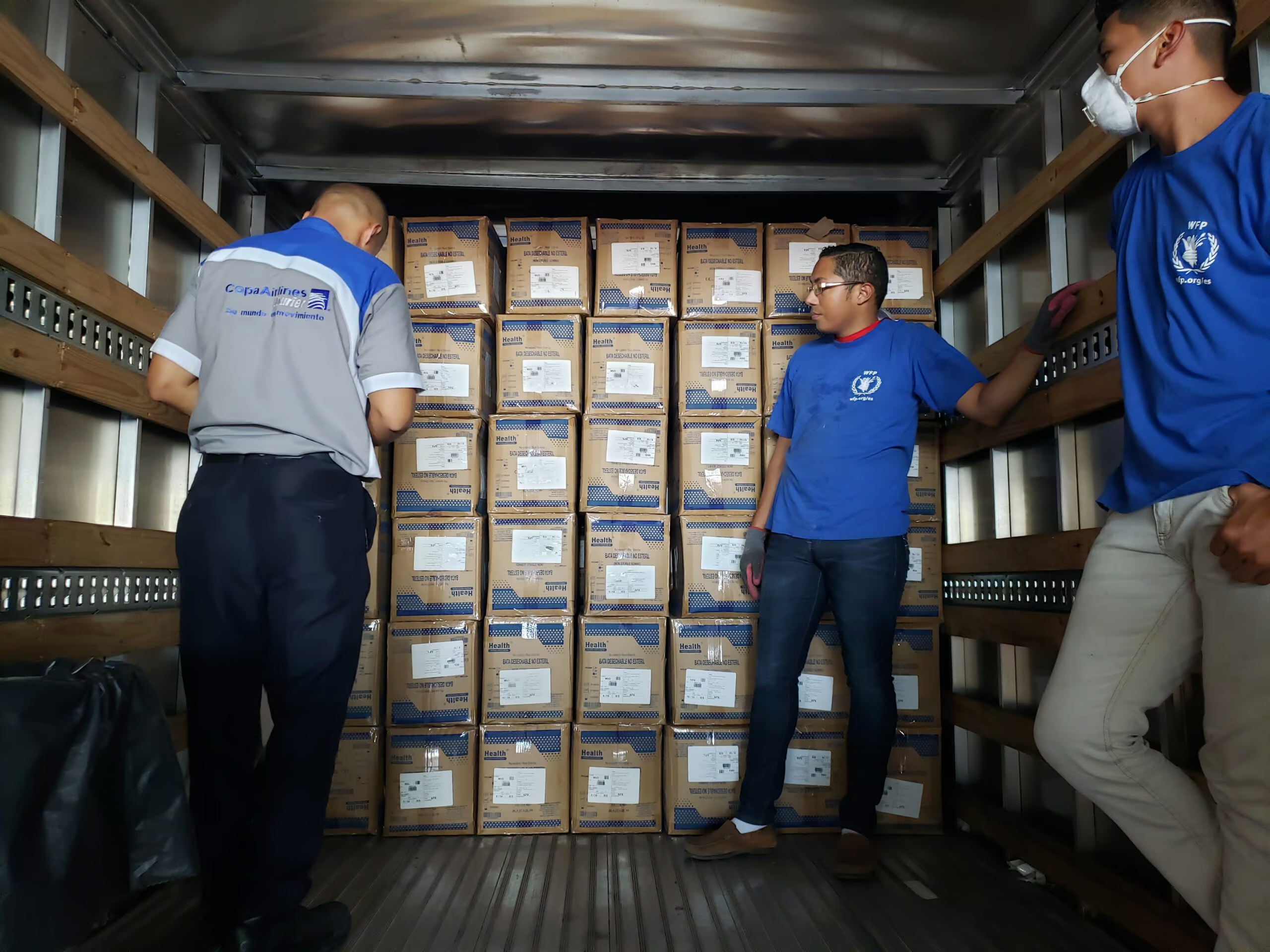
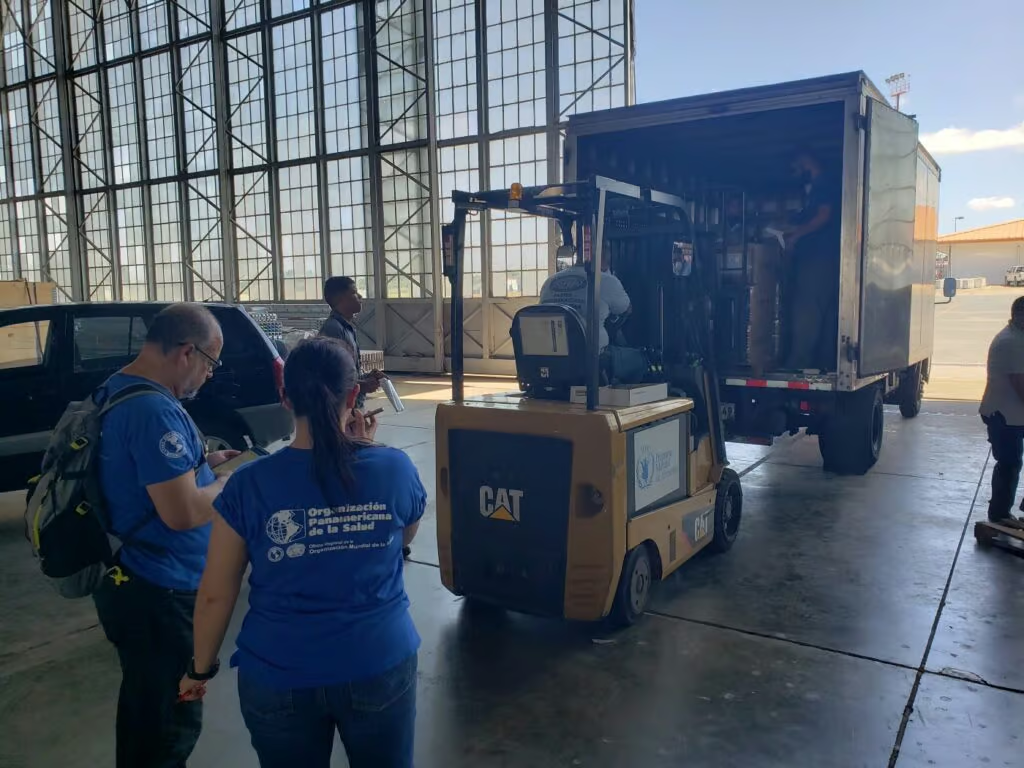
The United Nations Humanitarian Response Depot (UNHRD) in Panama has already airlifted more than eight tons of supplies, including COVID-19 kits, to 24 countries.
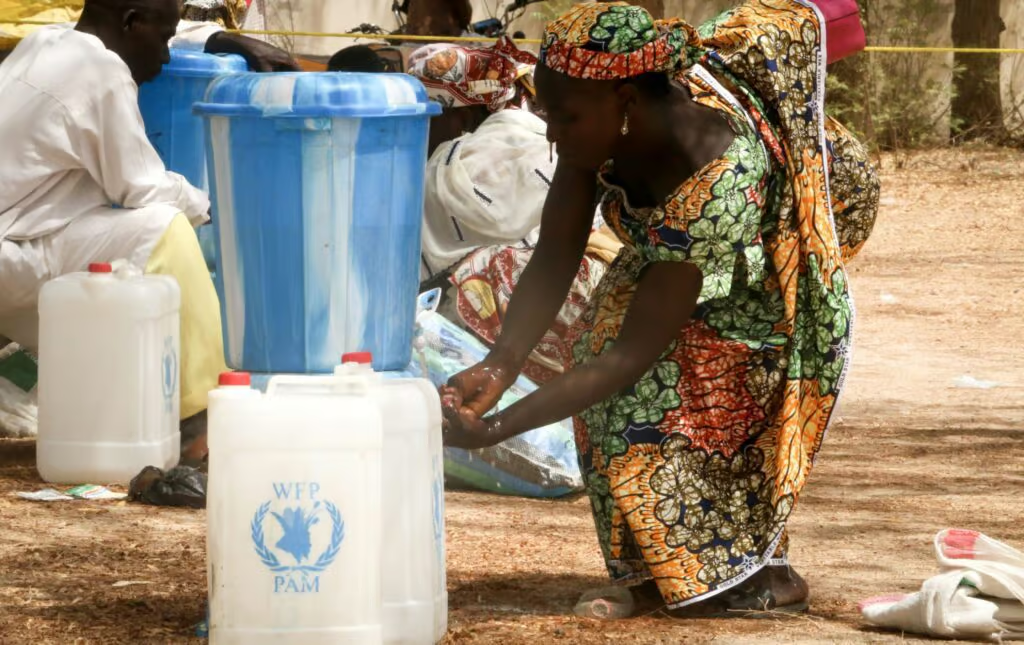
With hundreds of thousands of people infected around the world, the novel Coronavirus (COVID-19) pandemic is threatening the globe. Here is some basic information on what COVID-19 is and how we can protect ourselves.
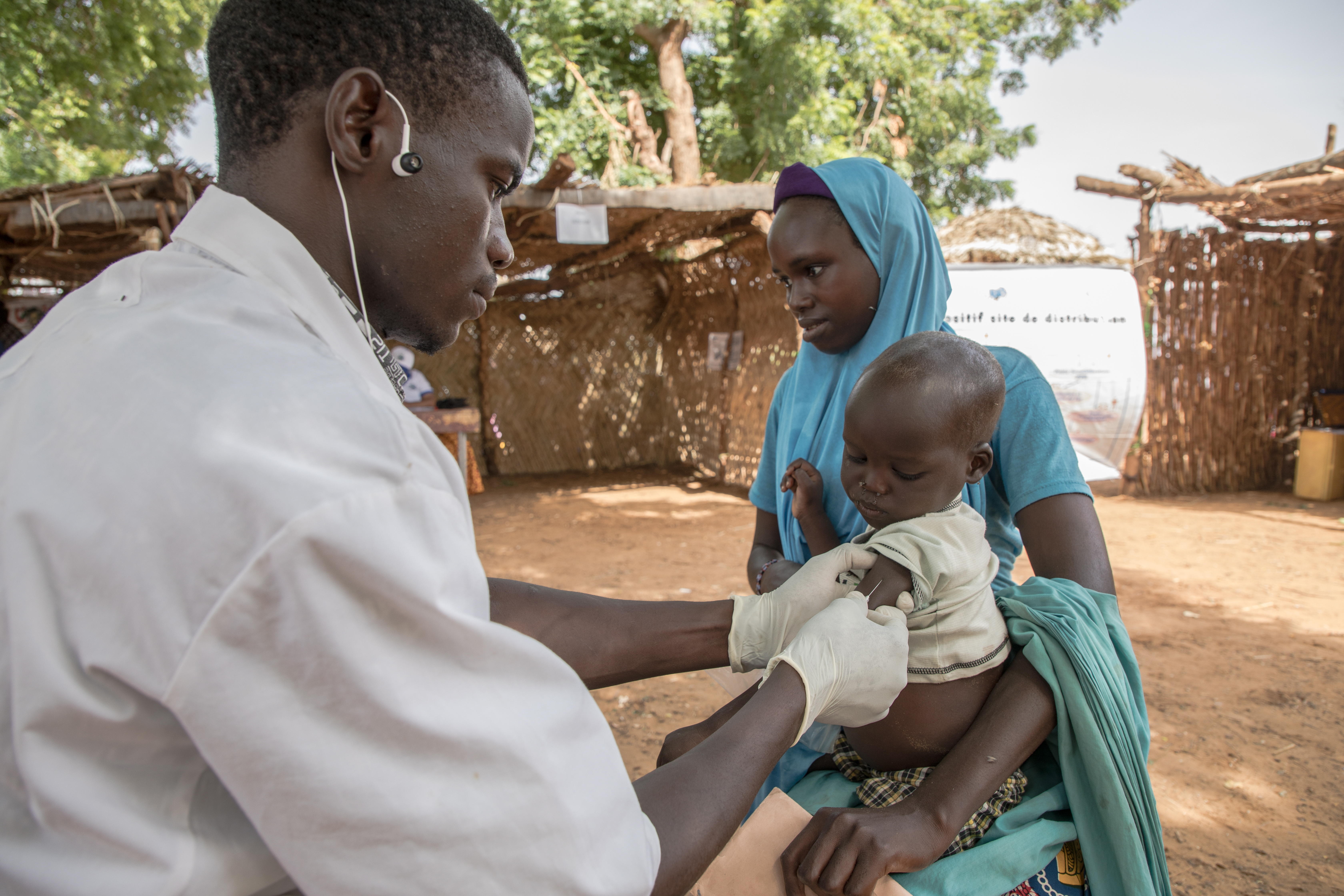
“Our message to the world is clear: Look away now and the consequences will be no less than catastrophic,” says Chris Nikoi, WFP’s Regional Director for West Africa.
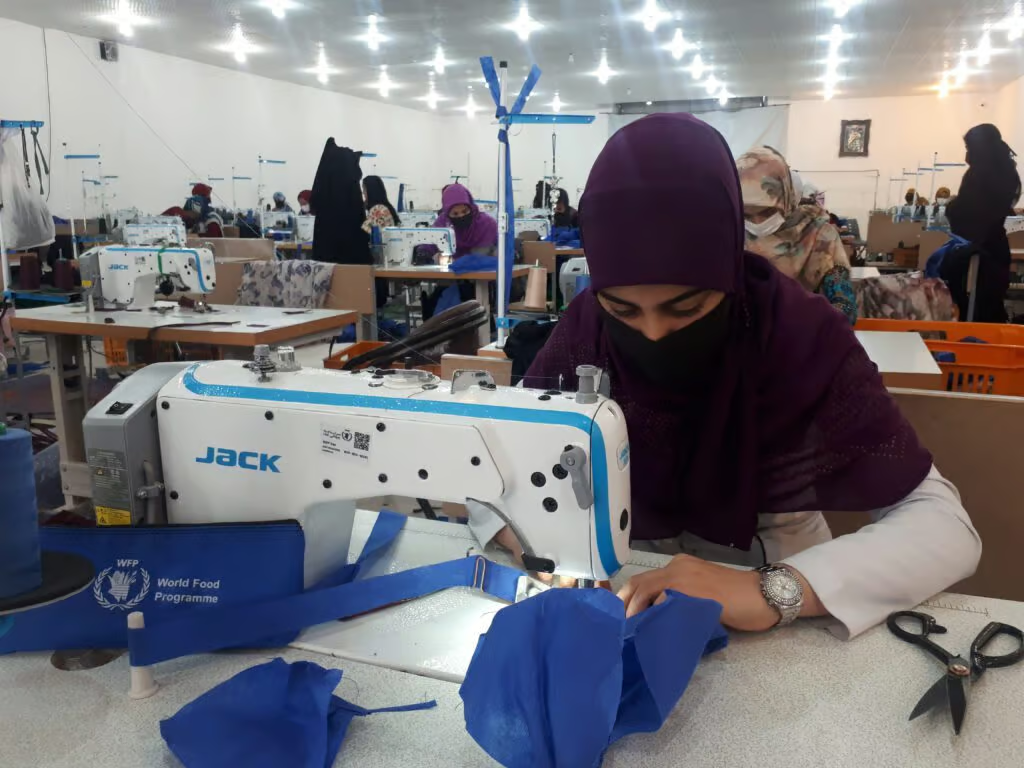
Iran has been one of the countries hit hardest by COVID-19. In that context, 70 refugees have come forward to give back to their community.