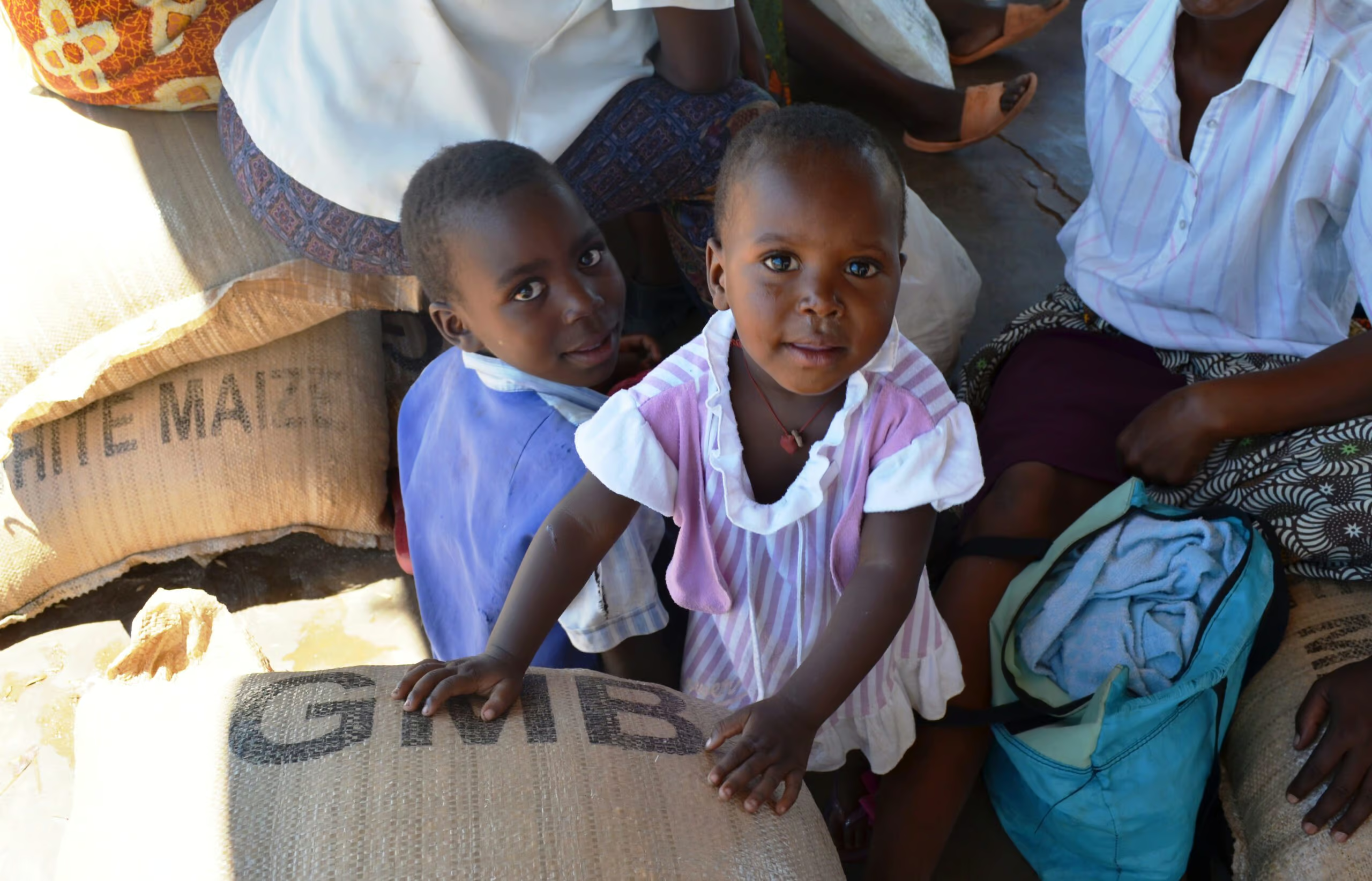
WFP Provides Cash Assistance in Zimbabwe’s Poorest Urban Area and Plans to Expand in 2020
As a result of this year’s severe drought, economic downturn and Cyclone Idai, around 8 million people have been pushed into severe hunger in Zimbabwe.

As a result of this year’s severe drought, economic downturn and Cyclone Idai, around 8 million people have been pushed into severe hunger in Zimbabwe.
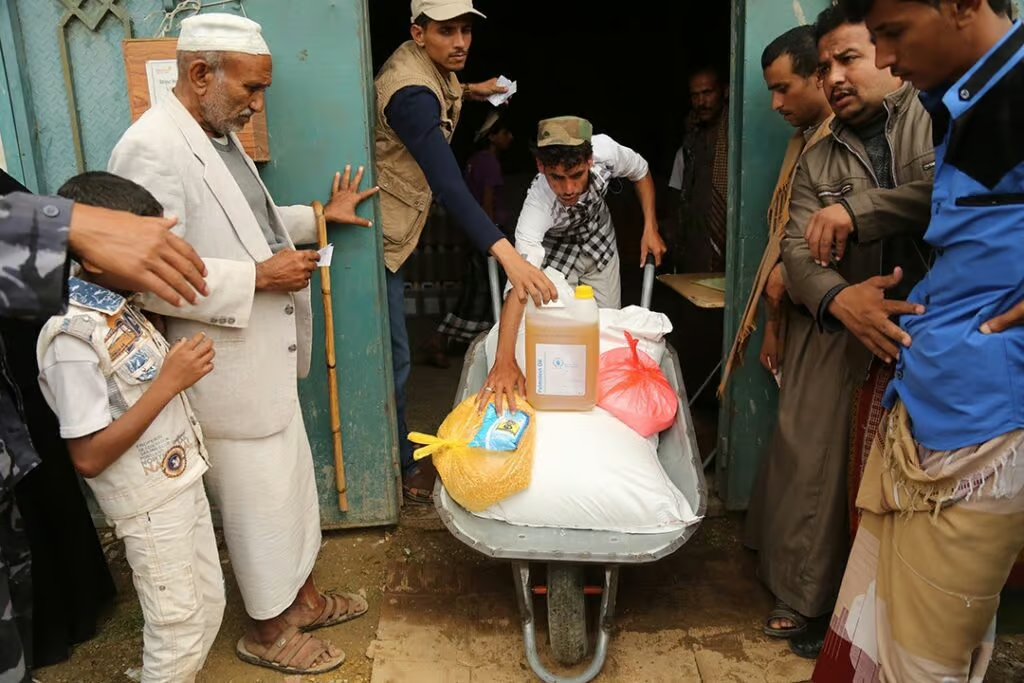
WFP has achieved an unprecedented expansion of food assistance in Yemen, scaling it up by 50 percent. But still, over 11 million people continue to face a daily struggle of finding enough food.
Under a partnership with IOM and UNHCR, WFP has built 50,000 sqm of new roads, repaired 85,000 sqm of existing roads and stabilized 280,000 sqm of slopes.
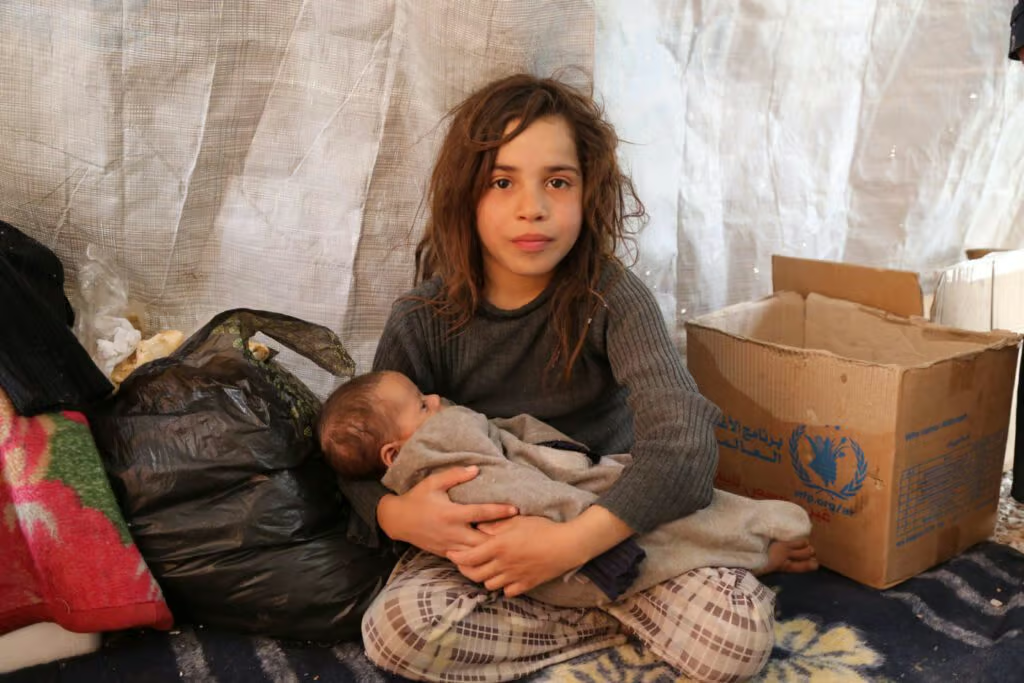
The additional allocation of $43.8 million is transferred through electronic cards to 358,000 people. The majority of that cash is spent on essentials like food, shelter, health care and education.
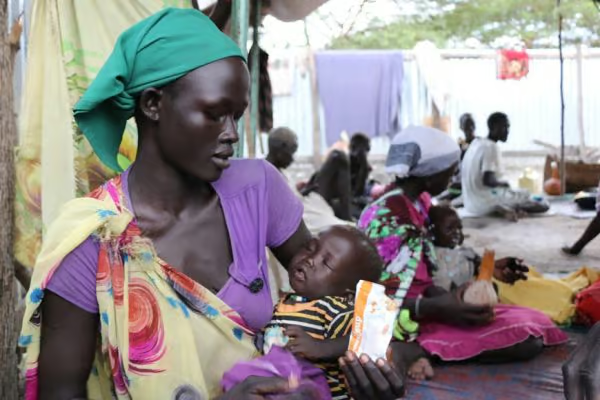
Three UN agencies warn that 61% of the population – the highest rate ever – is projected to face crisis levels of food insecurity or worse by the end of July.
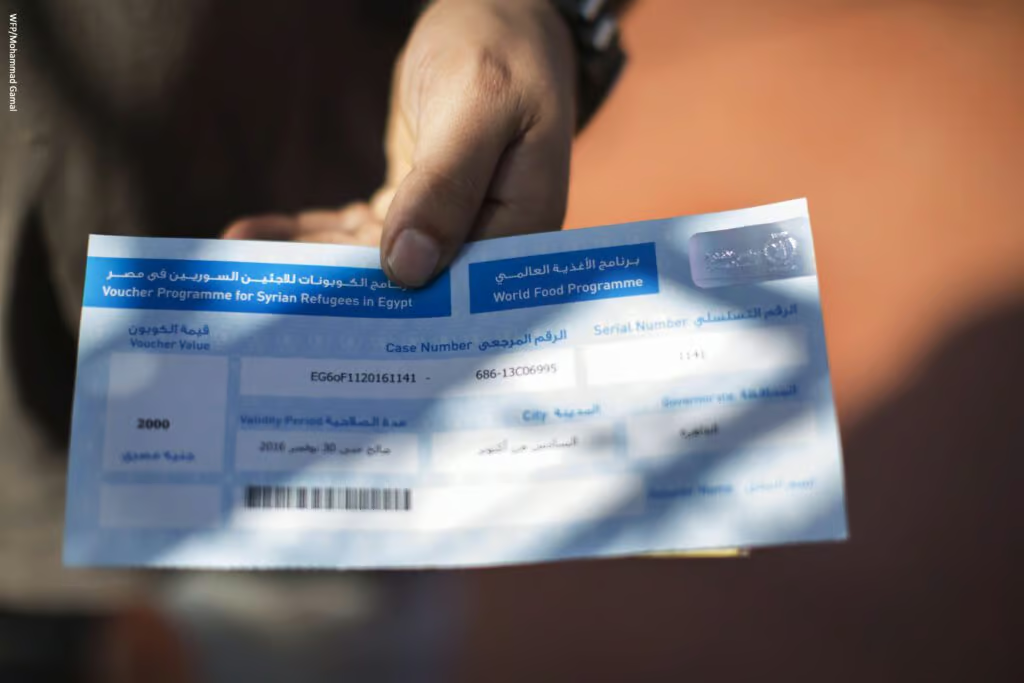
Recent results from WFP’s food security analysis show that WFP food assistance has lifted more than one third of targeted refugees above the national income poverty line and has significantly contributed to their food security status.

A haunting photo of an emaciated 7-year-old girl, Amal Hussain, pushed Yemen into the spotlight in 2018.
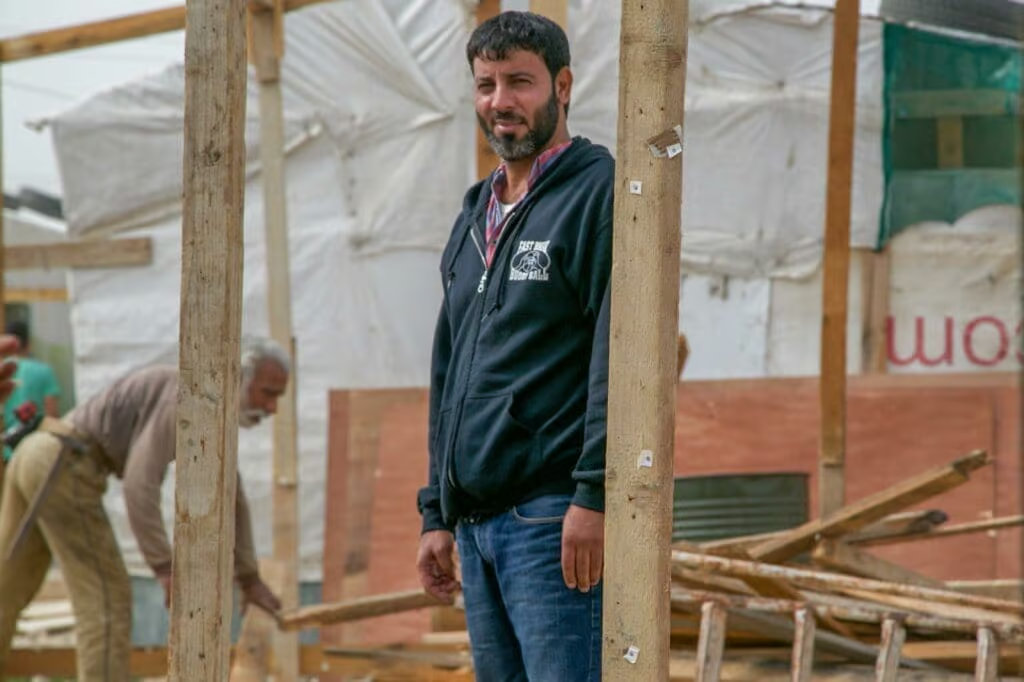
Conflict in Syria forced Hussein’s family to flee to Lebanon, where they are rebuilding a life at a refugee camp.

WFP provides e-cards for displaced families, allowing them to purchase the kind of food they need with dignity and choice.

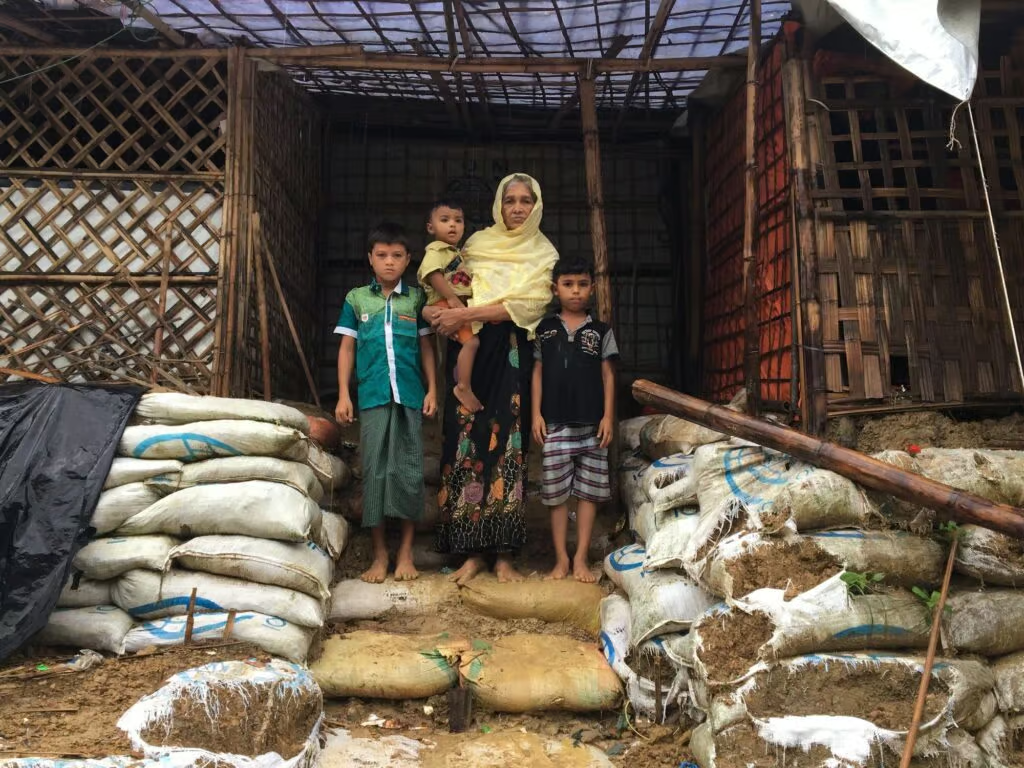
Halfway through the year, a nonstop effort is underway to protect hundreds of thousands of Rohingya refugees from the worst of the monsoon season.