Myanmar

Conflict Fuels Hunger

Myanmar is facing one of the world’s fastest-worsening hunger crises, driven by armed conflict, displacement, economic collapse, climate shocks, and the effects of the March 2025 earthquake.
Make a difference in Myanmar

Hunger Stats

Since the military takeover in February 2021, people in Myanmar have faced relentless economic and political crises. The recent 7.7 magnitude earthquake only worsens an already dire situation. WFP has reached over 180,000 earthquake survivors with ready-to-eat food and is scaling up its emergency response to reach more affected communities.

Myanmar Facts

New York
Show Places
New York
×
Geocoding Error Occured.

Tried to Geocode:

Error Type:

Please be sure to follow the tutorial on how to setup the Google APIs required for the Advanced Google Map Widget.

Google Map API Key Tutorial
Population: 54.9 million people.
Background: Myanmar became independent in 1948. The country has experienced long periods of military rule and internal conflict since independence, with a brief transition toward civilian democratic governance beginning in the 2010s. However, a military coup in 2021 ended this period of civilian rule and returned the country to direct military control.
Geography & Climate: Myanmar is a large country in Southeast Asia, with a long coastline along the Bay of Bengal and the Andaman Sea. The country has a predominantly tropical monsoon climate, with distinct hot, rainy and cool seasons that vary by region.
Economy: Myanmar’s economy is largely agricultural, with farming and related activities making up most of employment and exports. Despite fertile land and favorable growing conditions, domestic food production faces persistent challenges, including conflict, climate shocks, and damaged infrastructure.

Causes of Hunger in Myanmar

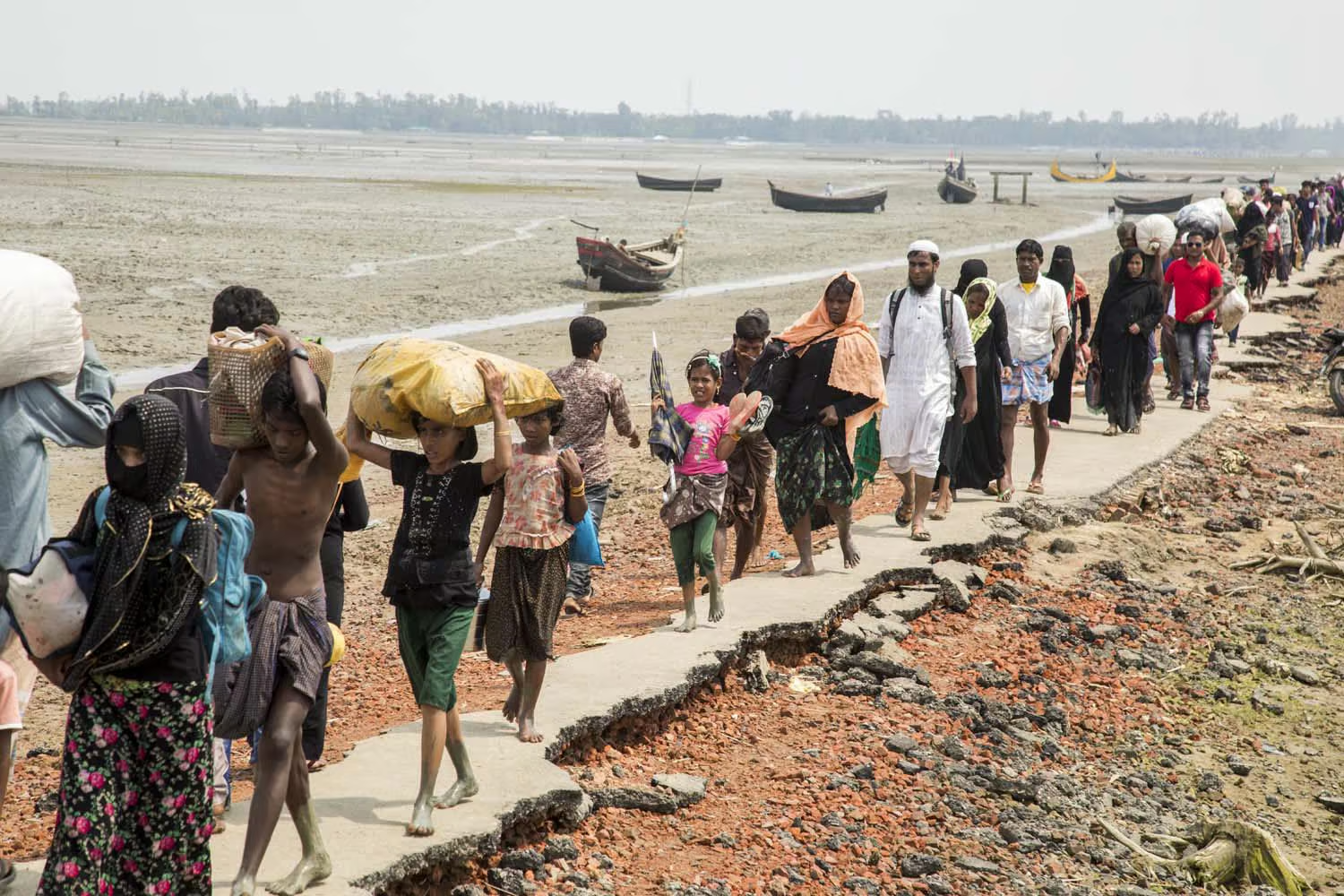
Rohingya refugees

Conflict


A total of 3.5 million people have been displaced from their homes across Myanmar, including over 3 million since the military takeover in early 2021. Most displaced people have no access to food and rely on humanitarian assistance.
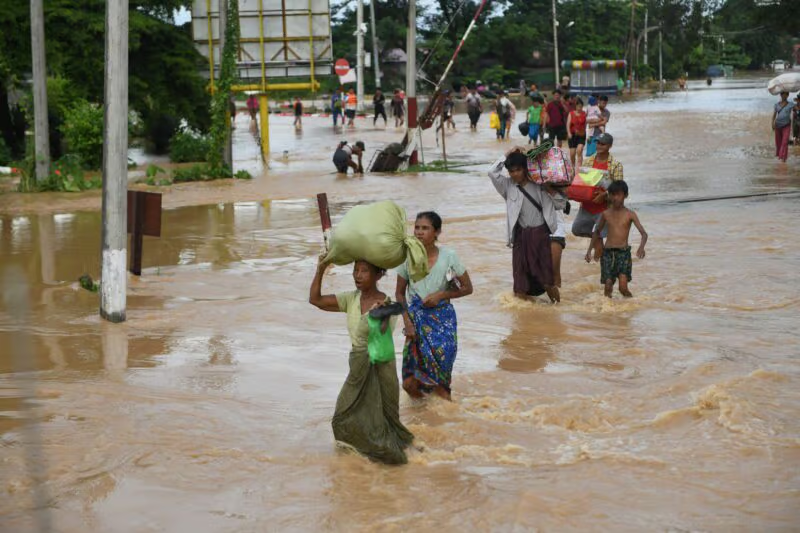
Myanmar, Yangon, 14 September 2024

The United Nations World Food Programme (WFP) is launching an emergency response this week in Myanmar to provide food assistance to people in areas submerged by floods following the passage of Super Typhoon Yagi. This response is a major scale-up in WFP flood relief efforts ongoing since July. 

Bago, Kayah, Kayin, Magway, Mandalay, Mon, Nay Pyi Taw and Shan states have been facing heavy rains, severe flooding and landslides caused by the Super Typhoon that hit Myanmar on September 11th. The floods have so far caused several hundred deaths and affected at least 631,000 people across the country. 

“Super Typhoon Yagi has caused the most severe floods in Myanmar’s recent history. Much of the country is submerged and some areas are witnessing their first floods in decades”, said Sheela Matthew, WFP Myanmar Representative. “The impact on food security will be nothing less than devastating. More than 13 million people were already facing food insecurity in August before the floods hit. Our teams are working around the clock to respond to the growing needs”, she added. 

WFP will provide a one-month ration of emergency food, including rice, fortified biscuits, and nutrition products to up to half a million flood-affected people, ensuring immediate food needs are met. Meanwhile, WFP teams are working with partner organisations to assess the impact on crops, livelihoods and people's ability to access food. 

Prior to Typhoon Yagi, WFP had already reached 185,000 flood-affected people in Myanmar with emergency assistance in July and August in response to floods that inundated hundreds of thousands of acres of farmland.

Extreme Weather

Myanmar is one of the countries most at risk of cyclones, floods and landslides due to its geographic location. The country was recently hit by several floods in 2024, including those caused by Super Typhoon Yagi, that affected at least 1 million people.
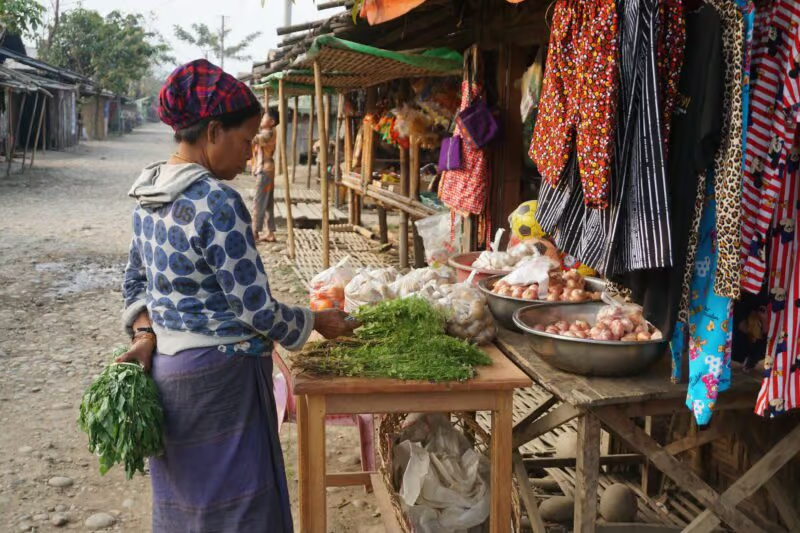
Maina KBC is one of the largest IDP camps in Kachin State. As the resumed armed conflict in Kachin marks a decade in 2021, relief assistance from WFP remains a lifeline for IDPs from Maina KBC and other camps across the state.

Kachin State has a large poverty gap and high prevalence of stunting in children under five.

Rising Prices

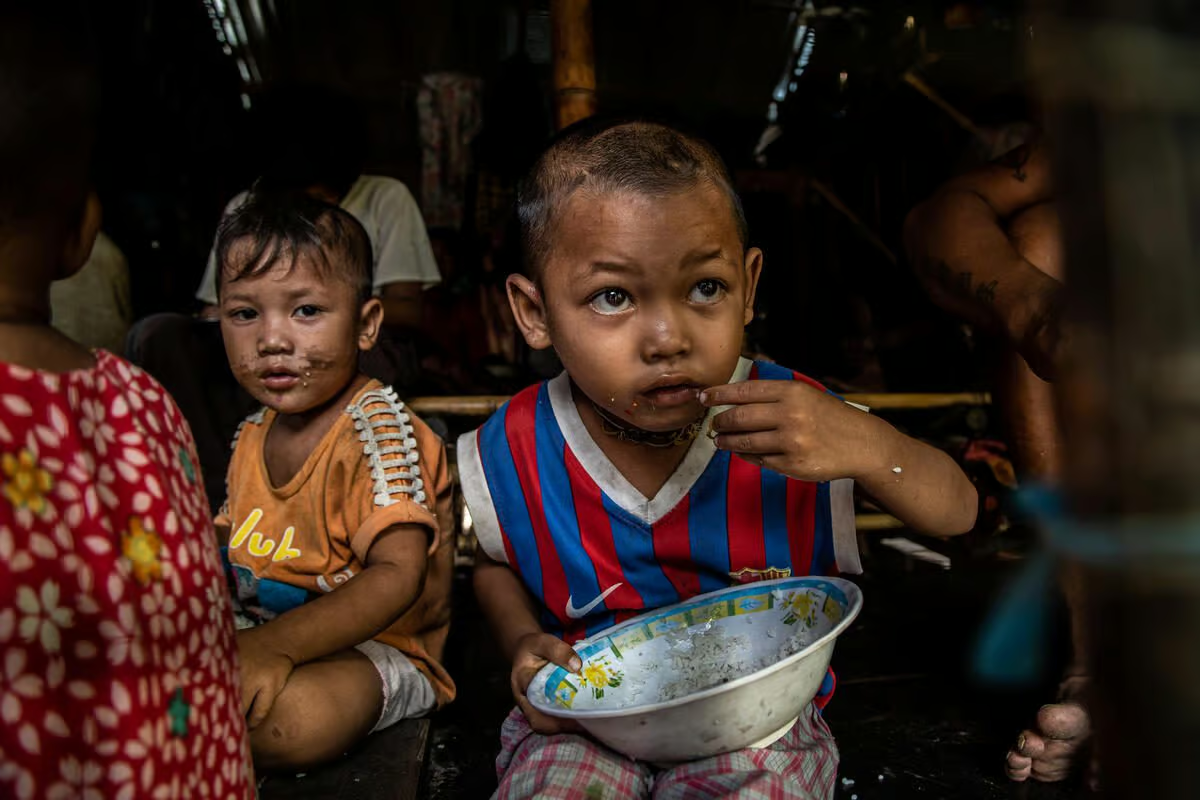
Since the military takeover in February 2021, food prices have soared to more than four times their previous levels. In just the past year, the cost of a basic food basket – including rice, oil, beans and salt – has increased by 50%. Access to nutritious food is beyond the reach of many, and adults are skipping meals so that children can eat.
History of Hunger in Myanmar

WFP’s Response in Myanmar

WFP implemented its first operation in Myanmar in 1978 in the northern Rakhine State and established its office in 1994. Today, WFP provides crisis-affected communities with food, cash and nutrition support.
Children in Myanmar
Food
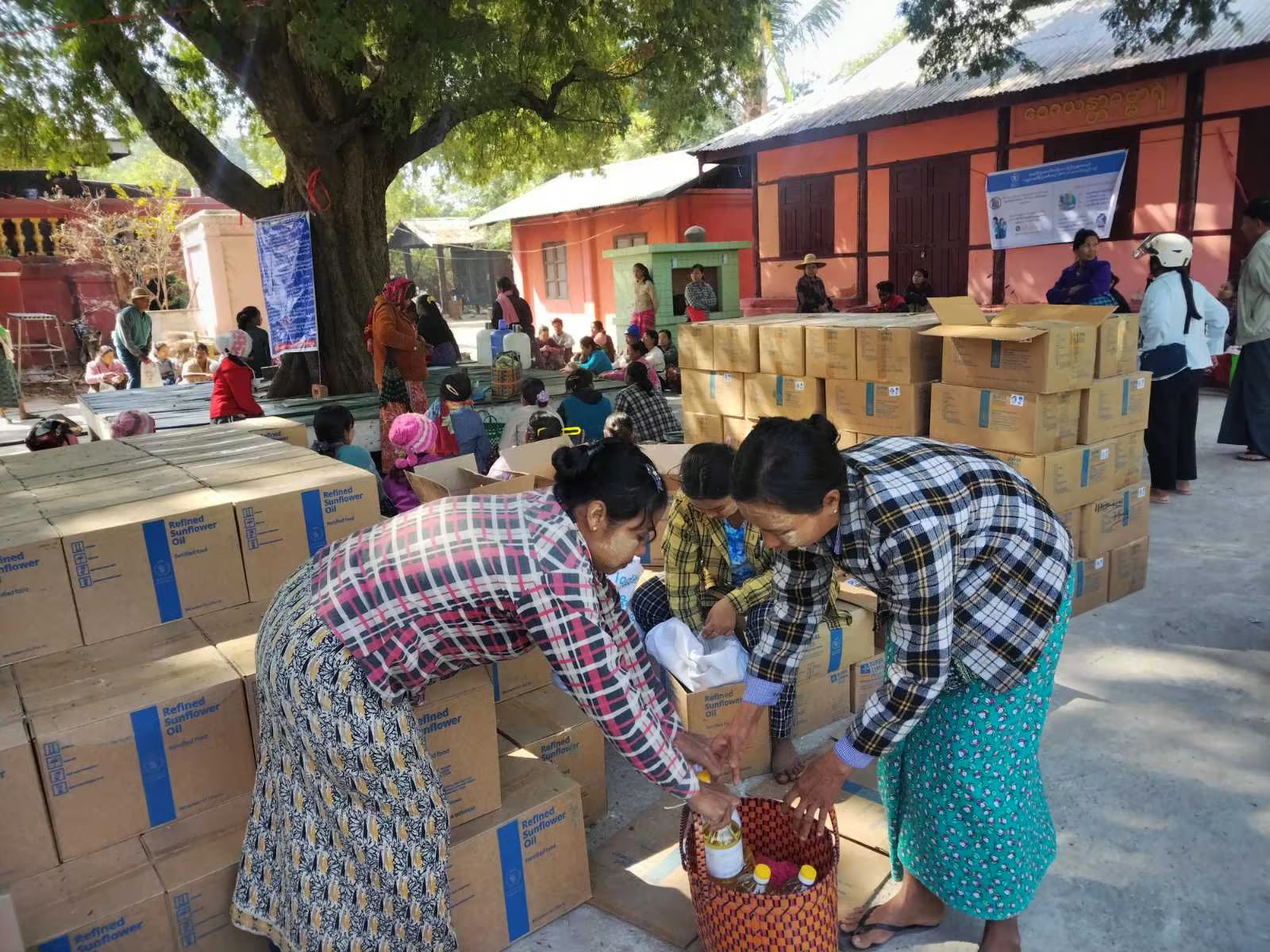
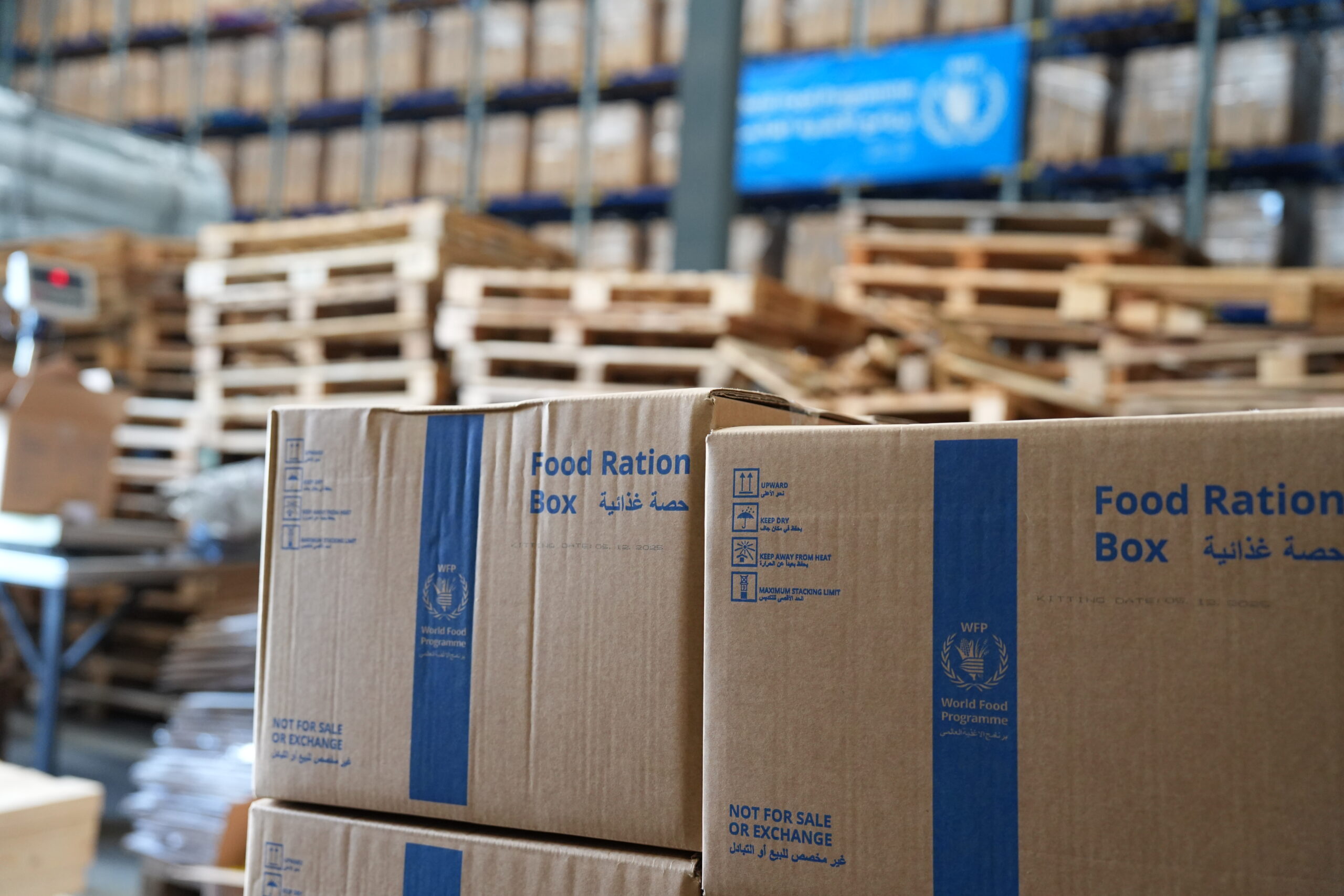
WFP provides lifesaving food to people displaced and/or affected by ongoing crises in conflict zones. WFP also provides regular support for extremely food insecure people in Kachin, Shan, Chin and Rakhine states who have been displaced since before the military takeover.
Learn More
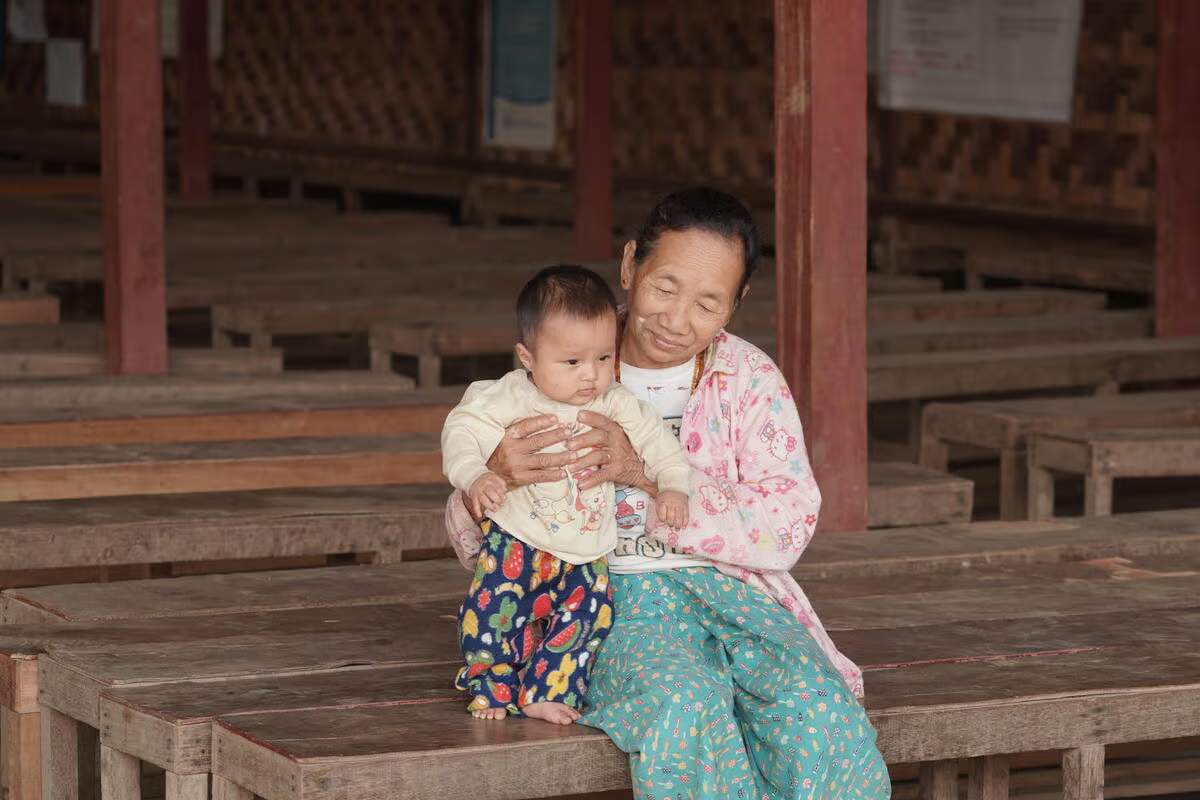
Maina KBC is one of the largest IDP camps in Kachin State. As the resumed armed conflict in Kachin marks a decade in 2021, relief assistance from WFP remains a lifeline for IDPs from Maina KBC and other camps across the state.

Affected by conflict, Kachin State has a large poverty gap and high prevalence of stunting in children under five.
Nutrition
WFP provides nutrition support to pregnant and breastfeeding women, children aged 6 months to 5 years old, and people living with HIV and TB. This includes malnutrition prevention and treatment services, nutrition education, cash assistance and counseling to caregivers.
Learn More
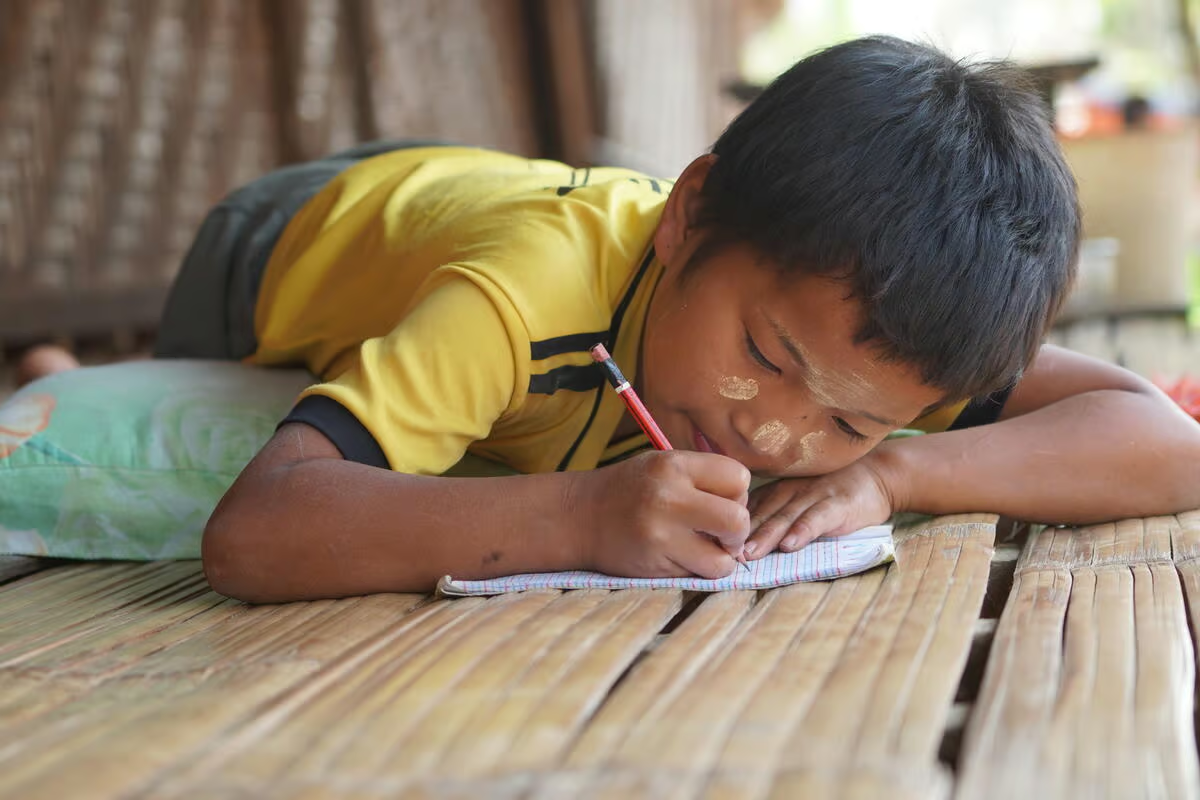
Children studying in Myanmar
School Meals
Where it is safe and feasible, WFP continues to provide children with school meals. Students receive fortified biscuit snacks, warm cooked meals or take-home rations. WFP works with communities, parent groups and religious institutions to provide these meals to students.
Learn More

Latest News From Myanmar

Middle East crisis: WFP navigates turbulent waters to tackle hunger

Scroll to Top