Algeria

Hunger in Refugee Camps

Refugees in Algeria are suffering from food insecurity and nutritional deficiencies. You can help us deliver lifesaving food and school meals.
Make a difference in Algeria

Hunger Stats

Refugees in Algeria live in harsh desert conditions, which limit their ability to be self-reliant, resulting in food insecurity and malnutrition.

Algeria Facts

New York
Show Places
New York
×
Geocoding Error Occured.

Tried to Geocode:

Error Type:

Please be sure to follow the tutorial on how to setup the Google APIs required for the Advanced Google Map Widget.

Google Map API Key Tutorial
Population: 46.8 Million
Background: Algeria gained its independence in 1962. There was internal conflict in the 1990’s, and in recent years, social unrest demanding reforms.
Geography & Climate: Algeria is located in North Africa. Its terrain is dominated by the Sahara Desert, which covers about 80% of its land area, along with mountains and narrow coastal plains. Algeria’s climate ranges from Mediterranean on the coast to hot, arid desert conditions in the interior.
Economy: Algeria’s economy is heavily dependent on oil and natural gas, which account for 90% of export revenues. It face high unemployment and inflation.

Causes of Hunger

History of Hunger in Algeria

WFP’s Work in Algeria

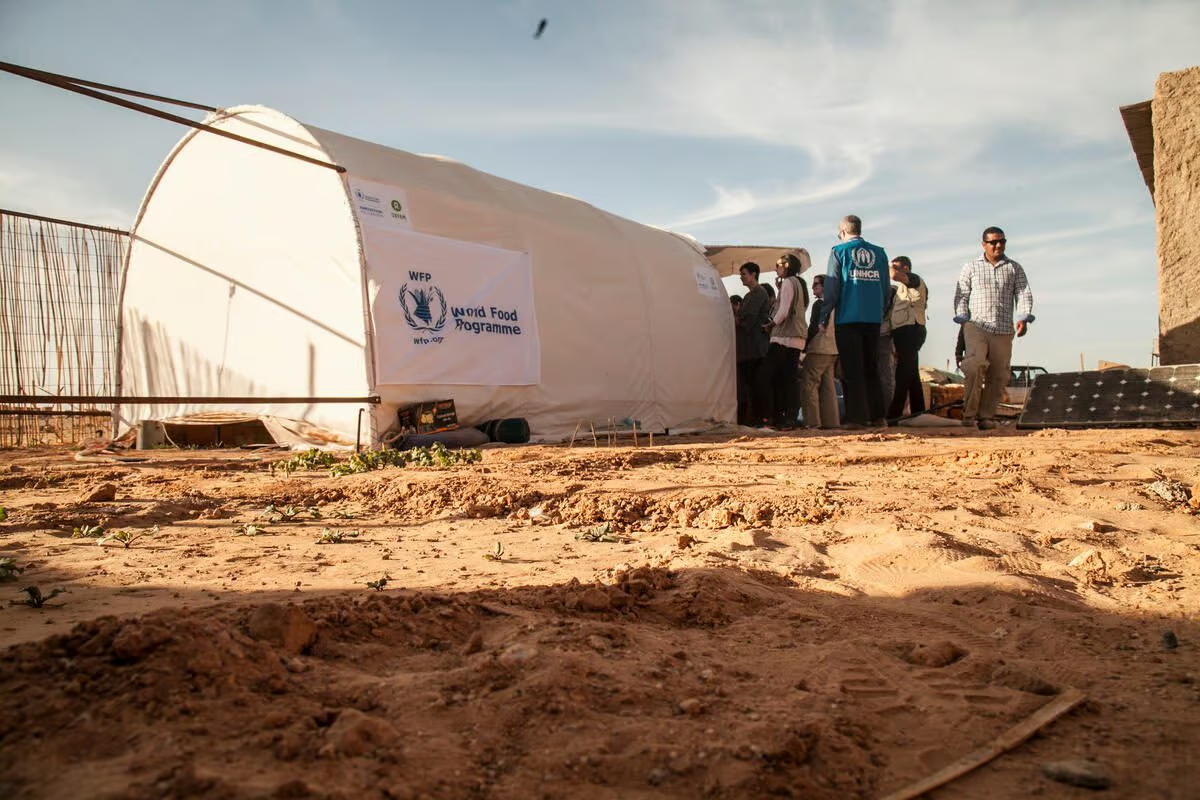
Despite extreme weather, conflict and poverty in Algeria, the World Food Program is delivering food to 138,000 million people in need, particularly the Sharawi refugees living in camps near Tindouf. We’ve been there since 1986, and we are committed to ending hunger in Algeria.
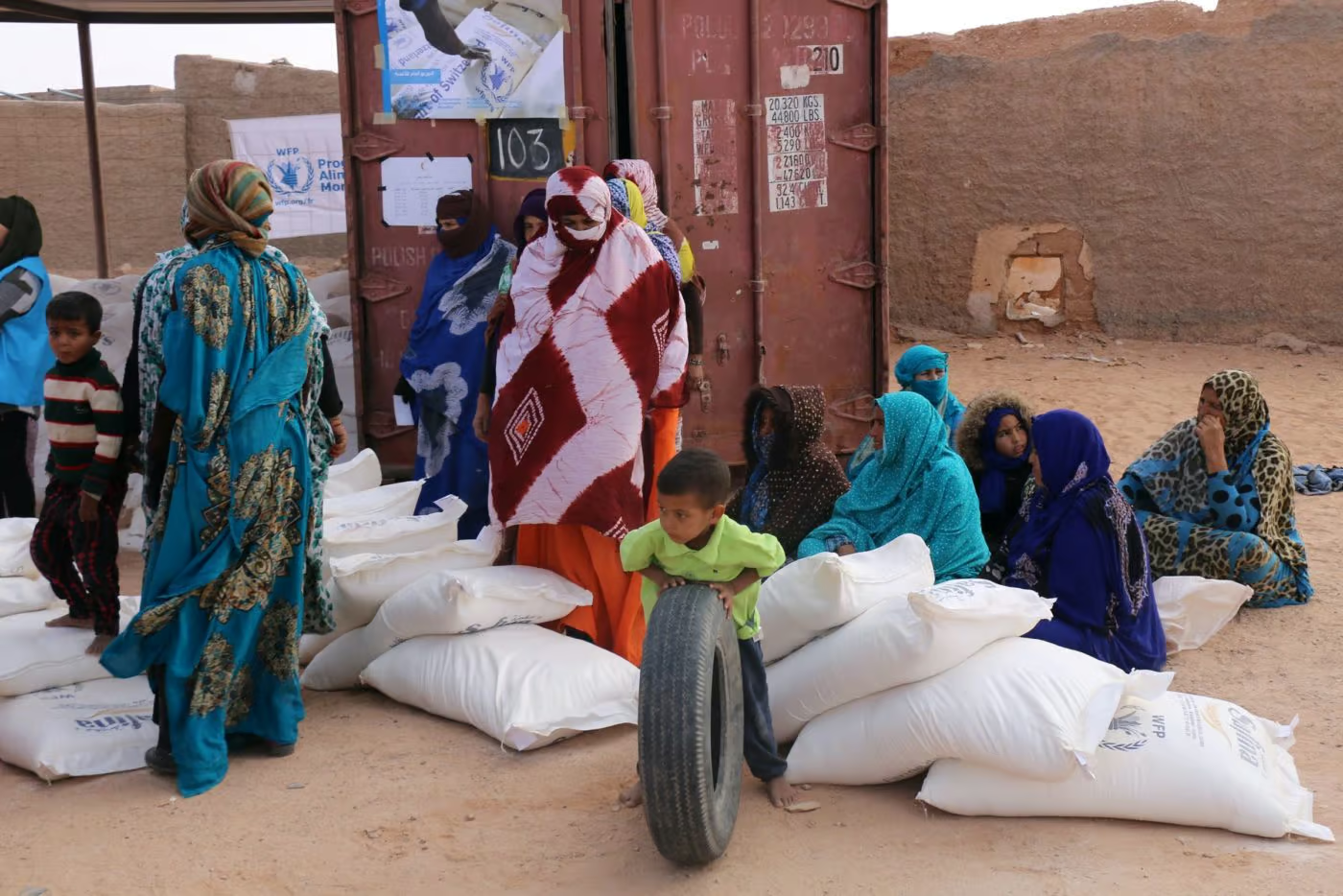
Algeria, Laayoune refugee camp, Tinduf, 29 November 2017

Algeria has hosted refugees from Western Sahara since 1975 in what has become one of the worldÕs most protracted refugee crises. The Sahrawi refugees are located in five camps near the town of Tindouf in Western Algeria. The harsh and isolated desert environment limits opportunities for self-reliance and, as a result, the refugees depend on humanitarian assistance for their survival.

Malnutrition and anaemia rates had been high in the past, but recent assessments have shown an improvement of the overall nutrition situation of women and children. Both chronic malnutrition and global acute malnutrition among children aged 5 or less are at an all-time low. However, anaemia rates, indicating a dietary iron deficiency, are alarmingly high- at 39 percent among children aged 5 or less, and 43 percent among women of reproductive age. The latest assessments also suggests the emergence, amongst the refugee population, of new issues of public health concern, namely overweight and obesity affecting mostly women, as well as diabetes.

In the photo: Food distribution at Laayoune refugee camp 

Photo: WFP/Lourdes Melendo
Food & Cash
WFP distributes approximately 134,000 food rations monthly to meet the basic food and nutritional needs of refugees. The food basket includes cereals, pulses, sugar, vegetable oil and blended food.
Learn More
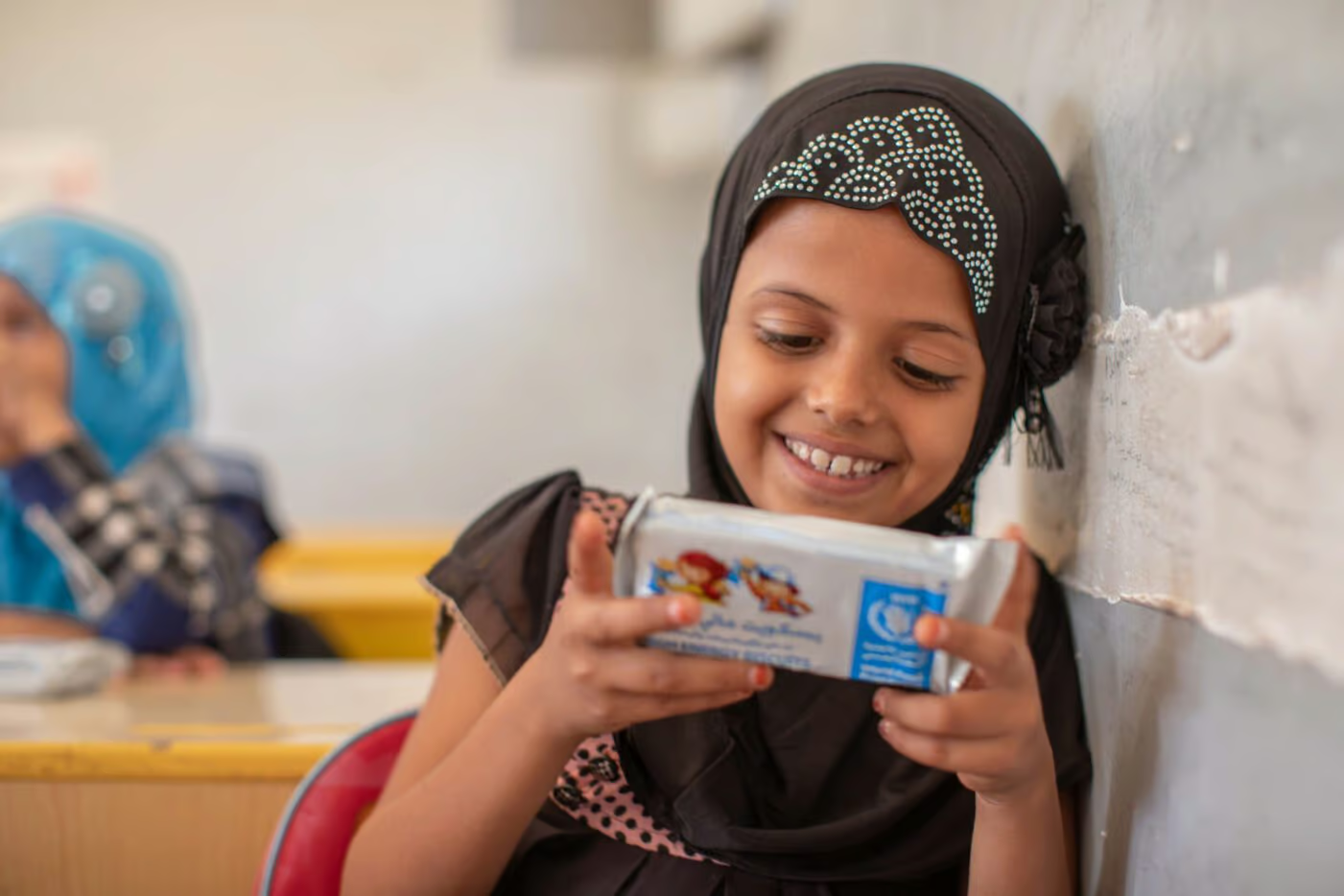
a young girl holding an energy bar
Nutrition
WFP provides specialized nutritious food and monthly value voucher nutrition top-ups for pregnant and breastfeeding women. This helps prevent and manage malnutrition among women and children aged 6 to 59 months.
Learn More
Algeria, Laayoune refugee camp, Tinduf, 29 November 2017

Algeria has hosted refugees from Western Sahara since 1975 in what has become one of the worldÕs most protracted refugee crises. The Sahrawi refugees are located in five camps near the town of Tindouf in Western Algeria. The harsh and isolated desert environment limits opportunities for self-reliance and, as a result, the refugees depend on humanitarian assistance for their survival.

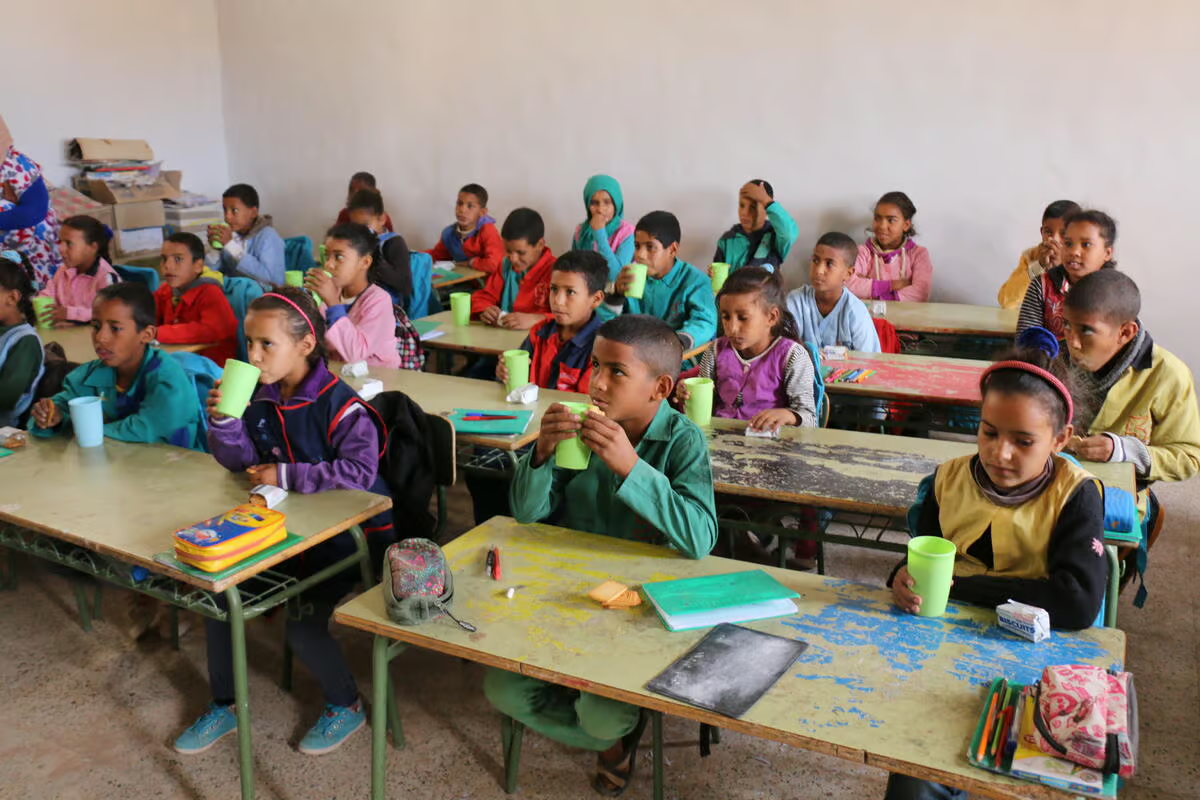
WFP provides mid-morning snacks Ð in the form of milk, fortified biscuits and if available dates Ð to 40,500 children in 70 primary schools and kindergartens. WFP also rehabilitates and constructs school kitchens and stores.

In the photo: School meals in Laayoune refugee camp.

Photo: WFP/Lourdes Melendo
School Meals
To encourage school attendance, WFP offers daily mid-morning snacks, such as gofio porridge and high-energy biscuits, to around 40,000 children in kindergartens, primary schools, intermediary schools, special-needs centers and koranic schools.
Learn More
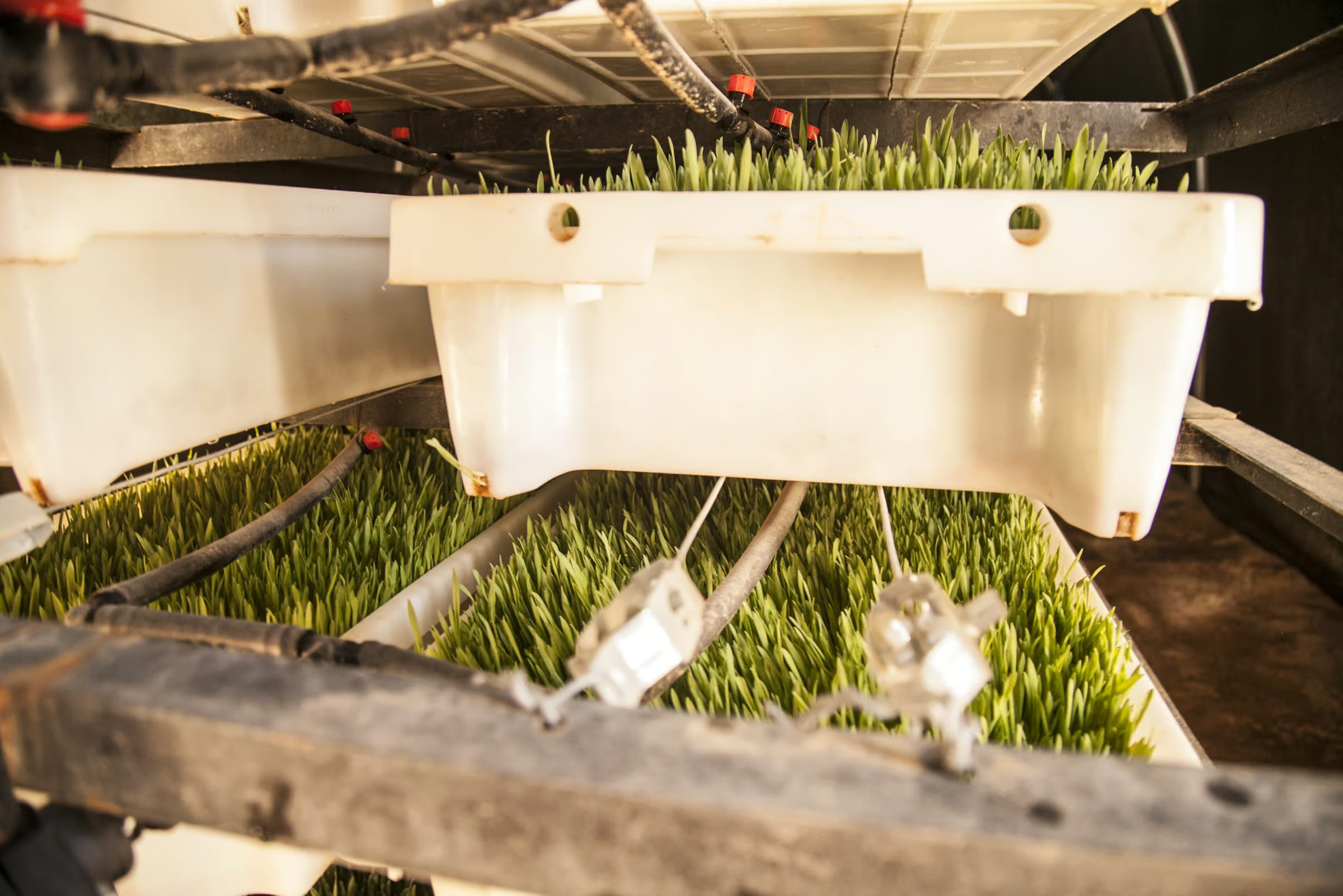
Bins of fresh grass can go from seed to shoot in a matter of days.
Resilience Building
WFP implements activities to improve food security and nutrition by providing livelihood opportunities in the refugee camps.
Learn More

Latest News From Algeria

How to Grow Goat Food in the Sahara, Barley in Refugee Camps & Veggies in Desert Slums

Scroll to Top