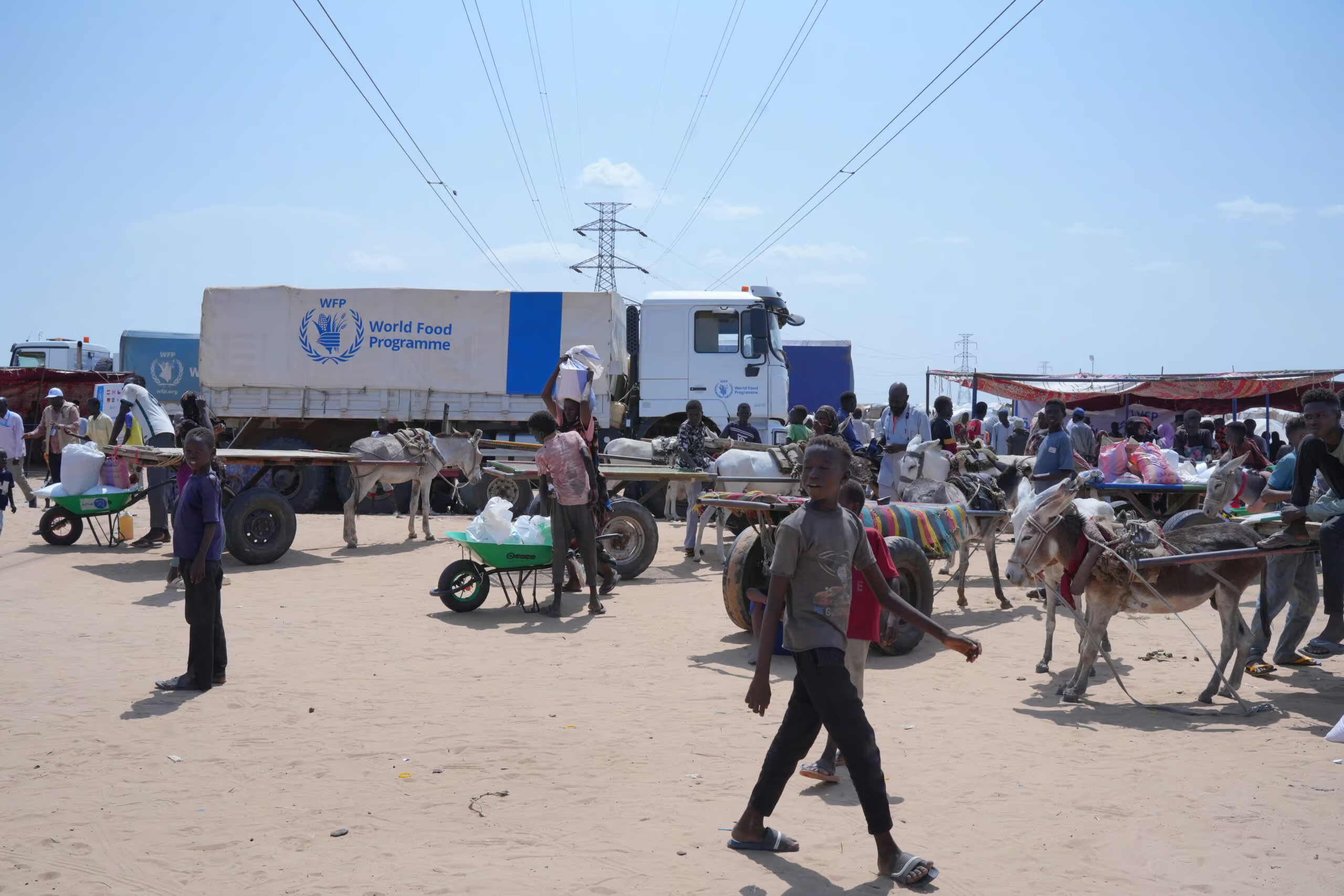
World Food Program USA’s Spring Statement of Impact provides a snapshot of global hunger from January to May 2026 and how the World Food Programme (WFP) responded during tough times.
Persistent funding shortfalls and escalating crises threaten to cause a significant spike in acute hunger around the world this year. Worldwide, malnutrition rates remain high, with around 45 million children under the age of 5 facing acute malnutrition. The crisis in the Middle East has caused ripple effects around the world, with rising food and fuel prices putting additional strain on families already facing hunger. If the conflict continues, it may push as many as 45 million more people into extreme hunger this year.
Despite extraordinary challenges, the World Food Programme (WFP) is doing everything it can to reach those in the most difficult circumstances. However, a massive funding shortfall is preventing WFP from reaching everyone in need. In some areas, WFP is reducing rations and downsizing its reach due to reduced funding.
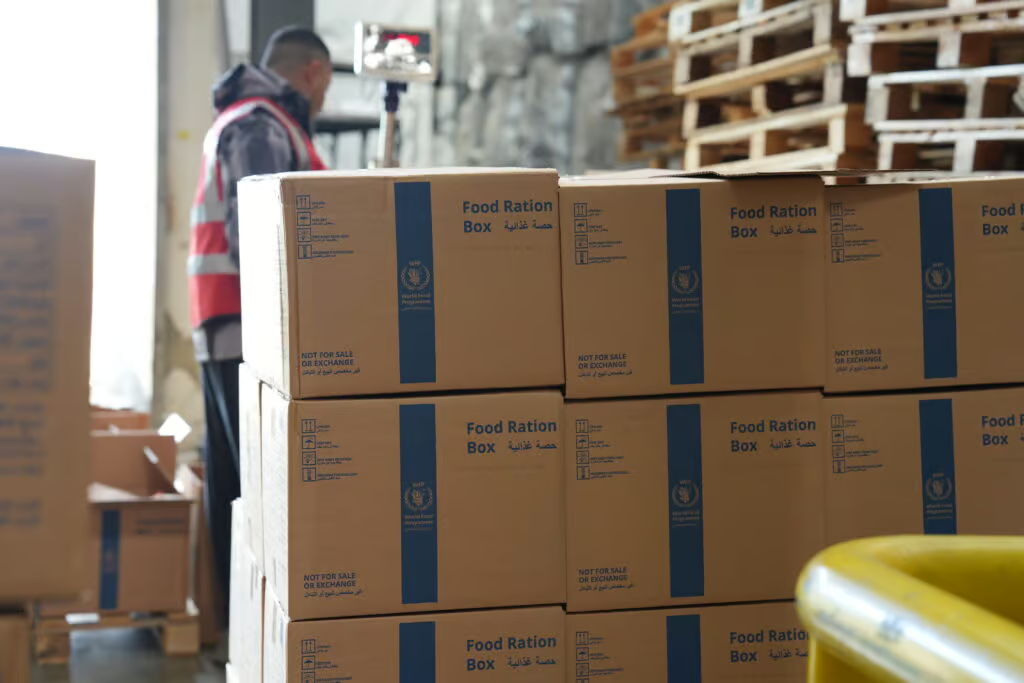
MIDDLE EAST CRISIS: Since late February, the escalation of conflict in the Middle East has cost many lives and displaced millions of people. A fragile ceasefire has brought a measure of calm, but the ripple effects continue to affect the region and the rest of the world.
WFP is facing the most significant humanitarian supply chain disruptions since COVID and the onset of the conflict in Ukraine. Trade routes are closed and insurance costs are higher, limiting the flow of essential goods and driving up import costs. At the same time, higher fuel prices are increasing transportation, storage and production costs across food supply chains. As a result, food prices are rising fast.
WFP immediately activated its rapid response at the start of the escalation of conflict, using its experience in complex emergencies to work quickly and reach those most in need. WFP is on the ground in countries like Lebanon and Syria to provide food and cash to hundreds of thousands of displaced people falling deeper into hunger each day. The agency is adapting its supply chains to keep food moving, cut costs and adjust operations in real time based on ever-changing circumstances.
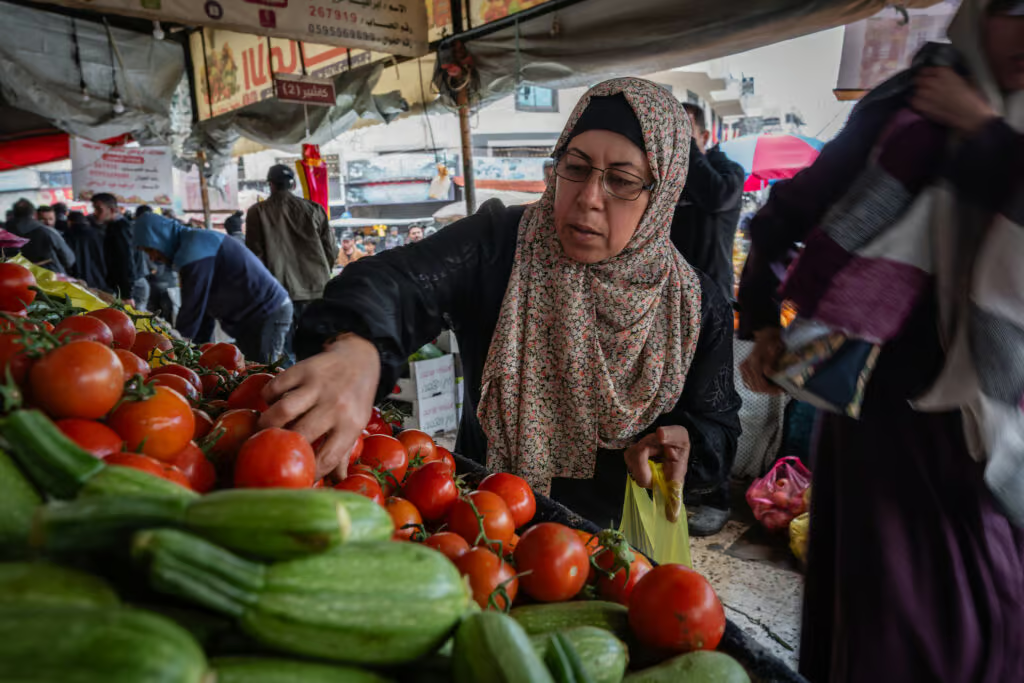
GAZA: Conflict in Gaza has displaced Hayat, a mother of four, to Deir al-Balah for over a year and a half. She can’t afford much fresh food due to rising prices. When she received a message from WFP about her digital payment, she was overwhelmed with joy. “I keep this money for food only, as I don’t want to spend it all and lose it,” Hayat says. “We bought fish and vegetables, and we kept [the rest of the money] for the end of the month.”
Eight months into the ceasefire, conditions in Gaza remain extremely fragile. Limited crossing points significantly restrict the amount of aid that can reach people. At least 1.6 million people are still facing acute hunger across the Gaza Strip and urgently need humanitarian aid. In response, WFP reached more than 1 million people in March through 50 distribution sites and helped 35 community kitchens produce about 350,000 hot meals each day. However, without an improved flow of deliveries across all corridors and crossings, WFP was forced to cut rations in half in February and March.

UKRAINE: Yulia struggles to support her two children due to her husband’s disability. He became ill and now needs to pay skyrocketing medical expenses, leaving little money for food and other essentials. WFP’s cash assistance has transformed their lives.
Yulia bought pigs, geese and animal feed, which had never been possible before. “We finally have a household,” she says. “We have work, purpose and a way to provide for our family.” She also sells wild mushrooms at a WFP-installed market, giving her an income in an area where jobs are scarce.
As conflict continues to rage in Ukraine, WFP’s work to reach people like Yulia has become more difficult. However, WFP continues to provide emergency food and cash assistance in conflict-torn areas of Ukraine. In February, the agency provided 135,000 people with food boxes in seven frontline regions.
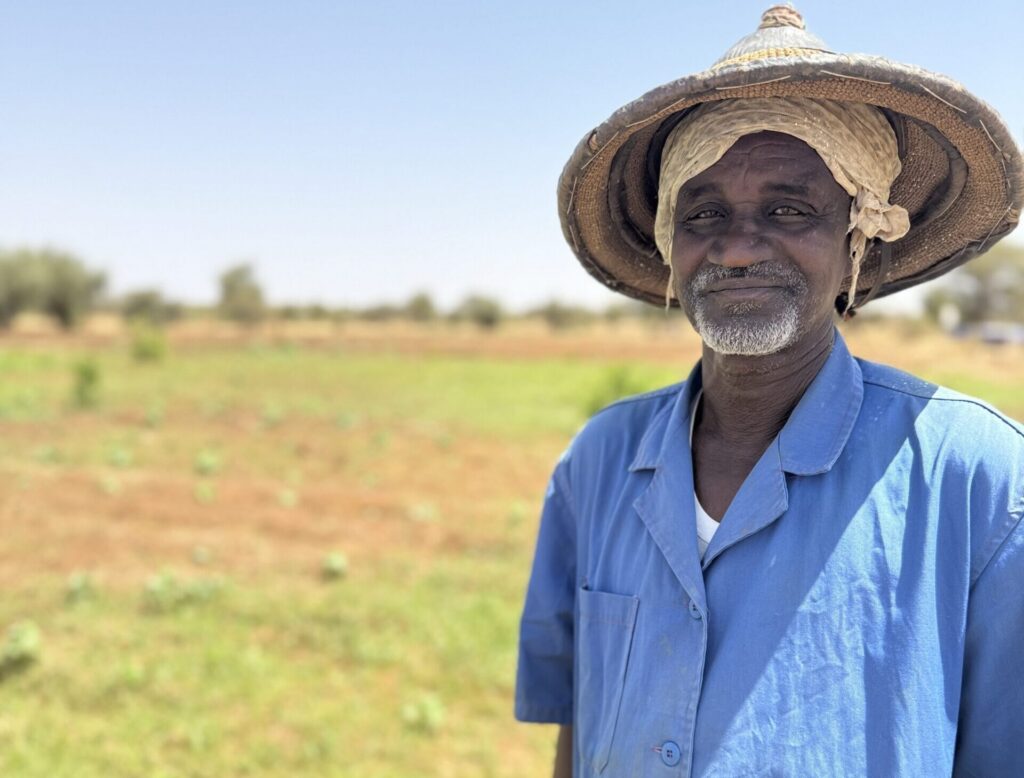
SENEGAL: In March, a group from World Food Program USA visited Senegal to see WFP’s lifesaving work firsthand. We traveled to Matam, one of Senegal’s poorest regions due to climate shocks that degrade the land and break down food systems.
We visited the Tékinguel Community Farm, where we saw what happens when WFP teaches communities how to grow their own crops and sell the surplus at local markets.The community leader of the farm cooperative explained, “When WFP came here, they explained to us what is possible and what we could receive. That’s why we created a cooperative in the community. Once WFP leaves, the cooperative will operate on its own.”
The community’s hard work and engagement allows the farm to thrive, earning every plot owner about $1,000 each harvest – a life-changing amount of money for families facing extreme hunger and poverty.
~
Read the full report to learn about WFP’s work in the Middle East, Gaza, Ukraine, Senegal and other places where people are experiencing extreme hunger.