By Barron Segar, World Food Program USA’s President and CEO
World Food Program USA celebrates María Corina Machado for receiving the 2025 Nobel Peace Prize. Her tireless commitment to peacekeeping is inspiring to everyone who works to make the world more humane. In honor of this moment, we recognize the continued need for peacebuilding and honor food as a foundational component to accomplish it.
The Nobel Peace Prize is a humbling recognition imbued with immense responsibility. In 2020, the World Food Programme (WFP) received the award for its efforts to build peace through food and to prevent the use of hunger as a weapon of war. That’s because conflict is the #1 driver of hunger, and for more than 60 years, WFP has worked on the frontlines of the world’s most dangerous places to deliver lifesaving food. We go where others can’t or sometimes simply won’t. Today the need for our work has never been more necessary.
Despite a massive funding shortfall and increasingly dangerous conditions, WFP is still on the ground in 123 countries and territories, dedicating more than 80% of their time and resources to crisis zones. And even with limited resources, WFP still works to address the root causes of hunger and reduce tensions that could escalate into greater conflicts.
In the five years since WFP was awarded the Nobel Peace Prize, conflicts have increased and extreme hunger has doubled. Right now, families living in two of the world’s most extreme conflict zones – Gaza and Sudan – are literally starving. Globally, more than 150 million children under the age of 18 are severely hungry. That’s three times the entire U.S. student population from pre-K to 12th grade.
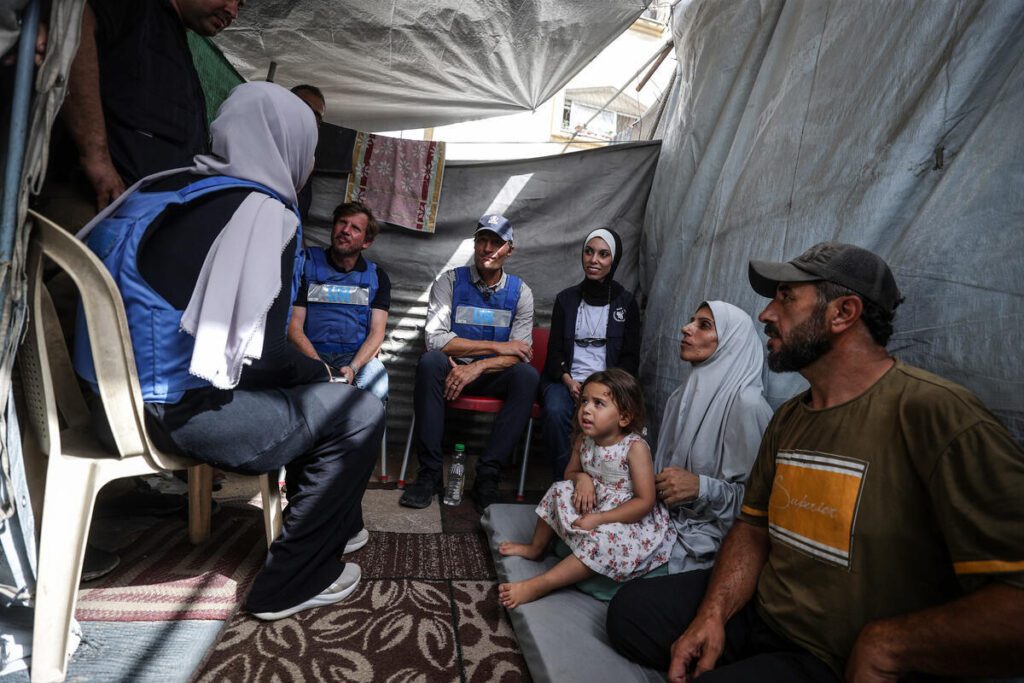
We’re at an inflection point as conflicts become more frequent, more violent and more entrenched. We’re witnessing the highest number of armed conflicts since the end of World War II, forcing millions of people from their homes. Imagine if every U.S. citizen from Maine to Florida was fleeing on foot, crowding streets, desperate for food and safety. That’s the scale of this crisis, and civilians aren’t the only ones being targeted. Last year was the deadliest on record for humanitarian workers trying to prevent the very violence that befell them.
This is not just a failure of one person, but it is a collective responsibility for all of us to resolve. The worst of humanity made this, and now we must partner together to unmake it. We must form allegiances, gather our resources and build peace as ferociously as we’ve waged war. We must foment peace with food.
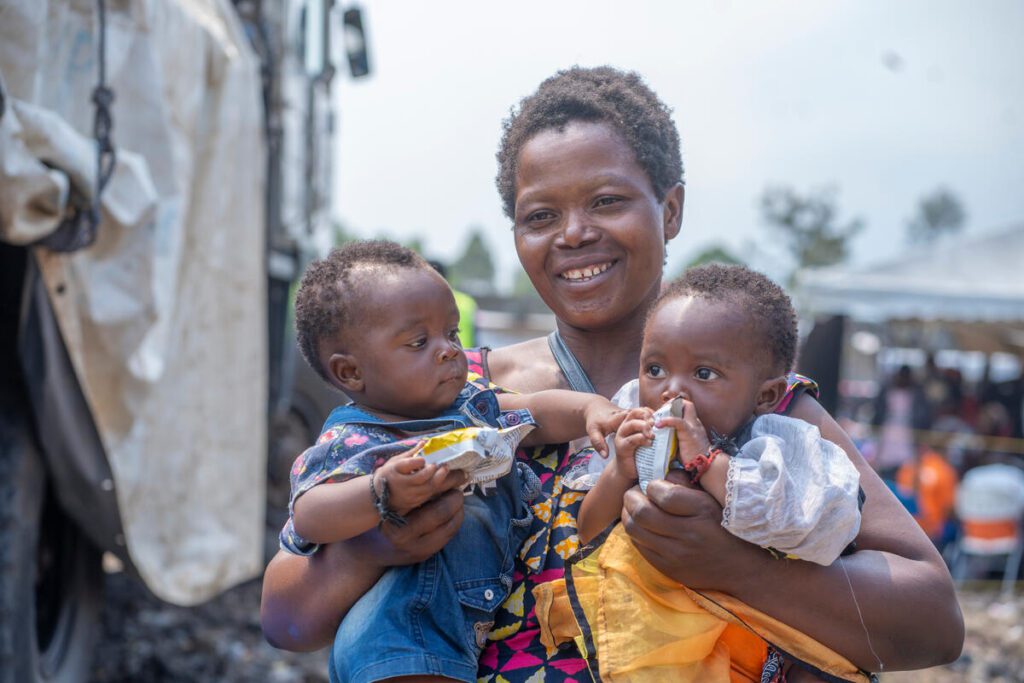
Hunger is the world’s most solvable problem. We need only muster the collective will to achieve it. Our miraculous planet produces more than twice enough food to nourish every single one of us. But simply saying we have enough doesn’t solve the challenge of hunger. The problem lies both in the maintenance of supply lines and distribution of aid, but also in getting engaged and staying motivated in the work to end hunger.
As we embark on the work before us, I ask you to choose action over apathy, because optimism will always beat cynicism. And because collaboration has always been – and always will be – a more powerful force than isolation. I urge you to reject hunger as a fact of life. That’s a falsehood we use to absolve ourselves of guilt and blame. If we succumb to the belief that war is inevitable, then we’ve lost more than the fight against hunger. When we wage peace, we reaffirm what it means to be human.
Over the last decade, WFP has worked with 15 million people across 50 countries to build roads and ponds, plant trees and restore land. These programs reduce competition over food and water and build community as people work together to fight hunger, not each other.

Today, as the world celebrates the 2025 Nobel Peace Prize recipient, it’s vital that we do all that we can to build peace by ending hunger. Those who have partnered with WFP’s efforts have saved and changed the lives of millions of children, women, and men. But as wars continue and peace eludes the hungry, WFP, our partners and supporters will be there, continuing our work for as long as we’re needed.
____________________________________________________________________________________________
It’s vital that we do all that we can to build peace by ending hunger. Those who have partnered with WFP’s efforts have saved and changed the lives of millions of children, women, and men. But as wars continue and peace eludes the hungry, WFP, our partners and supporters will be there, continuing our work for as long as we’re needed.
To learn more about WFP’s work in conflict zones and how you can make a difference, visit our Conflict Hub.