World Food Programme Forecasts Global Hunger Hotspots as New Decade Dawns
The sheer scale and complexity of the challenges in Africa and other regions will stretch the resources and capacity of WFP and other agencies to the limit.

The sheer scale and complexity of the challenges in Africa and other regions will stretch the resources and capacity of WFP and other agencies to the limit.
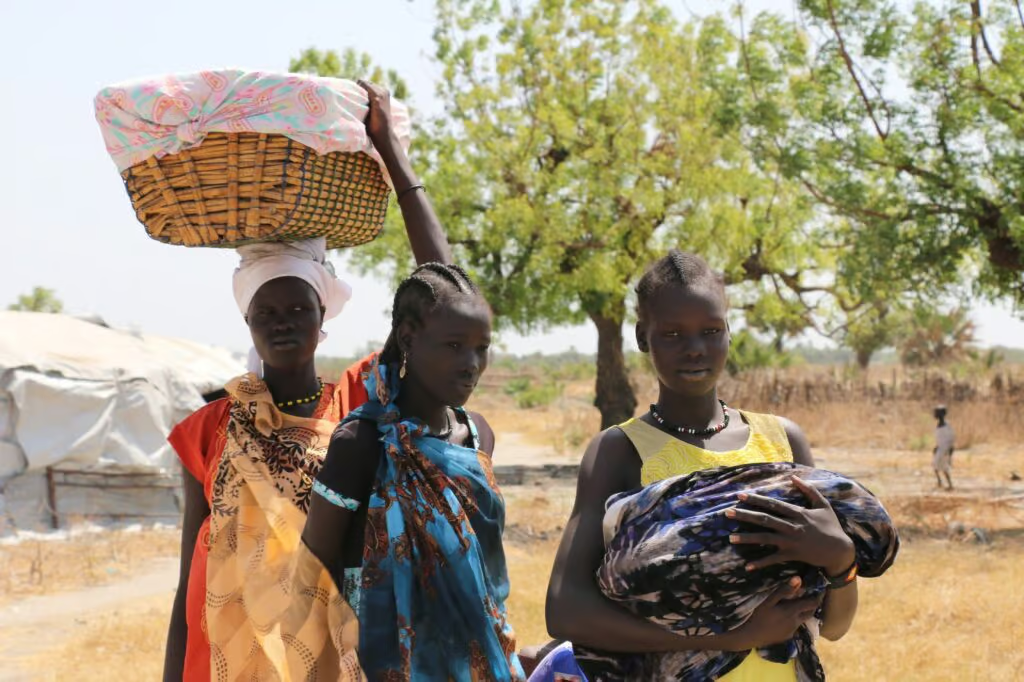
WFP is in a race against time to mobilize vital funds to feed millions of people in South Sudan as hunger advances on a population in dire need of humanitarian assistance.

First the first time in nearly eight years, three WFP-contracted barges sailed to South Sudan with enough food to feed 370,000 people for one month.
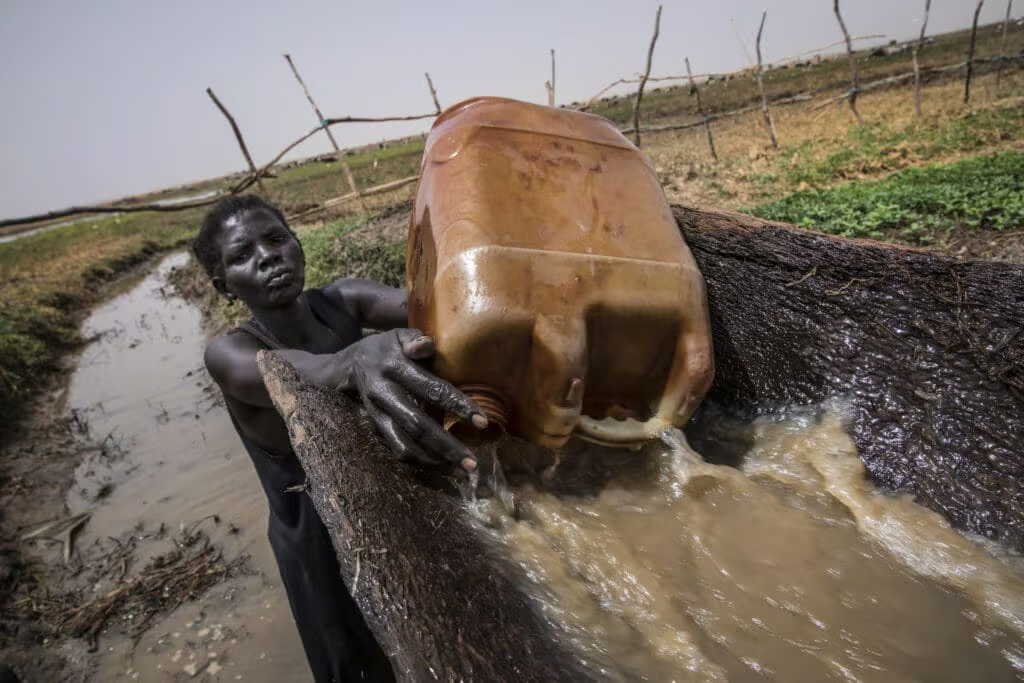
Extreme weather events are rapidly increasing hunger and malnourishment. From hurricanes and flooding to droughts and desertification, these six stories portray the very real, very human impacts of a warming world.
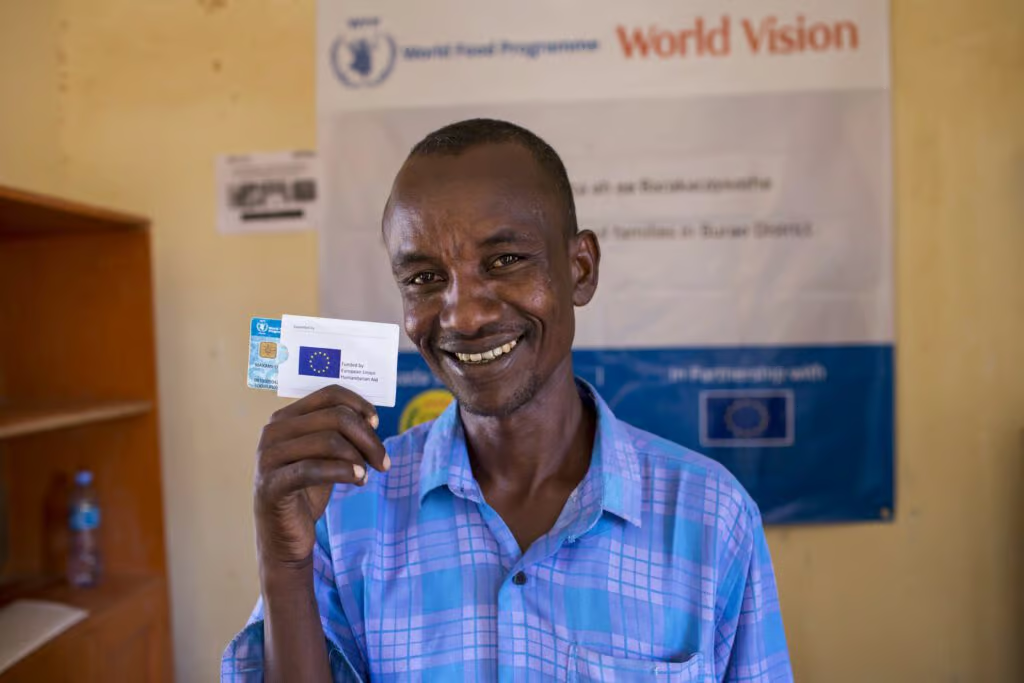
This first-of-its-kind data exchange involves IOM’s BRaVE and WFP’s SCOPE systems, which will improve efficiency in the delivery of assistance.
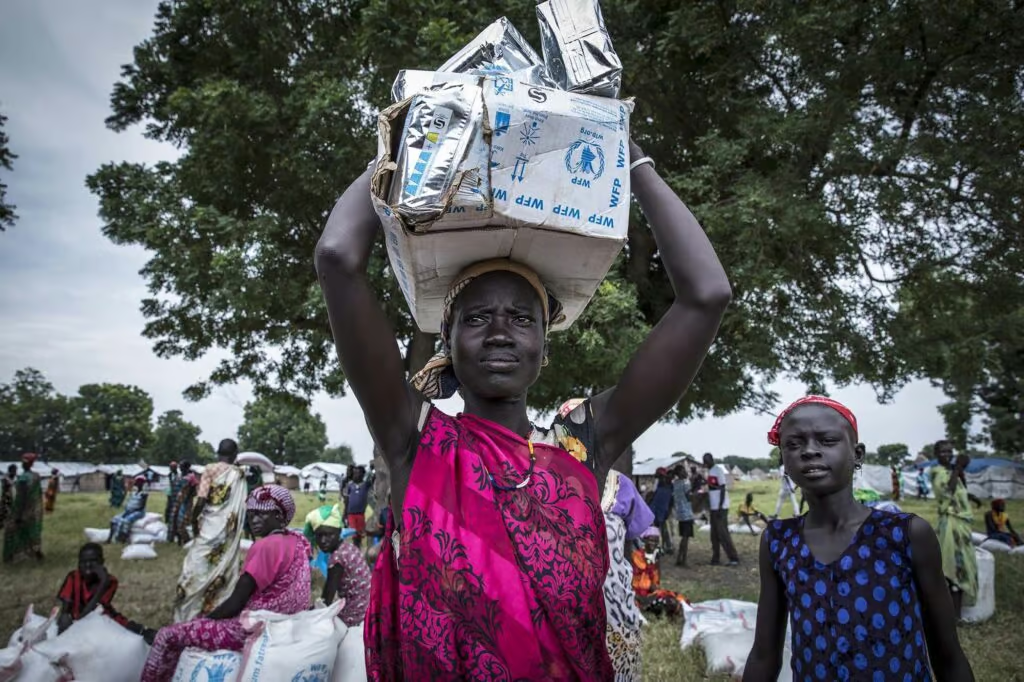
WFP faces a dizzying number of challenges in delivering assistance to the 5 million people who need it. Abductions, looting, harassment and illegal checkpoints are only the beginning.
Three UN agencies warn that 61% of the population – the highest rate ever – is projected to face crisis levels of food insecurity or worse by the end of July.
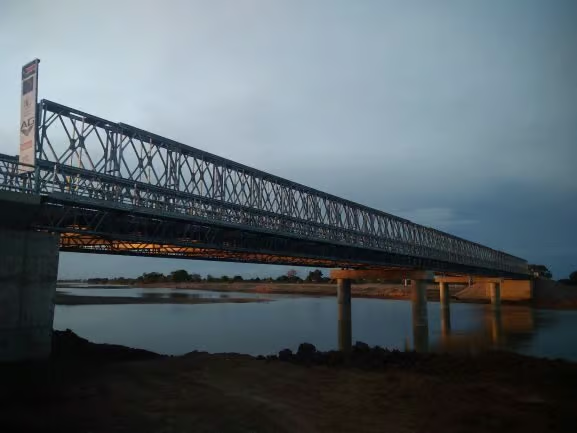
The 400-foot long bridge will connect tens of thousands of people and is key not only for humanitarian operations but is expected to boost farm-to-market access and commercial activities in the region as well.
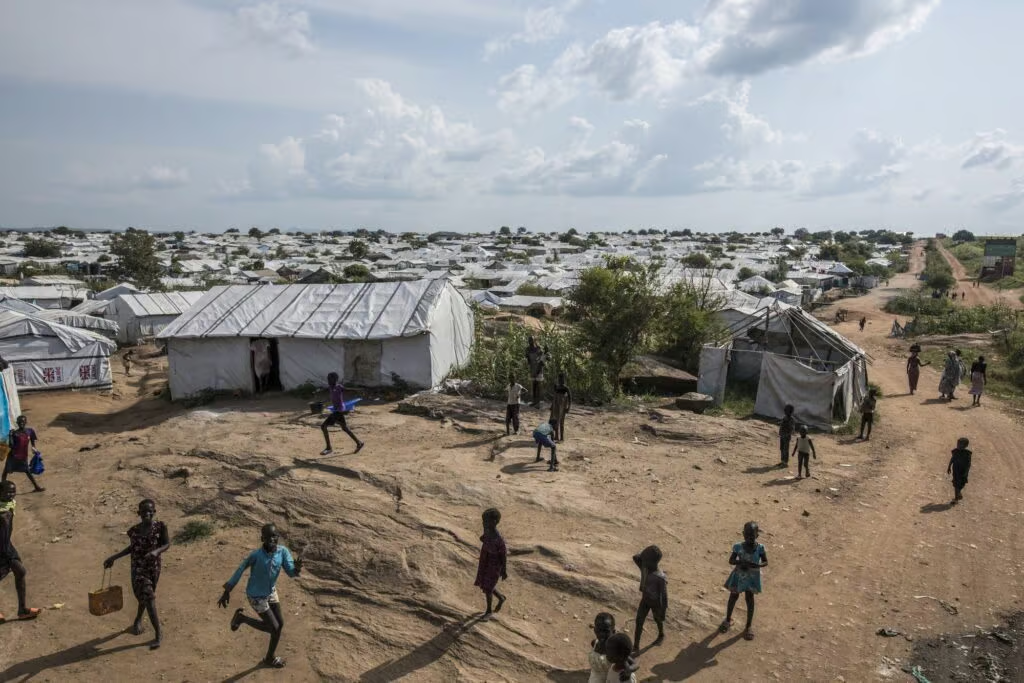
It’s been almost two years to the day since famine was declared in South Sudan. They still need our help.

A look at what 2018 meant for the World Food Programme (WFP) and the millions of people it serves.