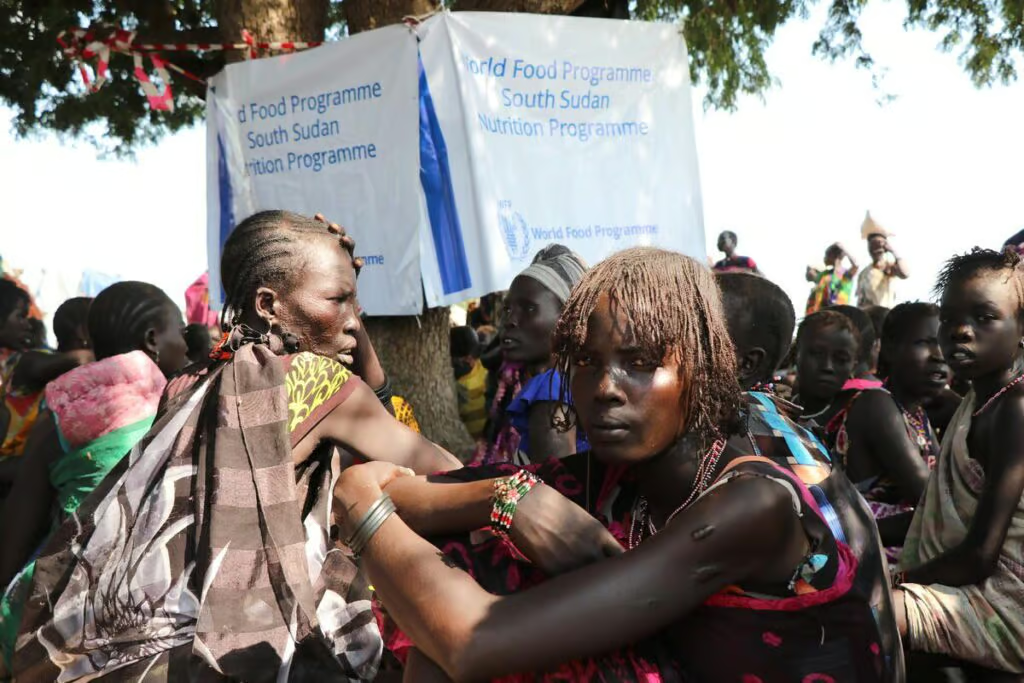
UN Agencies’ Alarm at Worsening Hunger in South Sudan
Conflict, floods and COVID-19 are pushing more people into extreme hunger.

Conflict, floods and COVID-19 are pushing more people into extreme hunger.
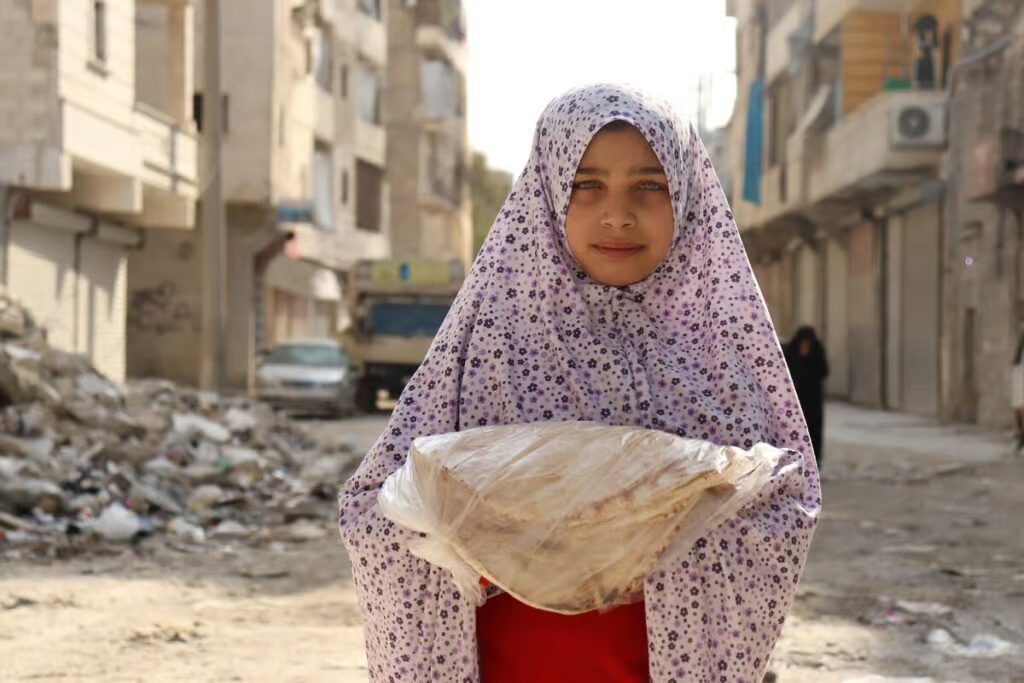
The Nobel recognition of the United Nations World Food Programme comes as famine again threatens millions of people, especially in four conflict-affected countries.

Humanitarian advocate Rima Fakih and NYTimes columnist Nicholas Kristof joined WFP’s Valerie Guarnieri and moderator Femi Oke for a lively exchange on how this triple threat has upended the health and security of billions of people around the world.
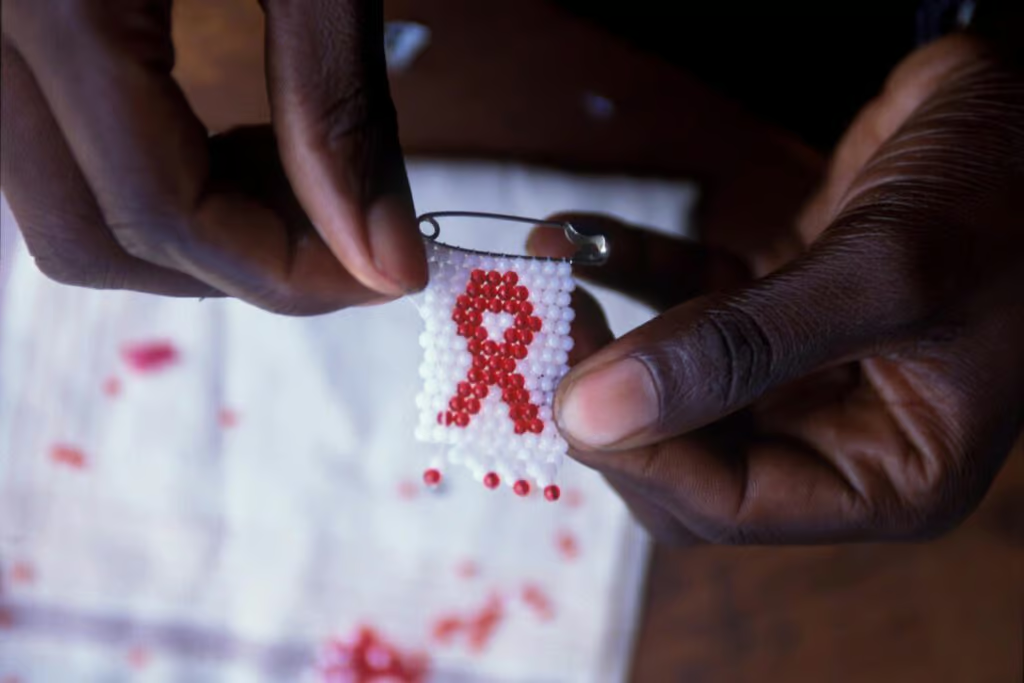
Many people don’t realize the strong link between hunger and AIDS, but it is one of the major reasons why I became president and CEO of World Food Program USA.
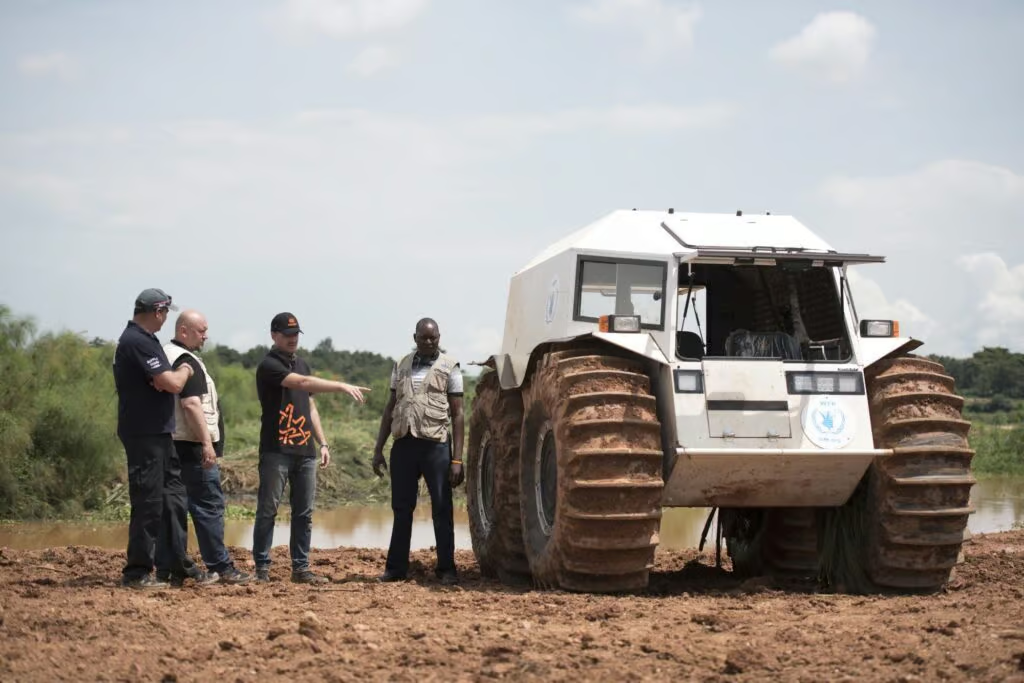
Meet the river fording, jungle trekking, all-terrain vehicle that’s helping WFP get food to people in the most remote places.

In fragile and conflict-hit countries, it’s not the virus itself that will do most harm. It’s the missed vaccinations, the missed education and the missed daily wages that means a family can’t eat.
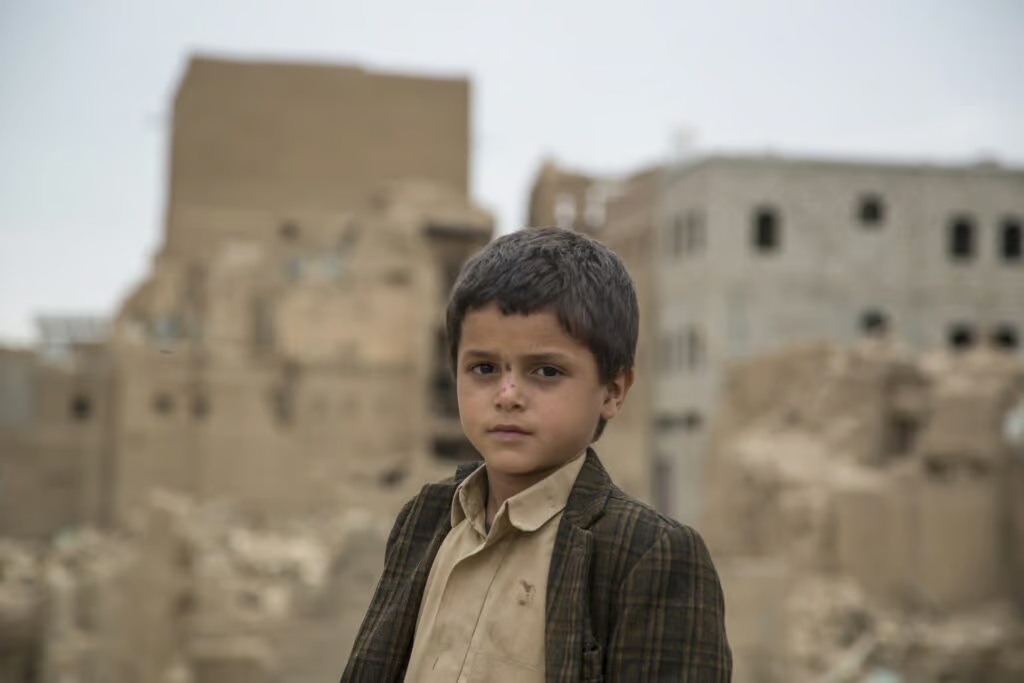
Two years ago, the UN Security Council unanimously adopted Resolution 2417, banning hunger as a weapon of war. Here we reflect on its significance and what difference it’s made.

Burkina Faso, northeastern Nigeria, South Sudan and Yemen are facing famine from a toxic combination of conflict, economic decline, climate extremes and coronavirus.
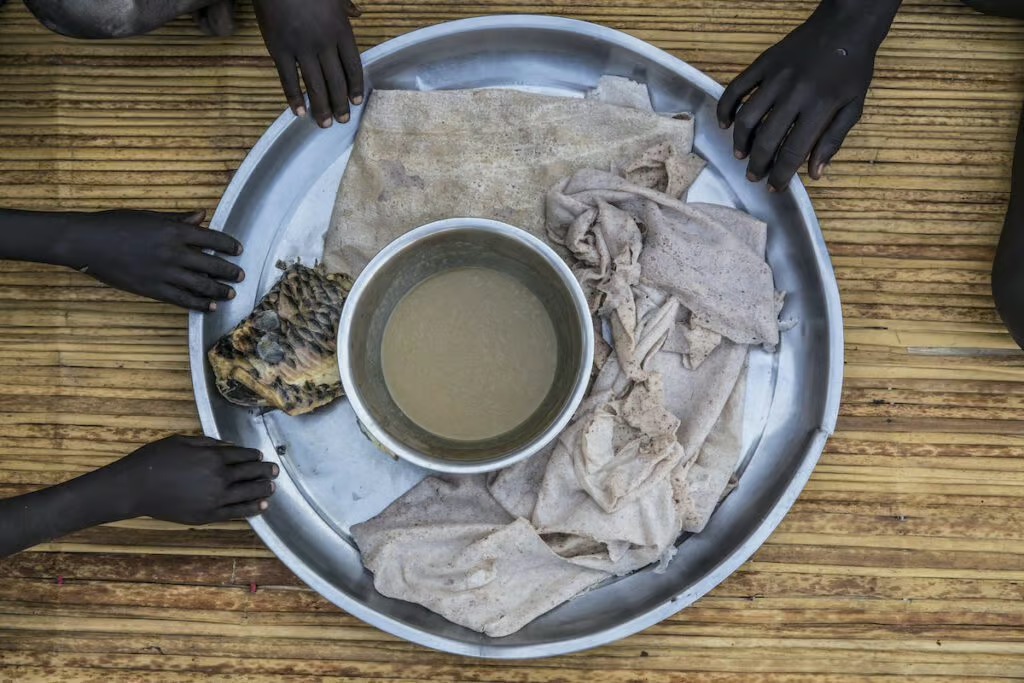
A new report exposes the destructive impact of conflict, climate change and economic crises, now compounded by COVID-19, in driving up hunger.
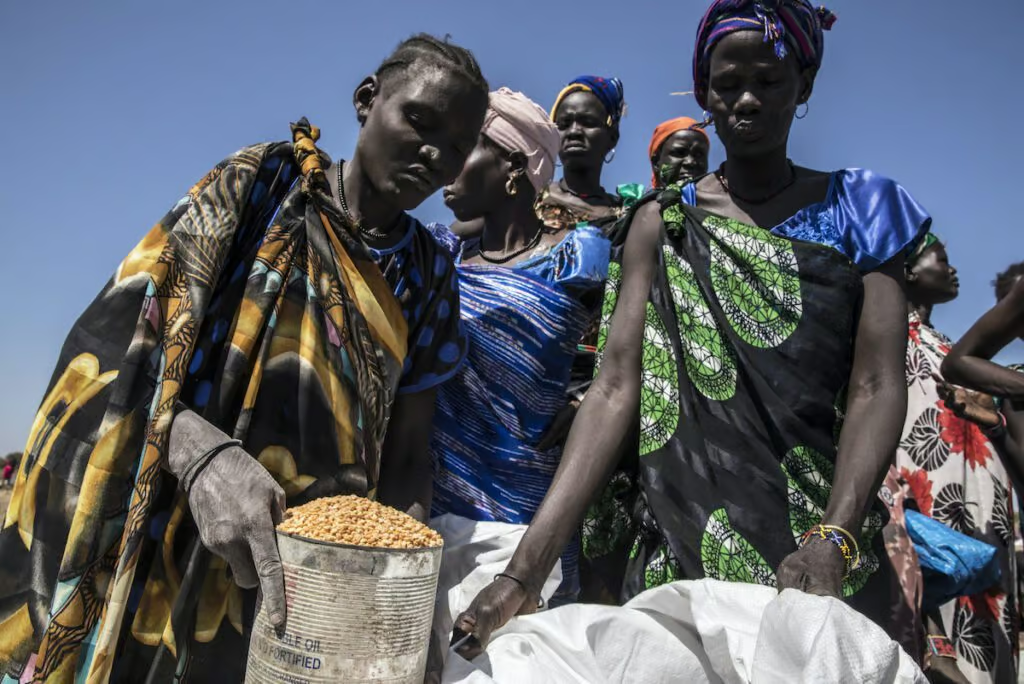
Fighting is keeping farmers from their fields and livestock keepers from their traditional grazing patterns: the violence is causing long term food insecurity across the region.