As Needs Surge and Funding Collapses, South Sudan Faces Its Most Dangerous Humanitarian Moment in Years
This is a transcription of what was said by Matthew Hollingworth, WFP’s assistant executive director for programme operations.

This is a transcription of what was said by Matthew Hollingworth, WFP’s assistant executive director for programme operations.

Refugees and asylum seekers in South Sudan face severe hunger as funding shortfalls threaten critical food and nutrition assistance.
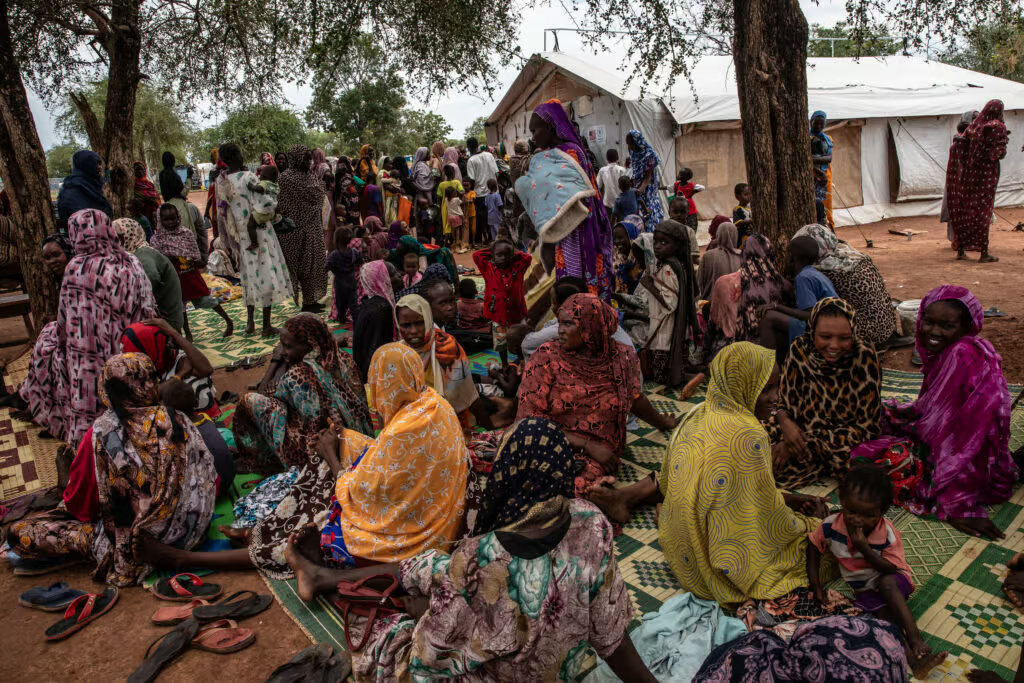
UNHCR and WFP warn that funding shortfalls could cut lifesaving food and nutrition assistance for 650,000+ refugees and asylum seekers.

WFP has scaled up its emergency response in Akobo, South Sudan, delivering vital food and nutrition aid to people facing catastrophic hunger.
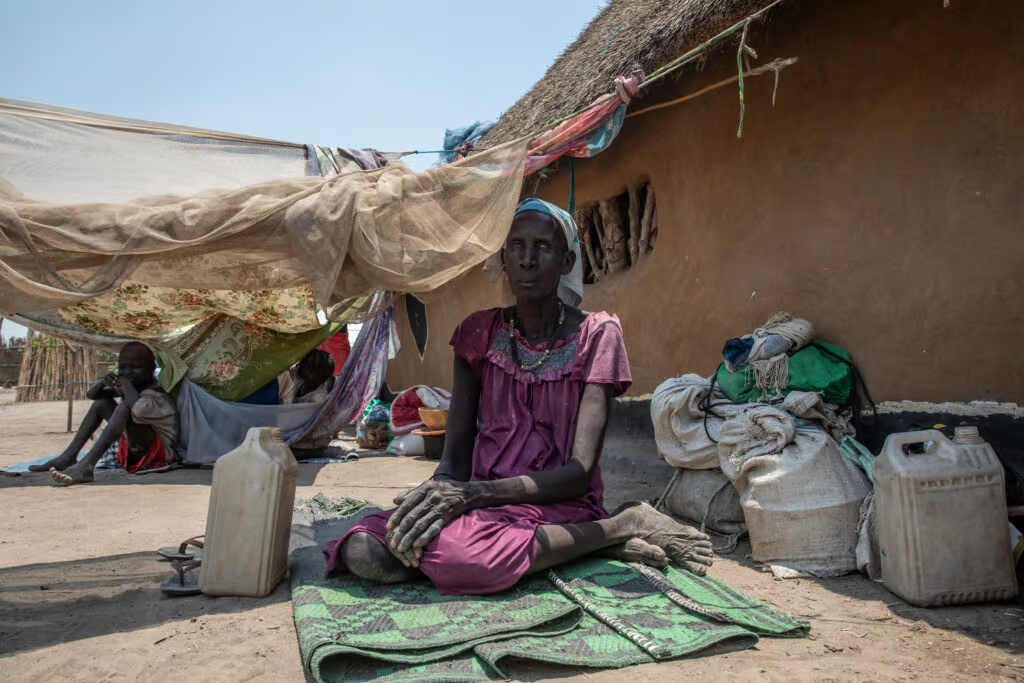
This was originally posted on wfp.org Conflict and displacement drive worsening crisis, with risk of famine in hardest-hit areas; nearly 700,000 children in danger of
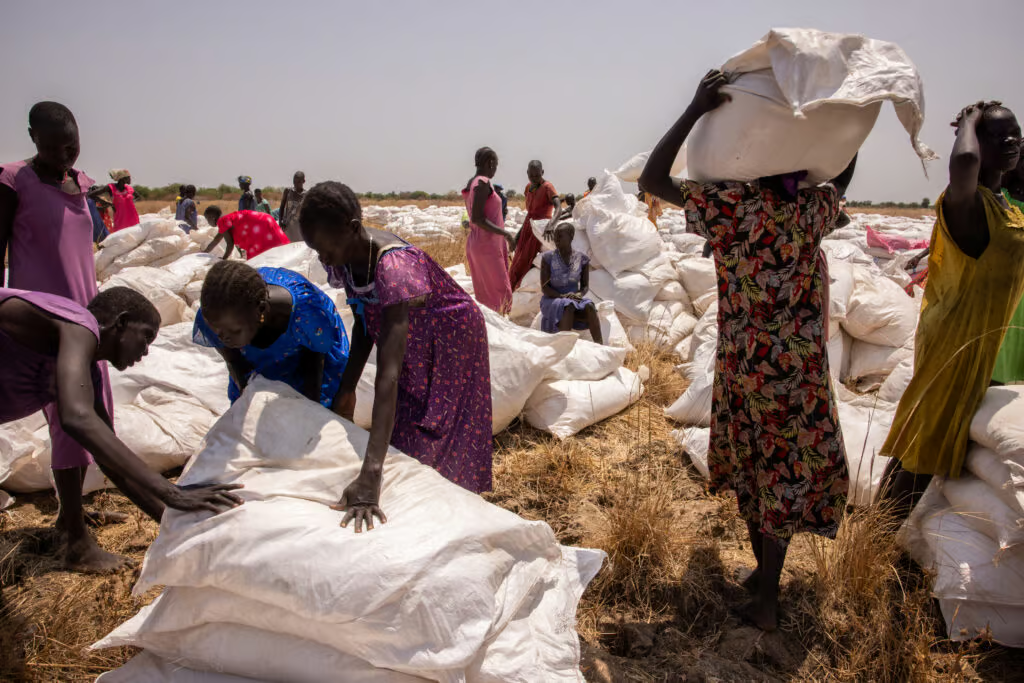
WFP is scaling up its emergency response to reach people forced to flee spiraling conflict in South Sudan’s Jonglei state.
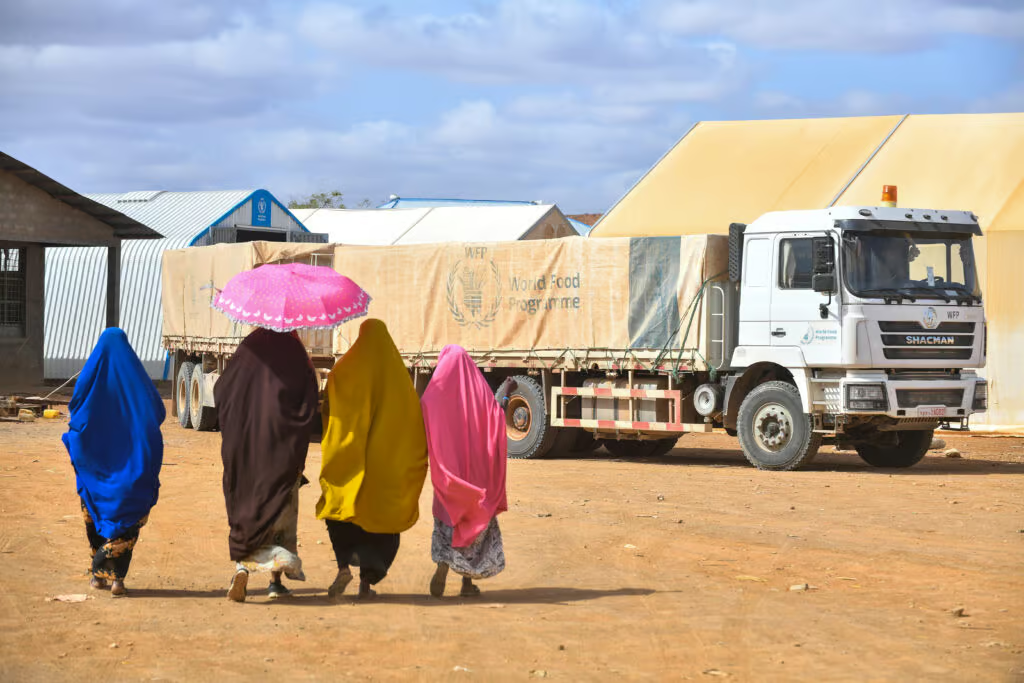
A UN interagency convoy has reached Dilling and Kadugli, South Kordofan, with lifesaving humanitarian supplies to assist over 130,000 people.
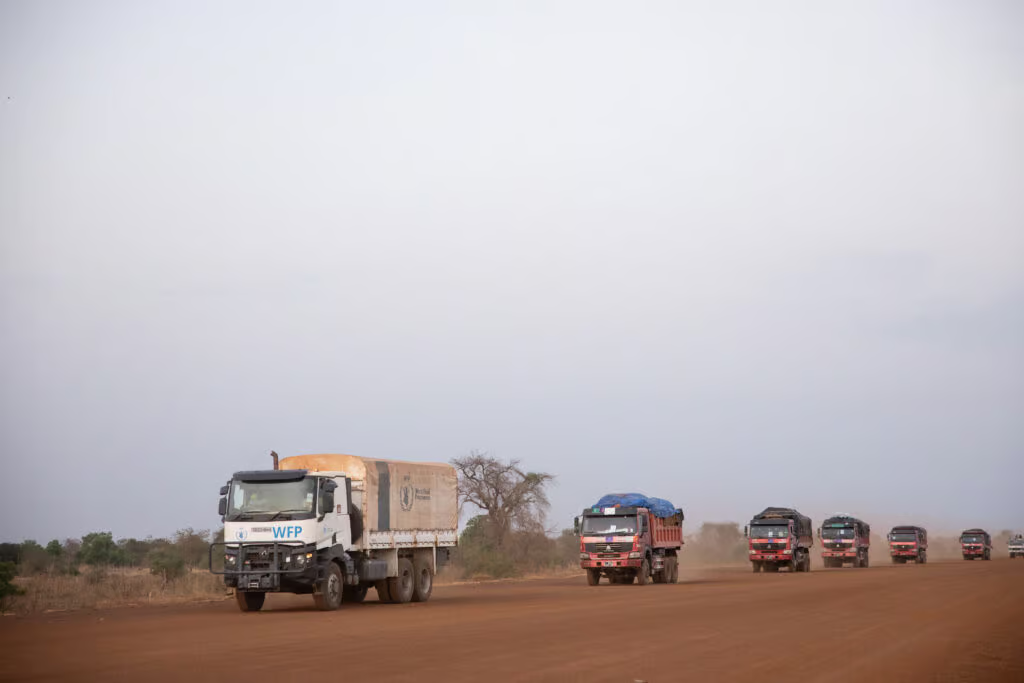
WFP is today on all parties to the conflict to urgently halt military operations, de-escalate the situation and allow safe humanitarian access to deliver lifesaving food assistance to hundreds of thousands of people in South Sudan’s Jonglei State.
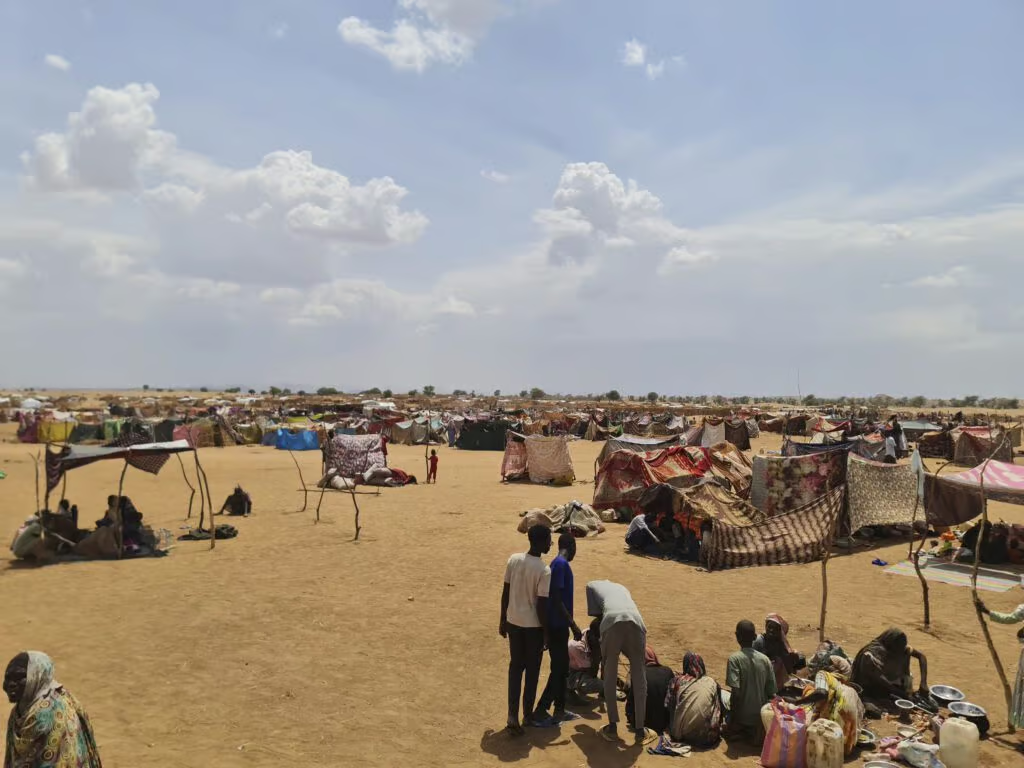
A new joint report by FAO and WFP warns that acute food insecurity is deepening in 16 hunger hotspots, which could drive more into famine.
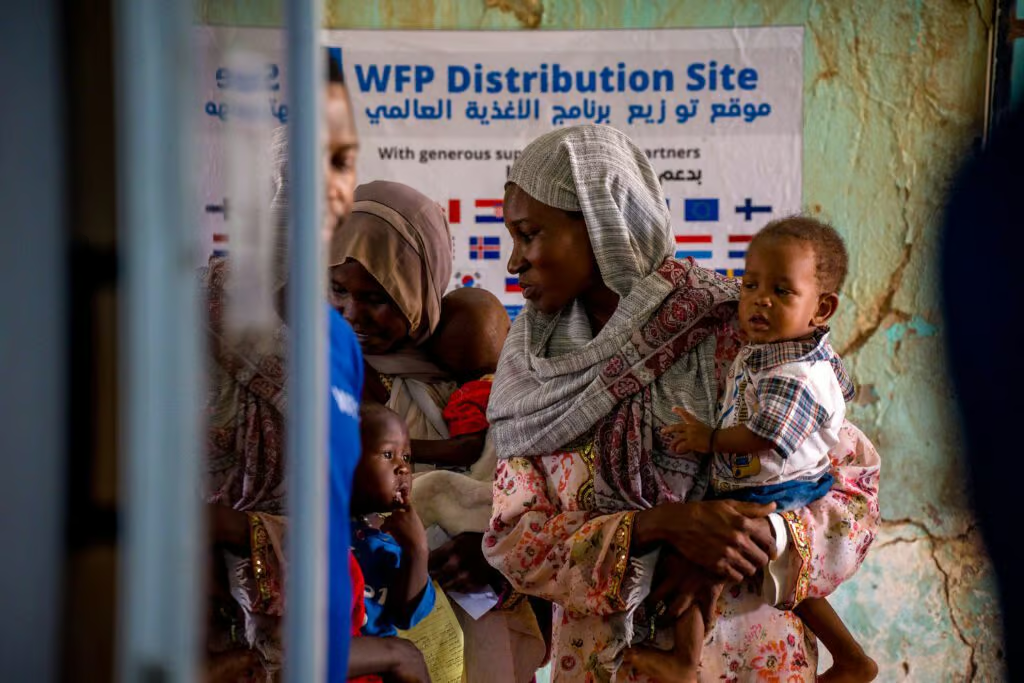
South Sudan continues to face a severe food and nutrition crisis, which is threatening to deteriorate further.