The Sahel
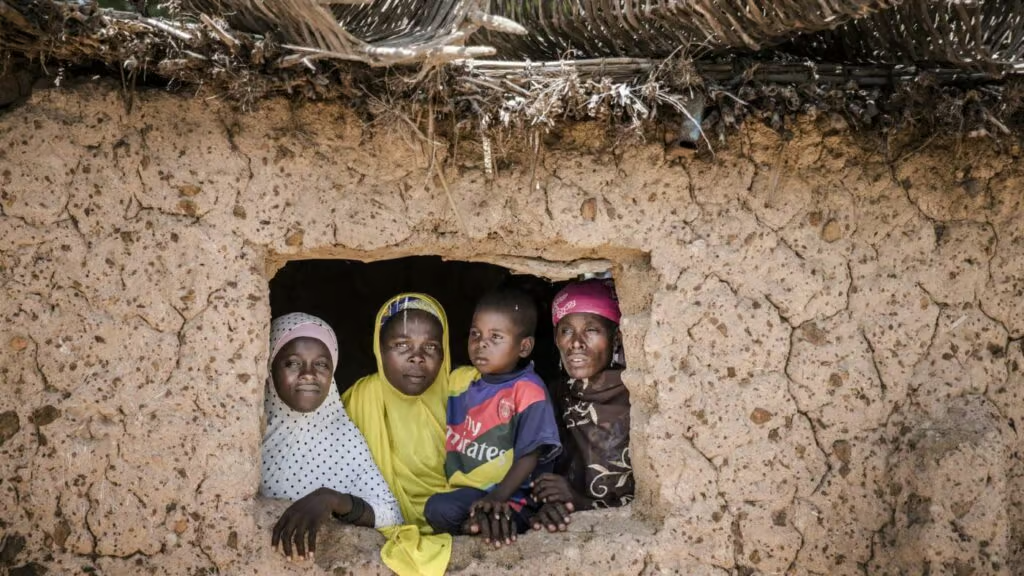
Comprised of Burkina Faso, Mali and Niger, the Sahel sits just below the Sahara desert and has become one of the world’s worst hunger emergencies.

Comprised of Burkina Faso, Mali and Niger, the Sahel sits just below the Sahara desert and has become one of the world’s worst hunger emergencies.
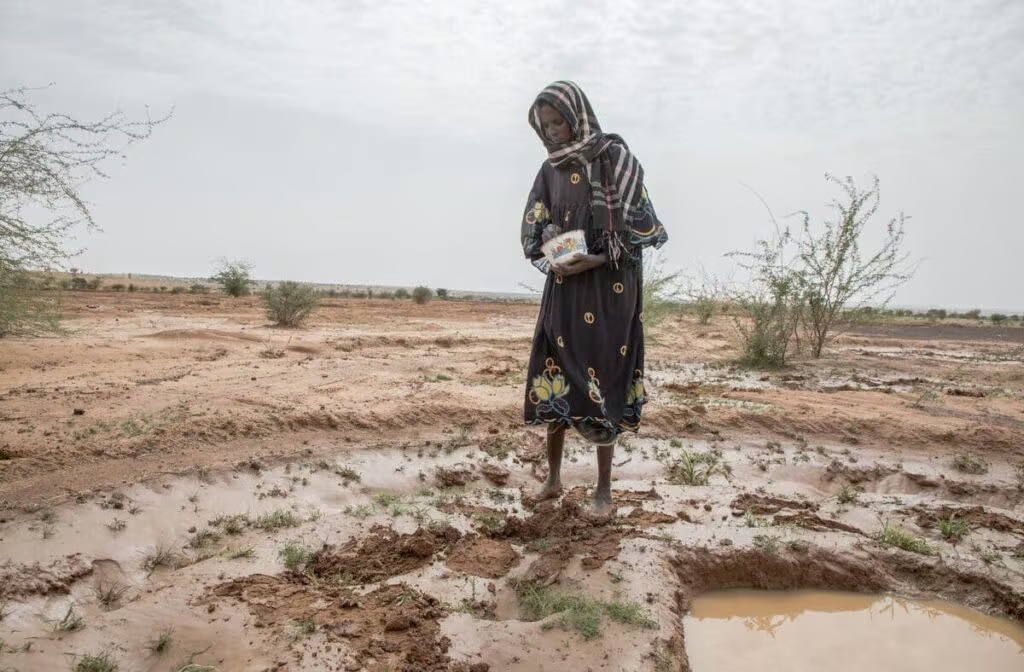
Niger is a landlocked and food-deficit Sahel country. Gender disparities persist and continue to strongly challenge the country’s development.
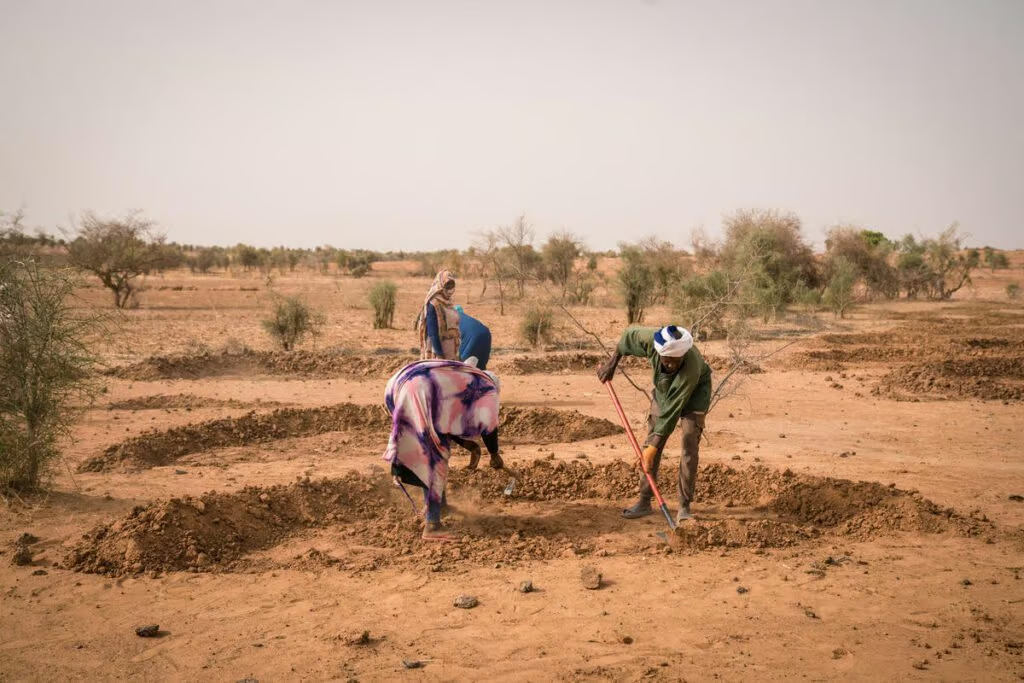
WFP is ramping up its lifesaving food and nutrition assistance program in West and Central Africa, targeting 7.3 million people during the ongoing June-August lean season, when food stocks run out and hunger peaks.

The climate crisis is causing more frequent and intense weather events. From droughts to hurricanes to floods, these climate extremes are causing hunger and poverty.

The war in Ukraine is violently disrupting the global trade of food, fertilizers and oil products, with the already high prices of agricultural products reaching record highs not seen in West Africa since 2011.
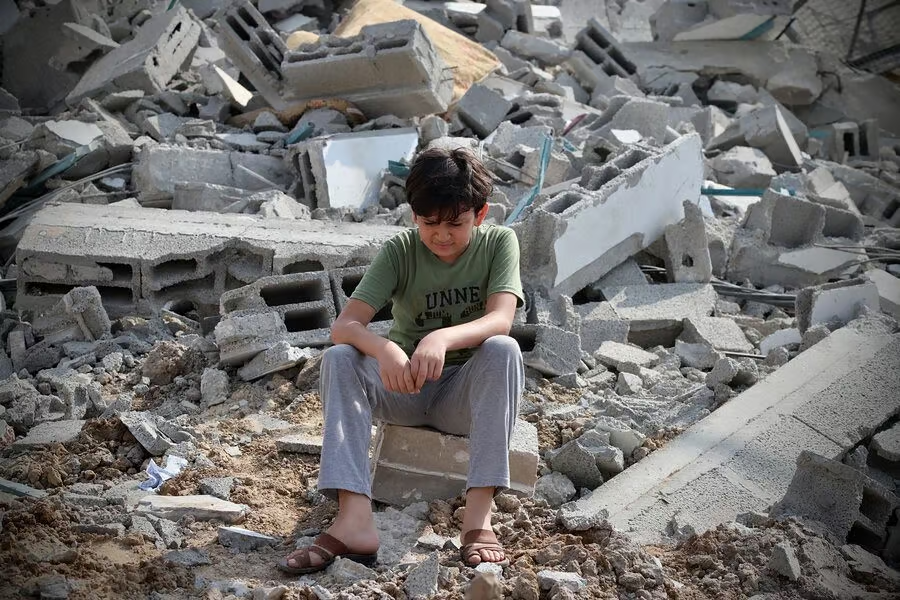
Conflict is the primary driver of hunger worldwide. Here are the places where conflict is active and driving food insecurity.
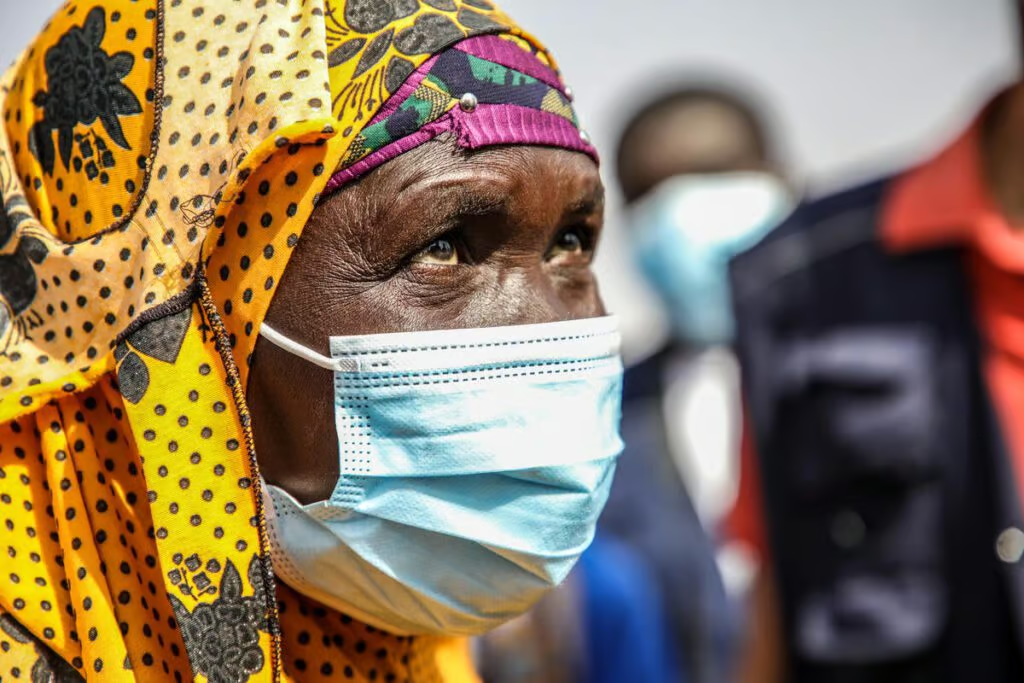
The number of people on the brink of starvation across the Sahel has increased almost tenfold over the past three years and displacement by almost 400%.
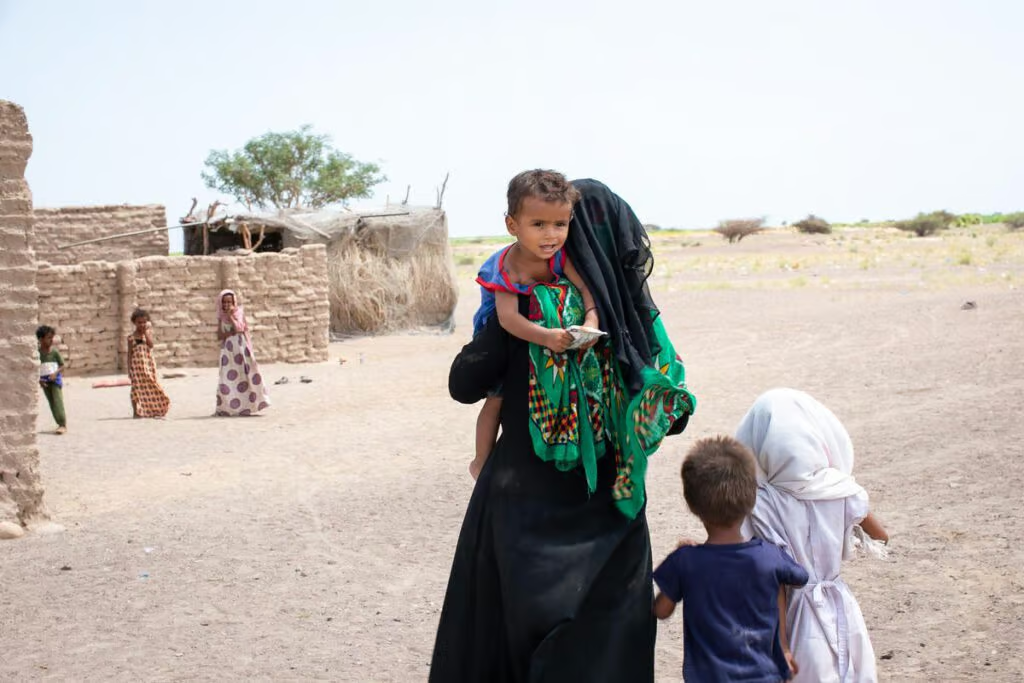
WFP staff in Yemen, the Central Sahel and Sudan share their thoughts on what peace would mean for families caught in the crossfires of hunger and conflict.
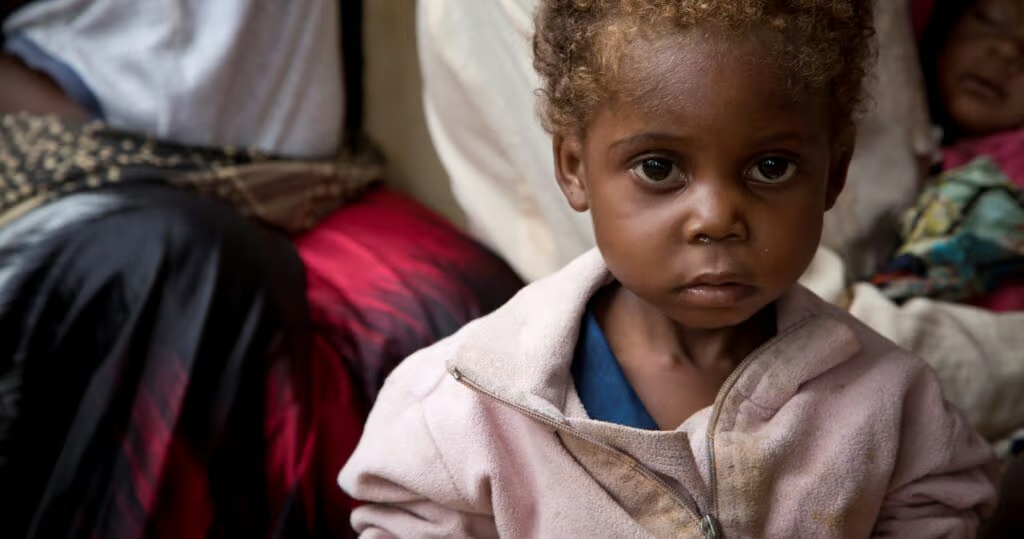
Conflict is a vicious force, and one that’s pushed innocent civilians to the most extreme levels of hunger imaginable. Nearly all of them live in the same places.
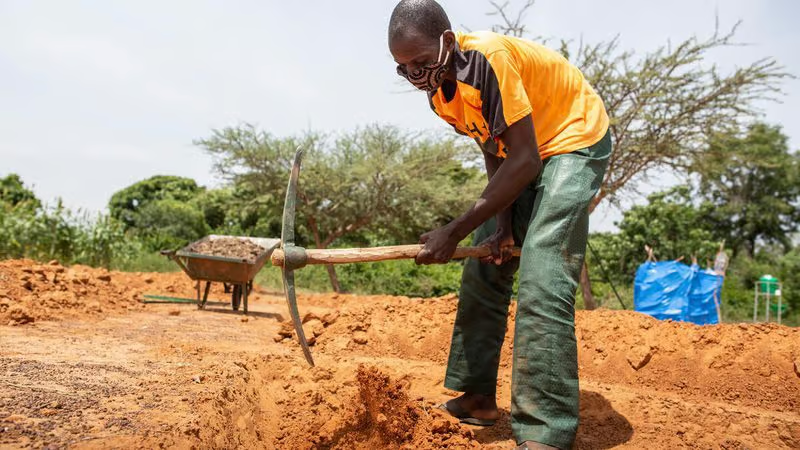
The Central Sahel is in crisis, yet “nobody is truly interested and everyone just stands by watching tragedy develop in front of our eyes,” says WFP’s Margot van der Velden.