WFP scales up emergency food support for Colombian earthquake survivors
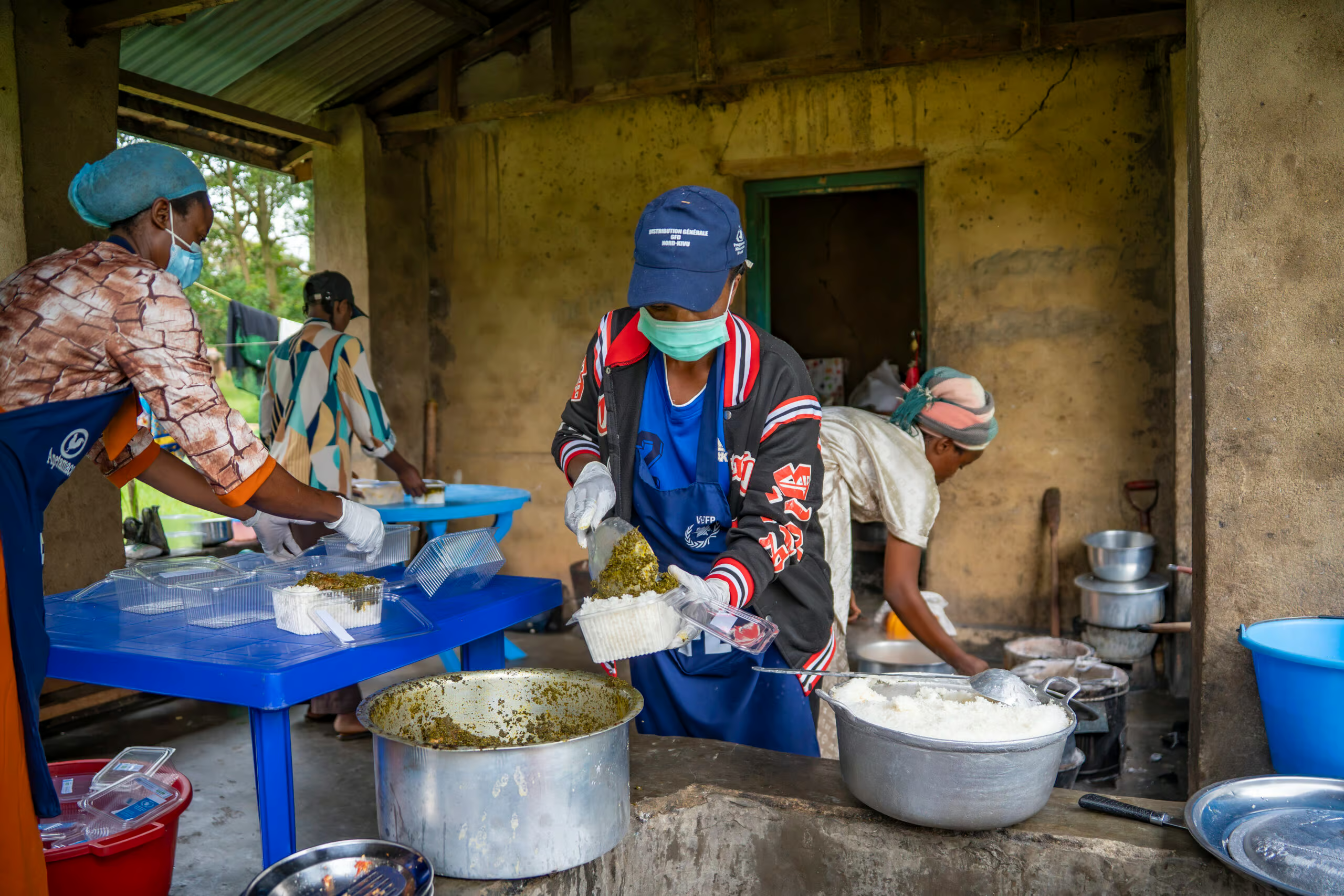
WFP is expanding emergency food assistance after the August 10 earthquake, supporting survivors in some of the country’s hardest-hit areas.

WFP is expanding emergency food assistance after the August 10 earthquake, supporting survivors in some of the country’s hardest-hit areas.
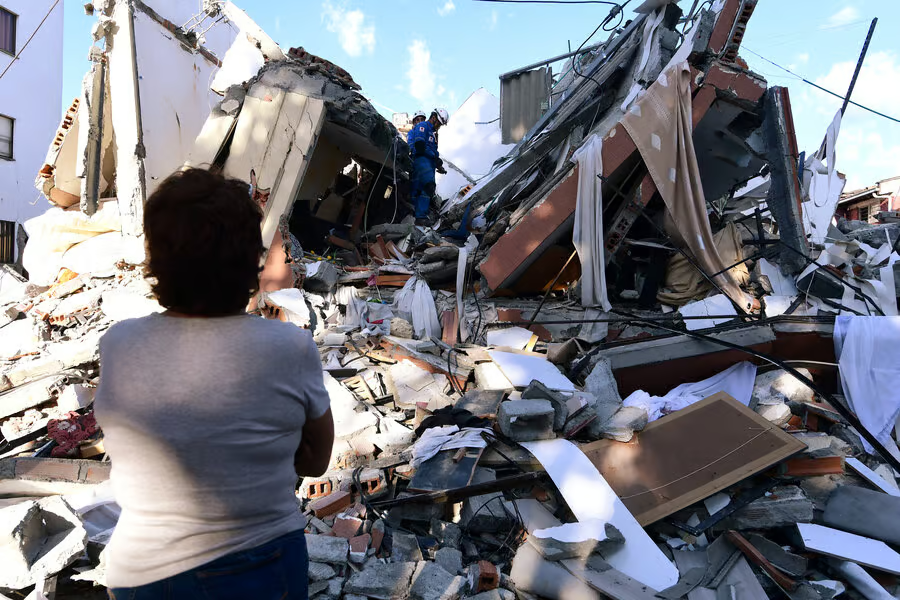
Disaster is intensifying hunger and displacement. WFP is prepared to scale up emergency assistance where it is needed most.

Our hearts go out to all those affected by the powerful 7.4 magnitude earthquake that struck Colombia on August 10, causing severe damage to buildings and forcing evacuations.

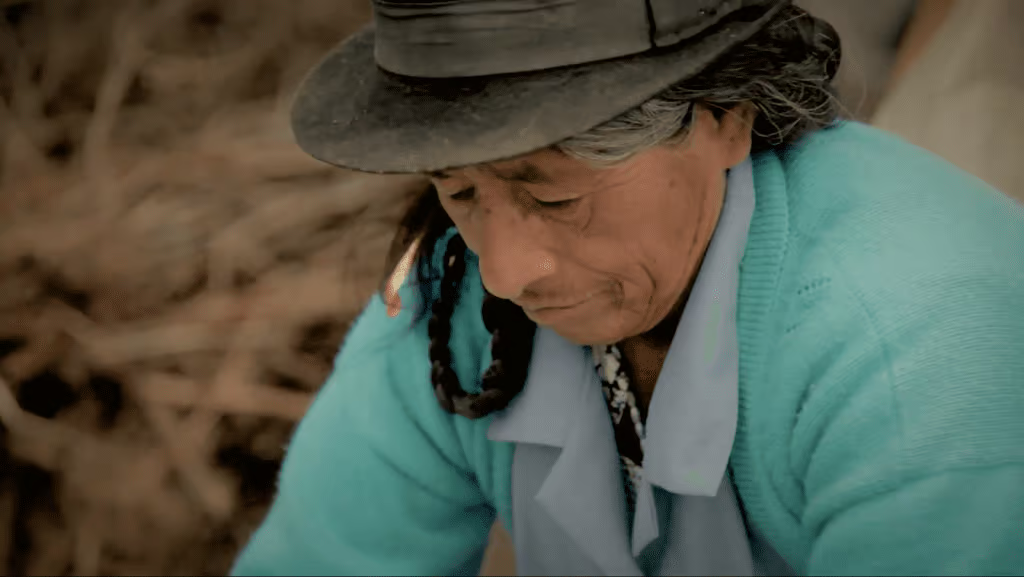
The Colombian conflict left hundreds of thousands of people dead and displaced millions. Ethnic minorities – including indigenous and Afro-Colombian communities – in former conflict zones are paying a heavy price for years of marginalization.
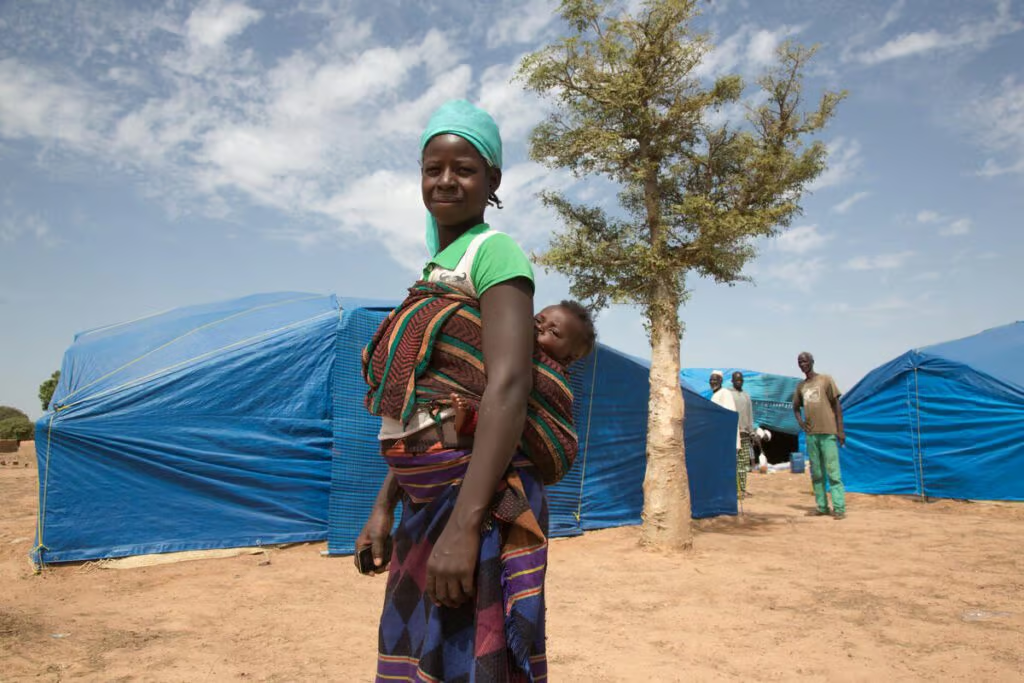
WFP never abandons hope. We’re applying it in spades to roll back one of the most severe hunger catastrophes in our six decades of existence.
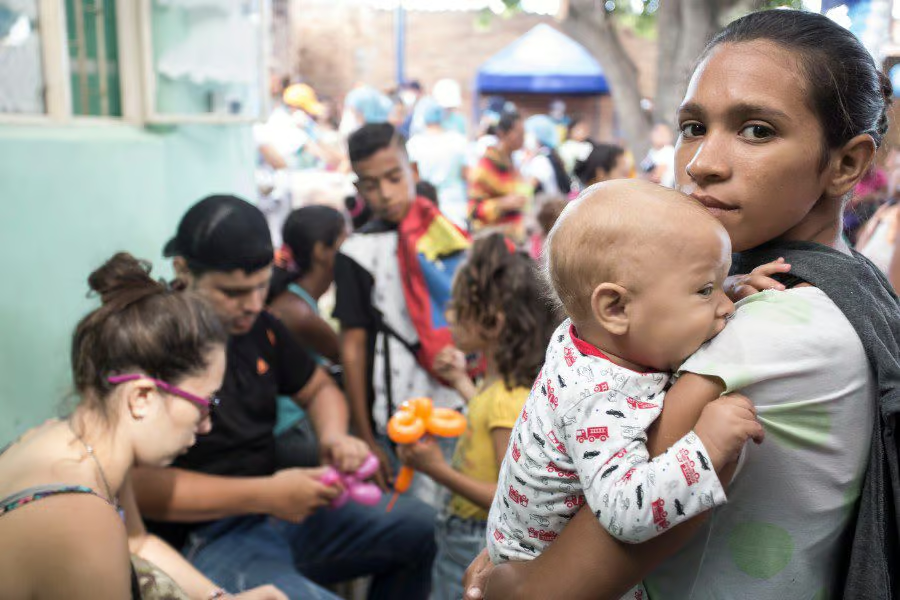
Latin America and the Caribbean is expected to register an alarming 269% rise in the number of people facing severe food insecurity compared to 2019.
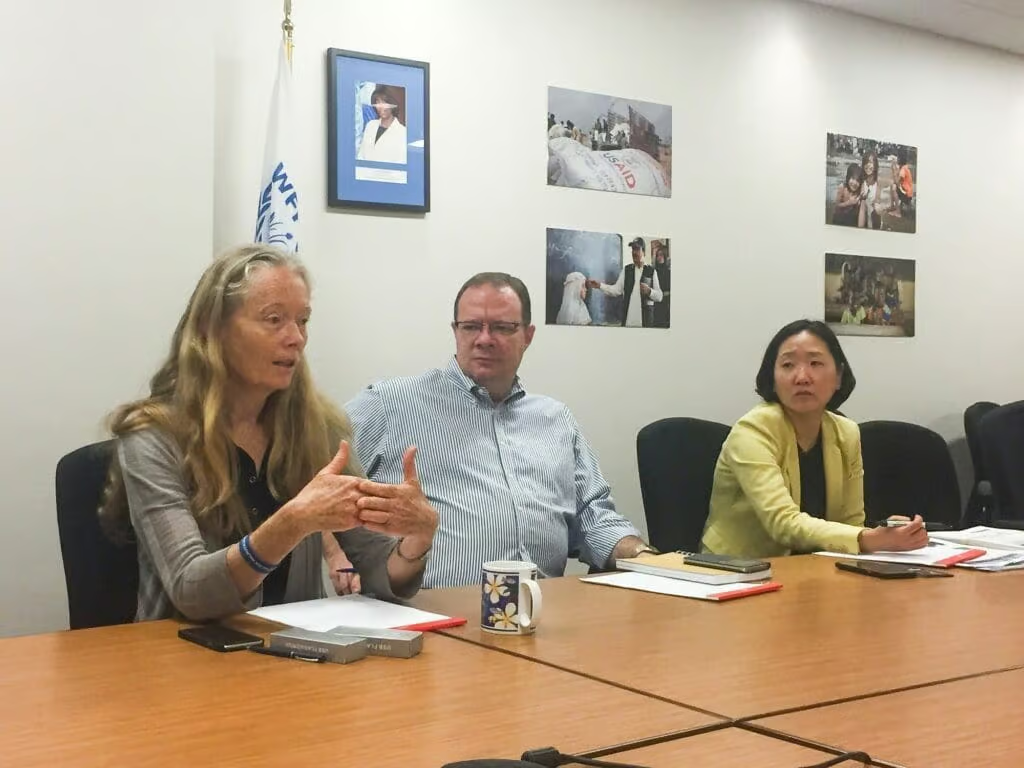
WFP USA CEO Rick Leach and sr. director of public policy Chase Sova explain why unchecked food insecurity and growing poverty can produce deteriorating security and stability.
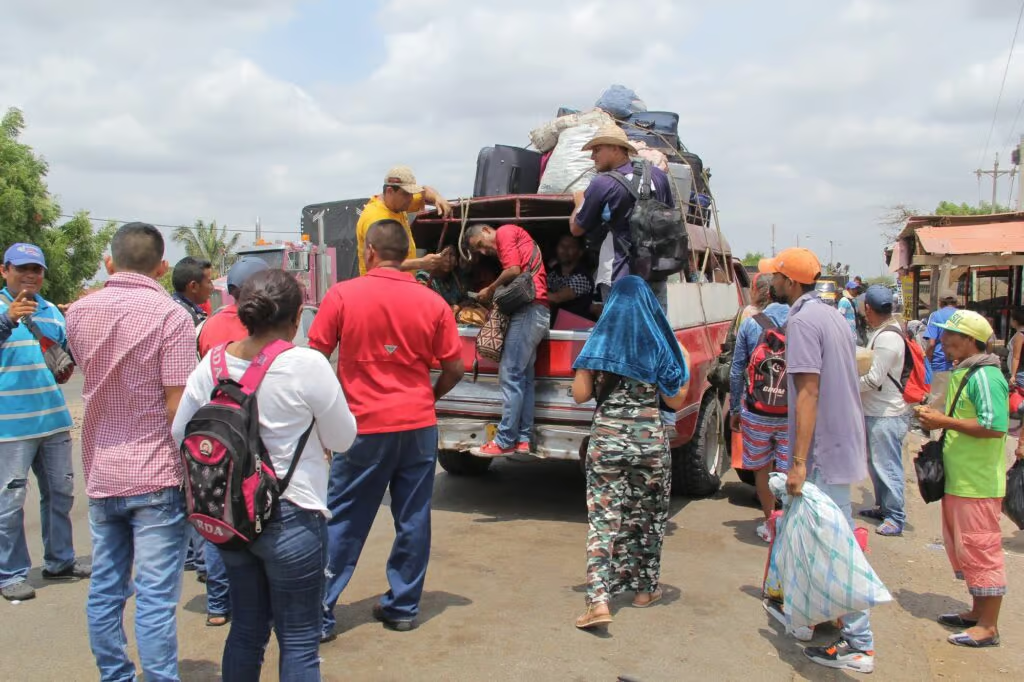
The World Food Programme (WFP) is scaling up support to provide food and nutrition assistance to 350,000 Venezuelans fleeing deprivation in their home country.
Achieving a lasting peace agreement and making life-saving gains in nutrition among women and children make these two countries promising areas for new collaboration and investment.