Life Without Water: Poverty & Hunger in Honduras
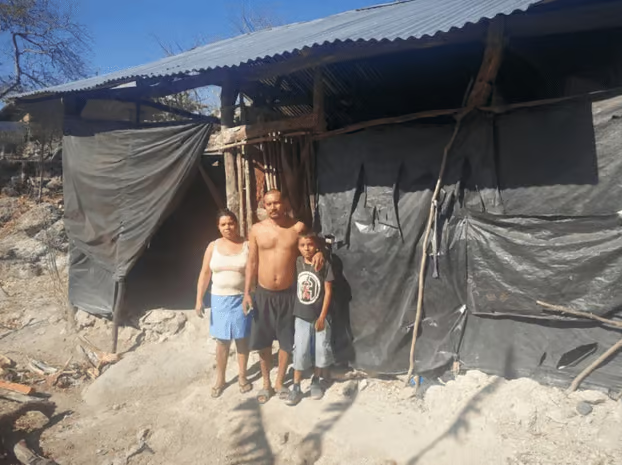
Maria’s family invested all their money in corn crops, then watched them wither away from drought. Now they’re struggling to put food on the table and praying for rain.

Maria’s family invested all their money in corn crops, then watched them wither away from drought. Now they’re struggling to put food on the table and praying for rain.
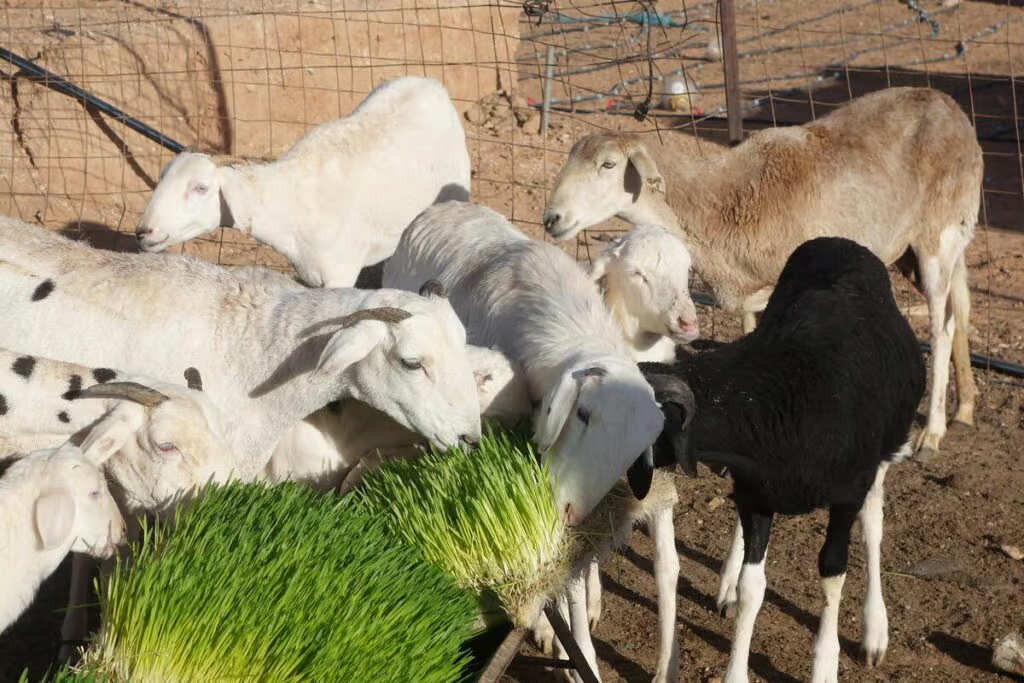
Refugees are rigging up simple hydroponic production units using only local materials to grow fresh grass for their goats. It’s just one way WFP’s helps people in conflict zones.
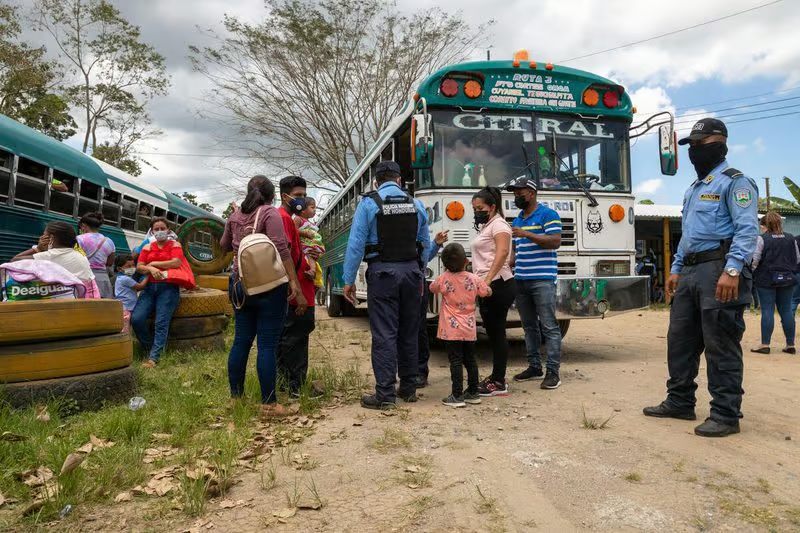
You are hearing about all the migration. People have lost their jobs. They have lost their hope. We urgently need to help people with food as well as long-term development that requires more than a piecemeal approach.
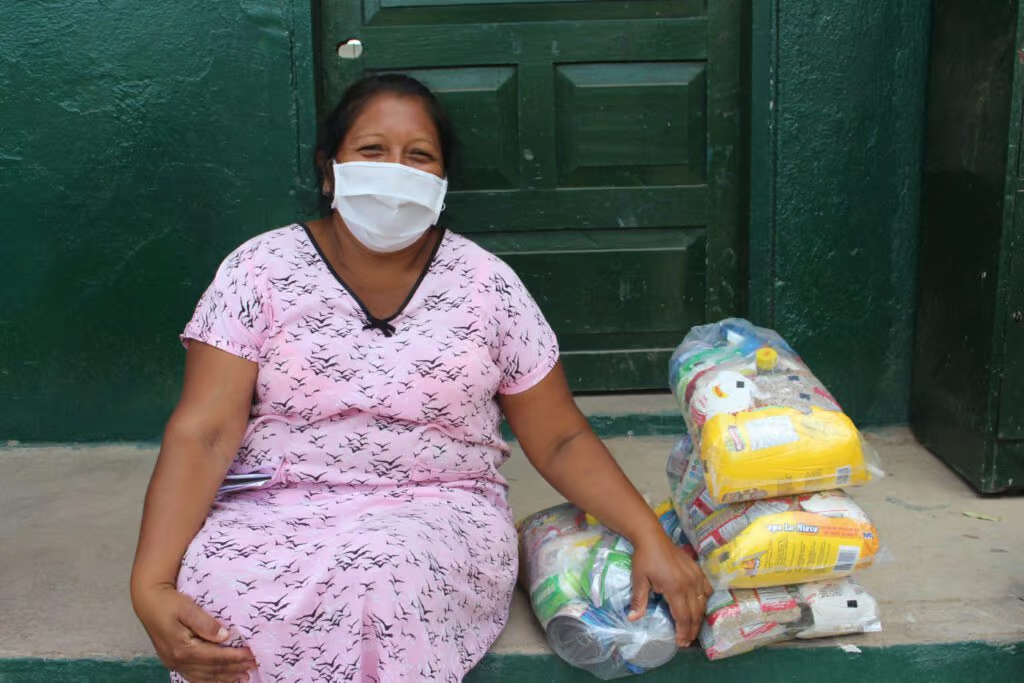
The United Nations World Food Programme (WFP) has reached an agreement to commence operations in Venezuela with the priority of serving the most vulnerable children.

We are seeing a catastrophe unfold before our very eyes. Famine – driven by conflict, and fueled by climate shocks and the COVID-19 hunger pandemic – is knocking on the door for millions of families.
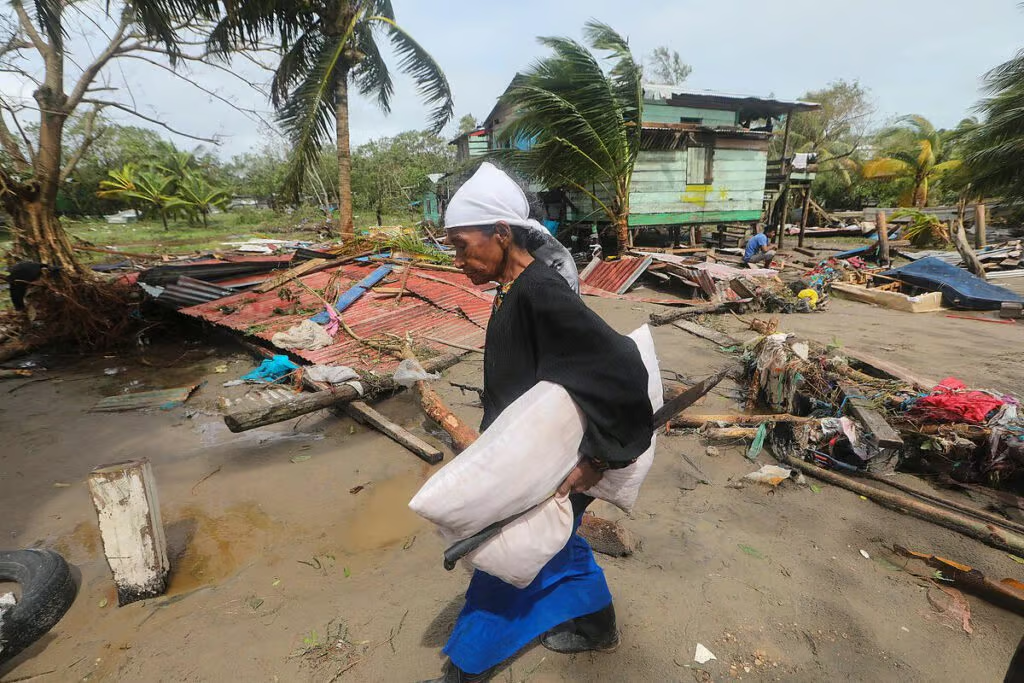
Communities in Central America have hit rock bottom: Many now have nowhere to live and are staying in temporary shelters, surviving on next to nothing.
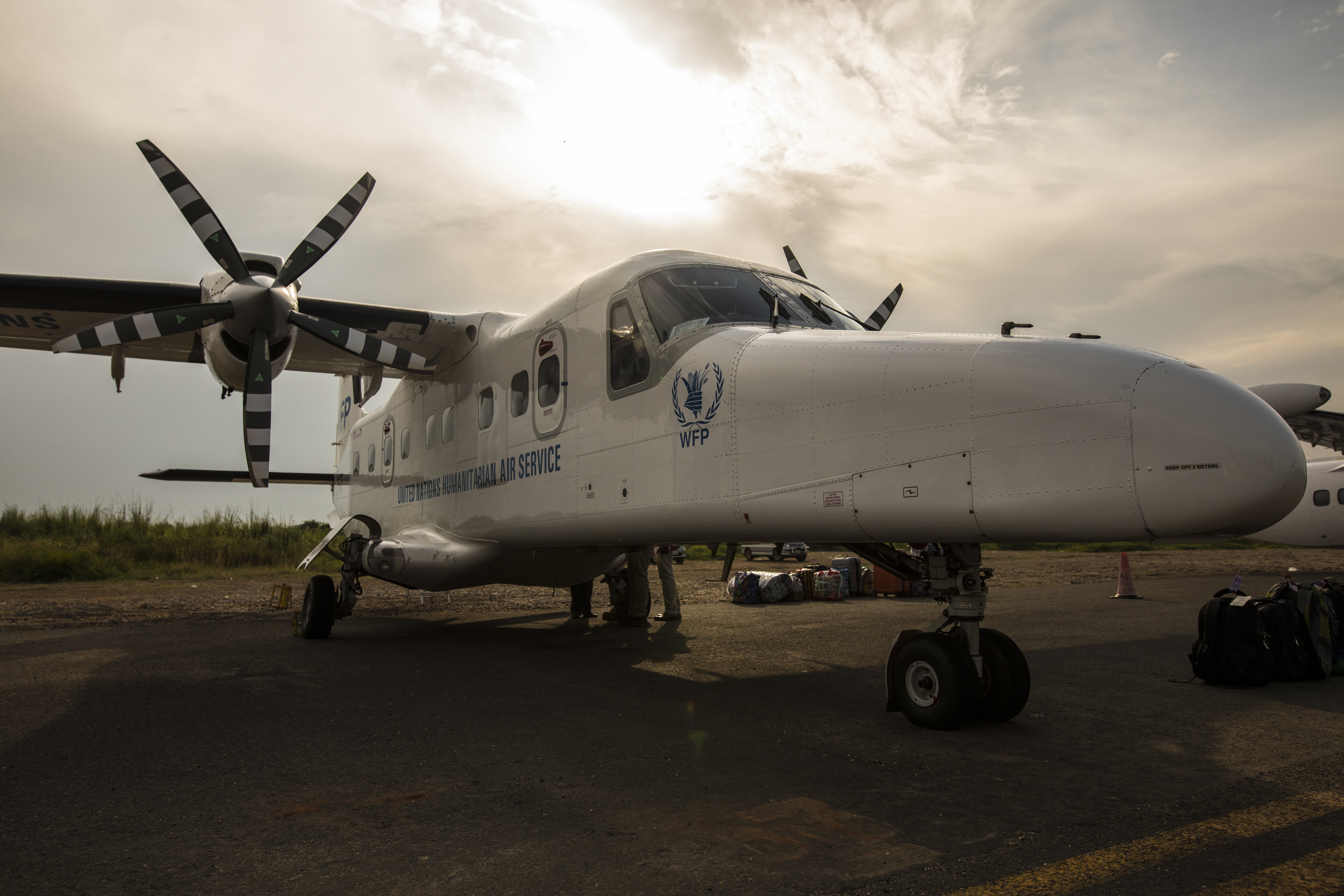
The critical lifeline transports humanitarian workers and lifesaving cargo to some of the most challenging and hard-to-reach locations
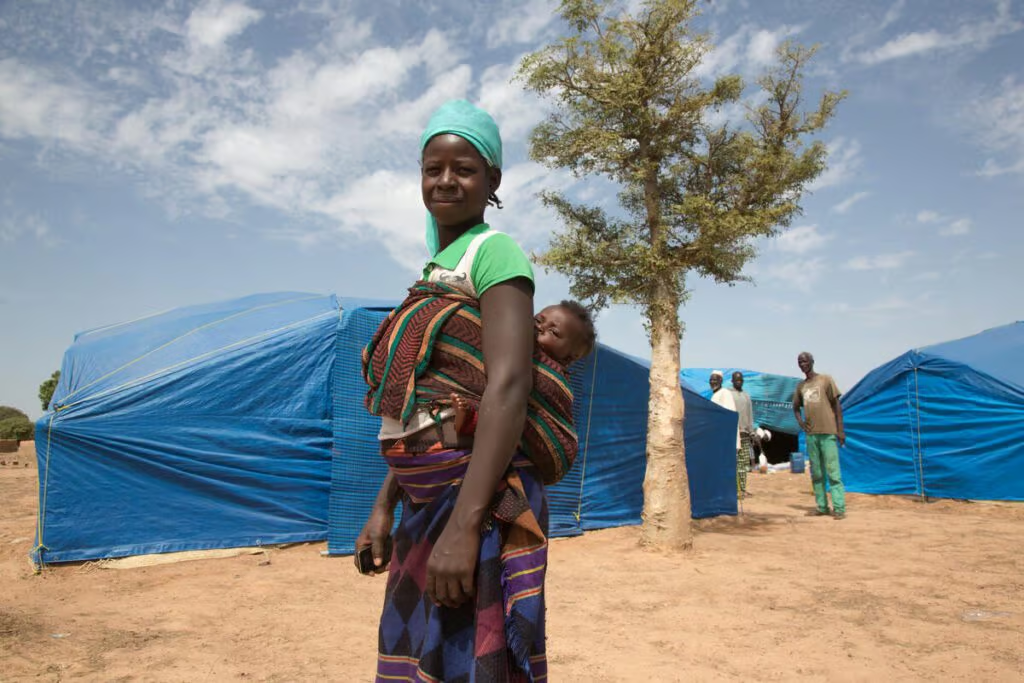
WFP never abandons hope. We’re applying it in spades to roll back one of the most severe hunger catastrophes in our six decades of existence.
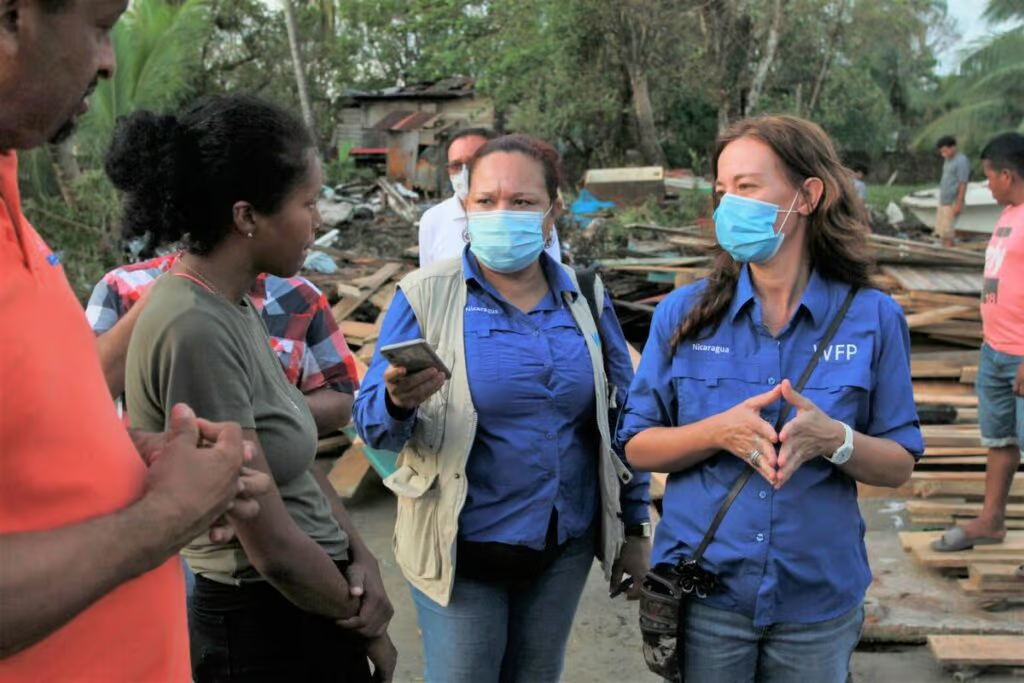
In Nicaragua, some 80,000 families are at risk. We have shipped drinking water, storage containers, and 275 metric tons of rice, beans and vegetable oil in response.
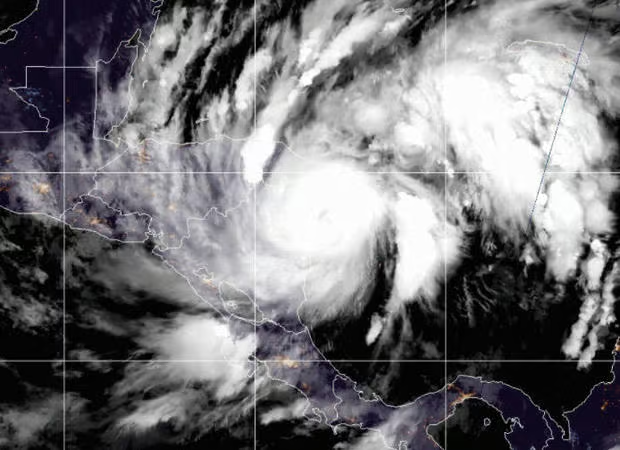
Eta arrived at the worst time, making life harder for millions of people already hard hit by years of erratic weather and the socioeconomic crisis COVID-19 caused.