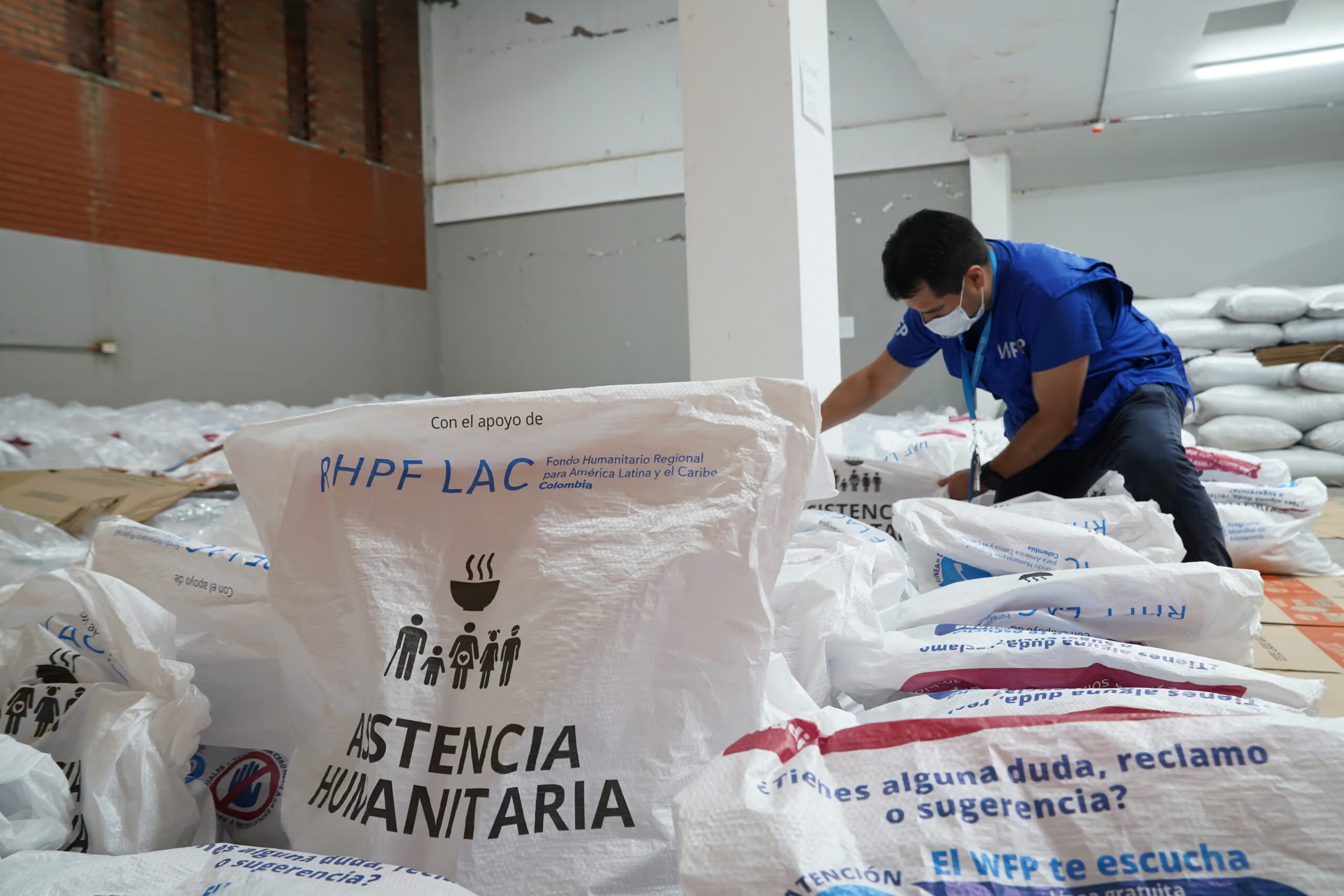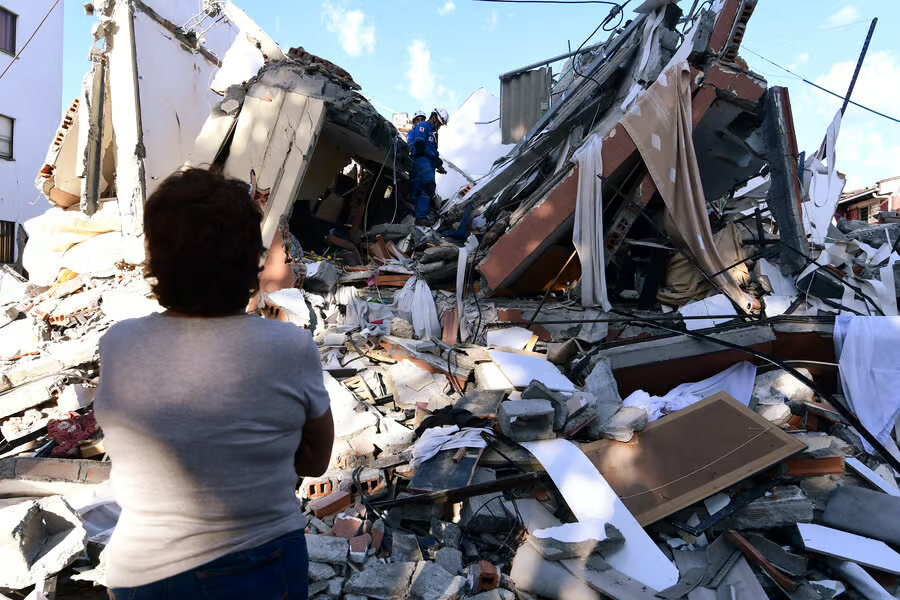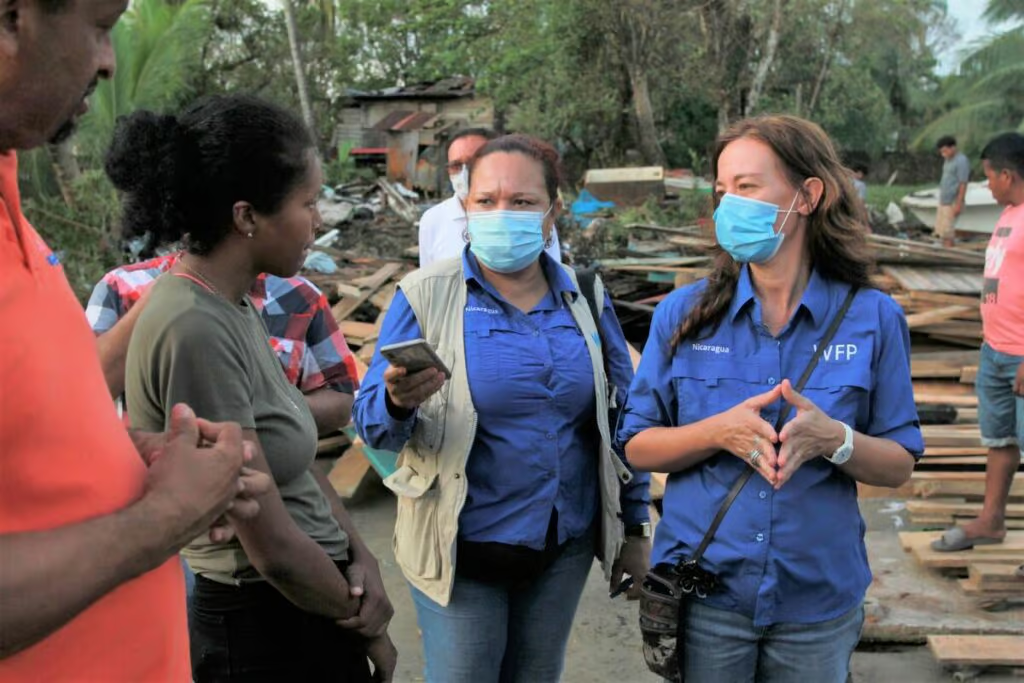
Hurricane Eta Leaves Millions in Central America Needing Urgent Food Assistance
Eta arrived at the worst time, making life harder for millions of people already hard hit by years of erratic weather and the socioeconomic crisis COVID-19 caused.

Eta arrived at the worst time, making life harder for millions of people already hard hit by years of erratic weather and the socioeconomic crisis COVID-19 caused.
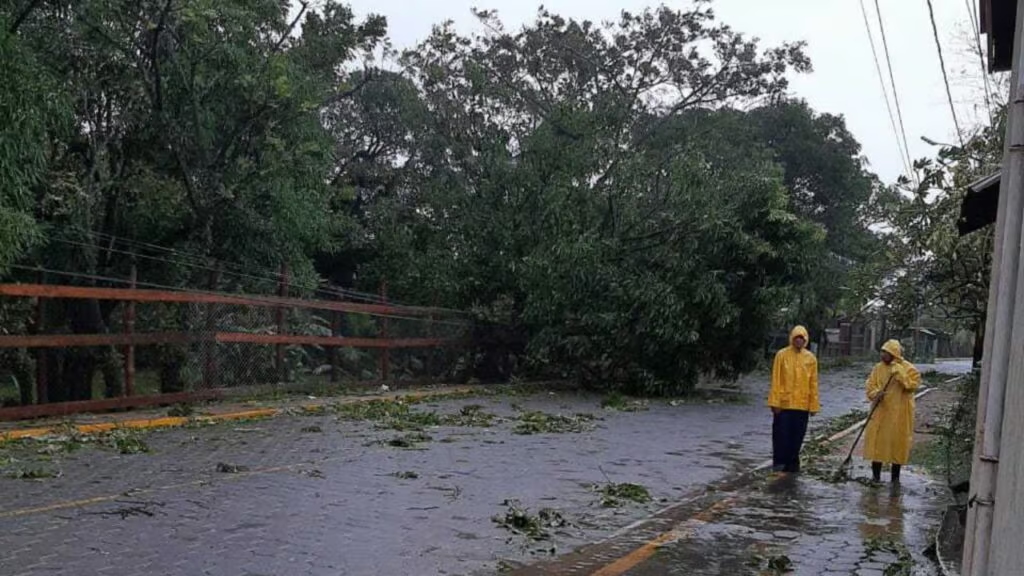
World Food Program USA stands by the communities impacted by the hurricane and pledges to do all we can to support WFP’s emergency response in the region.
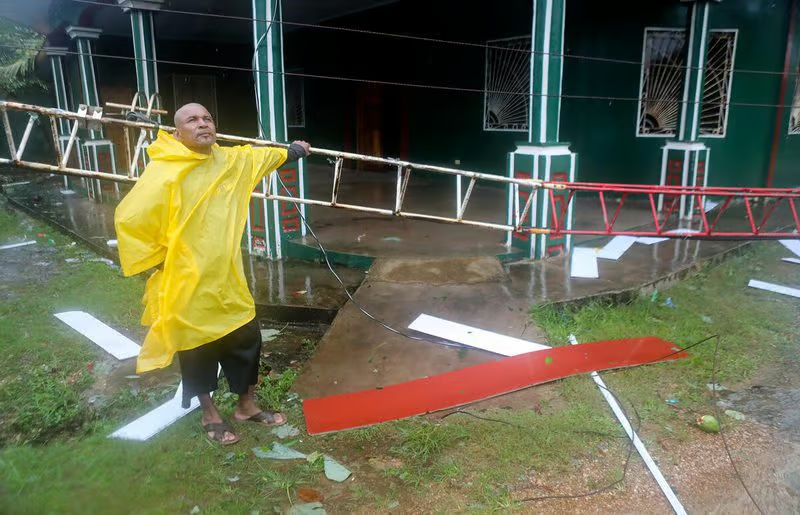
The Caribbean Northern Region is mostly inhabited by indigenous Miskito and Mayagna communities, and Afro-descendants, who are among the poorest and most vulnerable communities in Nicaragua.
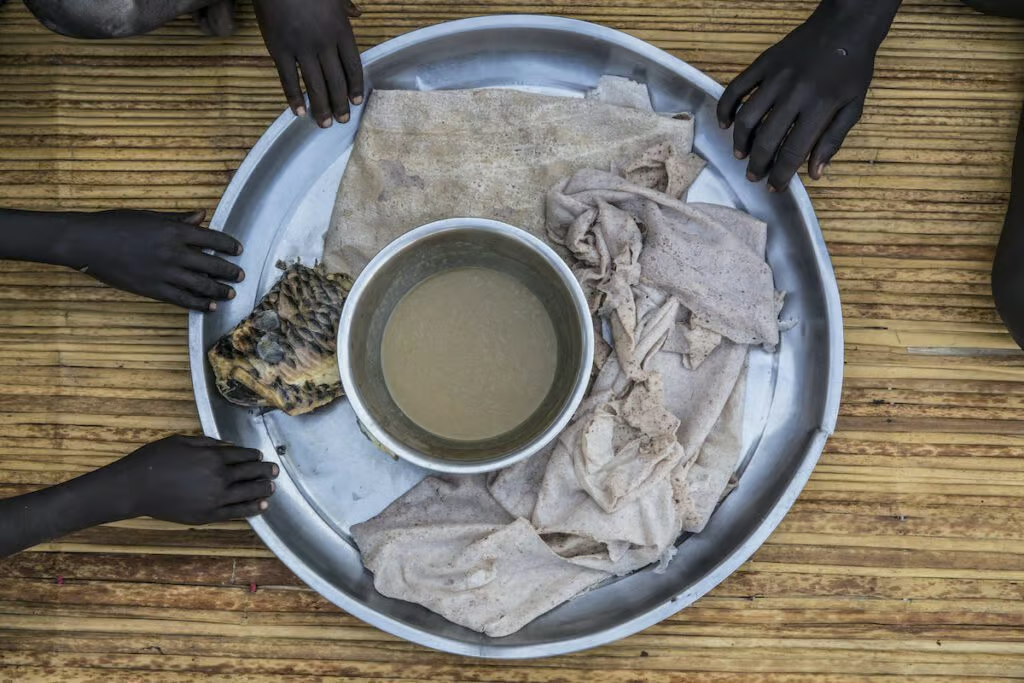
A new report exposes the destructive impact of conflict, climate change and economic crises, now compounded by COVID-19, in driving up hunger.

New recipes are changing the way Brazil treats food waste. No longer thrown away, beetroot leaves, carrot tops and pumpkin peels give more nutrients and flavor to dishes.
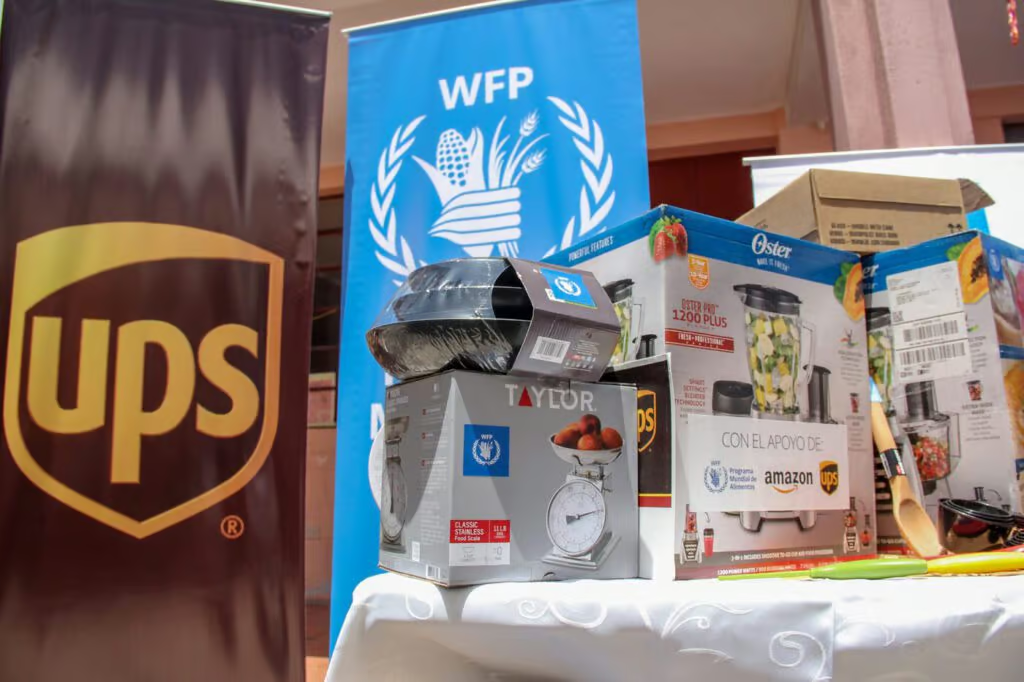
In support of WFP’s work to strengthen the government’s school feeding program, Amazon’s cooking supplies will benefit 500 Guatemalan schools, serving approximately 100,000 food-insecure students.
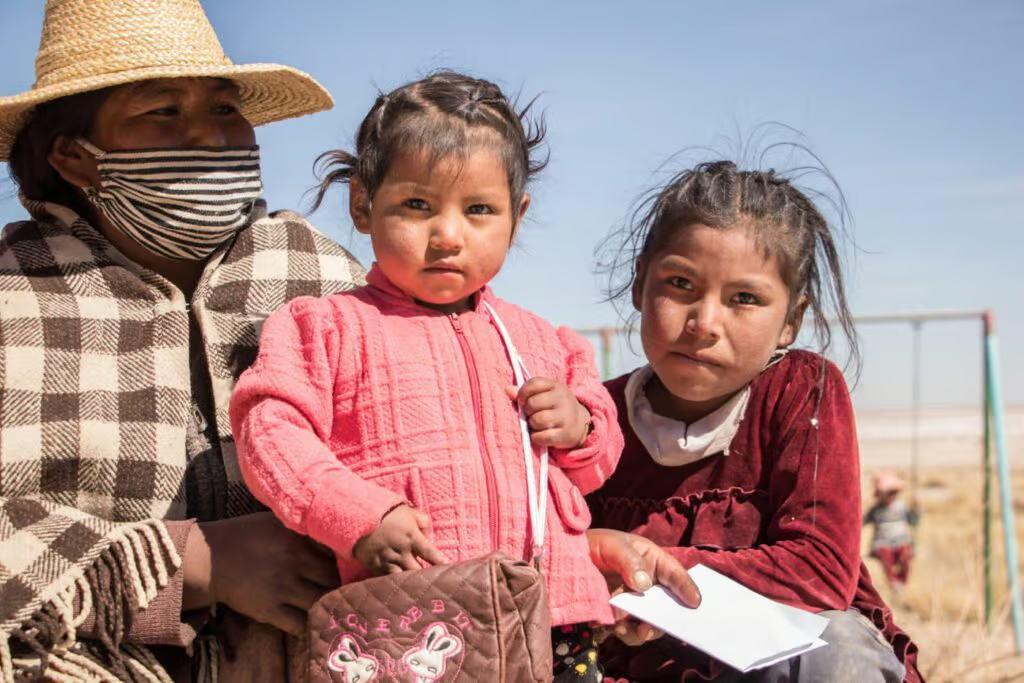
Latin America is facing a perfect storm of inequality, struggling economies, political unrest, hurricane season and the pandemic. Without immediate action, hunger could rise by nearly 300 percent.
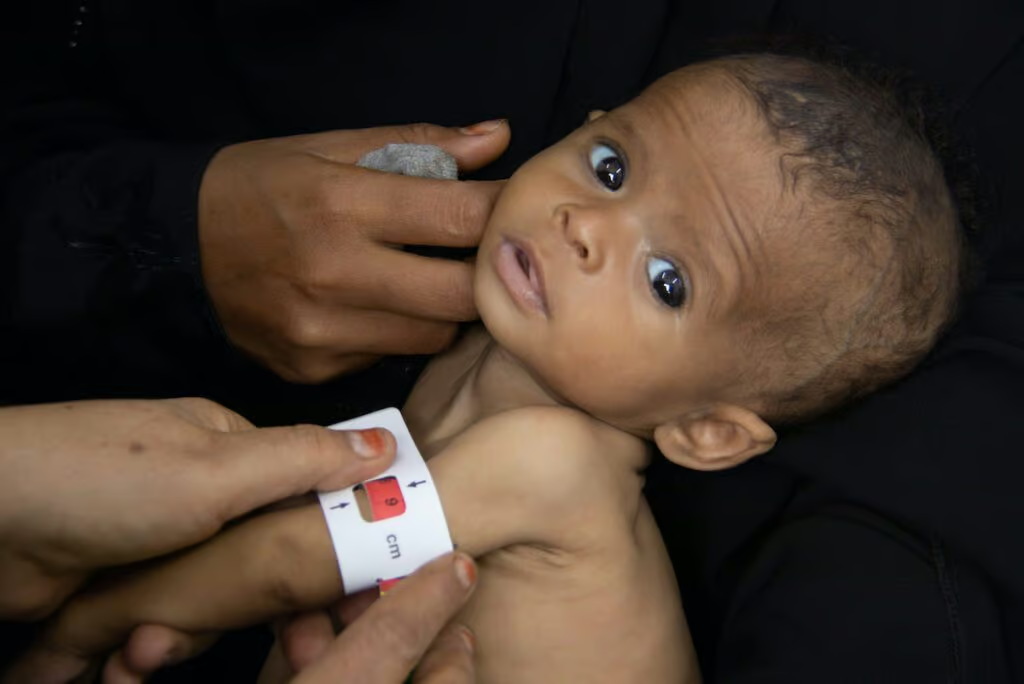
What does malnutrition do to the body of a young child? The effects are devastating, with lifelong consequences for children and their communities. Here are seven of their stories.
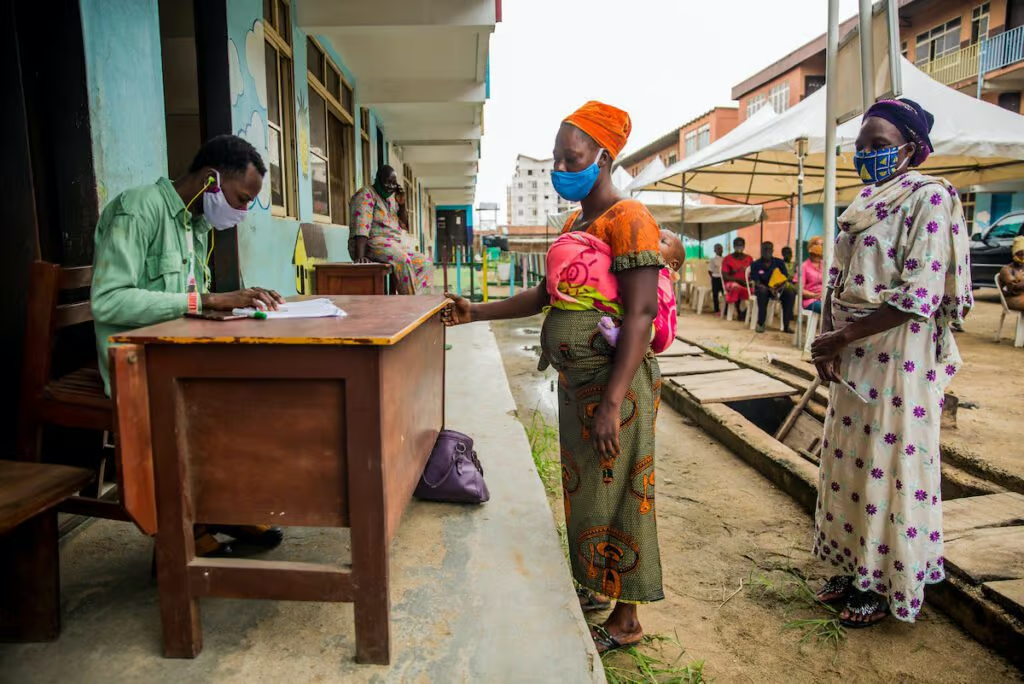
Countries across Africa, Latin America, the Caribbean, the Middle East and Asia could be crushed under the weight of famine during the pandemic. Here’s what WFP wants to do to help.
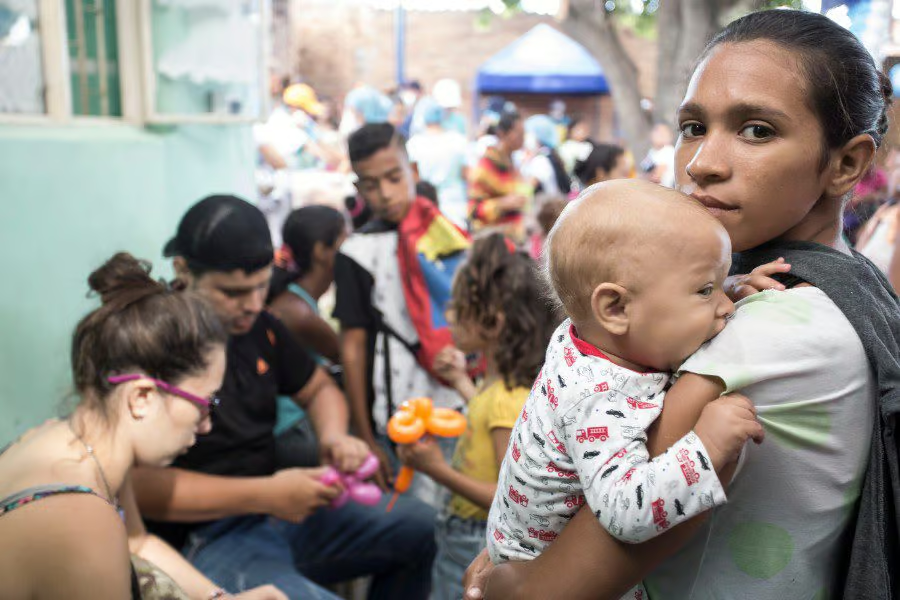
Latin America and the Caribbean is expected to register an alarming 269% rise in the number of people facing severe food insecurity compared to 2019.