Haiti
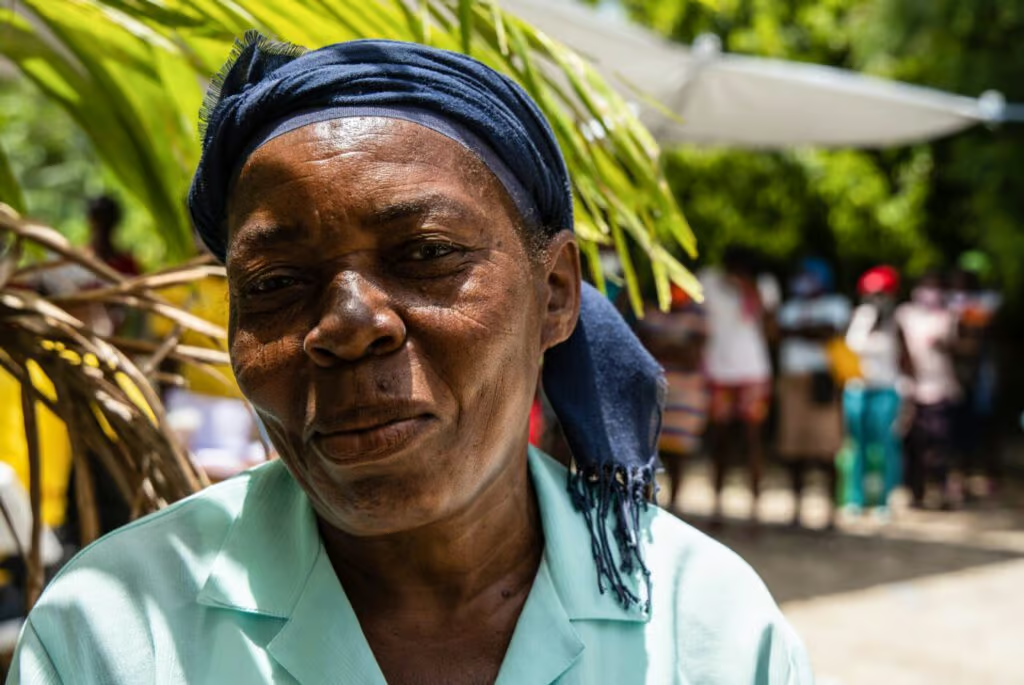
Haiti is the poorest country in the Latin America and Caribbean region, and one of the most food-insecure places in the world. Today, over 4 million Haitians needs urgent food assistance.

Haiti is the poorest country in the Latin America and Caribbean region, and one of the most food-insecure places in the world. Today, over 4 million Haitians needs urgent food assistance.
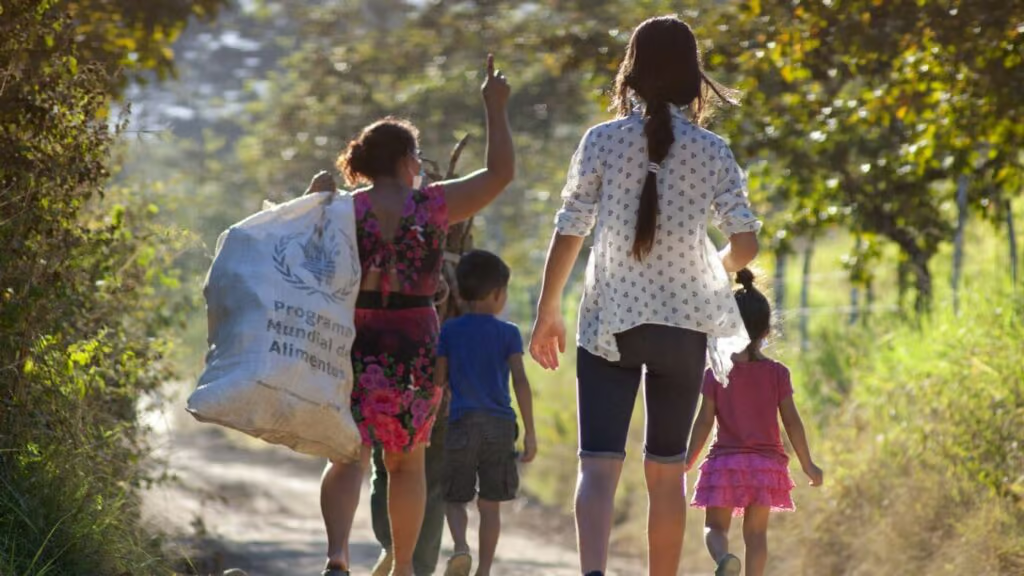
Poverty is the root cause of hunger in Honduras but inequality, violent crime and vulnerability to extreme climatic events exacerbate hunger.

The Colombian conflict left hundreds of thousands of people dead and displaced millions. Ethnic minorities – including indigenous and Afro-Colombian communities – in former conflict zones are paying a heavy price for years of marginalization.
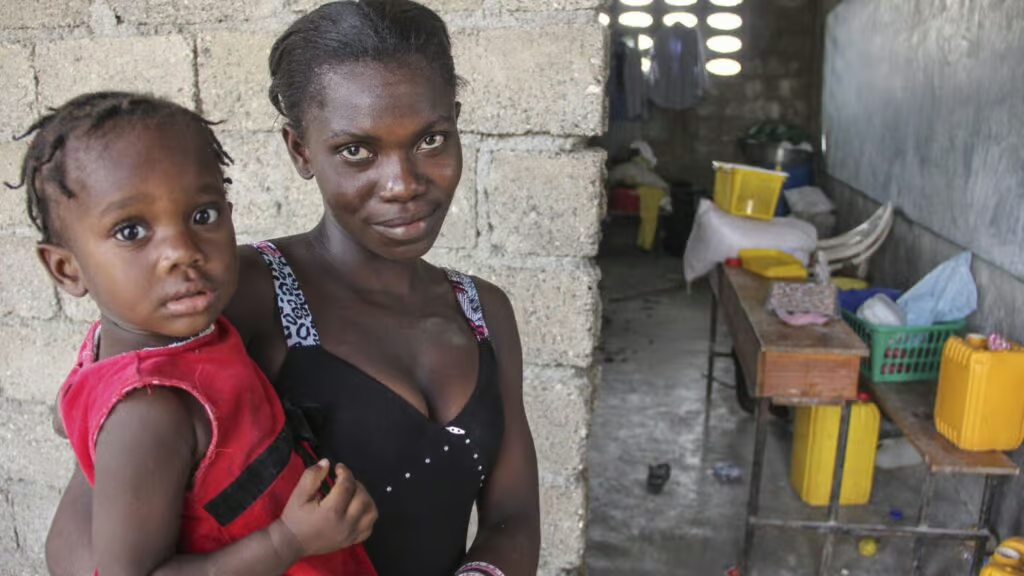
Over the last 50 years, Cuba’s comprehensive social protection programs have largely eradicated poverty and hunger. But diets remain poor in quality and climate shocks threaten the island, damaging the economy and food security.
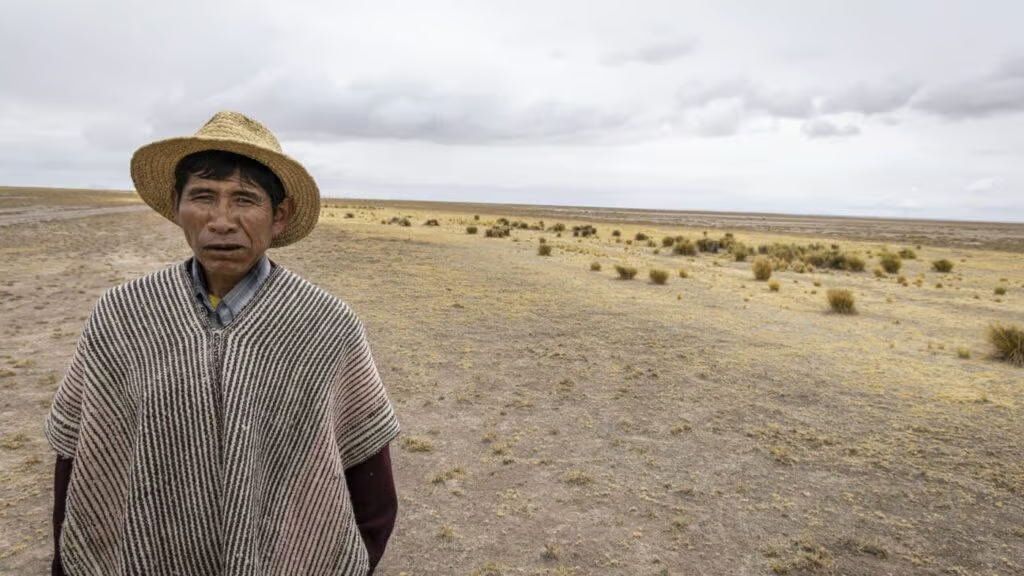
Bolivia has made great strides in improving food security and reducing extreme poverty – but it’s still one of the poorest countries in South America.
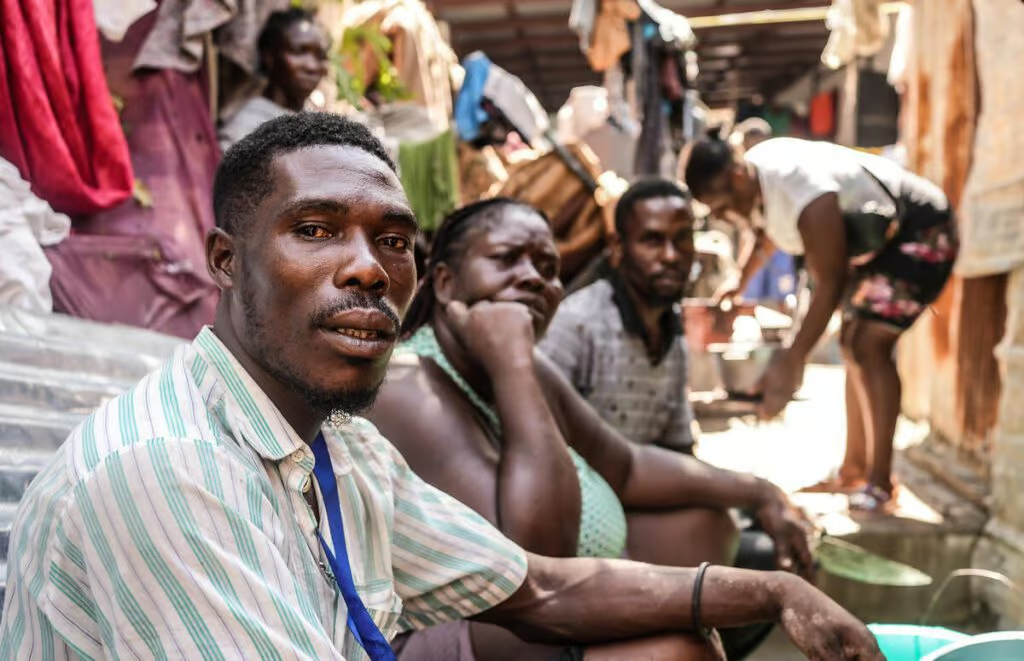
Despite WFP’s expanded emergency response, an escalation in violence, displacement, economic turmoil and disruptions to local food production are fueling hunger in Haiti.

Amid escalating violence and hunger, WFP stands firm together with the dedicated staff and volunteers of its Haitian partner organizations to scale up food distributions.

Haiti today marks another grim milestone, as the number of people facing acute hunger has now reached half of the country’s population, according to the latest Integrated Food Security Phase Classification (IPC) analysis.

Today, WFP welcomed a contribution of $8 million from The Church of Jesus Christ of Latter-day Saints towards WFP’s homegrown school meals program in Haiti.
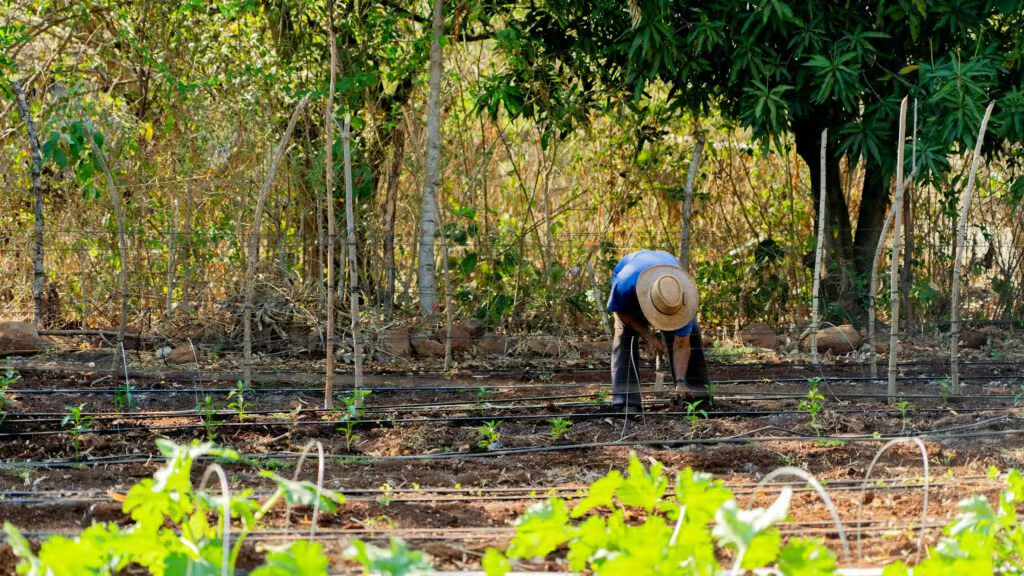
Deep social inequality, violence and low wages are driving people into hunger in El Salvador. The U.N. World Food Programme is addressing these challenges and helping communities build long-term food security.