The Women and Girls Uprooted by Boko Haram
With their homes destroyed and their husbands killed, the women and children who fled Boko Haram in Nigeria, Chad and Cameroon have nowhere to turn.

With their homes destroyed and their husbands killed, the women and children who fled Boko Haram in Nigeria, Chad and Cameroon have nowhere to turn.
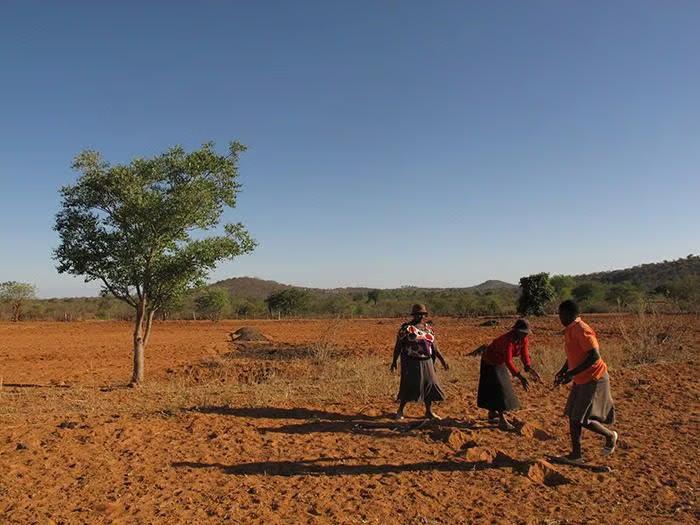
Zimbabwe’s hunger crisis – the worst in more than a decade – is part of an unprecedented climate-driven disaster gripping southern Africa. WFP plans to more than double the number of people it is helping by January to 4.1 million.
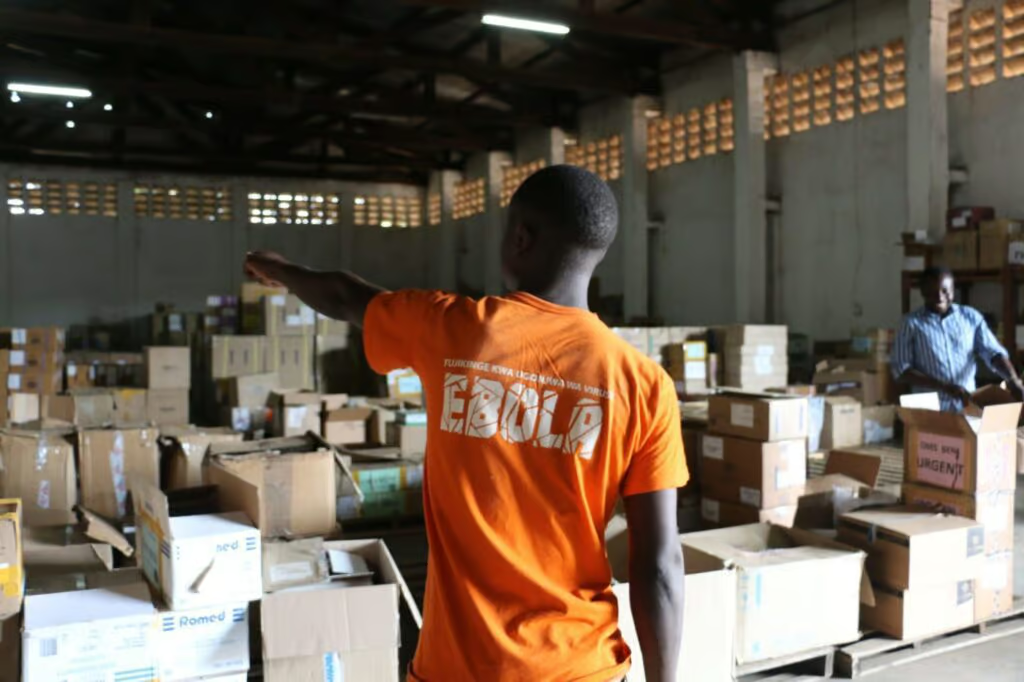
When Ebola spread through Western Africa in 2014, it killed more than 11,000 people. Now it’s back – and the DRC is at its epicenter. For our Hacking Hunger podcast, we spoke to Jacques David, WFP communications officer, about how WFP is helping fight ebola with food.
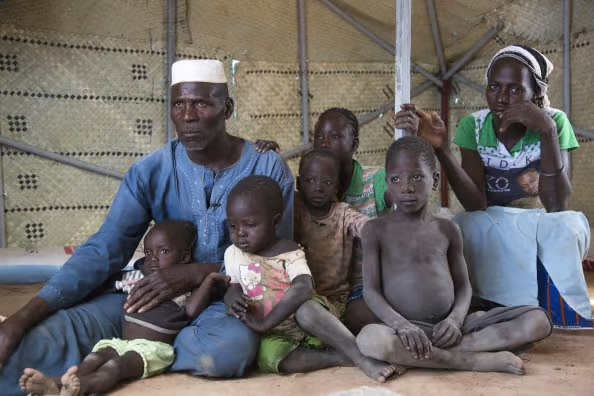
WFP warns of an escalating humanitarian crisis driven by widespread violence and the long-term impact of climate change that has gripped Burkina Faso and neighboring countries in the Central Sahel region of West Africa.
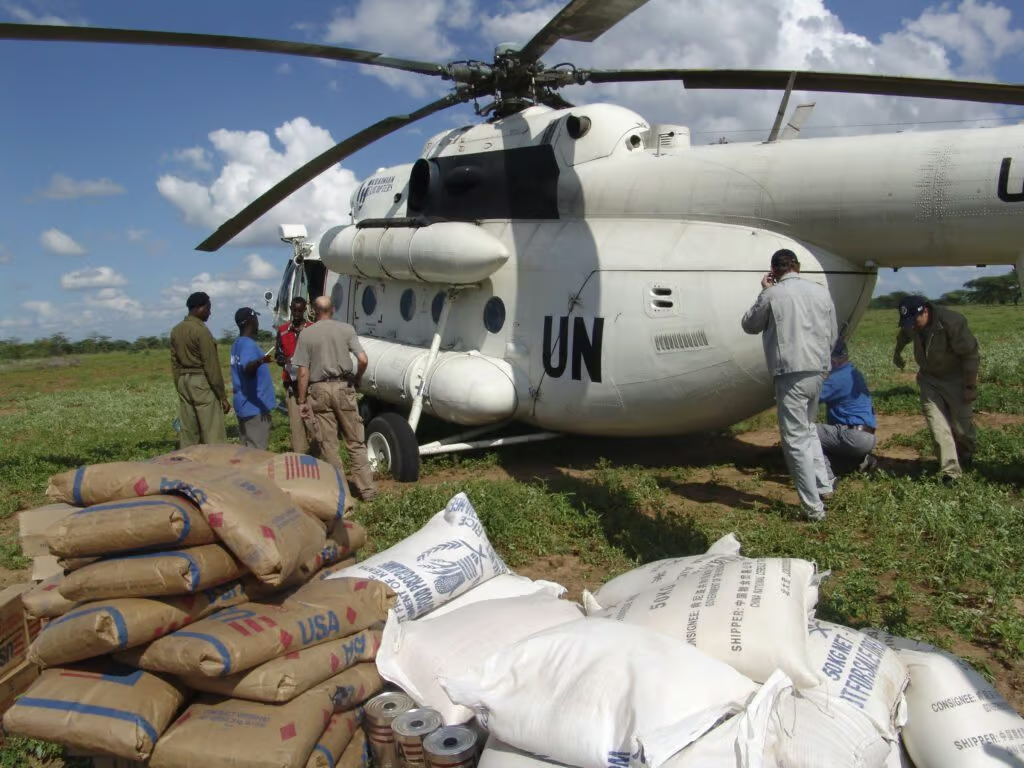
WFP deployed a Mi-8 helicopter to deliver life-saving assistance to families in parts of Mandera, Wajir, Garissa and Tana River counties. The floods have led to the loss of 38 lives, displaced 11,700 families and killed more than 10,000 animals.

Persistent drought, back-to-back cyclones and flooding have wreaked havoc on harvests in a region overly dependent on rain-fed, small-scale agriculture.
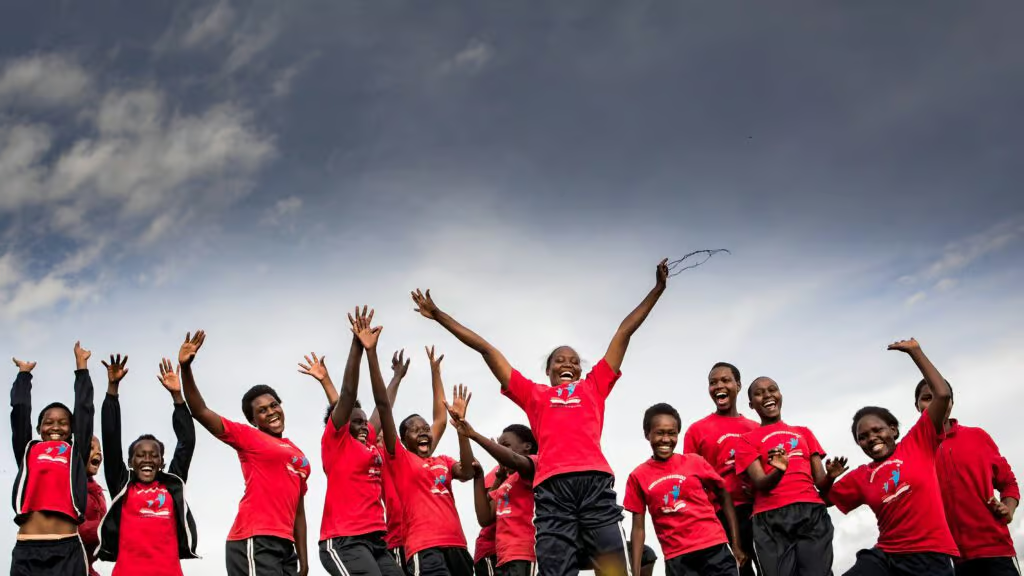
For millions of girls around the world, going to school is anything but guaranteed. These two projects are making education a reality for hundreds of them.

First the first time in nearly eight years, three WFP-contracted barges sailed to South Sudan with enough food to feed 370,000 people for one month.
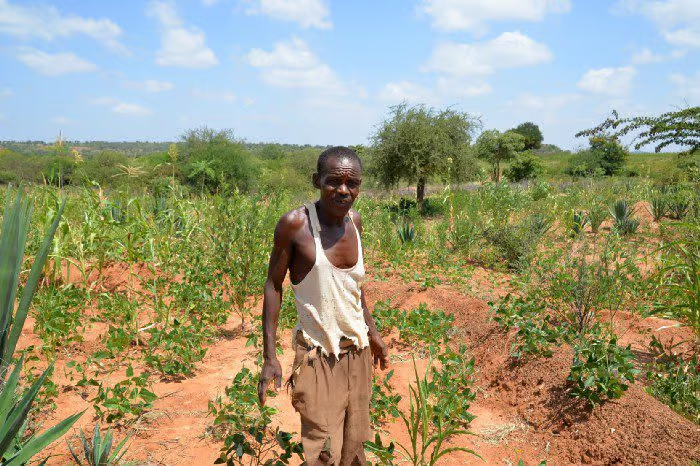
In Kenya, 65-year-old Matei Nziru has an obsession-like devotion to water, storing some gallons that are more than four years old. His tactics hold lessons for other farmers in dry climates.
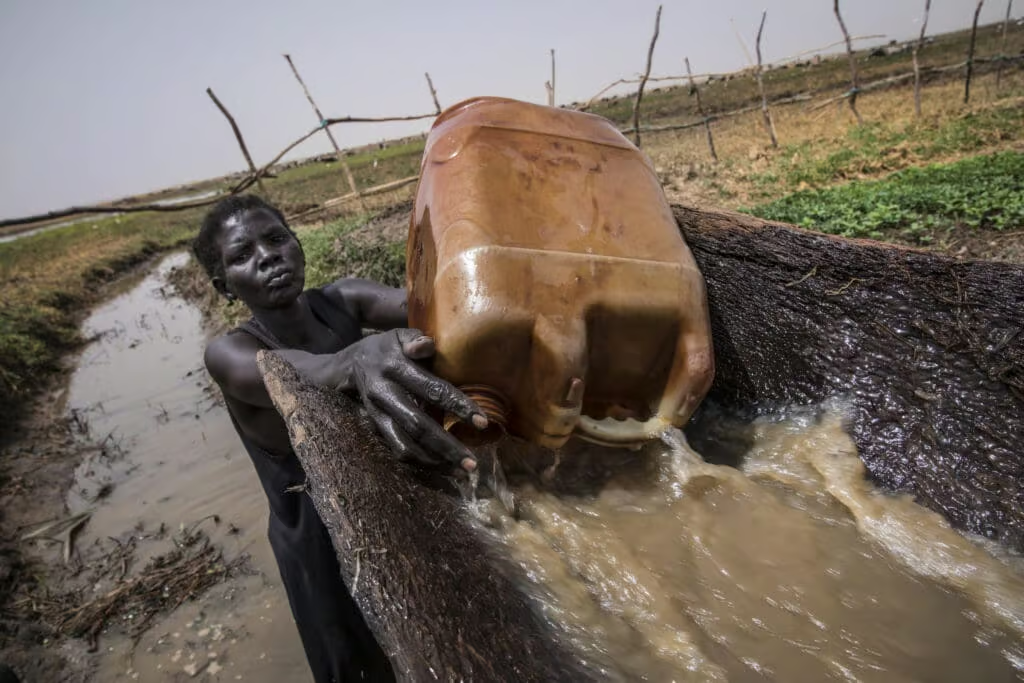
Extreme weather events are rapidly increasing hunger and malnourishment. From hurricanes and flooding to droughts and desertification, these six stories portray the very real, very human impacts of a warming world.