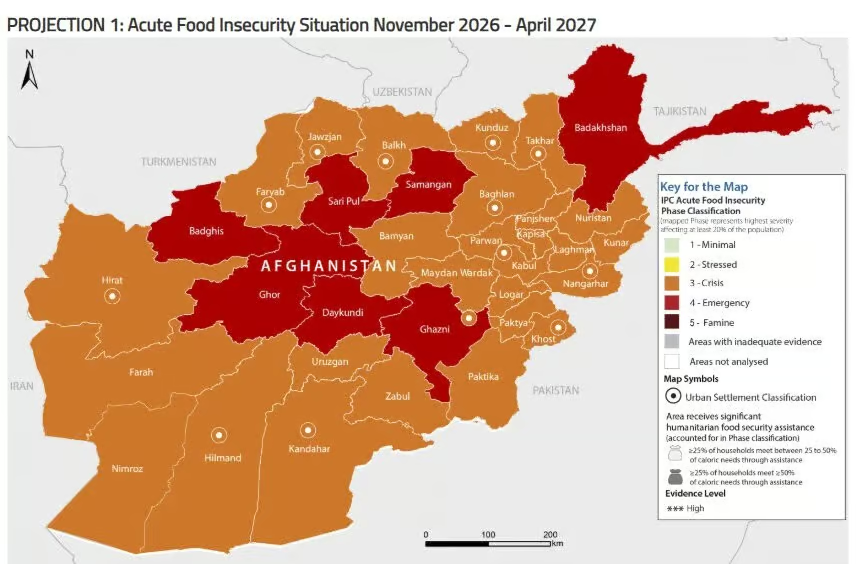
Food insecurity and child malnutrition worsen in Afghanistan despite strong agricultural season
Nearly 40% of Afghanistan’s population is projected to face extreme hunger this winter. Acute malnutrition is also expected to rise in 2027.

Nearly 40% of Afghanistan’s population is projected to face extreme hunger this winter. Acute malnutrition is also expected to rise in 2027.
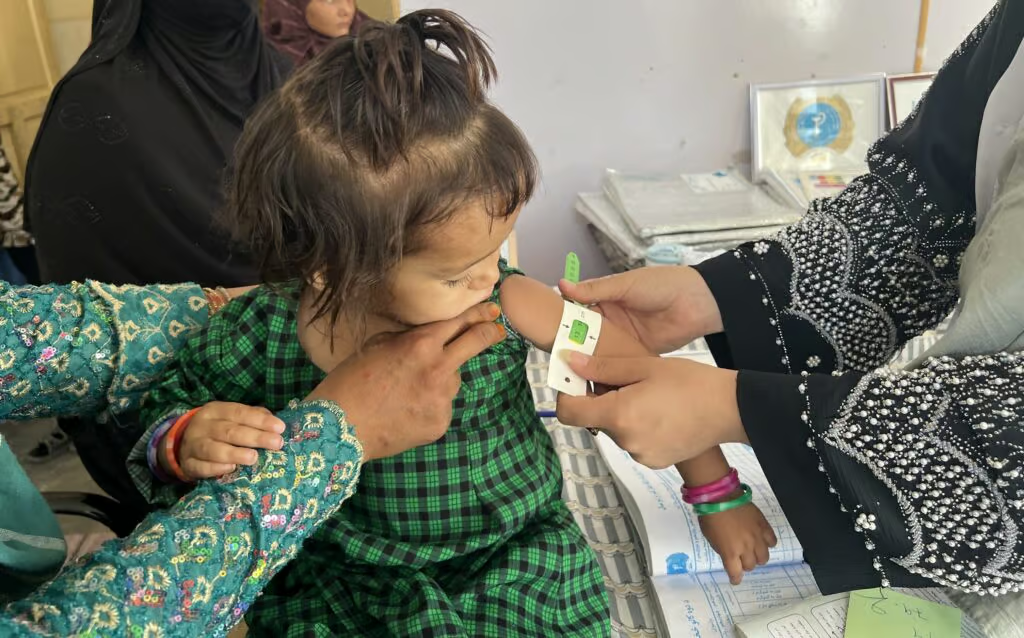
WFP is sounding the alarm over a deepening child malnutrition crisis in Afghanistan, warning that funding shortfalls are forcing lifesaving food and nutrition programs to be scaled back at the very moment they are needed most.

Mothers and children in Afghanistan are hardest hit by a growing malnutrition crisis, as multiple crises converge.
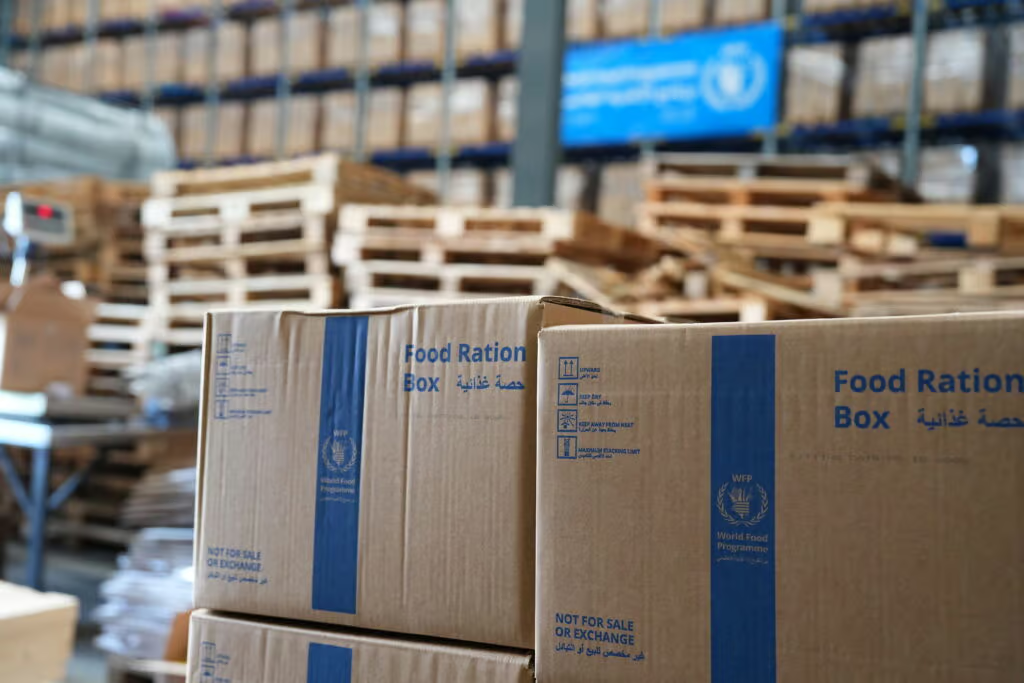
WFP Shipping Chief Henrik Hansen explains how we are working 24/7 to reduce rising costs and transit times.

This is a transcript of what was said by Corinne Fleischer at today’s press briefing at the Palais des Nations in Geneva.
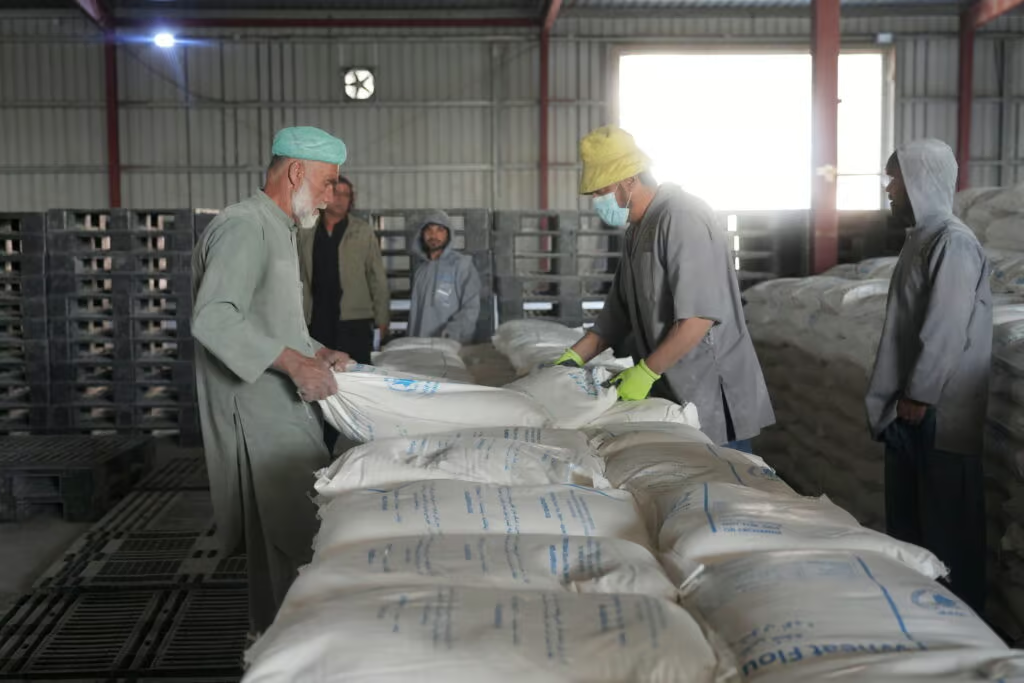
WFP has begun rapidly mobilizing a large-scale emergency response for communities in Afghanistan impacted by the conflict with Pakistan.
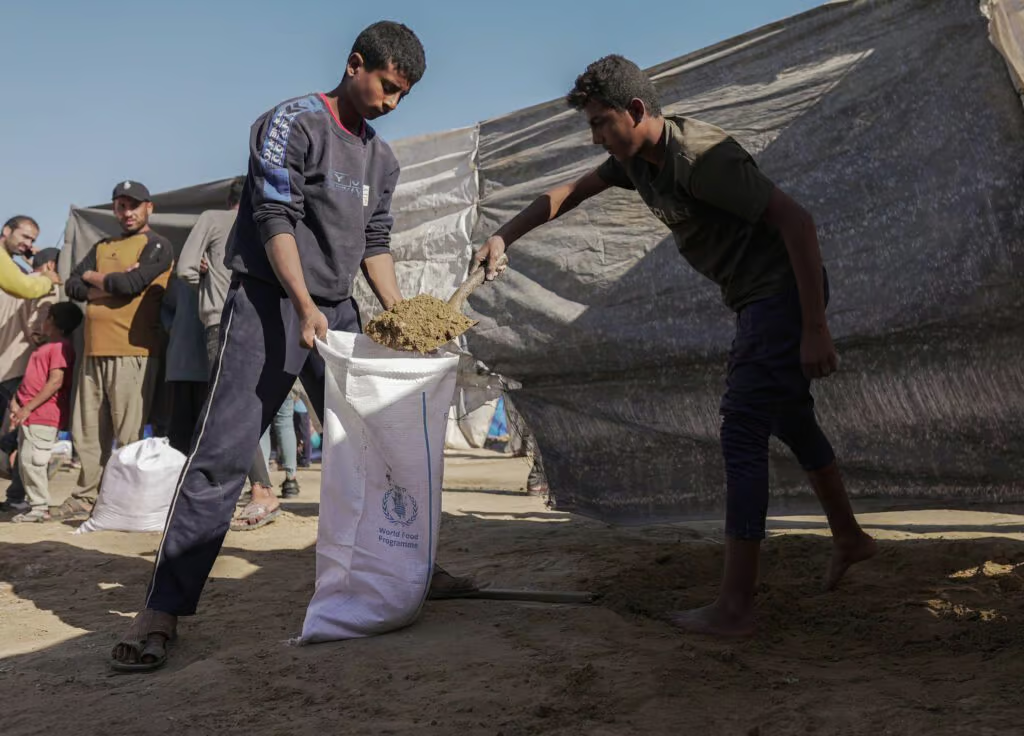
WFP warns more than 17 million Afghans are facing acute food insecurity this winter, as the scale and severity of hunger and malnutrition deepens.
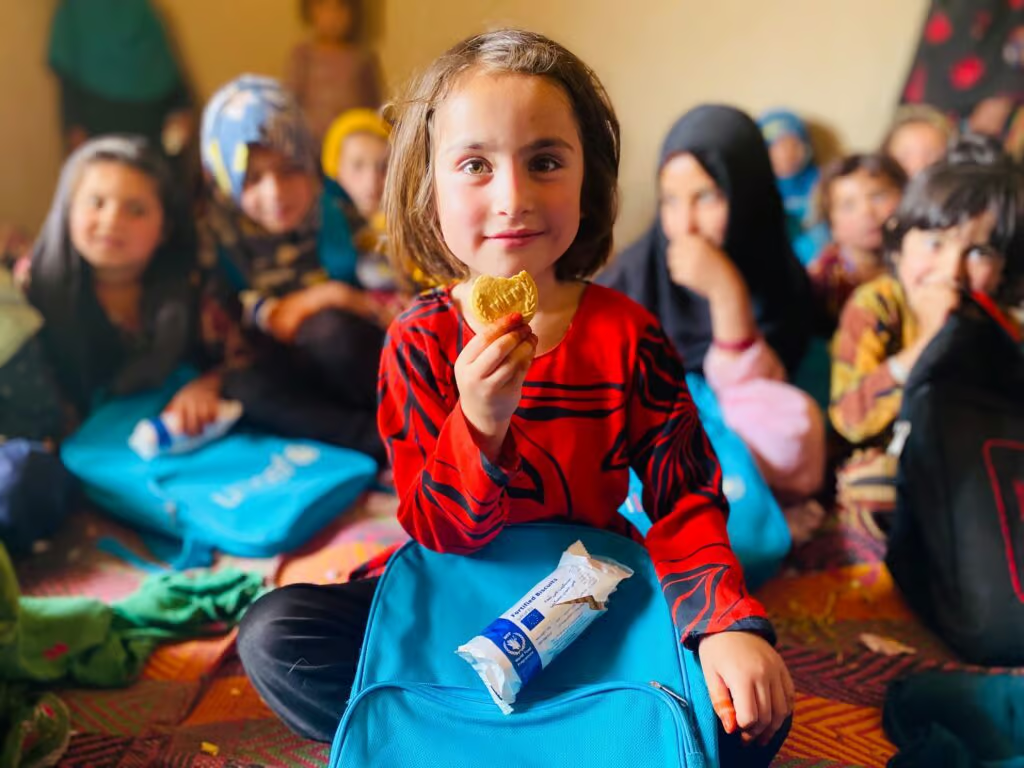
World Food Program USA provided $3.9 million to sustain WFP’s school meals program in Afghanistan. To learn more about the impact of our grant amidst rising hunger in the country, we spoke with WFP Country Director John Aylieff.

New WFP report, ‘A Lifeline at Risk’, finds that 13.7 million WFP food aid recipients could be pushed into emergency levels of hunger.
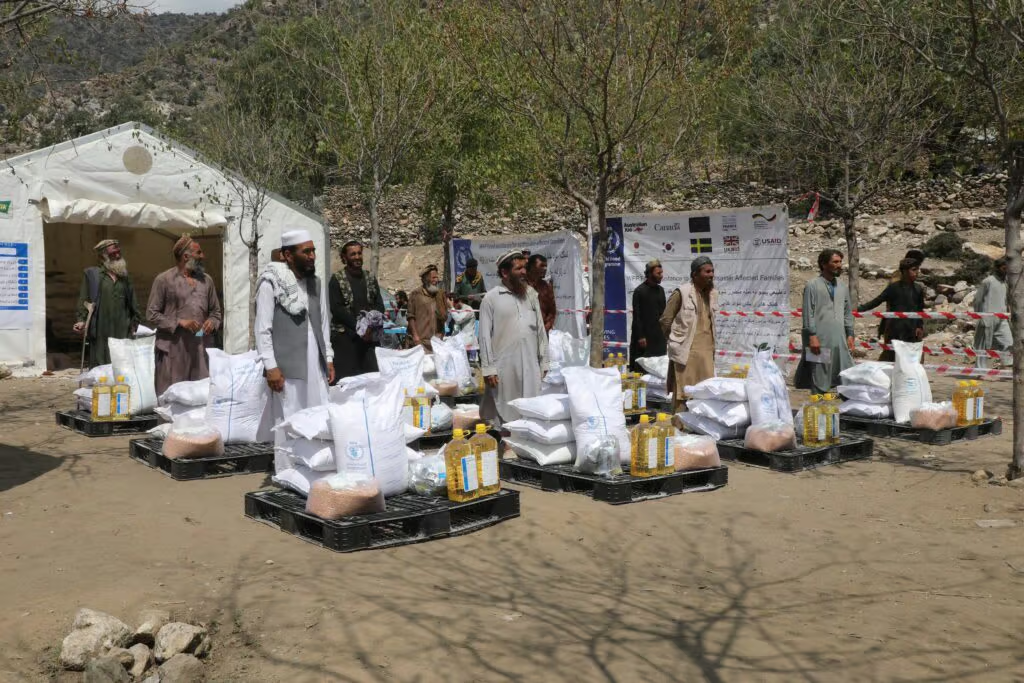
One month since a powerful 6.0 magnitude earthquake struck eastern Afghanistan on August 31, the World Food Programme continues to rapidly deliver food assistance to affected communities and support logistics for the broader humanitarian response.