The United Nations World Food Programme (WFP) is in a “race against time” to avert a humanitarian catastrophe in Afghanistan, its Executive Director David Beasley has warned. A total 22.8 million people, over half the population, face severe hunger as temperatures plummet below zero.
“What’s happening in Afghanistan is just horrific,” said Beasley, who recently visited the country. “I met families with no jobs, no cash and no food, mothers who sold one child to feed another, and the lucky children who made it to the hospital. The world cannot turn its back as the Afghan people starve.”
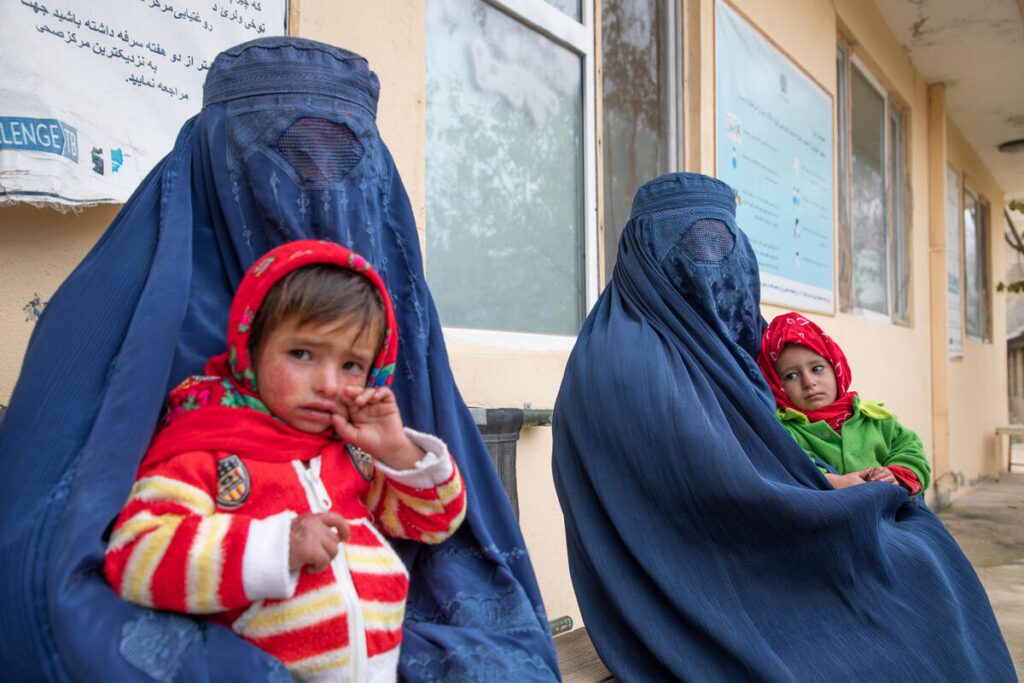
Among the most vulnerable are Afghan children. Half of all children under the age of five are suffering from severe hunger.
As the harsh winter sets in, the U.N. World Food Programme plans to reach 23 million people through January – more than half the population. Its work is dependent on sufficient funding, however, and the organization needs $2.6 billion in 2022 to provide critical support and work towards long-term resilience.
“The face of hunger is changing here,” said Shelley Thakral, the U.N. World Food Programme’s head of communications in the country. “People in cities are now suffering food insecurity at similar rates to rural communities.”
“They have lost their incomes, there are no jobs, food prices have increased, in some cases the drought and conflict have forced people to leave their homes. In some of the districts in the northeast of the country, the water levels are dangerously low.”
Mary-Ellen McGroarty, the U.N. World Food Programme’s Country Director for Afghanistan, has implored the international community to respond to what she calls a “tsunami of hunger.”
“We need to separate the humanitarian imperative from the political discussions,” she said. “The innocent people of Afghanistan, the children…who have their lives upended through no fault of their own, cannot be condemned to hunger and starvation just because of the lottery of geopolitics and the lottery of birth.”
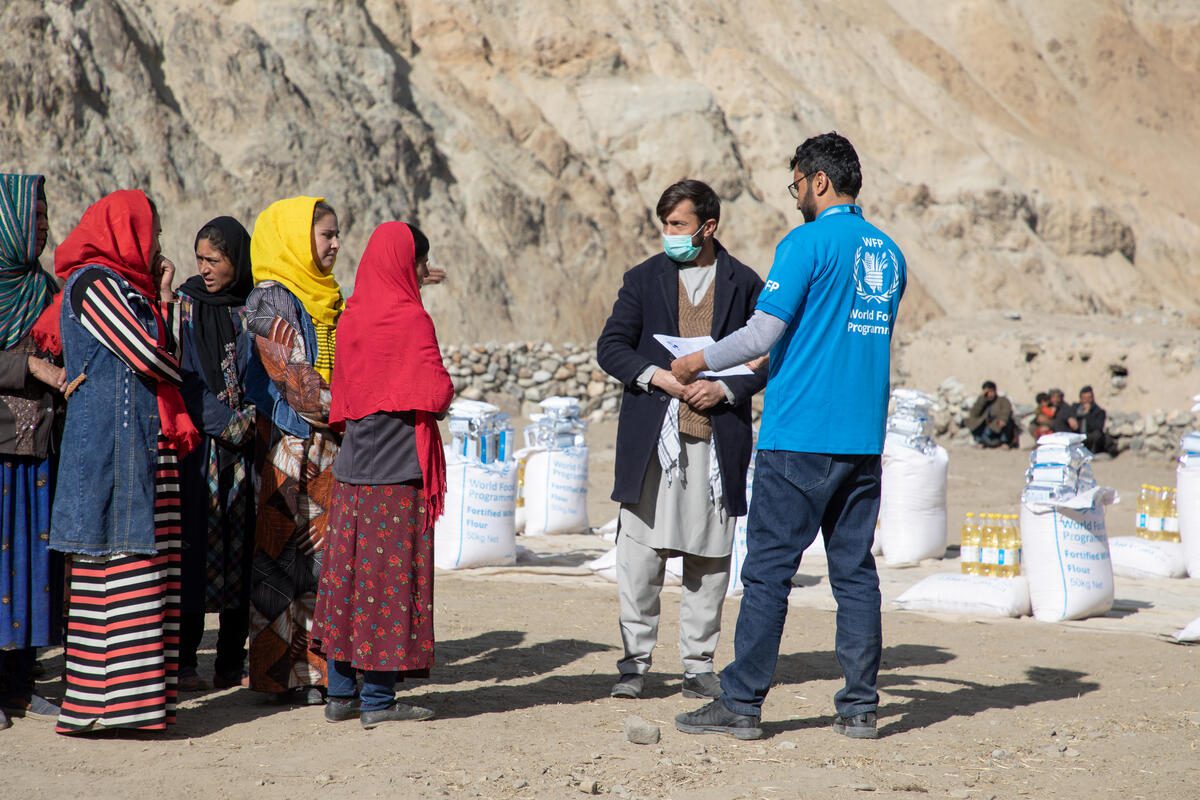
“The U.N. World Food Programme is here on the ground, scaling up our operations. I have an incredible team behind me who are reaching the most remote parts of Afghanistan to deliver food before the snow comes and blocks off these communities.”
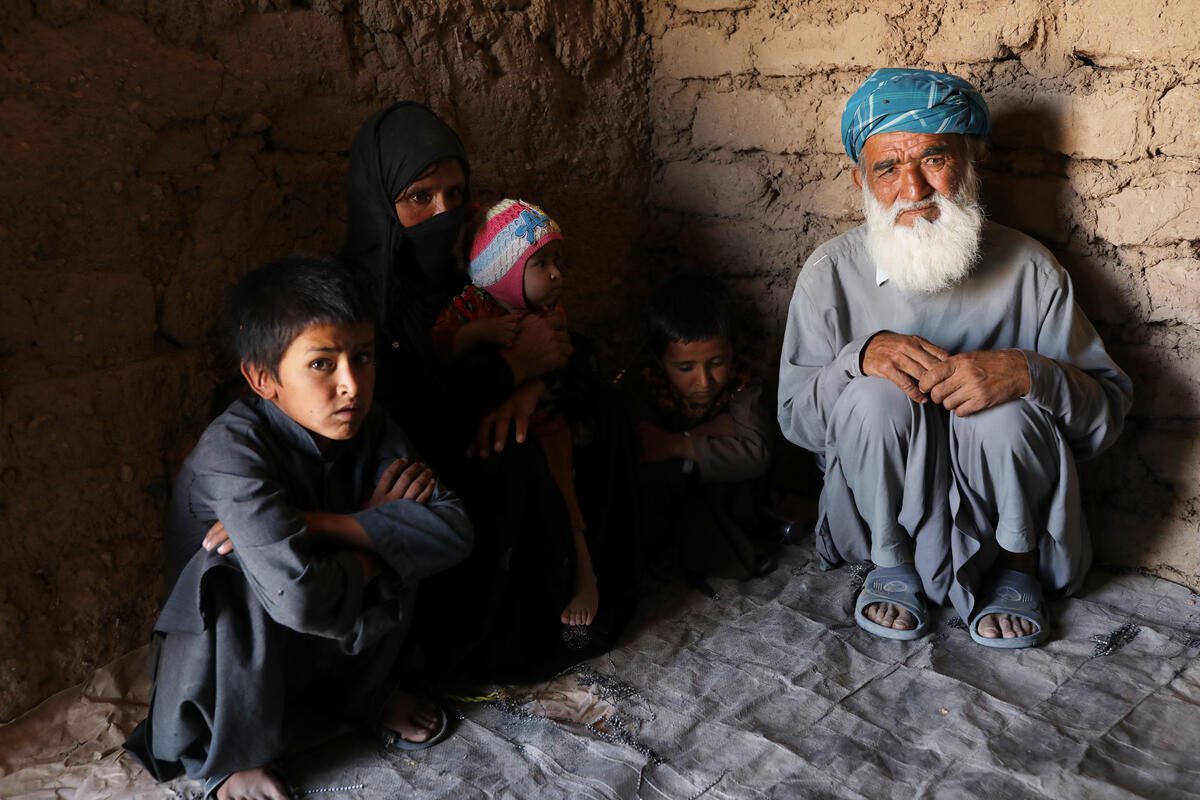
Shelley Thakral, who has just returned from a visit to Faizabad, added that amid the extreme cold, “there is no money for families to buy firewood. As we sat with a group of 20 women in a small village, a former teacher told me she has sold most of her household items and utensils.”
This year, the U.N. World Food Programme has served over 15 million people including breastfeeding women and children under the age of five. In addition to food assistance and nutrition support, the U.N. World Food Programme provides cash grants to empower people to buy food and works with communities through agricultural training and irrigation projects. To learn more about our programming in Afghanistan, click here.
This story originally appeared on WFP’s Stories on December 3, 2021 and was written by Peyvand Khorsandi.