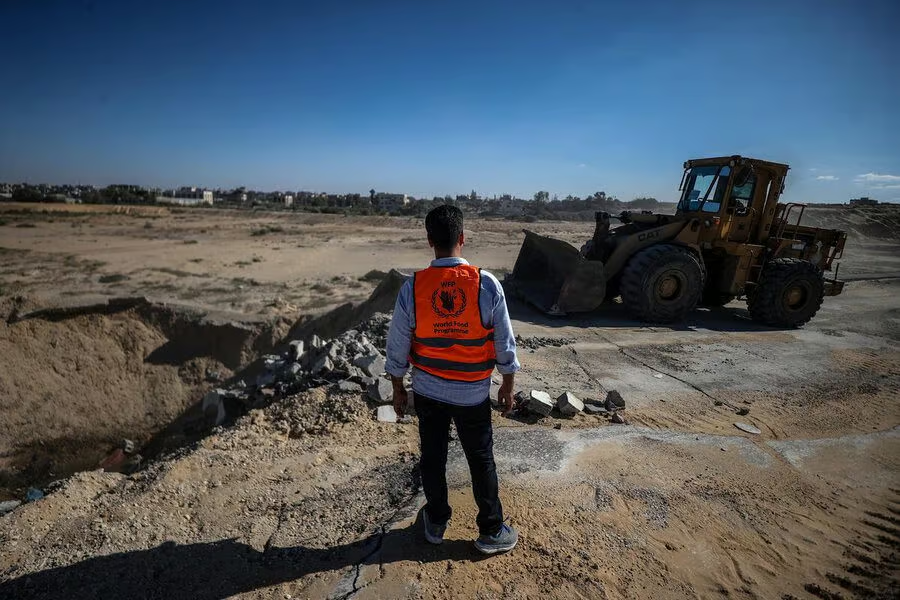
The World Food Programme (WFP) feeds the world’s hungriest, most vulnerable people. For over 60 years, they’ve worked on the frontlines of the worst crises, doing whatever it takes to deliver lifesaving food so families can survive upheaval, build resilience and achieve long-term stability.
110 Million
WFP is scaling up to feed 110 million people this year
120+
WFP works in more than 120 countries and territories
15 Billion
WFP delivers 15 billion lifesaving meals every year
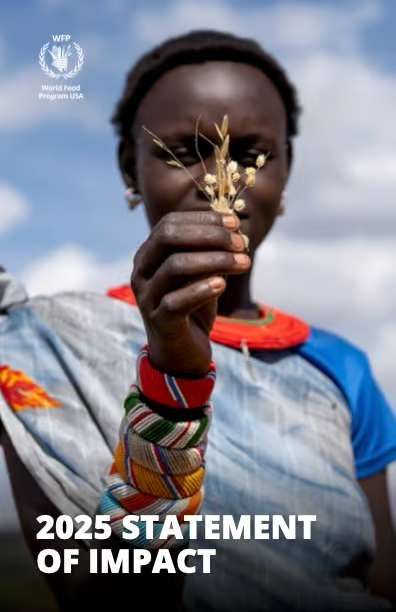
The latest World Food Program USA Statement of Impact summarizes key events from 2025. The report explores how WFP responds in conflict settings, provides school meals and invests in communities affected by the climate crisis. It is our hope that the report informs you of the realities facing millions of people today and inspires your commitment to ending hunger.
WFP delivers vital food and aid to communities affected by conflict, extreme weather and economic instability. They are there before, during and after upheaval to help people survive, recover and rebuild.
Emergency Relief
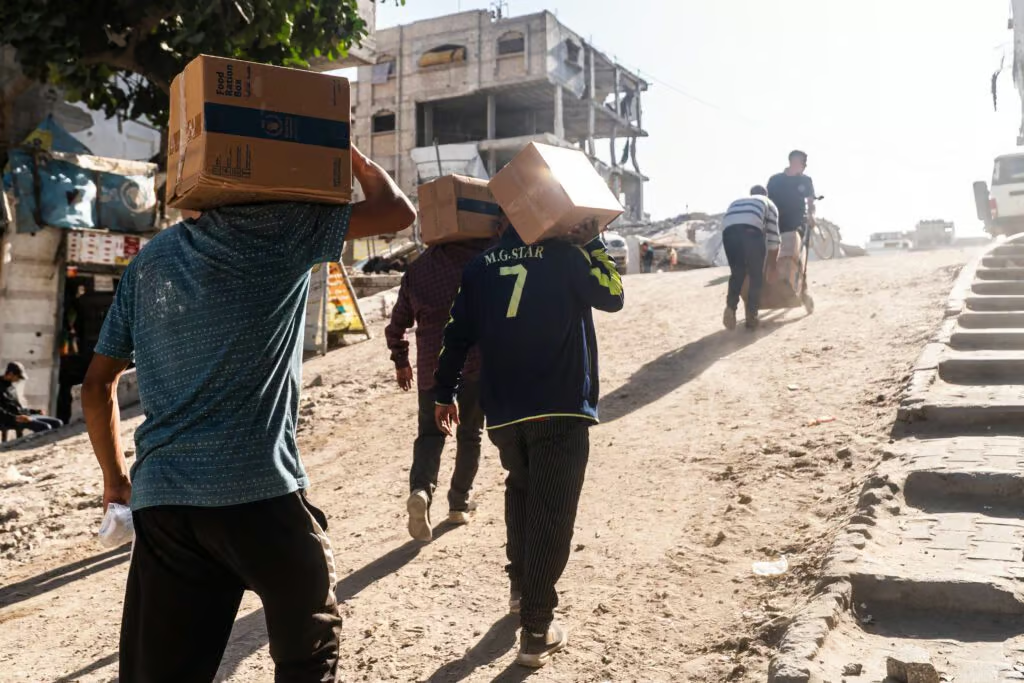
Whether it’s cyclones or civil war, WFP gets boots on the ground immediately to deliver lifesaving essentials like cash, grains, beans and ready-to-eat emergency meals.
WFP oversees logistics for the entire global humanitarian community, including air, sea and land transportation and a vast network of supply chains and warehouses.
In 2020, WFP was awarded the Nobel Peace Prize for its efforts to combat hunger, to improve conditions for peace in conflict zones and to prevent the use of hunger as a weapon of war. The link between hunger and conflict is a vicious circle. Where there is conflict, there is hunger. And where there is hunger, there is often conflict.
Building Resilience
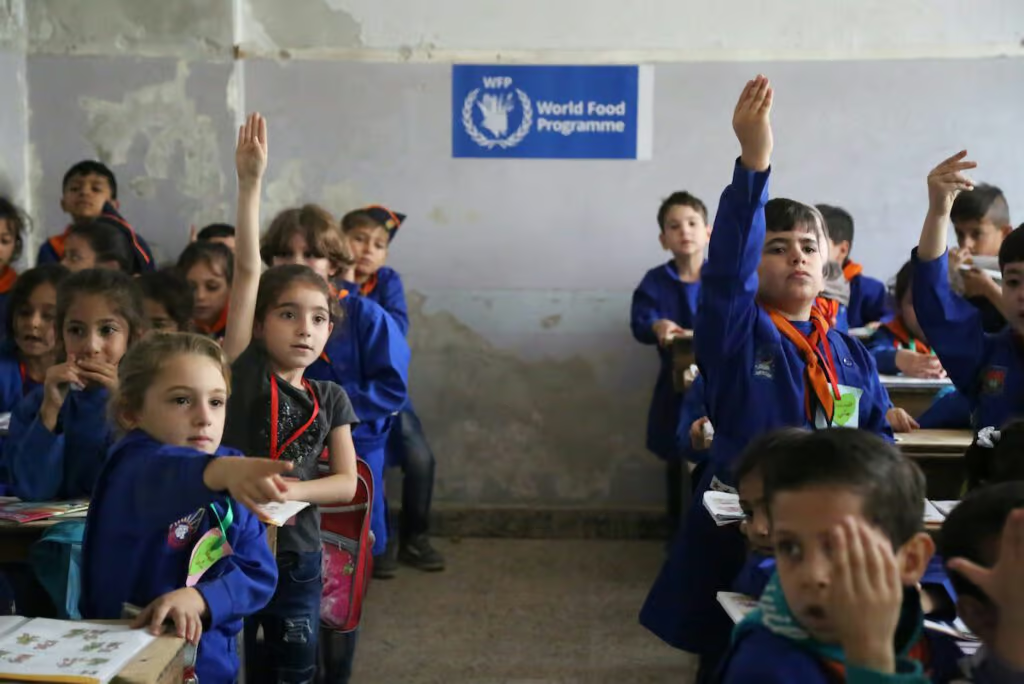
WFP works where the world’s poorest, most vulnerable people live, using food as a foundation for peace. They provide regular school meals so children can get an education. WFP trains women and men to build community assets so they can be self sufficient. They work with governments to strengthen social safety nets so the poor and destitute can’t be preyed on. They build strong communities that are more resilient in the face of conflict.
Emergency Aid
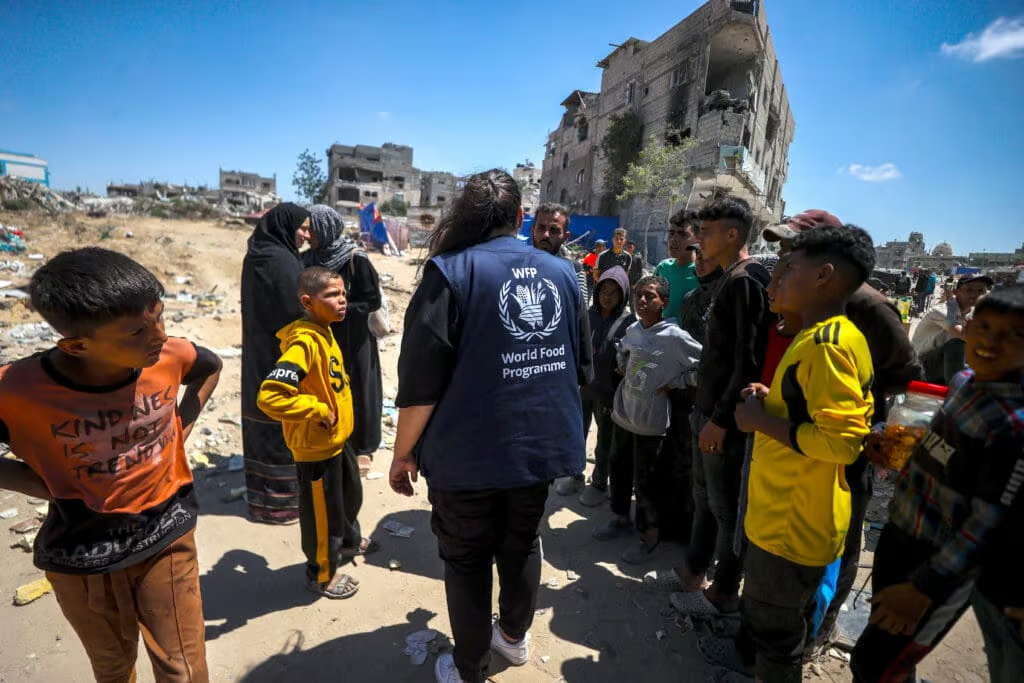
WFP saves lives by bringing food to people who might otherwise starve. When governments are weak or corrupt, when people are at the mercy of armed groups, WFP’s presence provides hope. Food assistance is truly a lifeline for families caught in conflict who have lost their homes, their farms and their jobs. WFP ensures they make it through the darkest hours.
Repair & Restore
Between 40-60% of countries coming out of conflict will relapse into fighting within ten years. That’s why, when conflict ends, WFP stays behind to help people get back on their feet. They help communities rebuild with long-term resilience programs, and they help governments strengthen their civilian support programs so they can reconstruct their communities.
Ending World Hunger
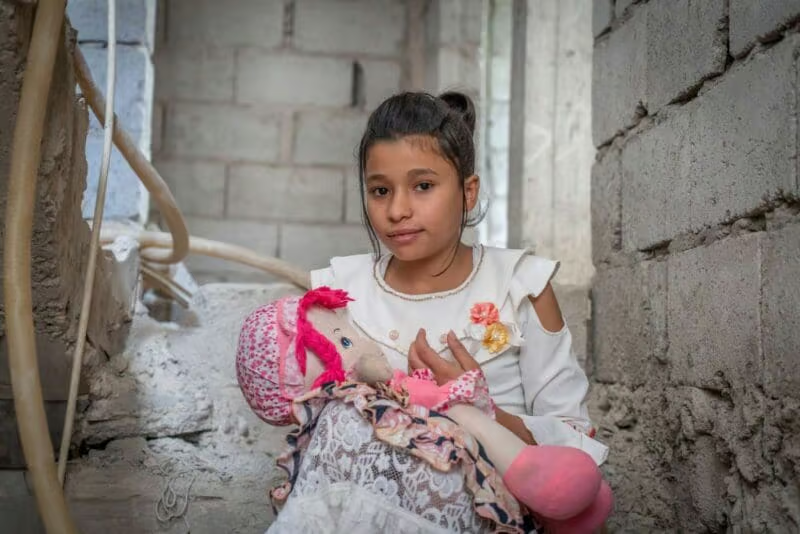
“The thing that worries me most is that the war will continue on and on into the future. That it will be my future,” says 7-year-old Amina in Yemen. WFP is working tirelessly so she – and millions like her – don’t face that fate. Because without peace, we cannot end world hunger. And while there is hunger, we will never have a peaceful world.