How Will Families in Somalia Survive the Driest Season in 35 Years?
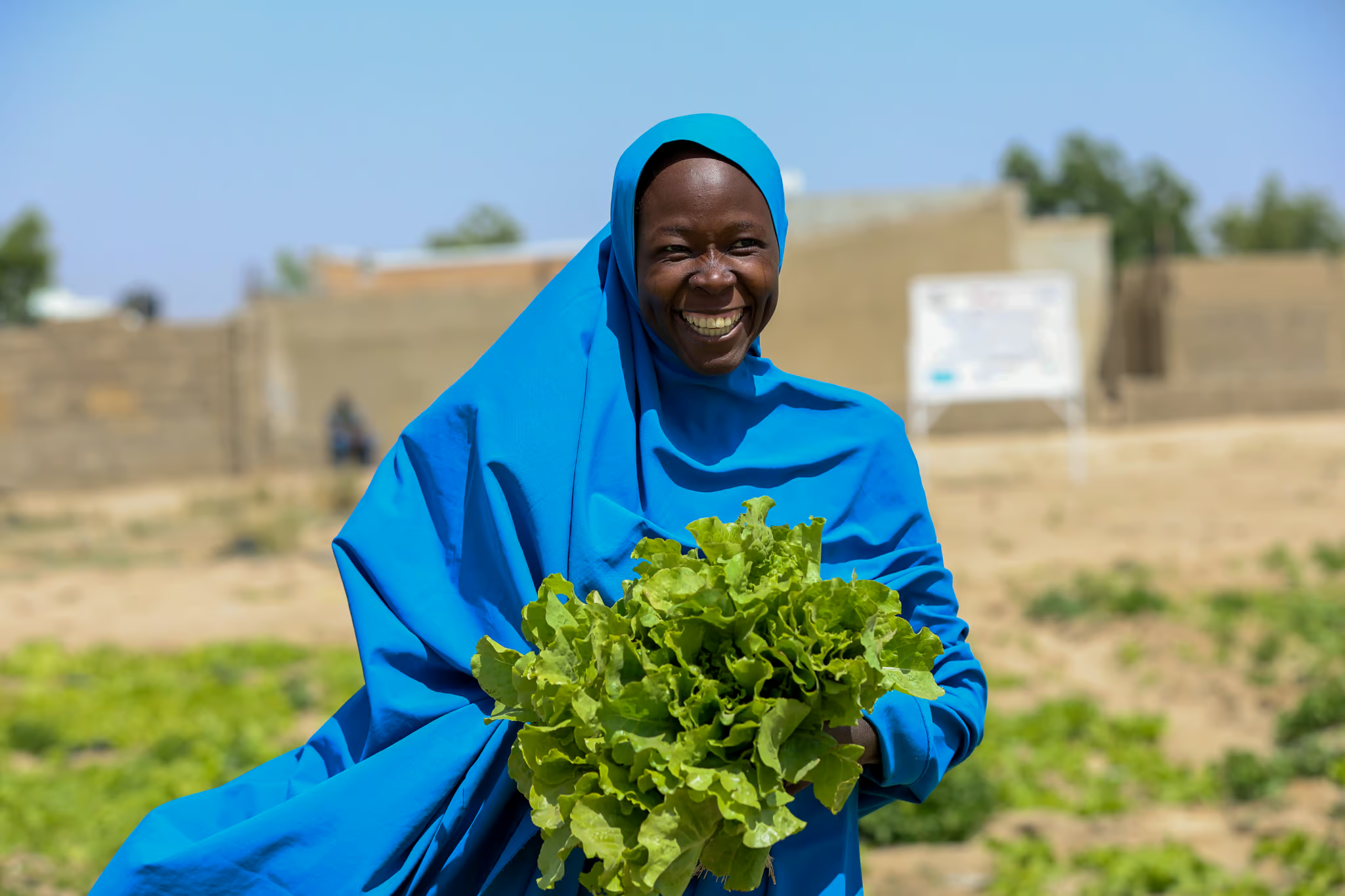
Ongoing drought in Somalia means families are facing severe hunger, struggling to adapt and looking for any way to continue their everyday lives.

Ongoing drought in Somalia means families are facing severe hunger, struggling to adapt and looking for any way to continue their everyday lives.

In times of disaster, WFP responds immediately to meet the need. Here’s how we’re responding to Cyclone Kenneth, and how you can help.
“The water level rose up to our elbows. My husband and I were carrying our children in our arms…We were trapped.”

Almost 60 WFP staff have been deployed to Mozambique and 45 more are on the way. WFP requires $140 million to continue life-saving operations for the next three months.

The cyclone that hit Mozambique, Zimbabwe and Malawi has destroyed homes, schools, businesses and essential infrastructure. Survivors have lost everything and need our help.
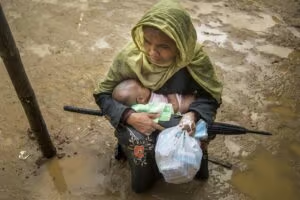
More than 900,000 refugees still call Bangladesh home–one year after the majority fled escalating violence in western Myanmar.

WFP USA CEO Rick Leach and sr. director of public policy Chase Sova explain why unchecked food insecurity and growing poverty can produce deteriorating security and stability.

In a historic unanimous vote, members of the U.N. Security Council recognized for the first time that armed conflict and violence are closely linked to food insecurity and the risk of famine currently threatening the lives of millions of people.
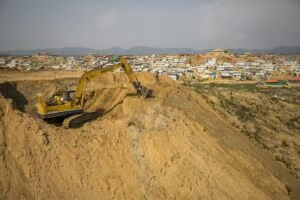
WFP engineers are in a race against time to create safe land in the world’s largest refugee camp where the most vulnerable will be relocated before the next crisis strikes.
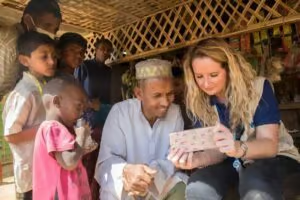
The monsoon season sets new challenges for people living in camps on the Bangladesh border.