In Burundi, What Do Farmers and Food Waste Have in Common?
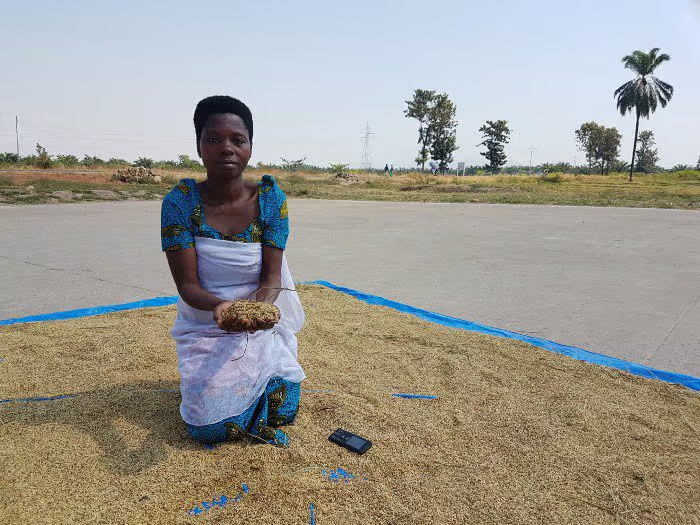
90 percent of Burundi’s population is entirely dependent on agriculture, yet the country doesn’t produce nearly enough food to feed everyone. Cutting food loss can help.

90 percent of Burundi’s population is entirely dependent on agriculture, yet the country doesn’t produce nearly enough food to feed everyone. Cutting food loss can help.

Three-hundred farmers each received eight specially-made, airtight, 110-pound bags to protect their grains from insects, rodents, mold and moisture. The results were astonishing.
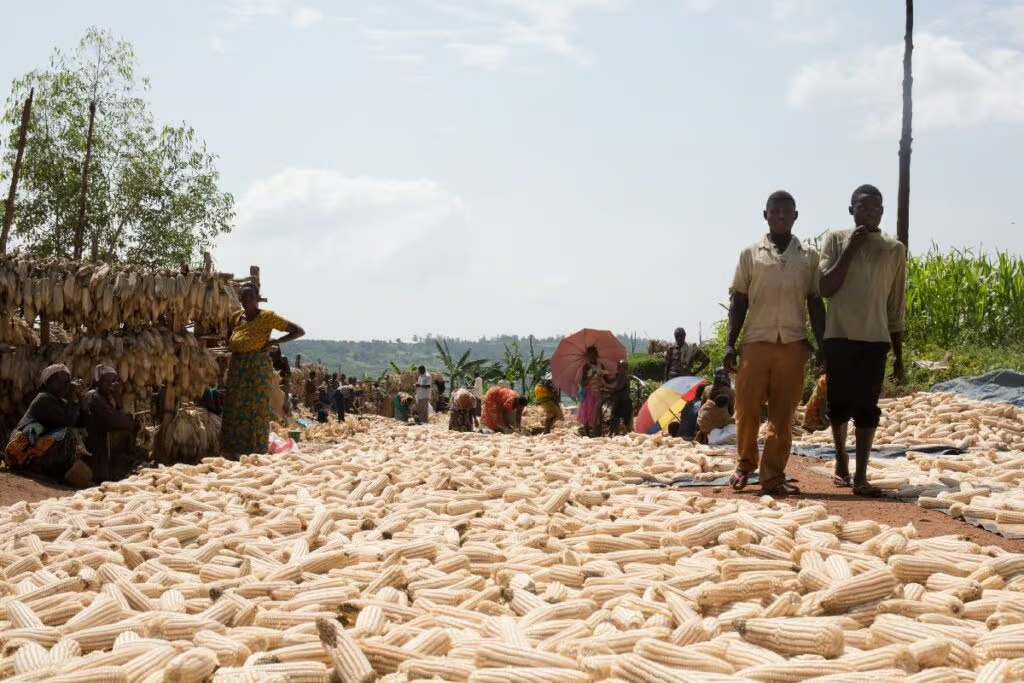
Around 70% of Rwandans work in the agricultural sector, yet they lose vast amounts of their harvest before it ever reaches their plates or markets.
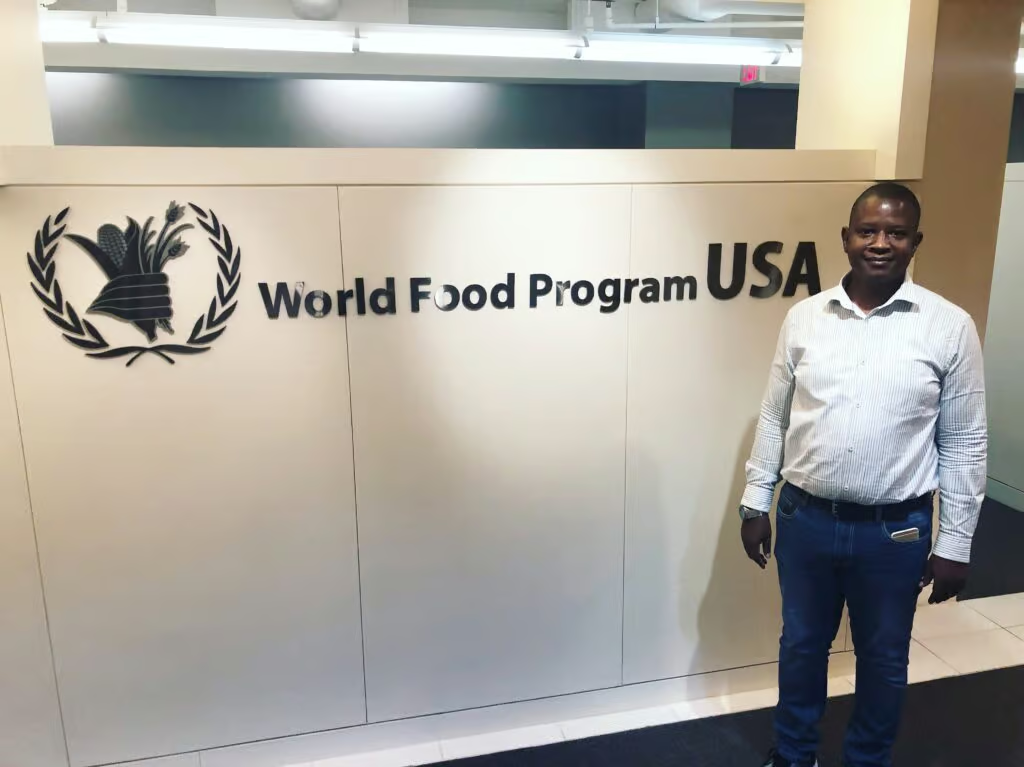
Johnson Kagoye, WFP government partnerships officer in Uganda, is committed to ending hunger by reducing food waste and loss.

At a time when 1 in 9 people go to bed hungry every day while obesity is on the rise, the United Nations has challenged the world to cut global food waste in half by 2030.
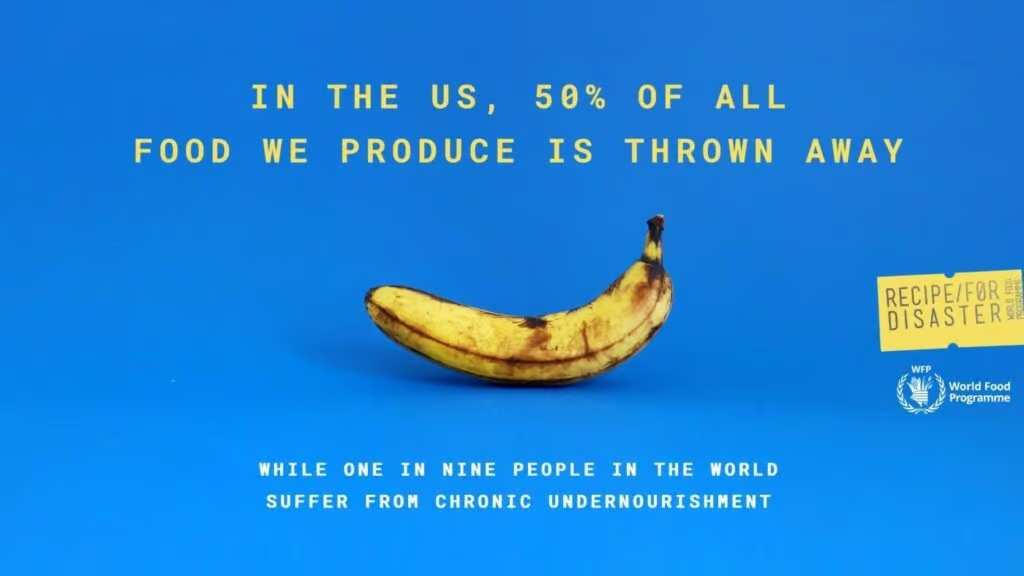
Karl Deily, the President of Sealed Air Corporation, breaks down the top three food waste myths and explains how we can do more to protect our food supply.
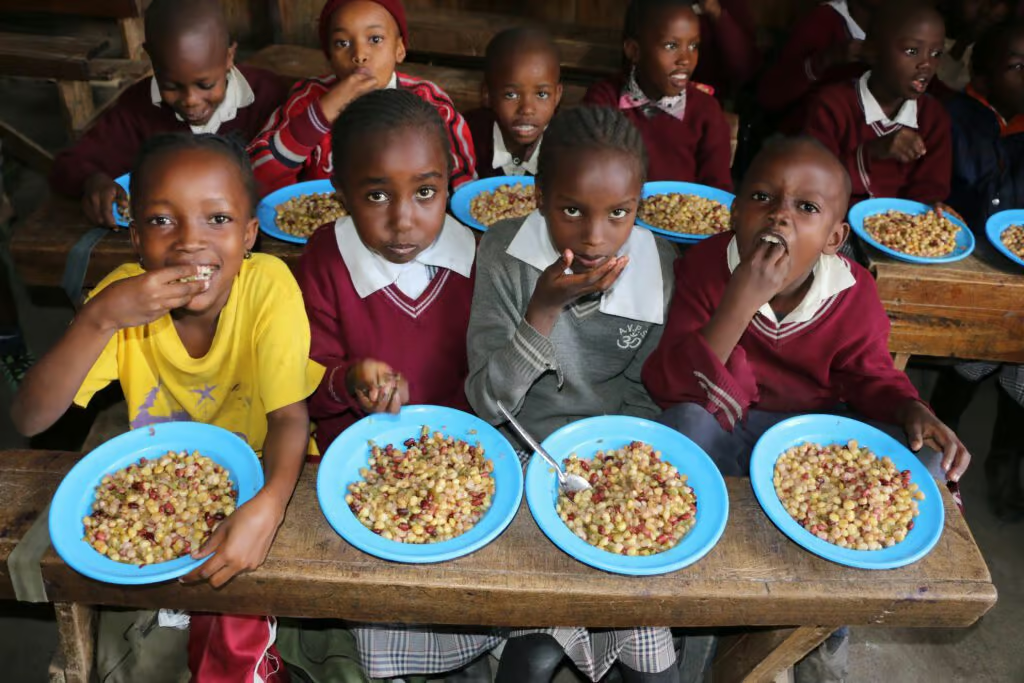
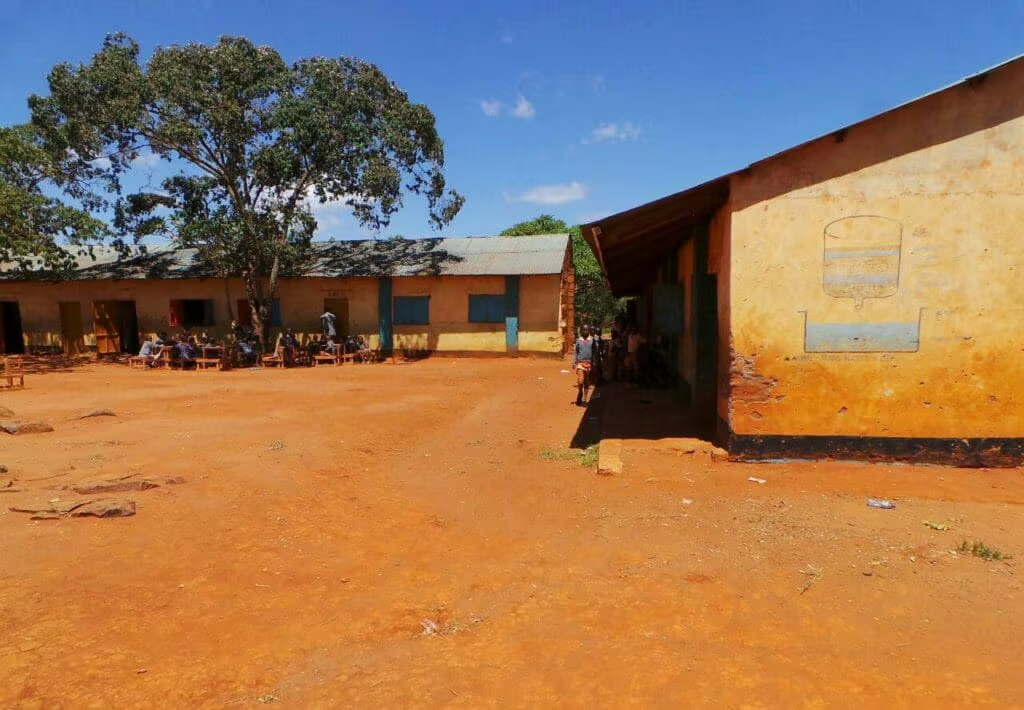
Vegetables that were previously thrown away purely for their looks are being transformed into nutritious school meals in Kenya.
Kawinzi Muiu, who grew up studying African writers like Chinua Achebe alongside stanzas from Shakespeare’s Romeo and Juliet, learned the importance of education and equal opportunities from her mother.

We must create a world where people have better access to a safe, plentiful and nutritious food supply and less food is wasted.