A Year of Saving and Changing Lives
A look at what 2018 meant for the World Food Programme (WFP) and the millions of people it serves.

A look at what 2018 meant for the World Food Programme (WFP) and the millions of people it serves.

After four years of conflict and destruction, Yemen is teetering on the brink of famine. It’s the largest humanitarian crisis on the planet.
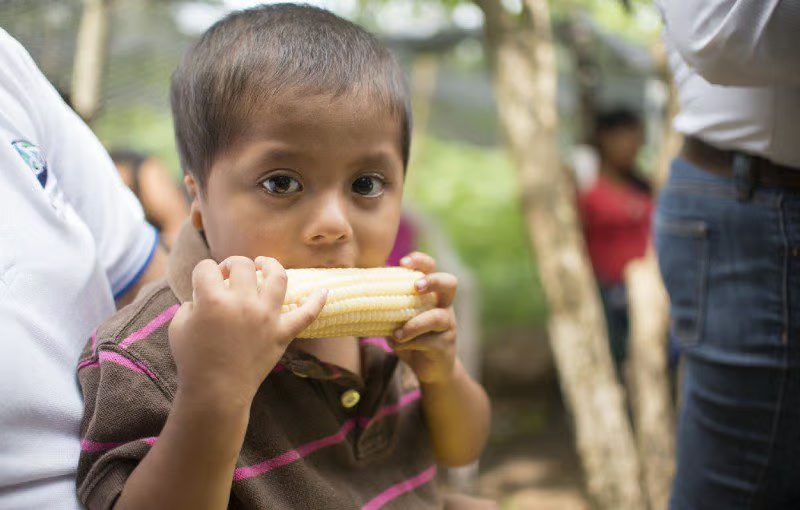
There’s been a lot of news about migrant flows from Central America to the United States. Here’s a look at how communities in the Dry Corridor are forced to choose: adapt to a changing climate, or leave.

Recently, WFP broke through barriers to reach Rukban, an isolated Syrian settlement, with lifesaving food and supplies.
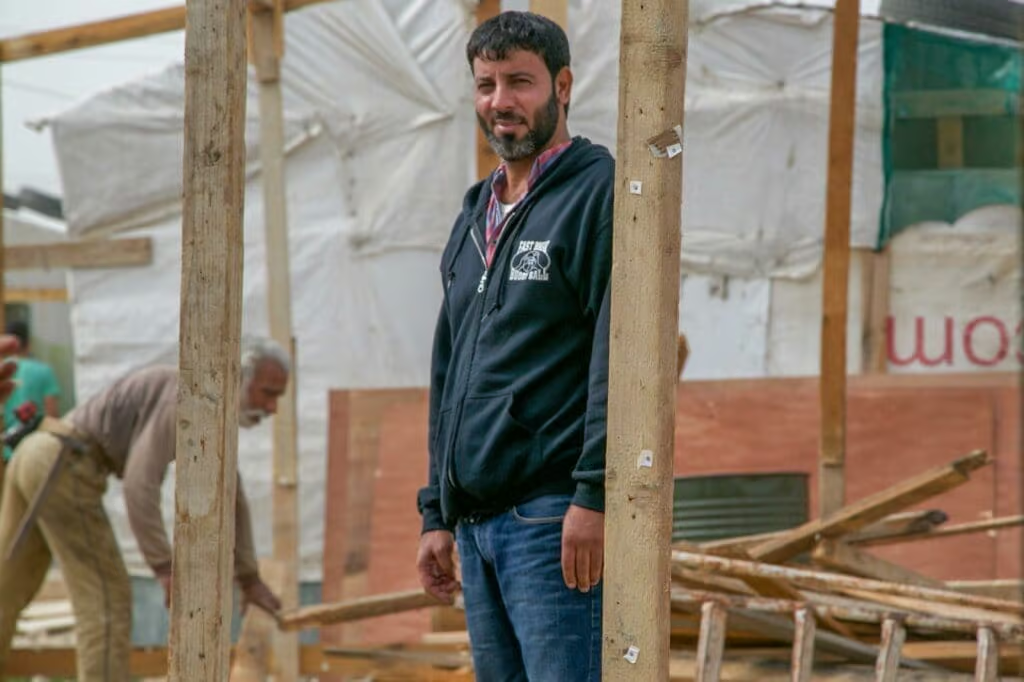
Conflict in Syria forced Hussein’s family to flee to Lebanon, where they are rebuilding a life at a refugee camp.
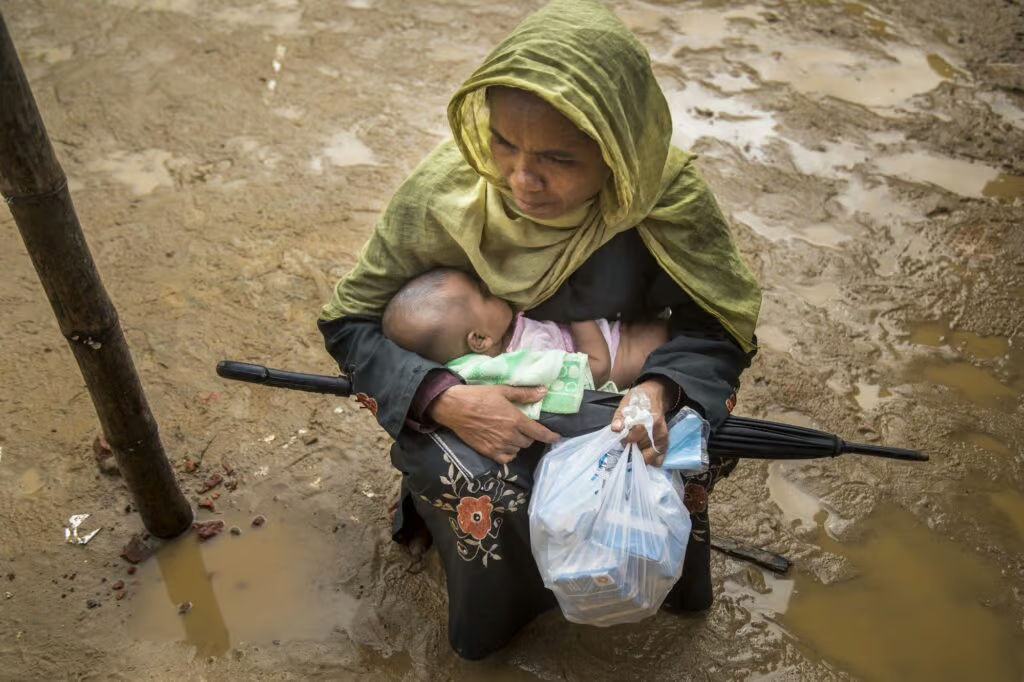
More than 900,000 refugees still call Bangladesh home–one year after the majority fled escalating violence in western Myanmar.
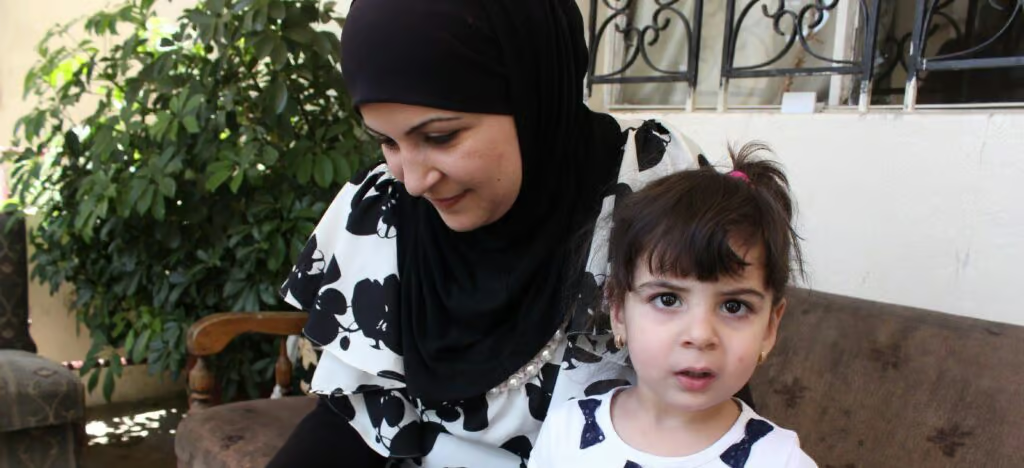
WFP provides e-cards for displaced families, allowing them to purchase the kind of food they need with dignity and choice.
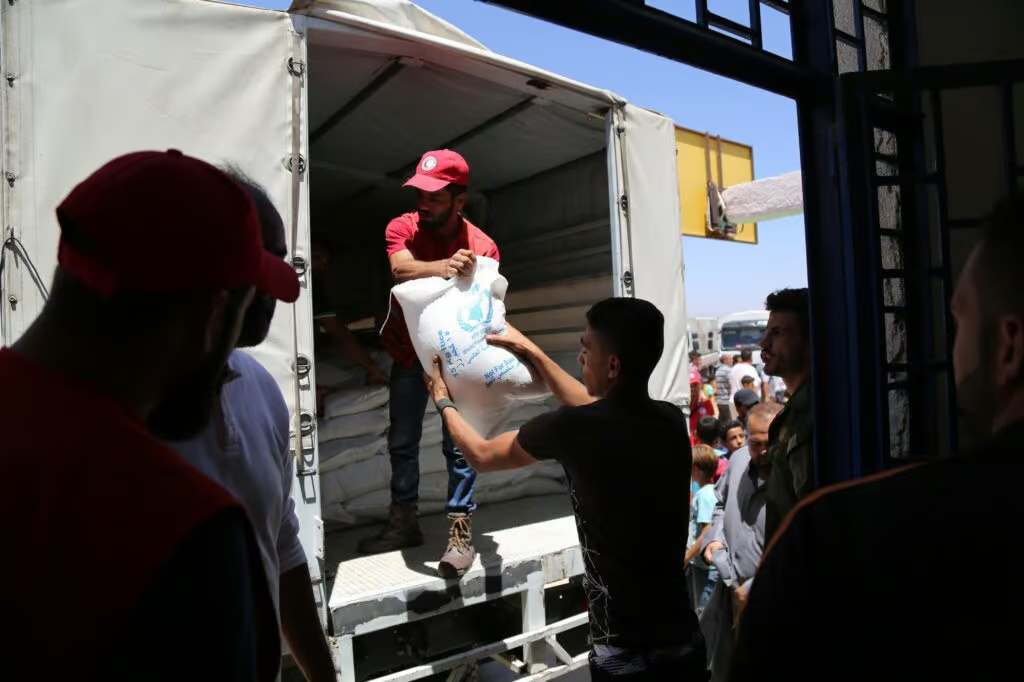
Halfway through the year, an alarming number of families have newly fled their homes for safety, making the World Food Programme’s (WFP) efforts to deliver food and nutrition assistance a matter of life and death.
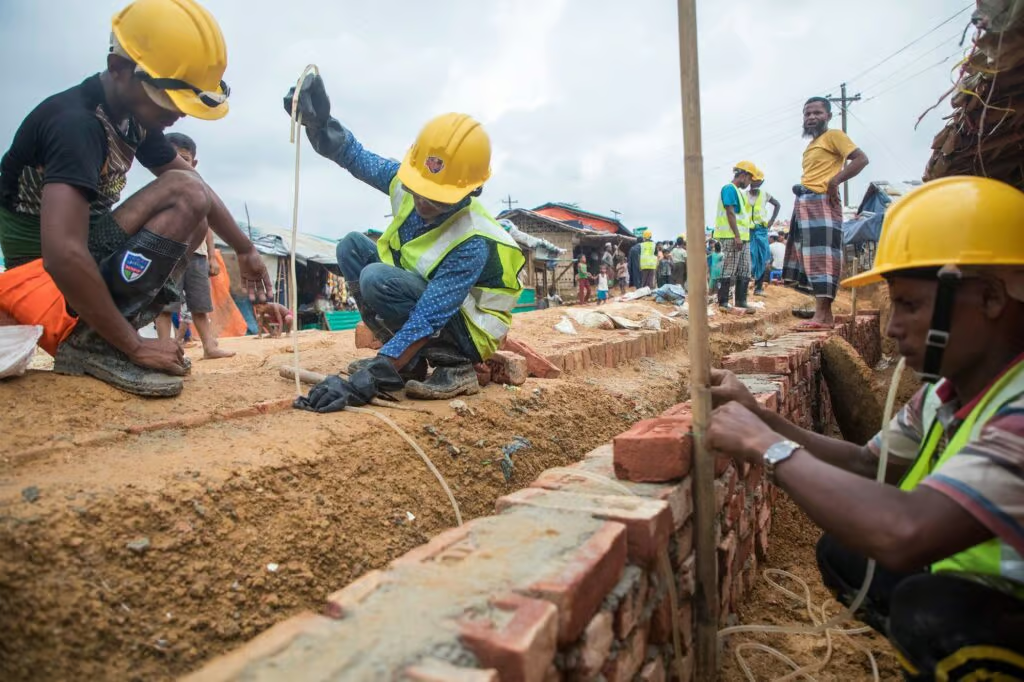
Halfway through the year, a nonstop effort is underway to protect hundreds of thousands of Rohingya refugees from the worst of the monsoon season.
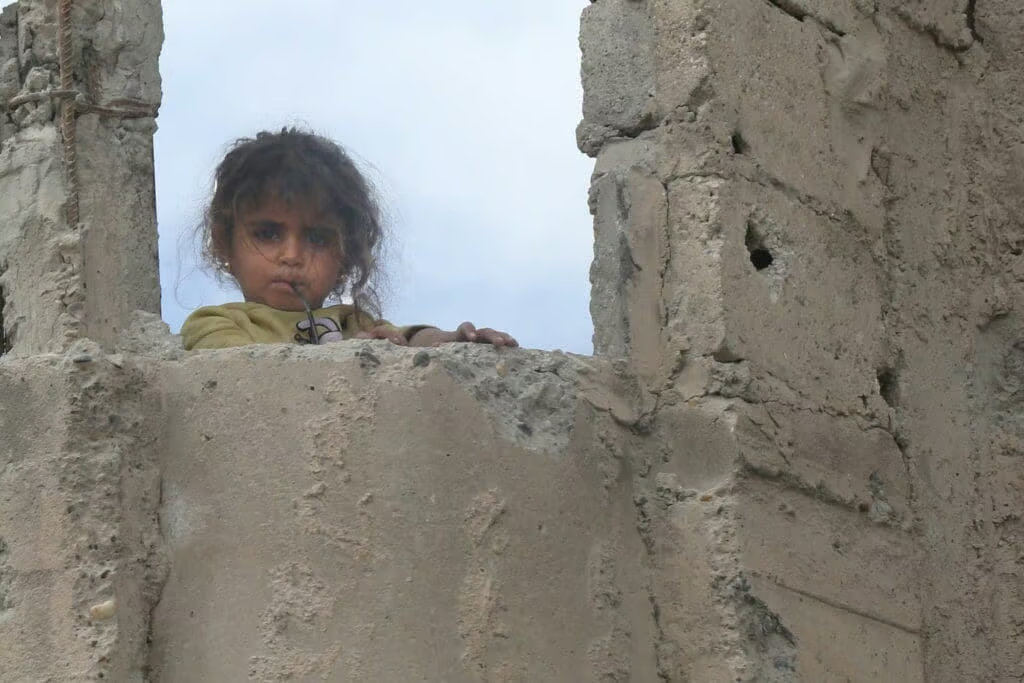
This past May, the U.N. Security Council unanimously approved a resolution officially recognizing the link between conflict and hunger for the first time