Scenes From a Looming Famine in Somalia
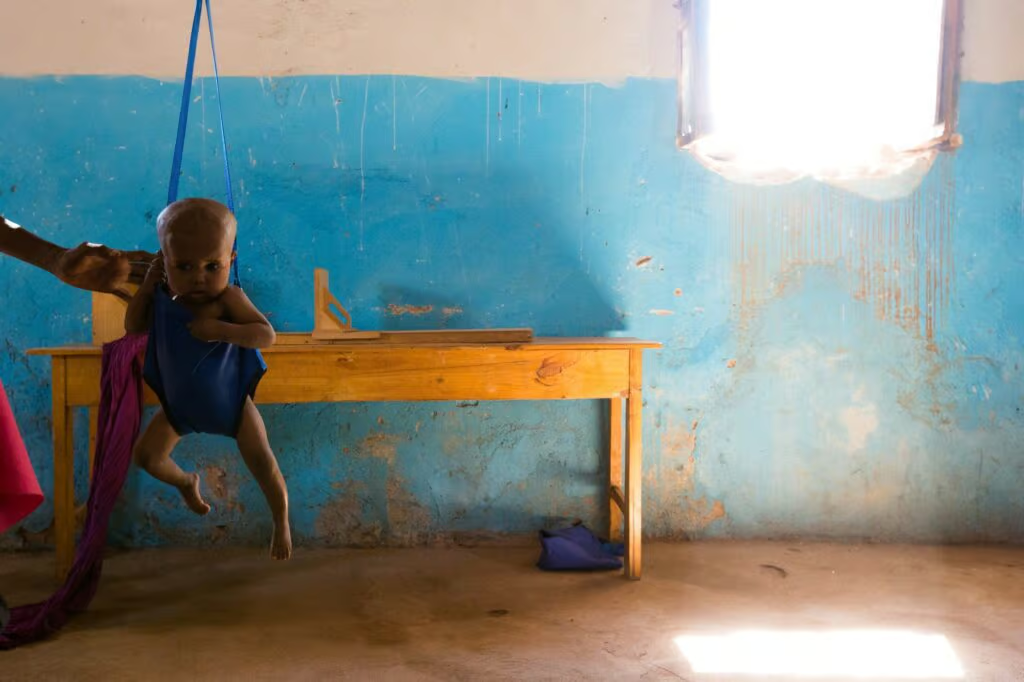
Somalia is once again on the brink of famine: A severe drought, rising food prices and violence has pushed the country to the edge.

Somalia is once again on the brink of famine: A severe drought, rising food prices and violence has pushed the country to the edge.
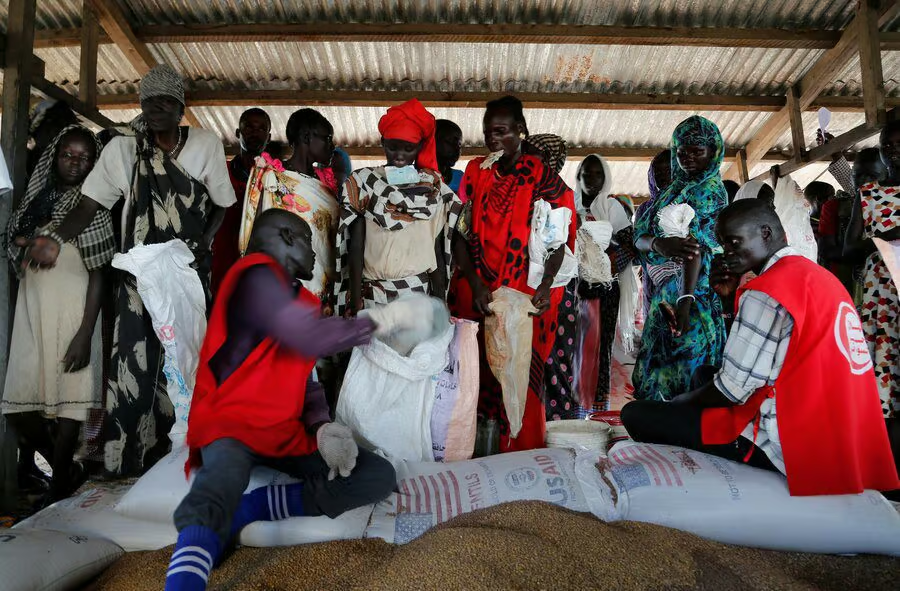
Every month Khamisa, who wants to become a doctor, walks from the family shelter to the U.N. World Food Programme distribution centre in Alagaya Camp, White Nile State to collect food for her parents and four siblings. She is one of the 387,000 refugees across Sudan that WFP supported in the first half of 2019. “Home is close by, but it feels so long ago,” Khamisa says.
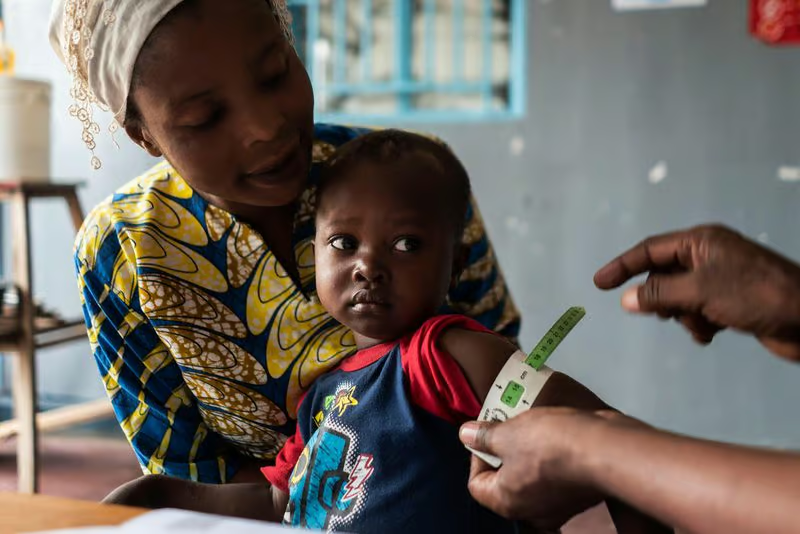
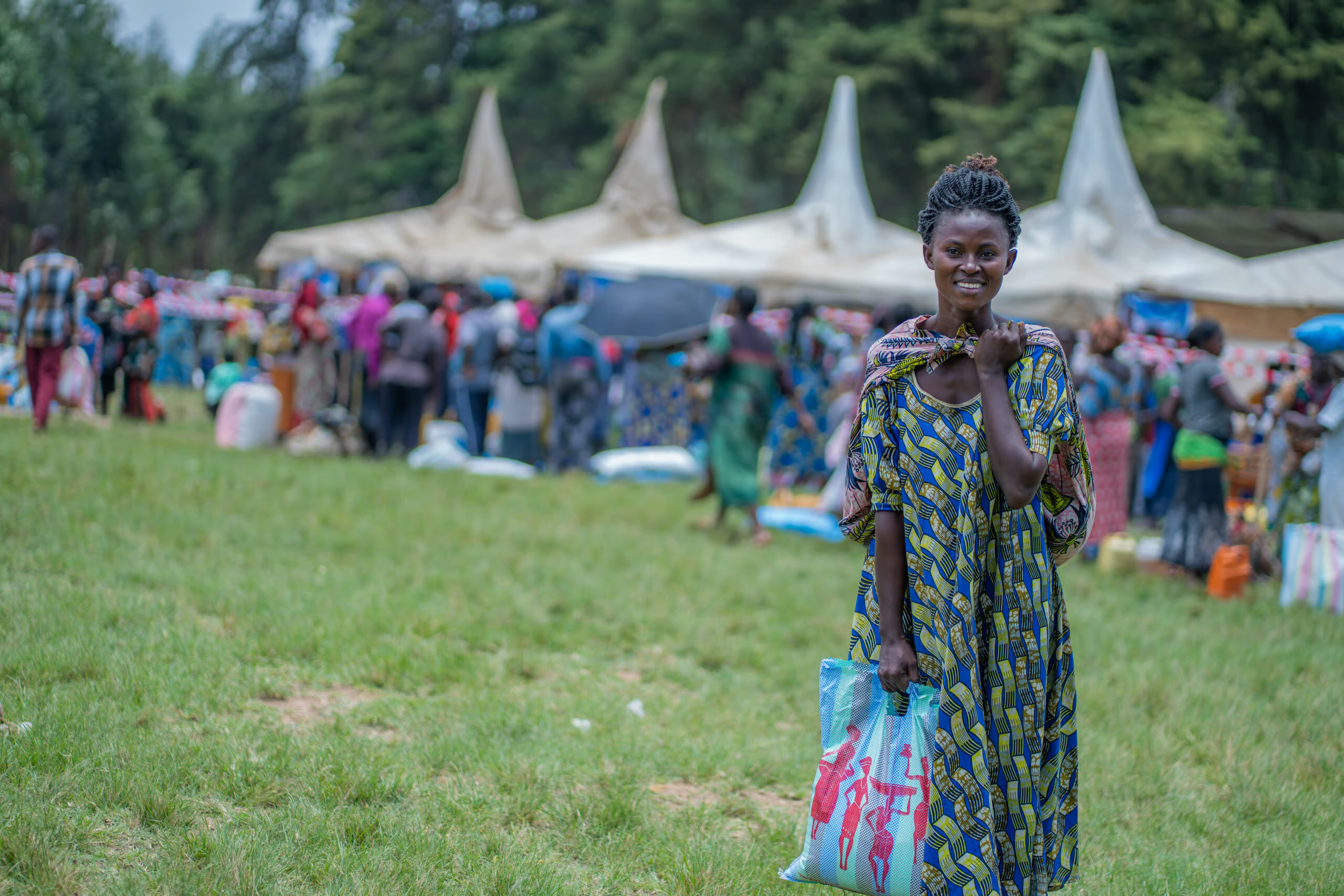
One in three people in the DRC are suffering from acute hunger. This makes the central African country home to the highest number of people in urgent need of food security assistance in the world.

Superstar Abel Tesfaye, better known as The Weeknd, has just given $1 million dollars to the United Nations World Food Programme. “I encourage those who can to please give as well,” he said.
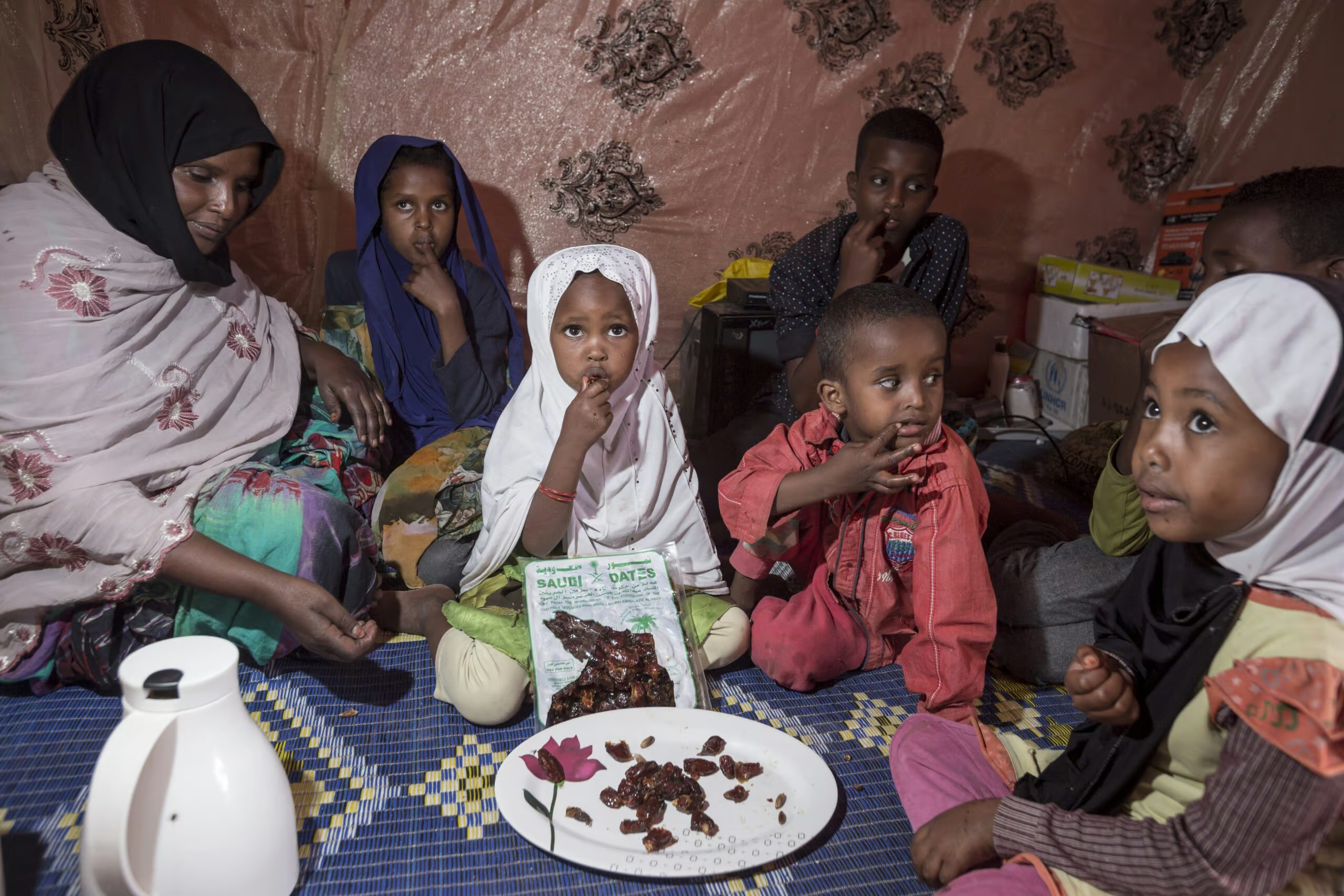
WFP has sent emergency food to people in Tigray but urgently needs $170M to meet critical food and nutrition gaps over the next six months.

More than 668,000 people, mainly women and children, were forced to flee their homes without any belongings due to the ongoing crisis. Without the humanitarian community, these people would not be able to meet their basic needs.
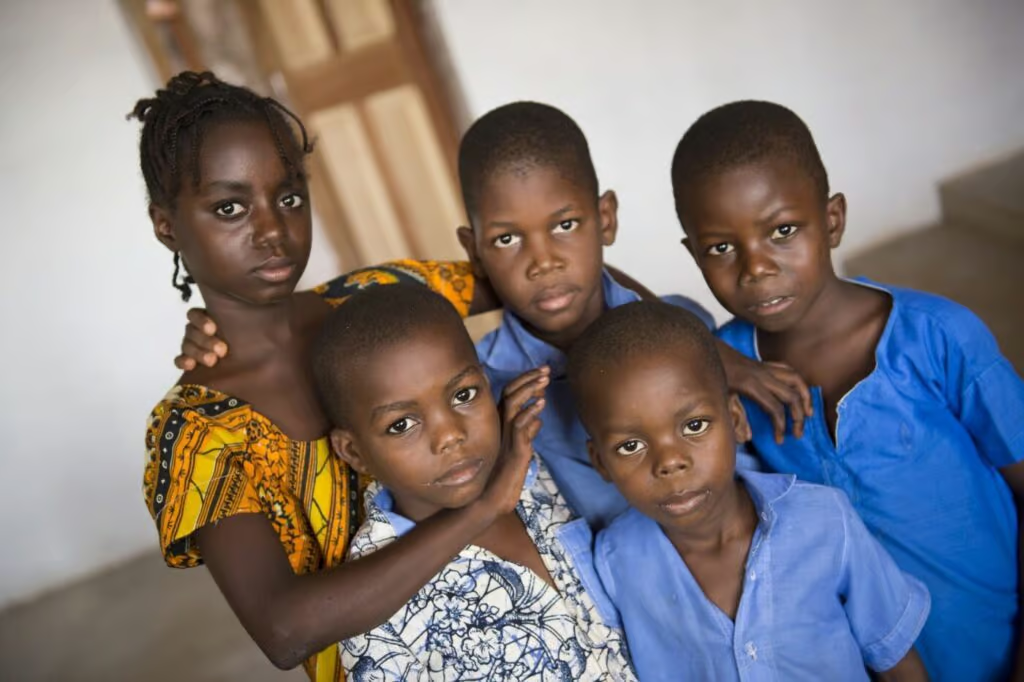
Without urgent access to the care they need, severely malnourished children are at imminent risk of death. We must be able to safely reach all children, women and girls in need as soon as possible, particularly in the areas most affected by recent violence.
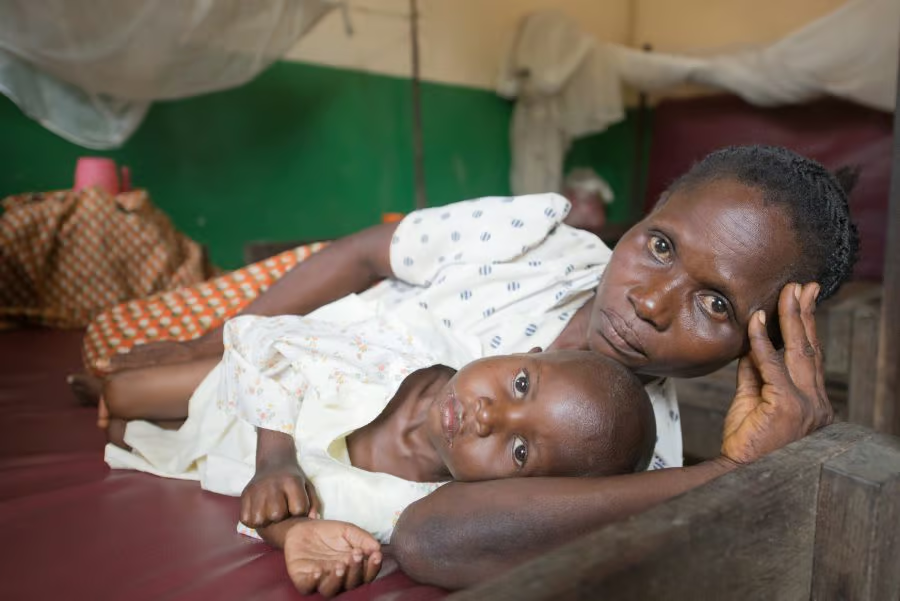
Conflict, displacement and disease have taken a devastating toll on the people of the Democratic Republic of the Congo (DRC), pushing millions into hunger and desperation.
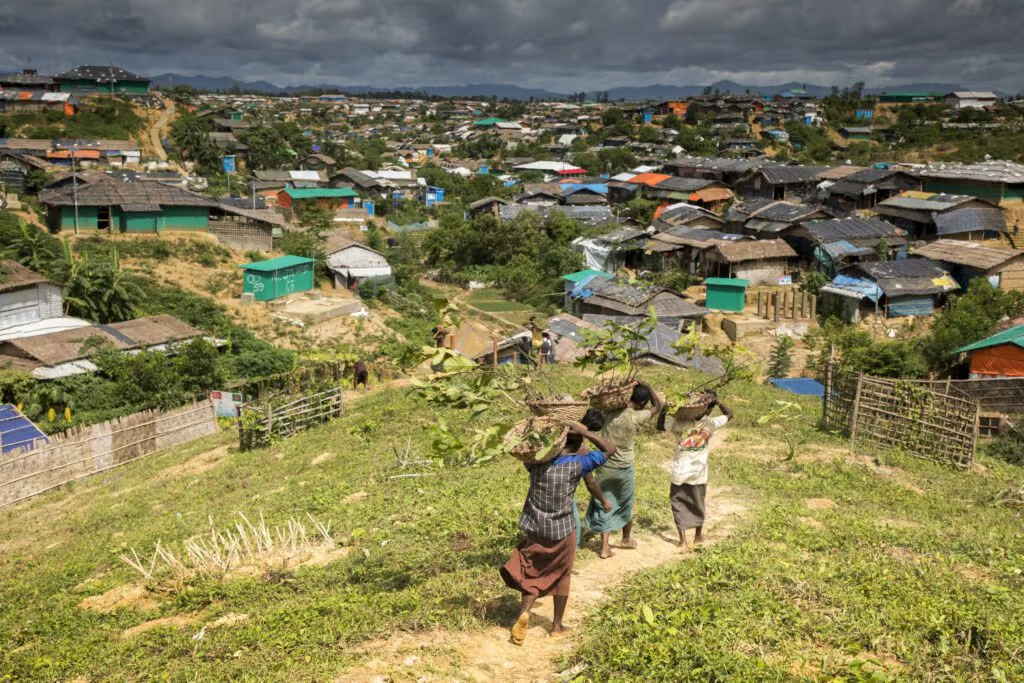
In honor of World Youth Skills Day, meet a young activist who fled his home in Myanmar at the age of 16 to seek a new life.

We’re doing everything we can to reach people with the most acute needs through emergency rapid response teams.