Liberia
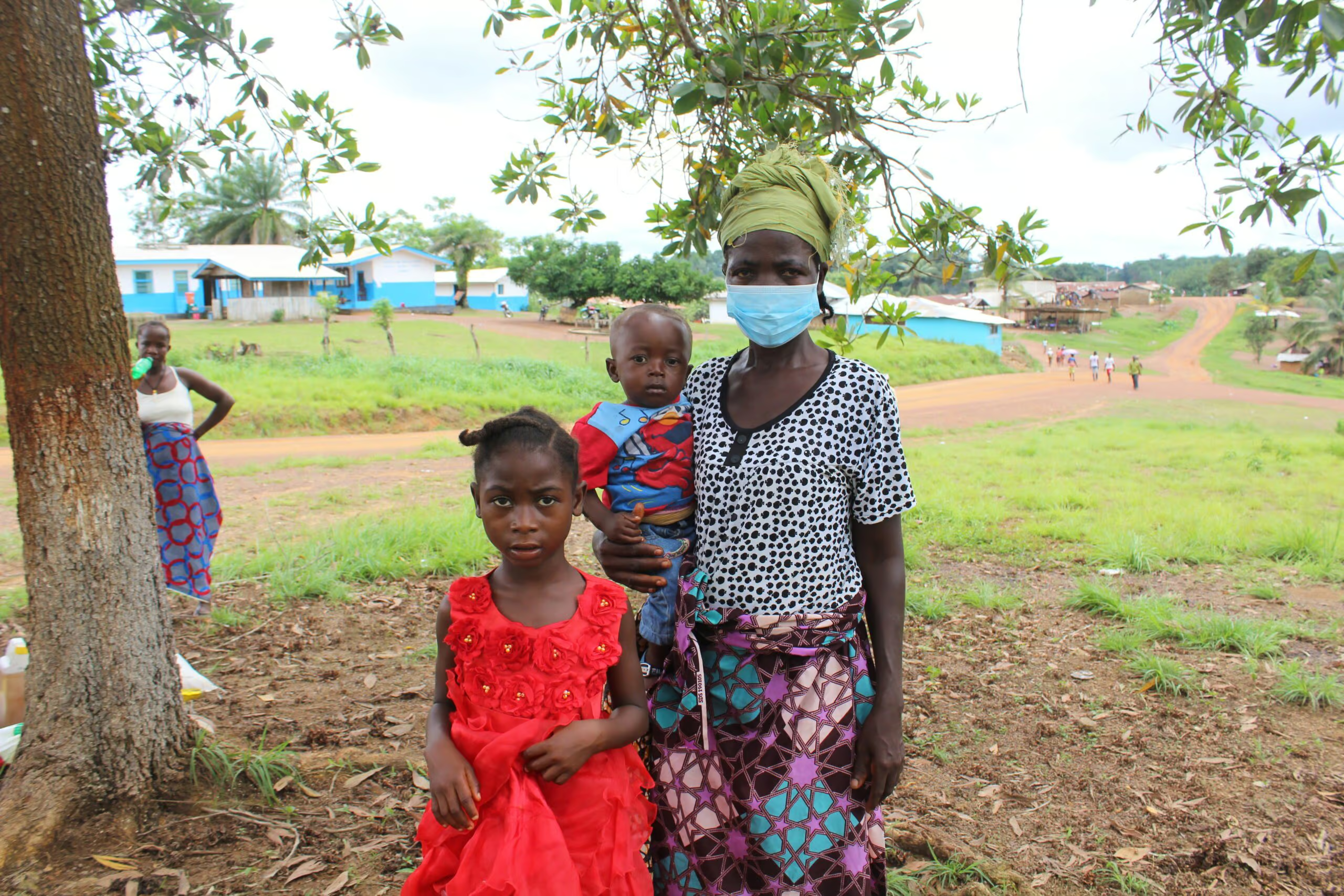
Hunger in Liberia is a serious concern, driven by poverty and high food prices. WFP is responding through school meals and support to smallholder farmers.
Make a difference in Liberia
Hunger Stats
30%
of children under age 5 are stunted
50%
of people live on less than $2 a day
80%
of households are food insecure
Liberia Facts
New York
Show Places

New York
×
Geocoding Error Occured.
Tried to Geocode:
Error Type:
Please be sure to follow the tutorial on how to setup the Google APIs required for the Advanced Google Map Widget.
Google Map API Key Tutorial
Population: 5.5 million people.
Background: Libya became independent in 1951. The country is a republic and has experienced prolonged political instability since 2011.
Geography & Climate: Libya is a large, mostly desert country in North Africa, with a long Mediterranean coastline. The country has a hot, arid climate.
Economy: Libya’s economy depends overwhelmingly on oil and gas revenues, which provide the vast majority of export earnings and government income. Agriculture plays only a limited role: Just about 1% of Libya’s land is cultivated, and domestic food production is constrained by arid conditions, water scarcity and conflict-related disruptions. As a result, Libya relies heavily on imports to meet its food needs, with cereals and other staples largely purchased from abroad and paid for using foreign currency earned from oil exports.
Causes of Hunger in Liberia
Poverty
Many Liberians struggle to earn enough income to buy adequate food, especially where jobs are scarce and households depend on low-productivity agriculture. When food prices rise or supply chains are disrupted, families have less purchasing power and may reduce meal size, skip meals or shift to cheaper, less nutritious foods.
Agricultural Challenges
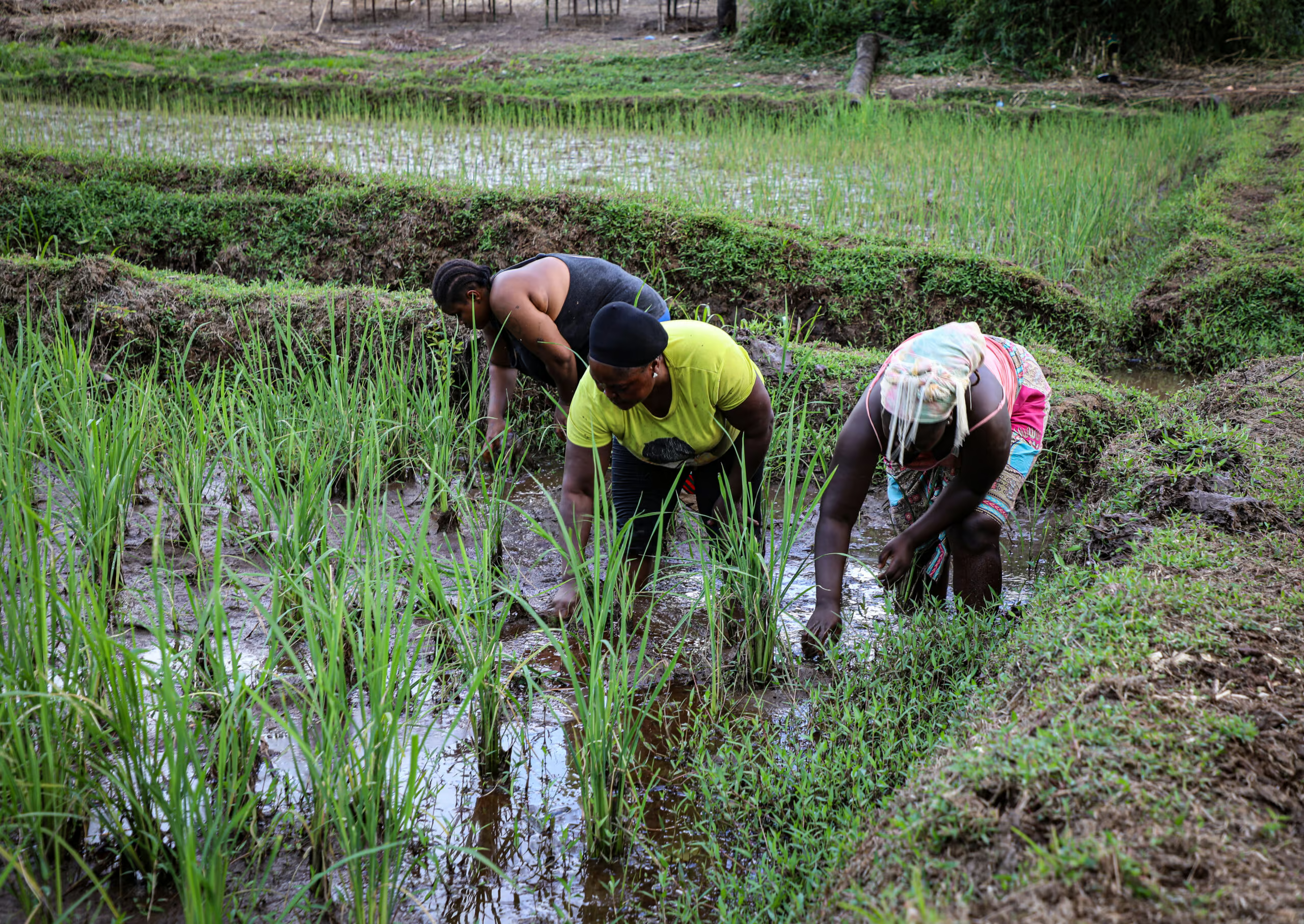
Liberia’s food security is vulnerable to weak agricultural production, pests, natural shocks and broader economic crises, which can reduce harvests and household food stocks.
History of Hunger in Liberia
1989-1997
A rebellion turned into conflict among multiple factions. The multi-year war resulted in displacement, destruction and hunger.
1999-2003
Further conflict placed greater strain on communities still recovering from the previous war.
2014-2016
An Ebola virus outbreak in West Africa disrupted farming and markets, increasing food insecurity.
2020-2022
The COVID-19 Pandemic and the Russia-Ukraine war disrupted food markets, putting more pressure on households that depend on global markets for food.
WFP’s Work In Liberia
WFP has been present in Liberia since 1968. They aim to provide safety nets to strengthen food and nutrition security through activities including:
School Meals
WFP provides school meals to primary schoolchildren and take-home rations to schoolgirls from highly vulnerable poor households in the most food-insecure counties.
Building Resilience
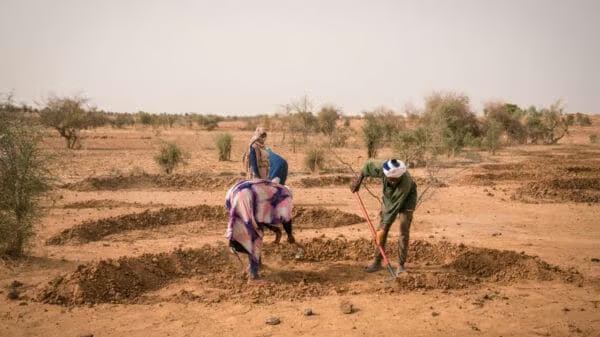
WFP helps create community assets – including roads and bridges to improve access to markets. WFP also woks to establish community grain reserves and link farmers’ organizations to markets.
Refugees
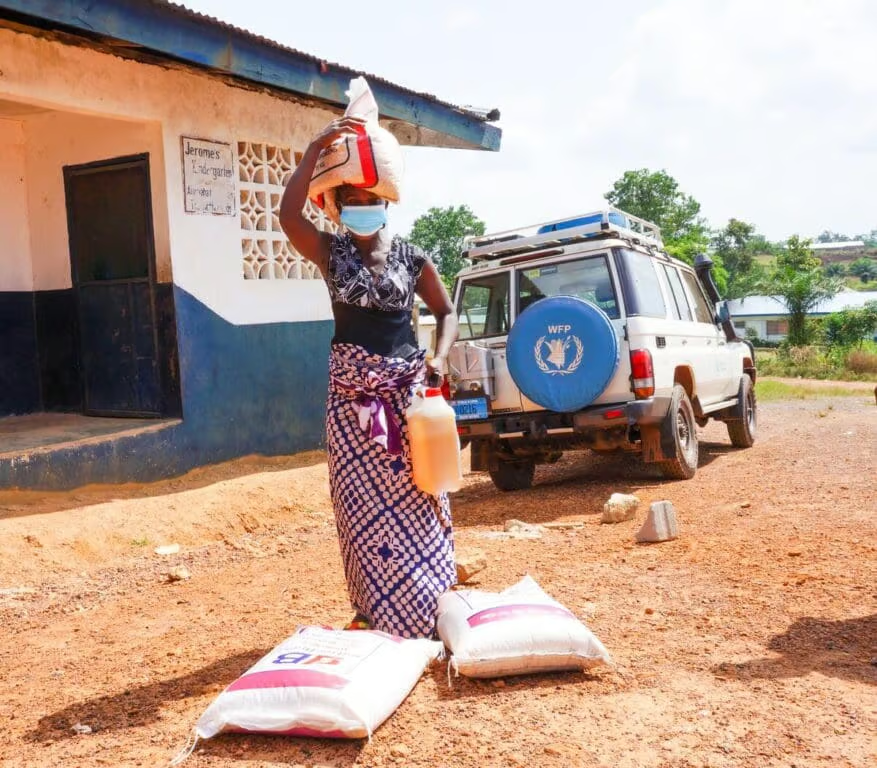
Refugees have limited access to means of earning a living, rendering them heavily dependent on food and material assistance. WFP provides monthly food support to some 30,000 refugees residing in Liberia’s three official refugee camps.