Guinea-Bissau
Chronic food insecurity is compounded by shocks related to political instability, irregular rainfall and volatility of prices for imported rice and local cashew nut production for export.
Make a difference in Guinea-Bissau
Hunger Stats
Guinea-Bissau faces deep poverty and chronic food insecurity, leaving many households struggling to meet basic needs and access enough nutritious food.
65%
of the population lives below the poverty line
68%
cannot afford a healthy and nutritious diet
28%
suffer from chronic malnutrition
Guinea-Bissau Facts
New York
Show Places

New York
×
Geocoding Error Occured.
Tried to Geocode:
Error Type:
Please be sure to follow the tutorial on how to setup the Google APIs required for the Advanced Google Map Widget.
Google Map API Key Tutorial
Population: 2.2 million people
Background: Guinea-Bissau achieved independence in 1974. Since then, the country has experienced by repeated coups, a civil war, and political instability.
Geography & Climate: Guinea-Bissau is bordered by Senegal, Guinea and the Atlantic Ocean. Its has mostly low-lying coastal plains and savannas, with a hot and humid tropical climate.
Economy: Guinea-Bissau is mostly agricultural, and has a low-income, food-deficit economy. There is high poverty and food insecurity.
Causes of Hunger in Guinea-Bissau
Poverty
Widespread poverty leaves many families unable to buy enough food or afford a healthy diet, even when food is available in markets. This makes hunger in Guinea-Bissau largely an issue of access, not just supply, and it also worsens poor nutrition.
Extreme Weather
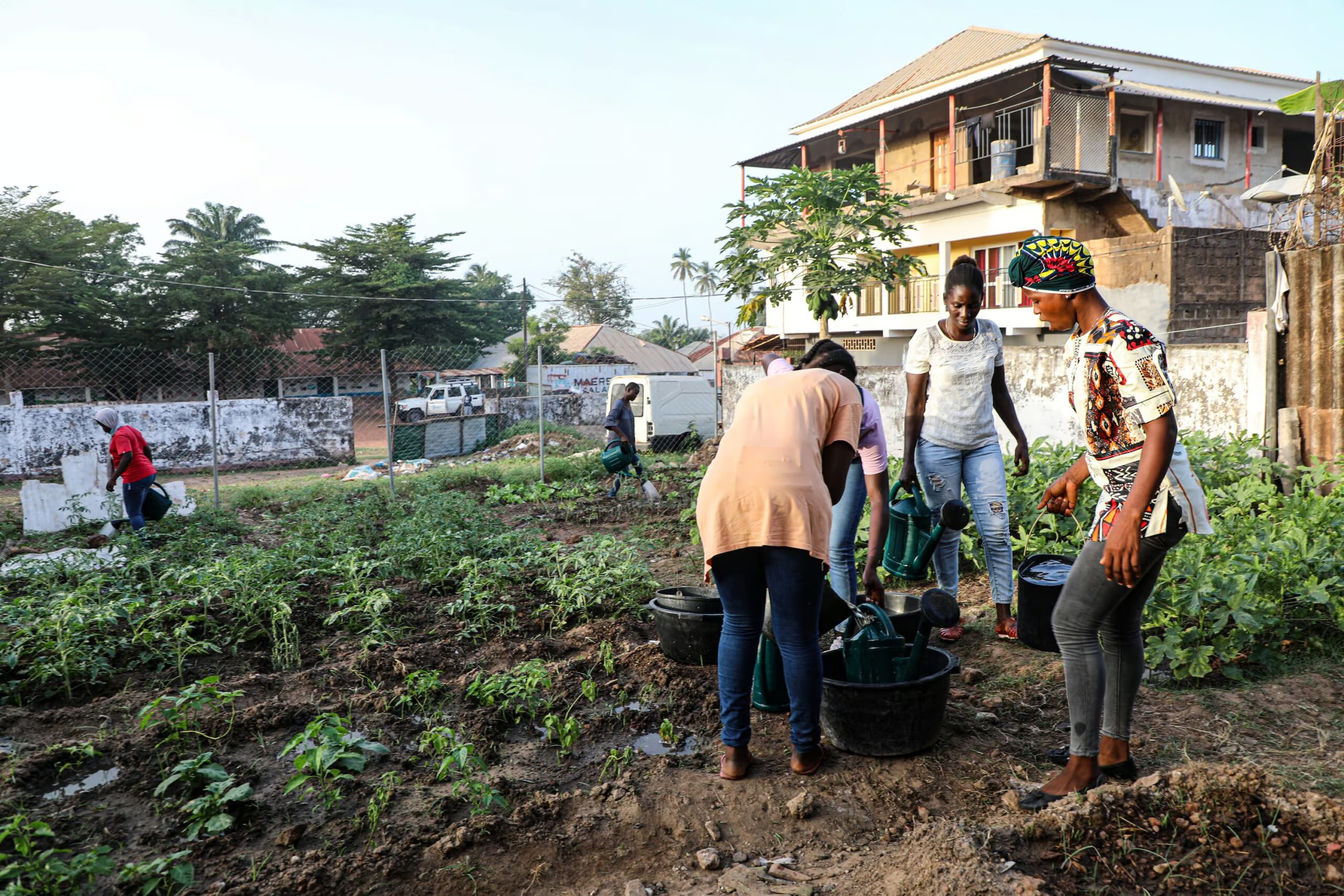
Irregular rainfall, droughts, and other climate-related shocks can reduce crop production and household earnings, especially because so many people rely on agriculture.
History of Hunger in Guinea-Bissua
2020-2021
The global pandemic and lockdowns hit Guinea-Bissau hard, increasing food insecurity. WFP scaled up food assistance to households.
2022-
The war in Ukraine drove up global food prices, and was devastating on Guinea-Bissau. WFP scaled up emergency assistance to meet needs.
2024-
Severe flooding destroyed homes and farmlands, worsening the fragile food supply. WFP responded with food aid.
WFP’s Work in Guinea-bissau
The World Food Programme has been working in Guinea-Bissau since 1974. We continue to provide food assistance in emergencies, as wells as support school meals and farmers.
Nutrition
WFP works to prevent and reduce malnutrition among 96,000 children under the age of 5 and pregnant and nursing women. WFP also provides nutrition support to over 6,000 people who are undergoing treatment for HIV or tuberculosis. This improves their general health, and helps ameliorate some of the adverse effects of the drugs used for these diseases, improving treatment adherence.
School Meals
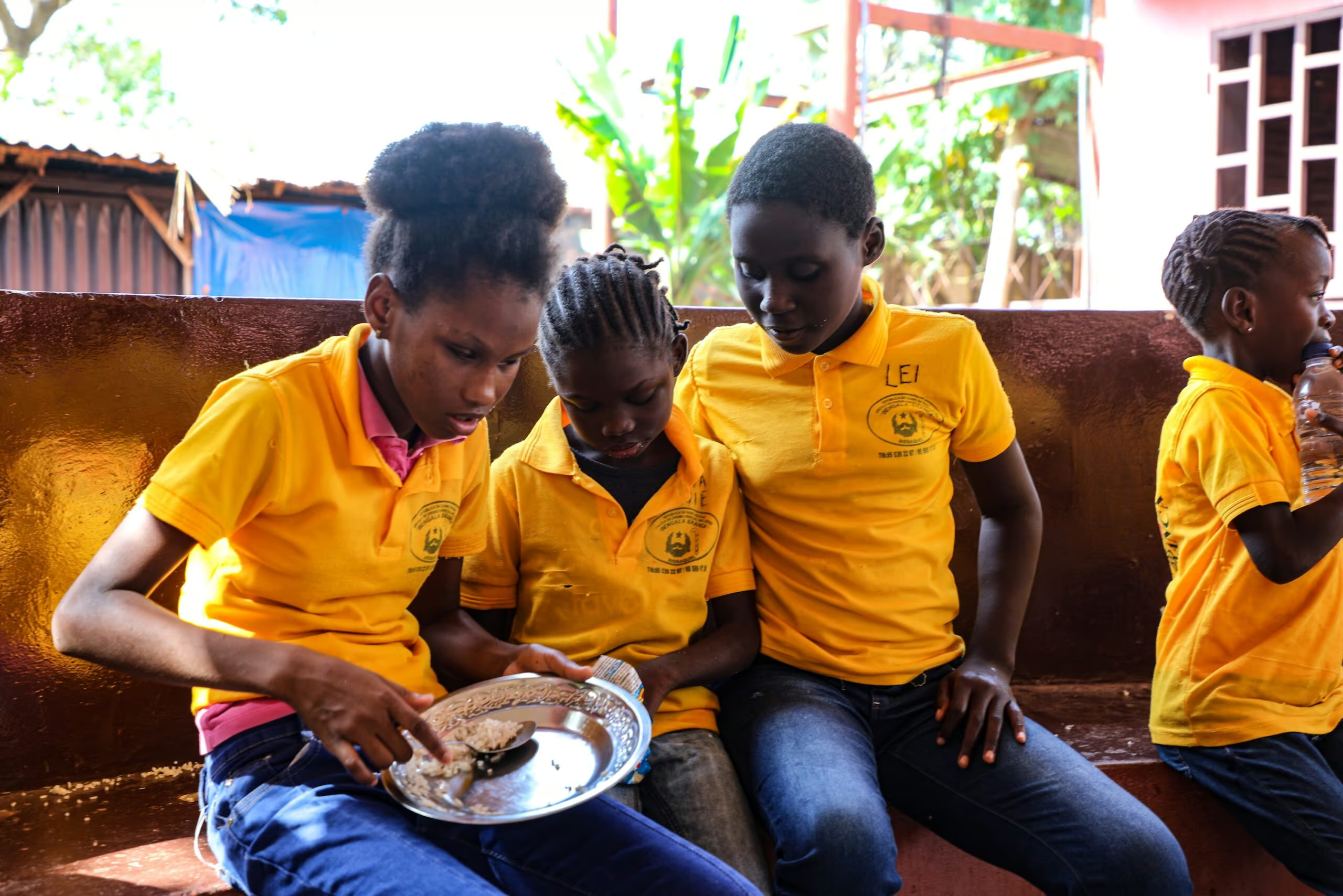
WFP provides over 173,000 hot meals to schoolchildren, aiming to incentivize school enrollment and attendance. Take-home food rations for female students encourage girls to attend and remain in school. WFP is also working to strengthen the Government’s capacity to manage the school meals program, facilitating the transition toward national ownership.
Resilience Building
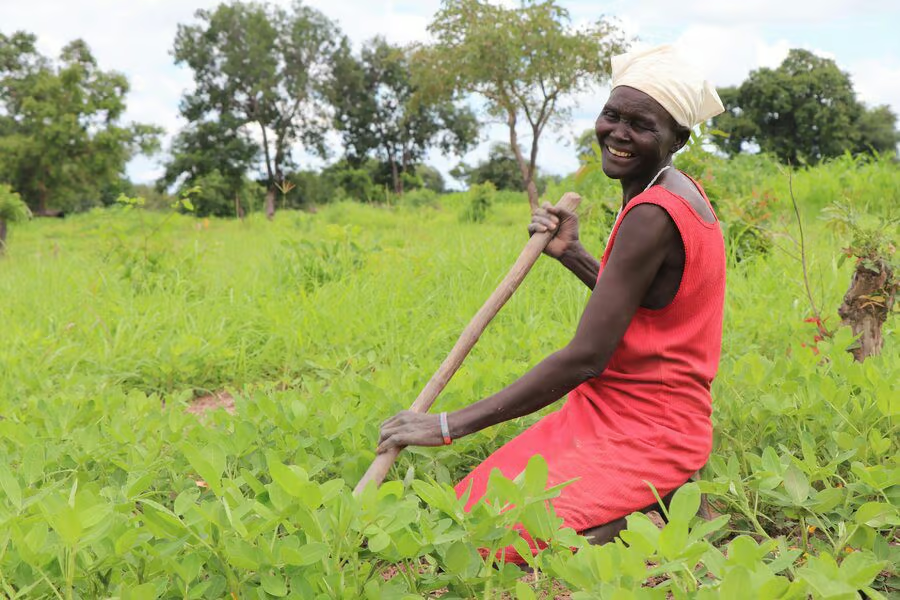
WFP, in partnership with the Government and local NGOs, aims to protect livelihoods of food-insecure households, building resilience to shocks and improving access to basic social services and markets in rural communities. So far, 96,000 Bissau-Guineans have benefited from WFP’s Food for Asset activities.