This was originally posted on wfp.org
WFP has the capacity to scale up food and logistics assistance, as quakes threaten to deepen hunger in a country facing overlapping needs.
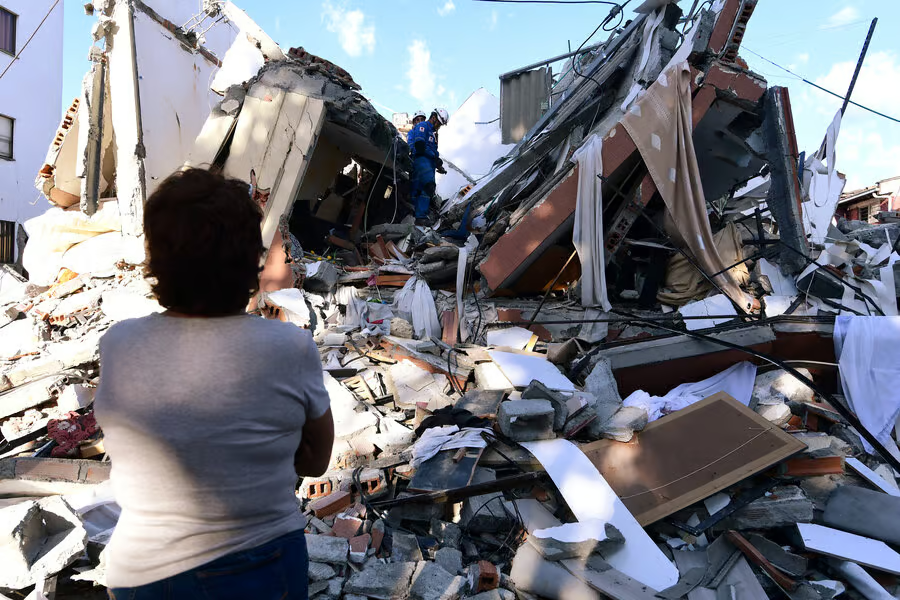
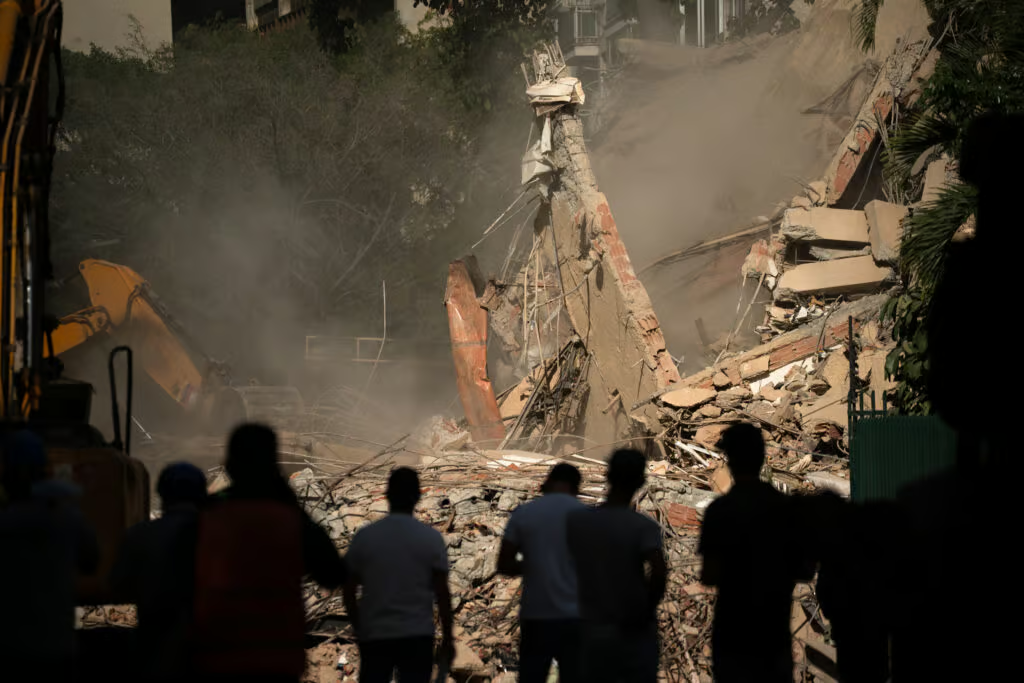
The World Food Programme (WFP) is on the ground in Venezuela, providing logistics, food and other assistance as part of the broader humanitarian response, following two massive back-to-back earthquakes that struck the northwestern part of the country on June 24, leaving a trail of death and devastation.
“Destruction is all around,” says Stephanie Hochstetter, WFP Country Director in Venezuela, speaking from quake-hit La Guaira, located roughly 40 minutes north of the capital Caracas. “Many people have lost their lives. There are thousands of injured, and hundreds of buildings destroyed or severely damaged,” she adds. “People will be in great need of food.”
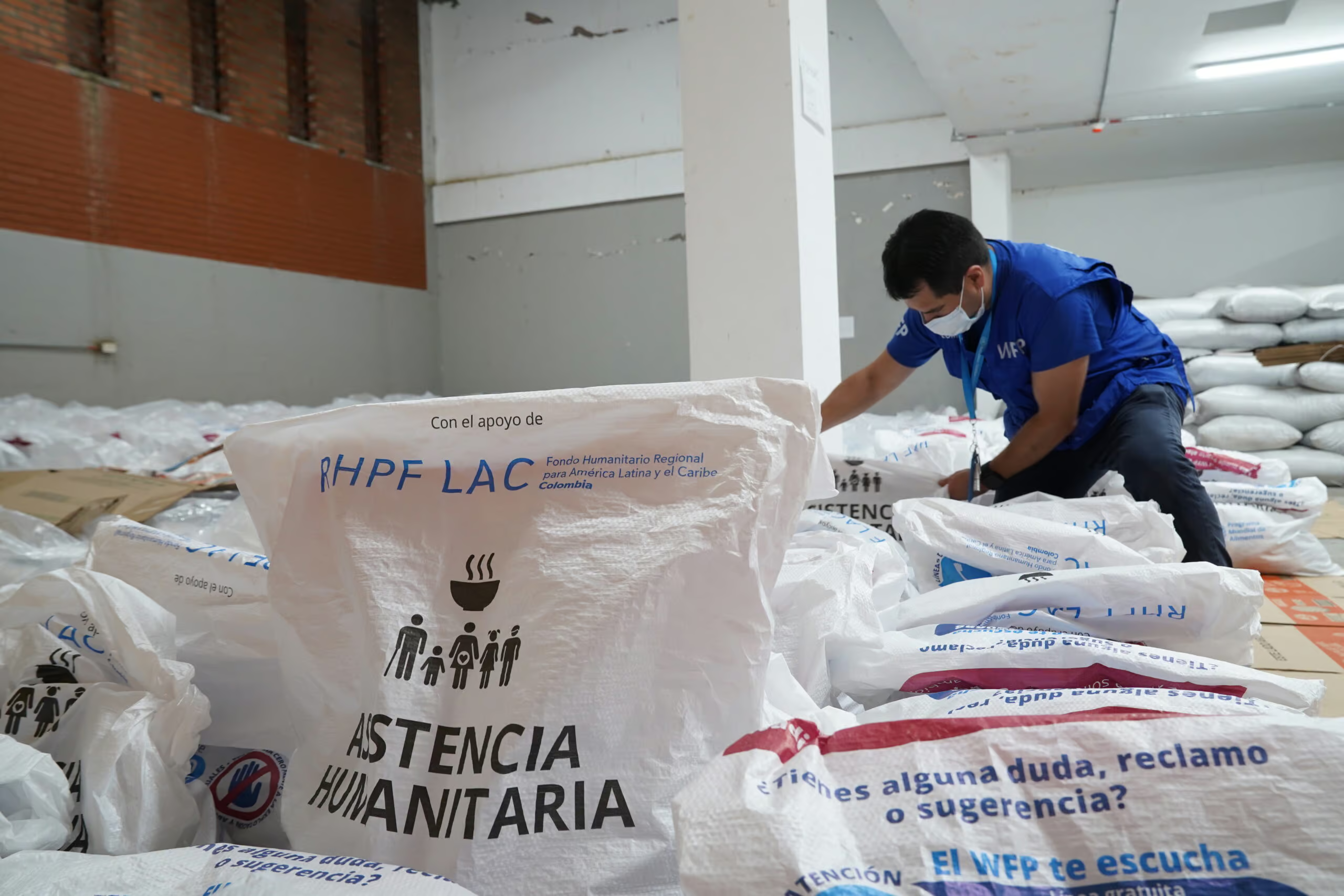
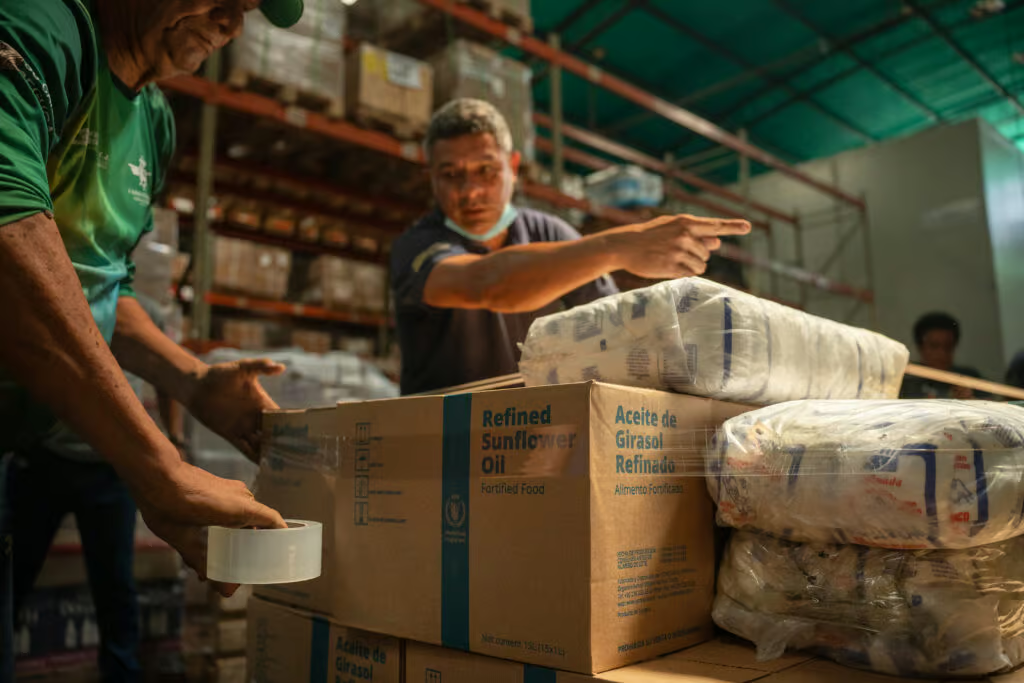
WFP’s team is readying our humanitarian response, with the capacity to scale up food and logistics support as needed. With more than 3,000 metric tons of food in country, our supplies are enough to feed more than 10,000 families for two months. We are also looking at the fastest ways to mobilize further food assistance, and establishing response priorities across affected states.
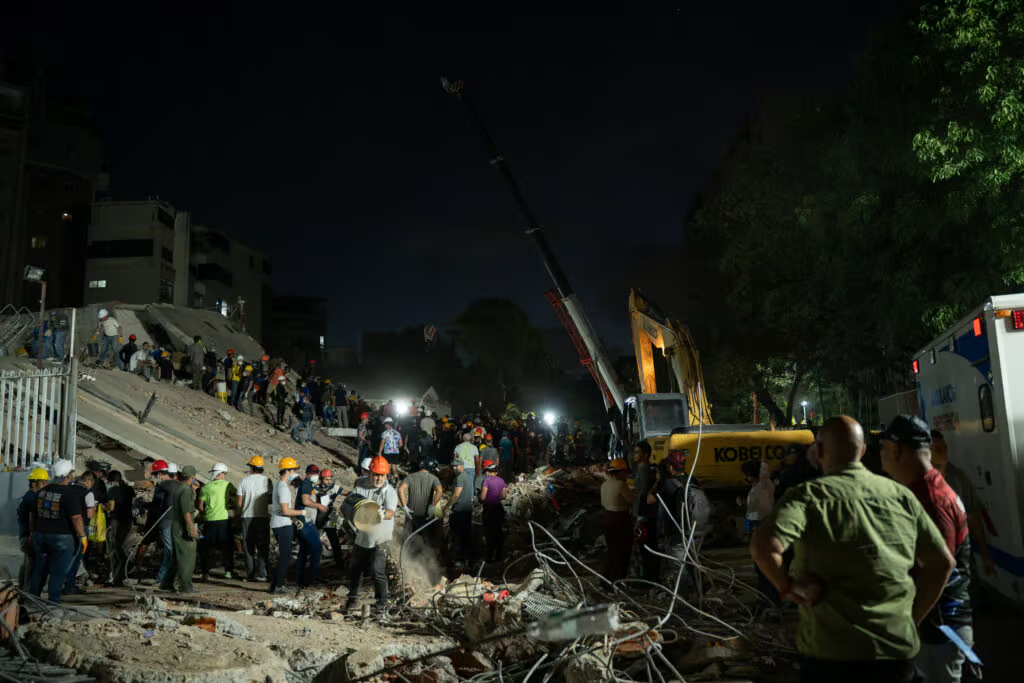
Right now, the full scale of humanitarian need is still emerging. Search and rescue operations are ongoing and entire communities have yet to be reached.
The two magnitude 7.2 and 7.5 quakes, which struck seconds apart, add further hardship in a country facing overlapping needs. Access to enough food remains a top concern for 80 percent of the population.
WFP is supporting the immediate humanitarian response to the quakes by providing transport, storage and coordination infrastructure to national authorities and humanitarian partners, to help restore and maintain access to affected populations. We are also consolidating our inventory of food stocks in Venezuela for immediate deployment, if needed.
Additionally, the WFP-managed United Nations Humanitarian Response Depot in Panama — which stocks items from humanitarian partners across the region — also stands ready to deploy resources, as needed.
WFP Food: From School Meals to Resilience Building
Over the past five years, WFP has been the backbone of the humanitarian food security response in Venezuela. In 2025 alone, our food assistance — including school meals for young pupils and support to the most vulnerable households — reached 760,000 people across 12 states, accounting for 80 percent of the country’s food security assistance.
Critically, WFP has built the capacity to deliver timely food and other essential supplies to crises-hit communities, and supported the strengthening of national risk management systems by training the country’s Civil Protection and firefighting teams. We are also assisting families in building resilience and capacity to recover from shocks, and in strengthening their livelihoods and building longer-term food security to cope with future ones.
But needs are immense in a country facing a raft of challenges – from the world’s highest food inflation, of over 500% annually, to a string of weather disasters this past year that have helped to drive up prices and hunger. The earthquake’s impact on employment, infrastructure, and supply chains is expected to push food access beyond reach for the most vulnerable – even as the country braces for the fallout of El Niño in the coming months.