In the first hours and days of a humanitarian emergency, you may see headlines like, “The World Food Programme (WFP) Stands Ready to Assist.” Stands ready.
Why would the world’s leading hunger-fighting organization need to stand by and wait?
The answer involves four crucial phases.
Disaster Strikes: WFP Gets the Call for Help
When disaster strikes, WFP can step in within 72 hours — but first, the agency needs a legal basis to begin operations. A country’s government must request WFP’s intervention in an emergency or development project before the agency can deploy staff.
In other words, WFP needs to be invited in.

Only in exceptional circumstances, like a complex crisis where national authorities have lost control of their territory, can WFP intervene without an invitation from the government. And even then, it must come as a special request from the U.N. Secretary-General.
Either of these requests for help triggers WFP’s emergency response protocol.
First 24 Hours: WFP Asks the “Right” Questions and Creates an Emergency Response Plan
In countries where WFP doesn’t already have operations up and running, the agency aims to finalize a plan within the first 24 hours of an emergency. The plan outlines who will be assisted, for how long and what kind of assistance is needed.
WFP also considers what it calls “the ‘5 R’s'”:
- RIGHT OBJECTIVE: To be effective, WFP’s operations need to have a clear objective. Is the agency trying to save lives? Reduce malnutrition? Protect people’s livelihoods?
- RIGHT ASSISTANCE: The right kind of assistance depends on WFP’s objective and must account for the needs of different groups of people. For example, cash might be the right assistance for a family with access to a bank but not for a refugee who doesn’t.
- RIGHT PEOPLE: WFP’s targeting methods ensure that only people experiencing the most extreme forms of hunger receive assistance.
- RIGHT TIME: In a rapid-onset emergency like an earthquake, WFP often needs to deliver food immediately. However, in a slow-onset emergency like drought, the agency considers factors like seasons and harvesting in its plans.
- RIGHT WAY: WFP’s assistance is context-specific and conflict-sensitive, supporting the safety, dignity and rights of the people it serves. That means WFP asks questions like: Has the agency consulted with affected populations? Would assistance cause or exacerbate conflict? Has WFP considered environmental and gender equality issues?
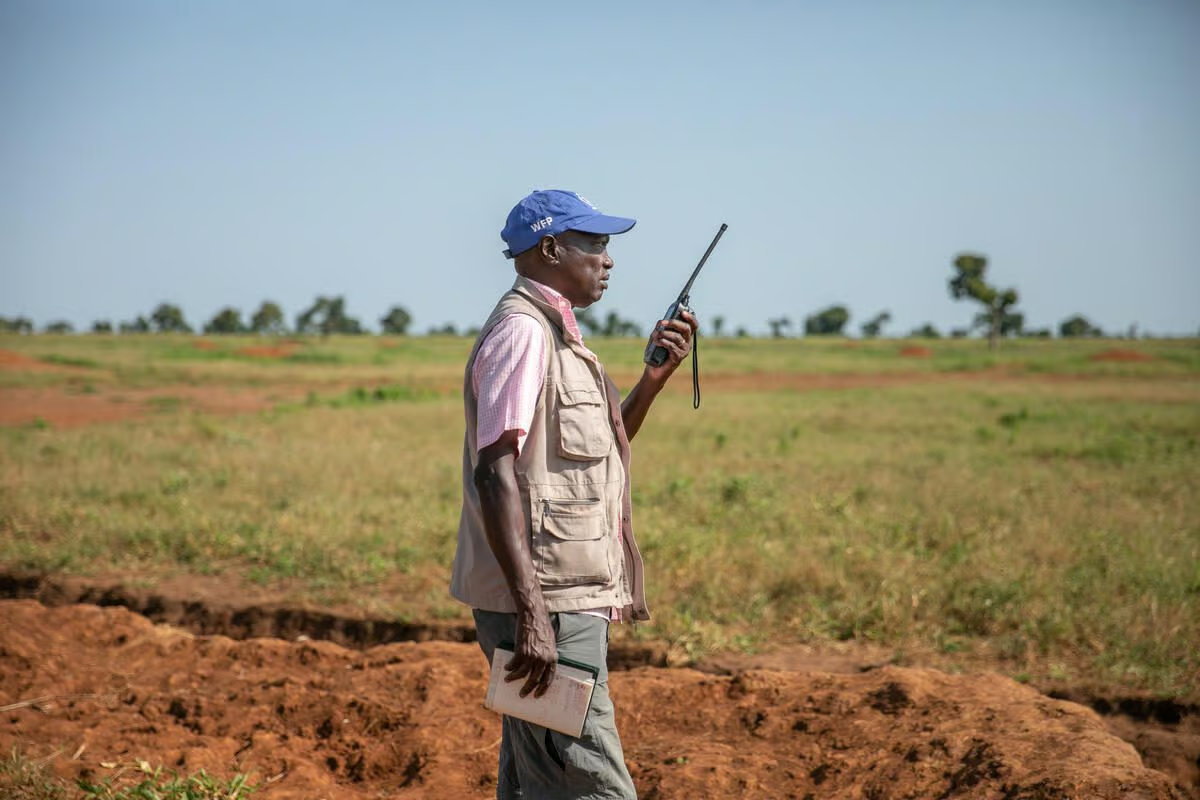
With these considerations in mind, WFP drafts a “Concept of Operations” document that will guide its work, which could consist of any, or all, of WFP’s core emergency response activities including:
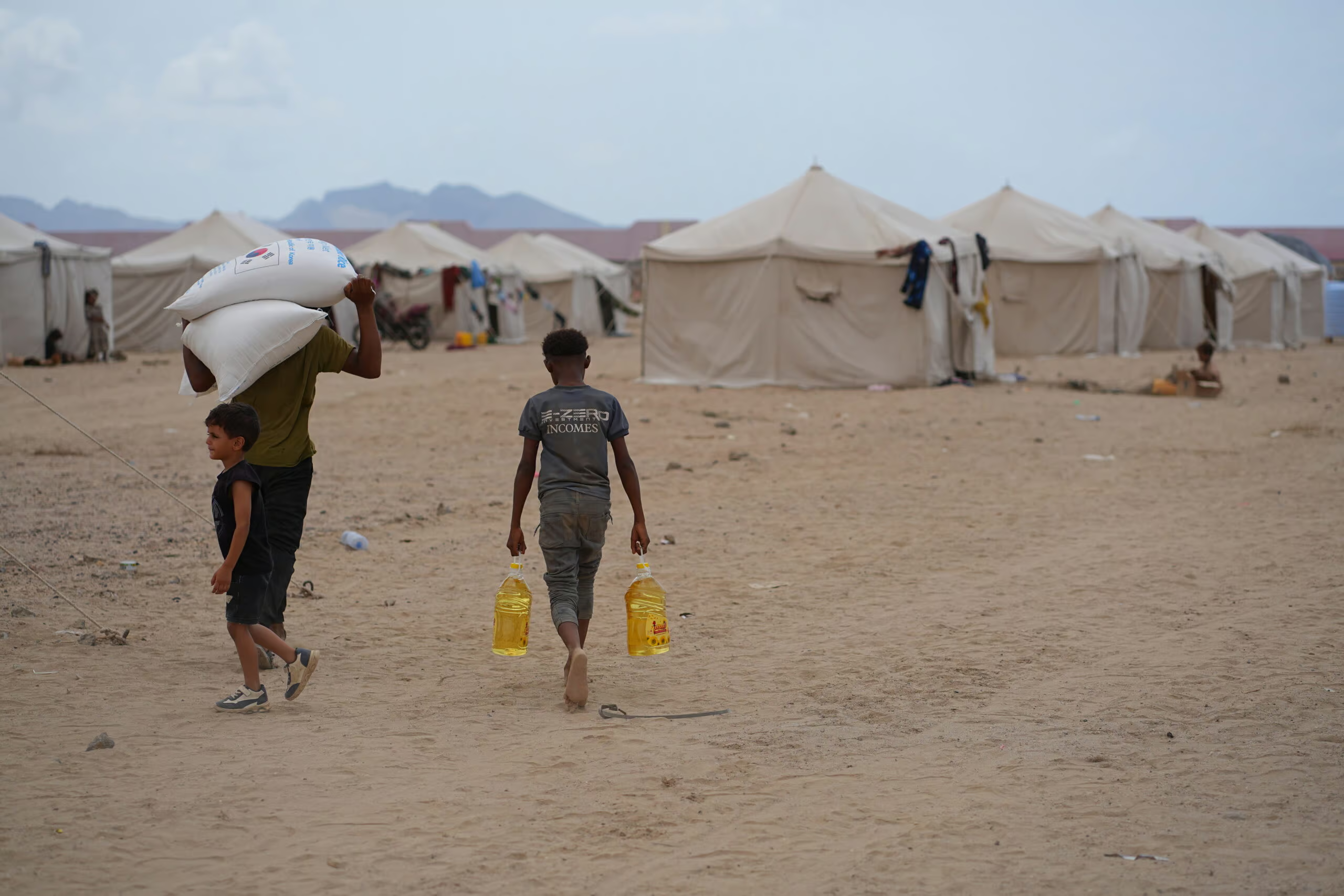
- food and/or cash distributions
- food security assessments and analysis
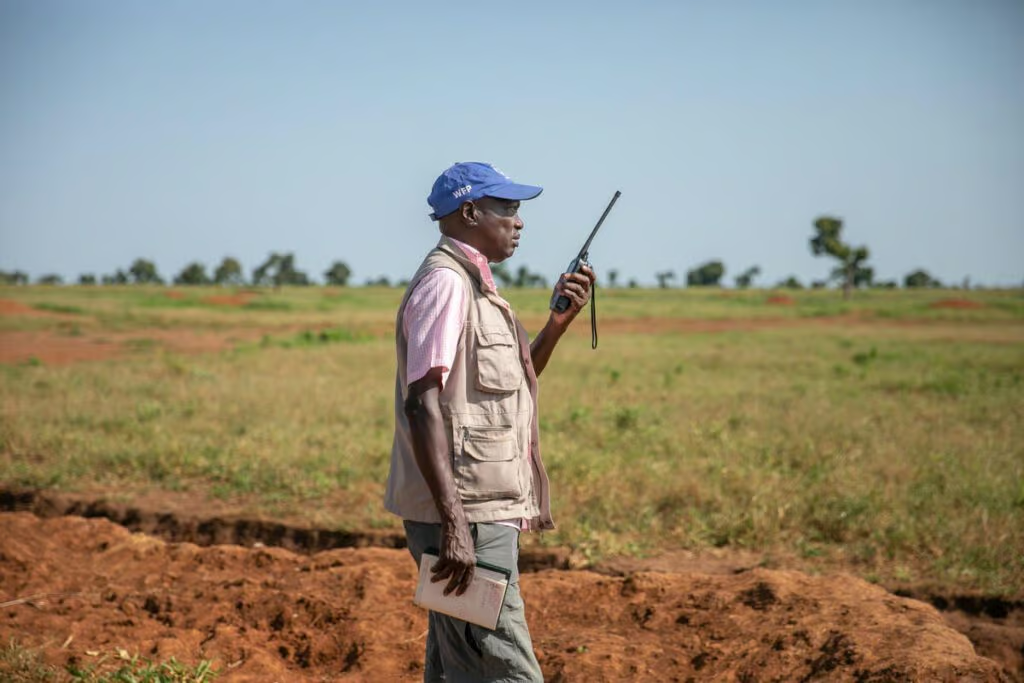
- logistics assessments, analysis and coordination
- communications support through the Emergency Telecommunications Cluster
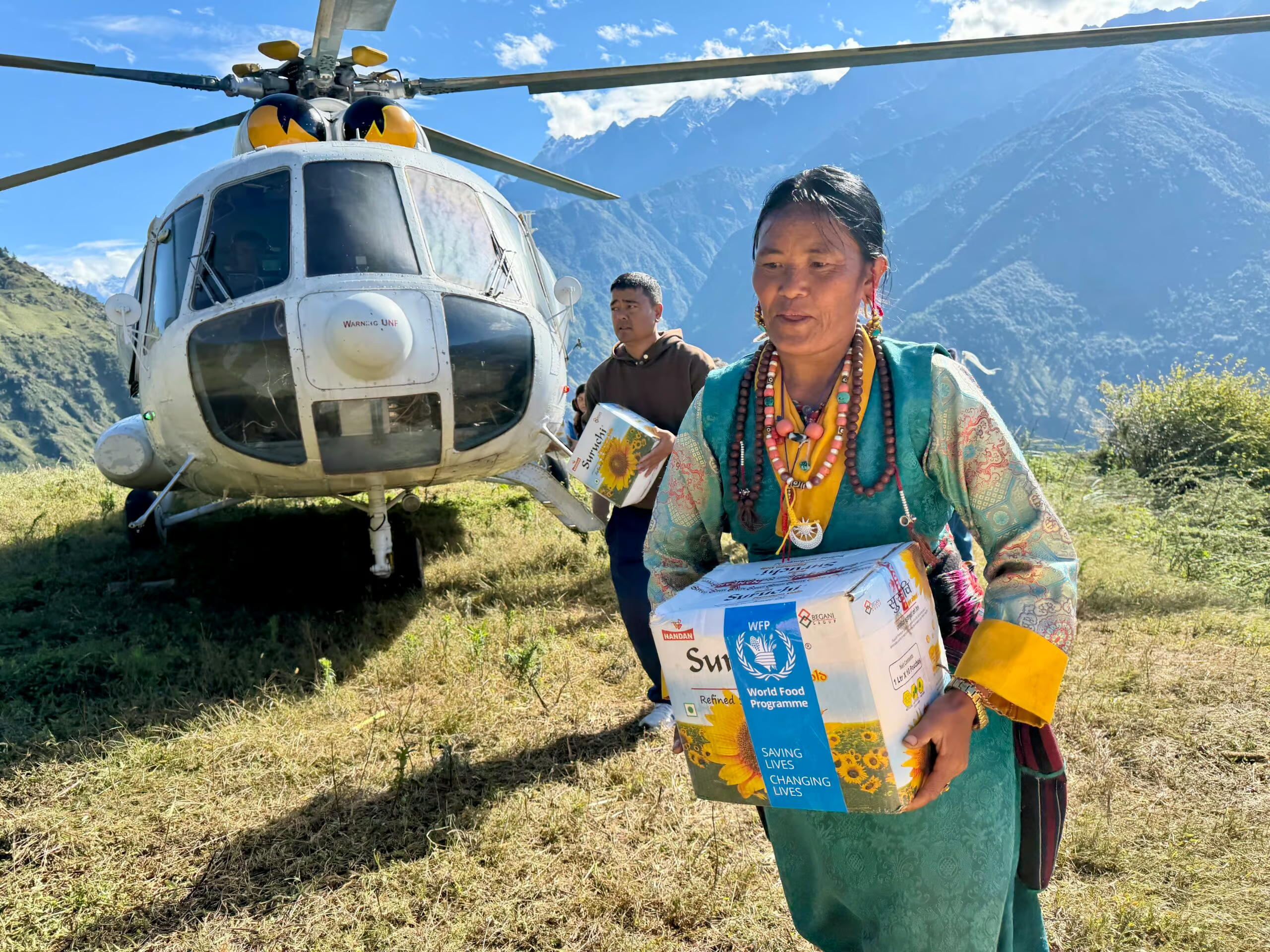
- United Nations Humanitarian Air Service (UNHAS) flights
Once WFP has this Concept of Operations in hand, the agency makes the decision to activate. Then, the real work begins.
48–72 Hours: Relief Is Delivered Within Days
In a humanitarian emergency, a rapid and coordinated response means more lives saved. Within 48 hours of a country’s request for help, WFP aims to:
- activate its global logistics and telecommunications network
- appoint a Corporate Response Director/Emergency Coordinator to lead operations
- release funds as needed from the Immediate Response Account
- advise local authorities and partners about how to address the needs

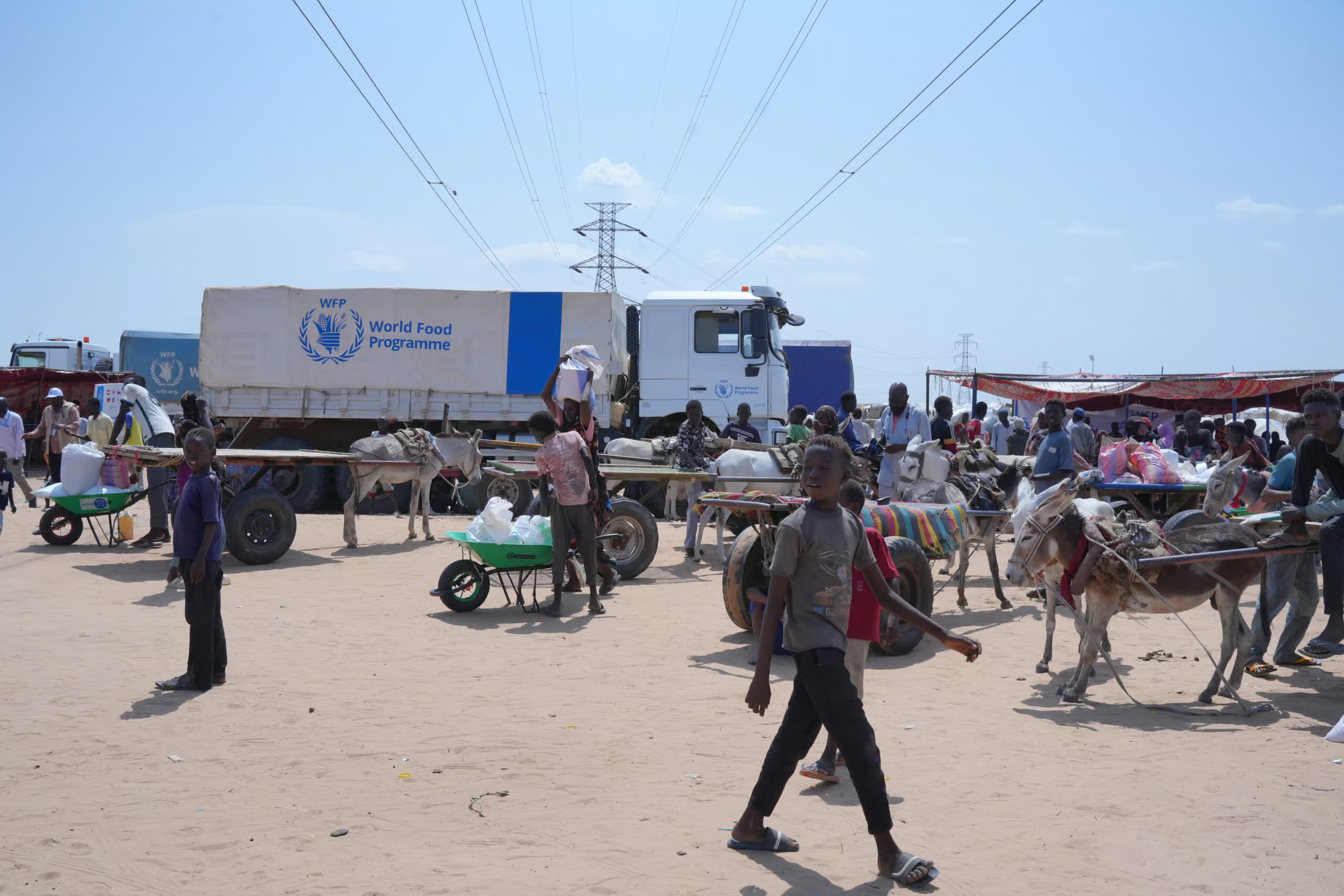
Within 72 hours, WFP can deploy relief teams and begin the first distributions of aid where it’s needed most.
Partnerships: The Core of WFP’s Relief Work
WFP works to save and change lives in over 120 countries and territories. National governments are WFP’s principal partners in that work. That’s another reason why WFP waits for an official request from a country’s government before stepping in to provide food assistance.
A country’s government may have many different types of existing programs to address the needs of its citizens affected by disasters. WFP prioritizes the delivery of aid through these existing programs. The agency will adapt its programs to the context of the emergency and partner with local NGOs, the private sector and other U.N. and humanitarian agencies to effectively reach the intended beneficiaries.
How WFP Ends an Emergency Response
Knowing how to end an emergency response can be as important as knowing how to begin one. For WFP, an exit from an emergency response looks like either 1) a withdrawal of assistance or 2) a transition into long-term programs that build people’s own capacity to overcome such crises in the future.
Most of the time, WFP knows it’s time to exit once families’ access to food is restored to pre-emergency levels.
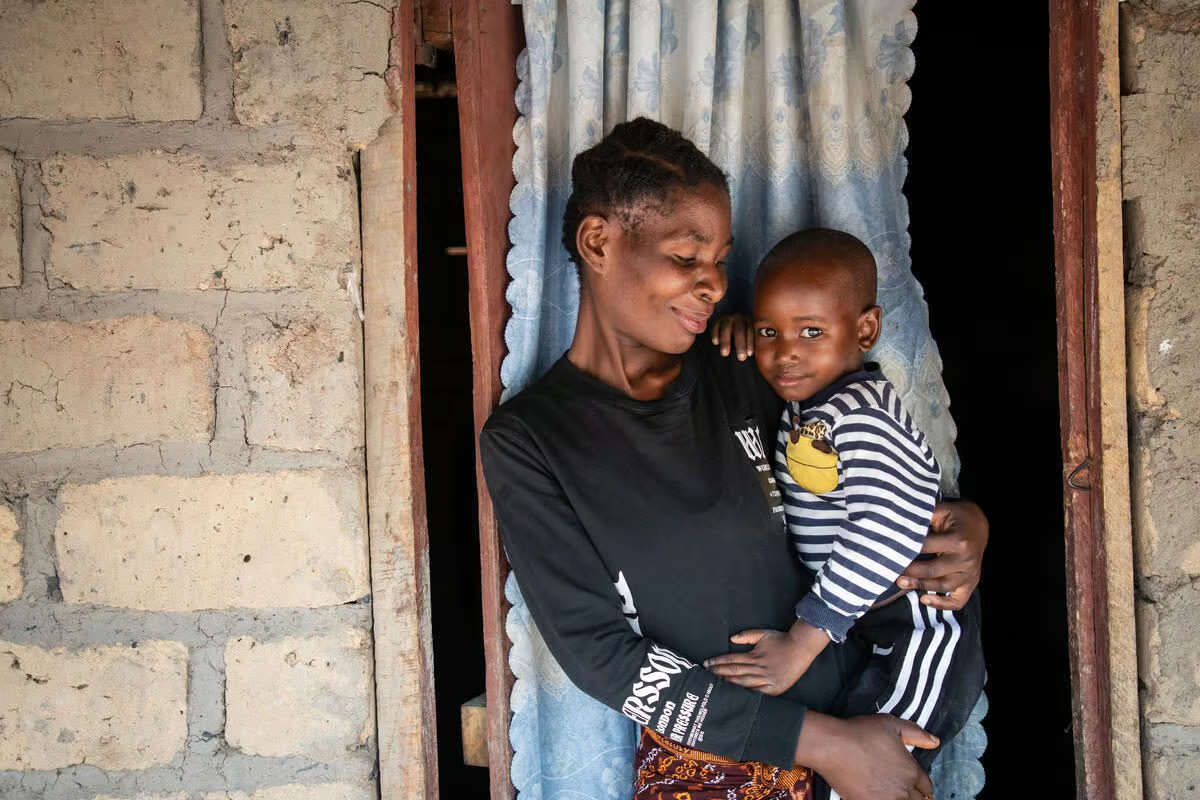
During its response or after exiting, WFP will hold a “Lessons Learned” session to reflect on what worked well and what could be improved. These lessons inform other emergency responses, present and future, to ensure WFP’s work is serving the world’s hungriest people as best it can.
~
From climate-related disasters to outbreaks of conflict, WFP is among the first on the scene in an emergency. To find out more about how WFP responds to emergencies, visit the Emergency Relief hub. Click here to see the world’s worst hunger emergencies and find out how you can support WFP’s lifesaving work.