KABUL, Afghanistan – Over 17 million Afghans are facing acute food insecurity this winter, as the scale and severity of hunger and malnutrition deepens, warns the World Food Programme (WFP). New food security figures from the latest Integrated Food Security Phase Classification (IPC) report for Afghanistan indicate that 3 million more women, men and children face acute hunger or worse (IPC3+) compared to the 14.8 million last year.
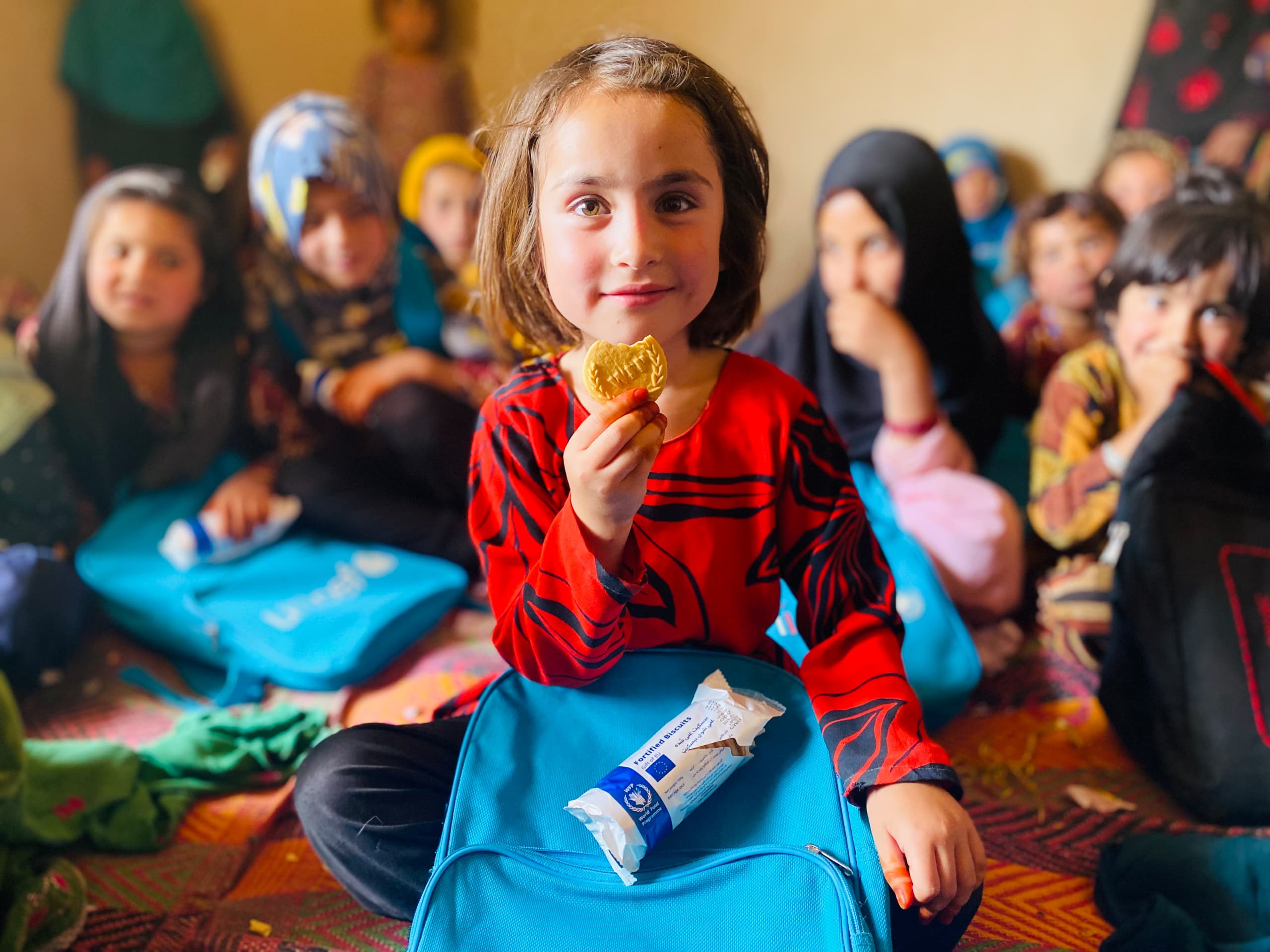
Child malnutrition is projected to rise too, affecting nearly 4 million children in the coming year. With child malnutrition already at its highest level in decades, and agencies providing essential services experiencing unprecedented reductions in funding, access to treatment is increasingly scarce. Left untreated, malnutrition in children is life-threatening, and child deaths likely to rise during the harsh winter months when food is scarcest. All key indicators point to a brutal upcoming winter season for Afghanistan’s most vulnerable families.
“WFP has been warning for months about the clear signs of a deepening humanitarian crisis in Afghanistan, and the latest data confirms our worst fears,” said John Aylieff, WFP country director in Afghanistan. “Our teams are seeing families skipping meals for days on end and taking extreme measures to survive. Child deaths are rising, and they risk becoming worse in the months ahead.”
Afghanistan is bracing for a harsh and unforgiving winter as multiple crises converge. Drought has affected half of the country and destroyed crops. Job losses and a weakened economy have diminished incomes and livelihoods. Recent earthquakes have left families homeless, pushing humanitarian needs to new extremes.
Afghans forced to return from Pakistan and Iran are further compounding needs, with 2.5 million Afghans sent back to Afghanistan since the beginning of the year, many arriving malnourished and facing extreme poverty. Nearly as many more are expected to return in 2026.
While the crisis deepens, humanitarian aid for Afghanistan is shrinking, leaving millions without the support that has historically controlled extreme hunger and malnutrition.
“We need to bring Afghanistan’s crisis back into the headlines to give the most vulnerable Afghans the attention they deserve,” added Aylieff. “We must stand with the people of Afghanistan who depend on critical support to survive and deploy proven solutions towards a recovery with hope, dignity and prosperity.”
For the first time in decades, WFP cannot launch a significant winter response, while also scaling up emergency and nutrition support nationwide. With immediate funding, WFP is ready to mount a large-scale winter response — ensuring families can push back hunger and escape falling deeper into crisis.
WFP urgently requires $468 million to deliver lifesaving food assistance to 6 million of Afghanistan’s most vulnerable people — helping them survive the harsh winter.
Note to the editor:
High-resolution photos available here.
Broadcast quality footage available here.
Latest IPC report on acute food insecurity available here.
Latest IPC report on acute malnutrition available here.
# # #
The World Food Programme is the 2020 Nobel Peace Prize Laureate and the world’s leading humanitarian organization, saving lives in emergencies and using food assistance to build a pathway to peace, stability and prosperity for people recovering from conflict, disasters and the impact of climate extremes.
Follow us on X, formerly Twitter, via @wfp_media, @WFP_Afghanistan
Originally posted on wfp.org