The Dry Corridor
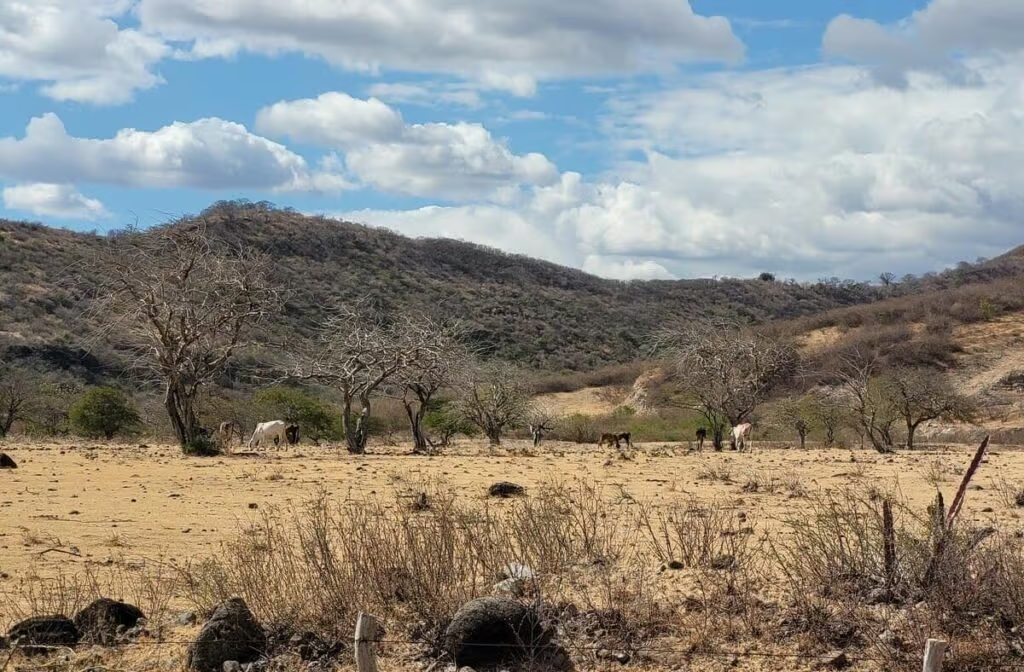
The Dry Corridor is a strip of land across El Salvador, Guatemala, Honduras and Nicaragua that is vulnerable to extreme climate events like long periods of drought, putting livelihoods at risk.

The Dry Corridor is a strip of land across El Salvador, Guatemala, Honduras and Nicaragua that is vulnerable to extreme climate events like long periods of drought, putting livelihoods at risk.
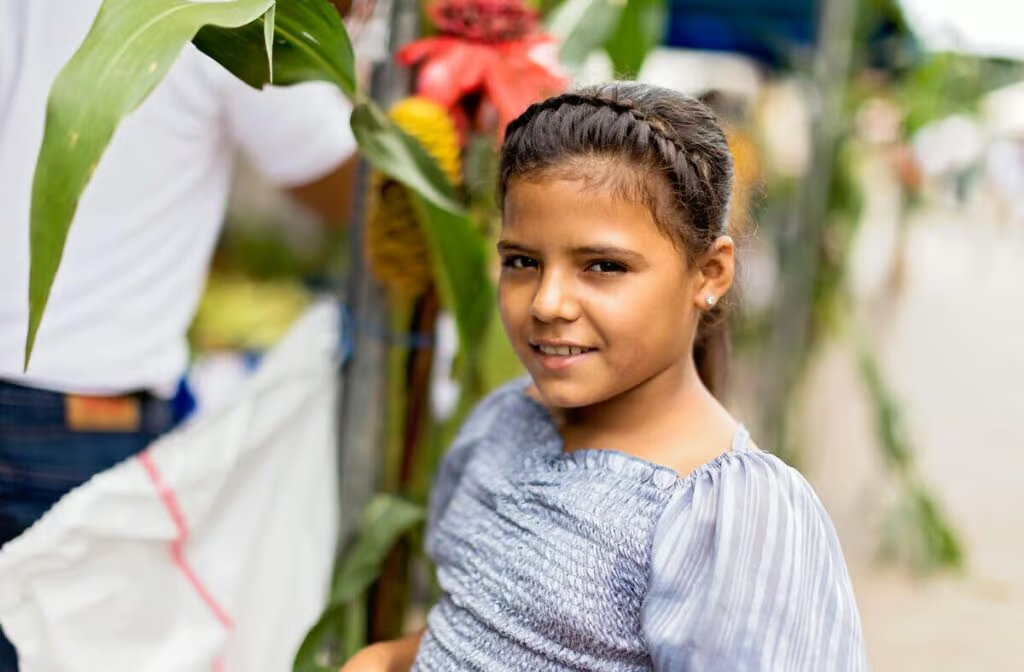
Nicaragua is one of the poorest countries in Latin America, with a full 30% of the population living in poverty.
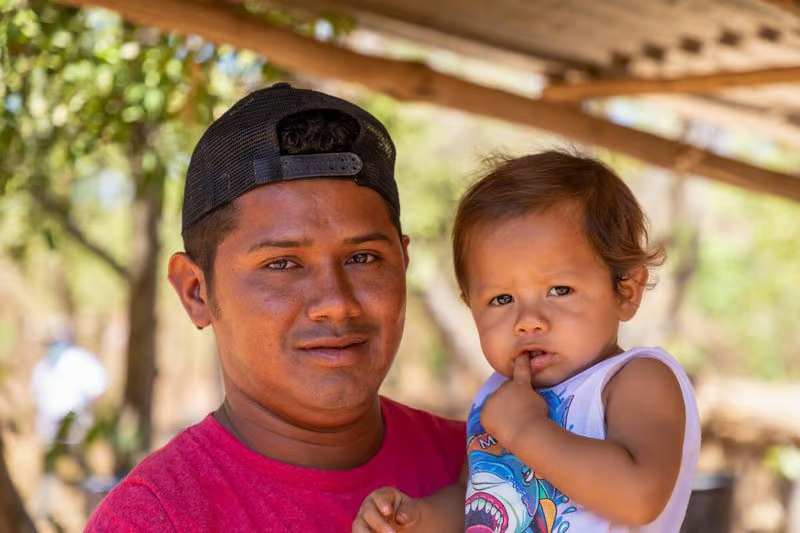
Today, the global spotlight on the Central American migration crisis has left many to question what the root causes are of the migration. We have some answers, and they all boil down to one thing: hunger.

There are no easy solutions to untangle America’s complex border challenges, but there are remedies that can alleviate vulnerable people’s need to migrate. They begin with understanding what truly drives the hunger that prompts so many people to leave their homes.
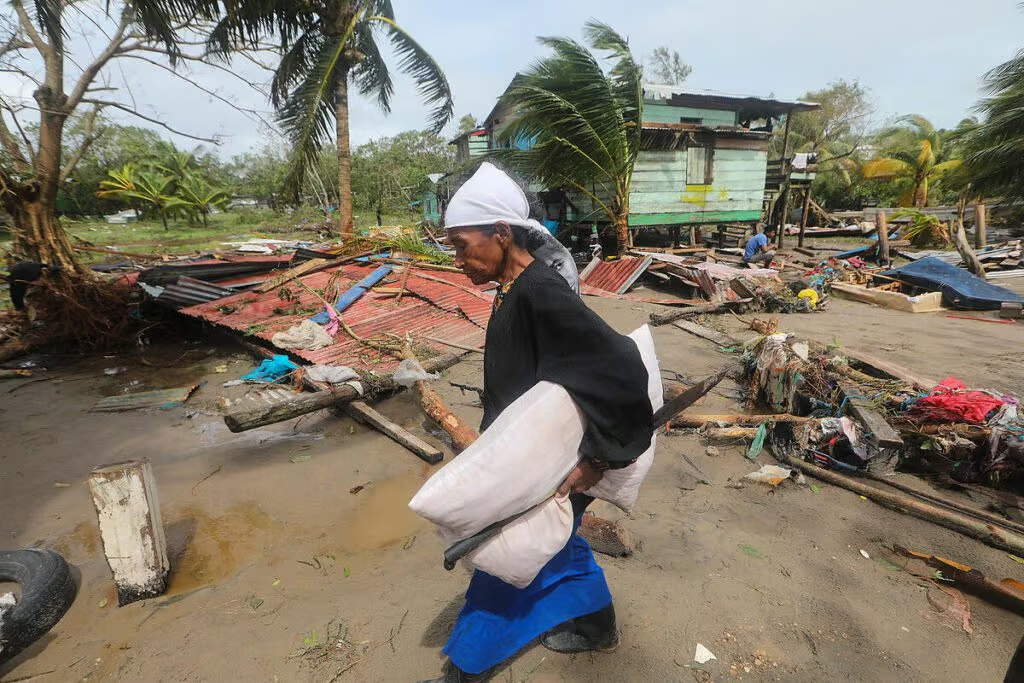
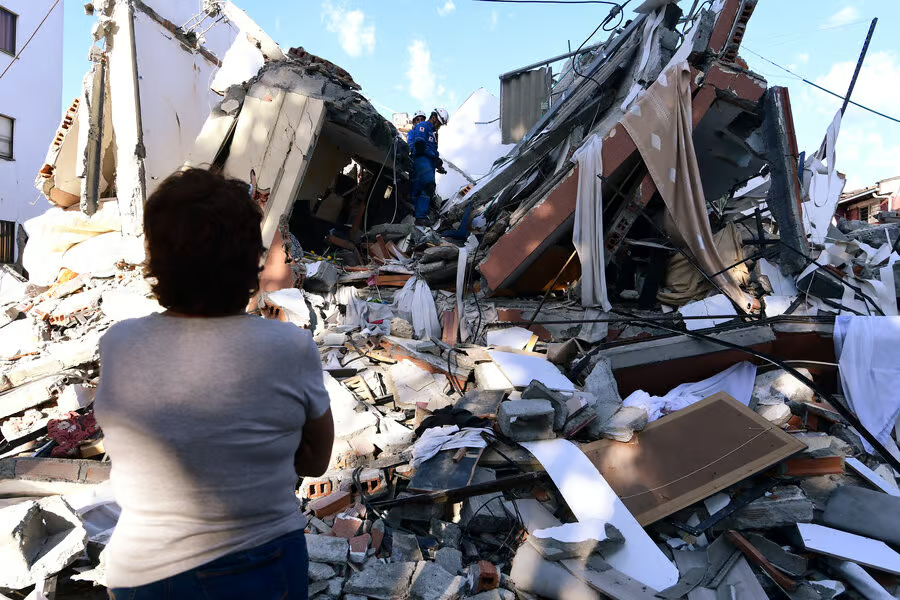
Communities in Central America have hit rock bottom: Many now have nowhere to live and are staying in temporary shelters, surviving on next to nothing.
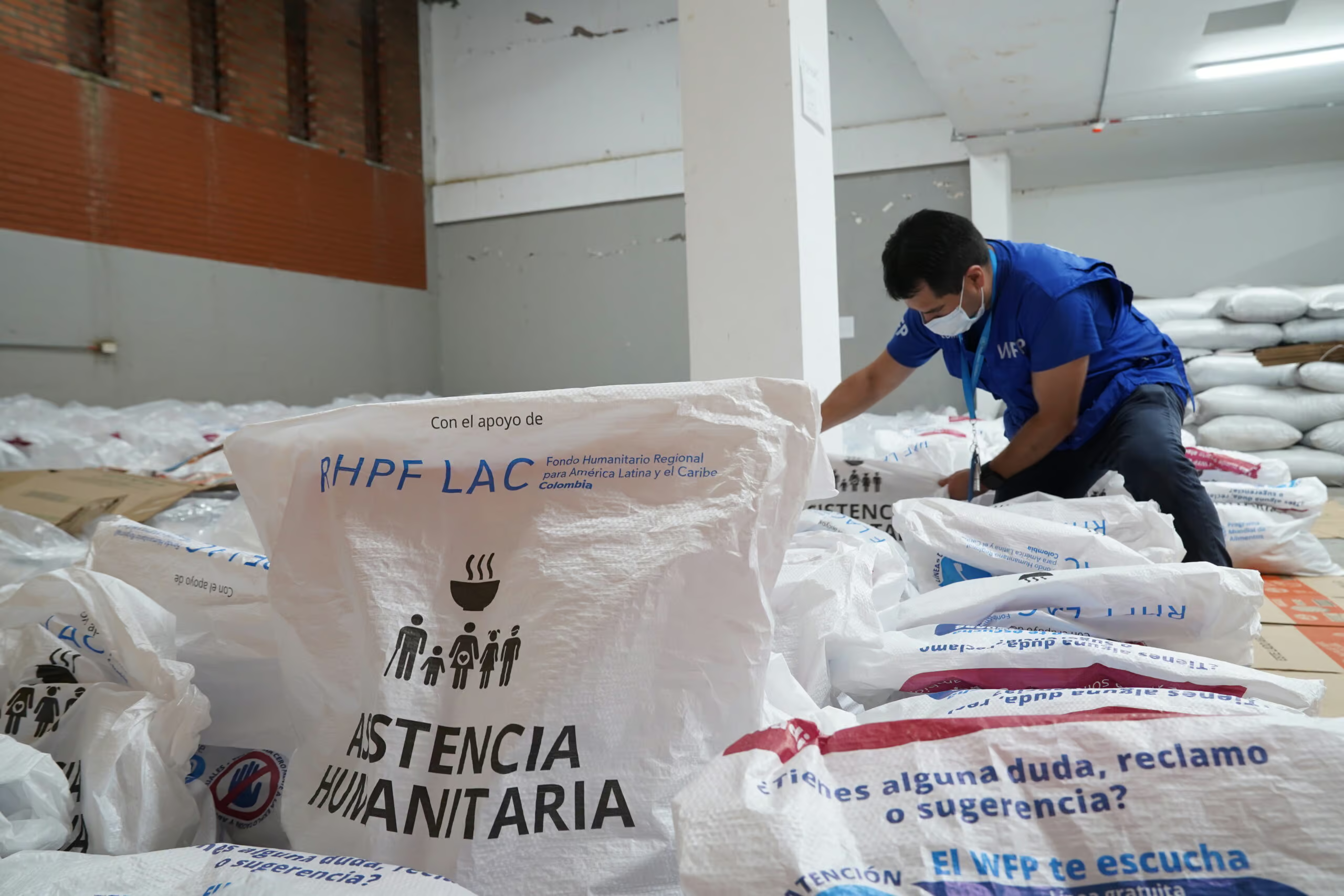
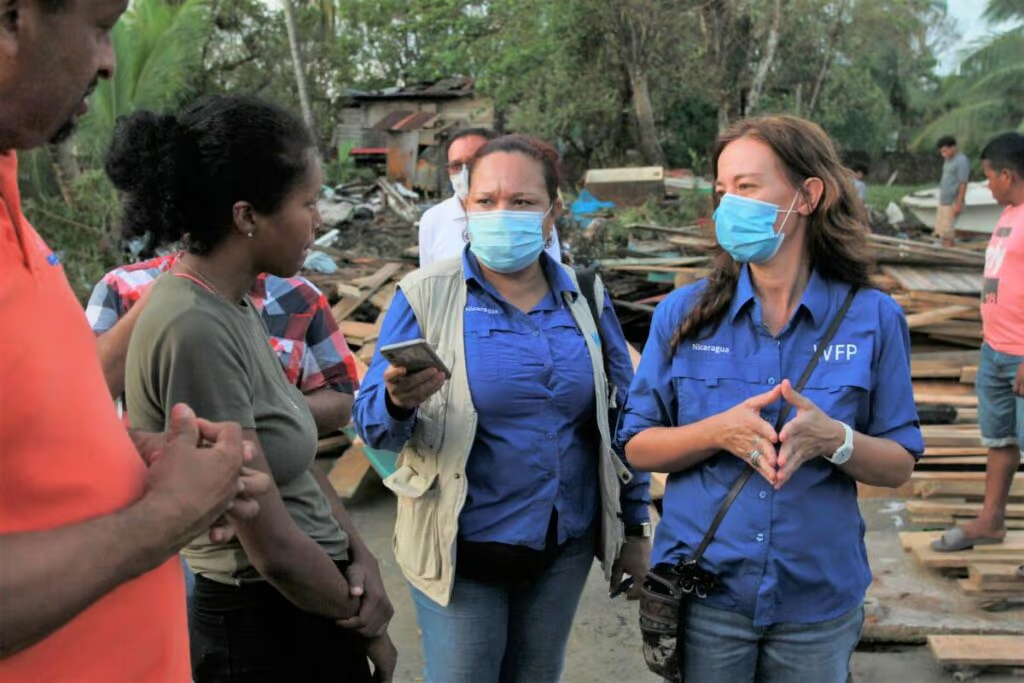
In Nicaragua, some 80,000 families are at risk. We have shipped drinking water, storage containers, and 275 metric tons of rice, beans and vegetable oil in response.
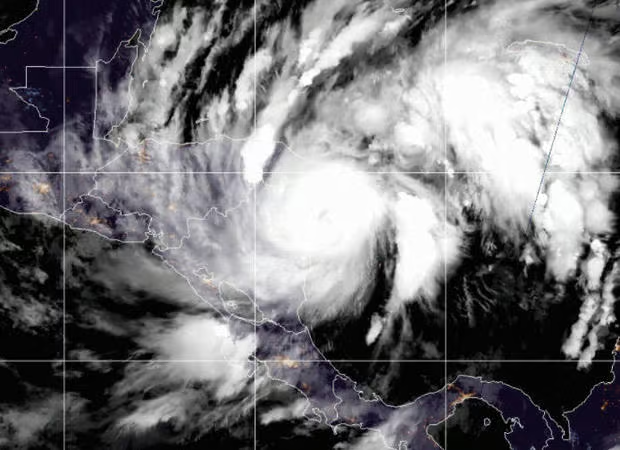
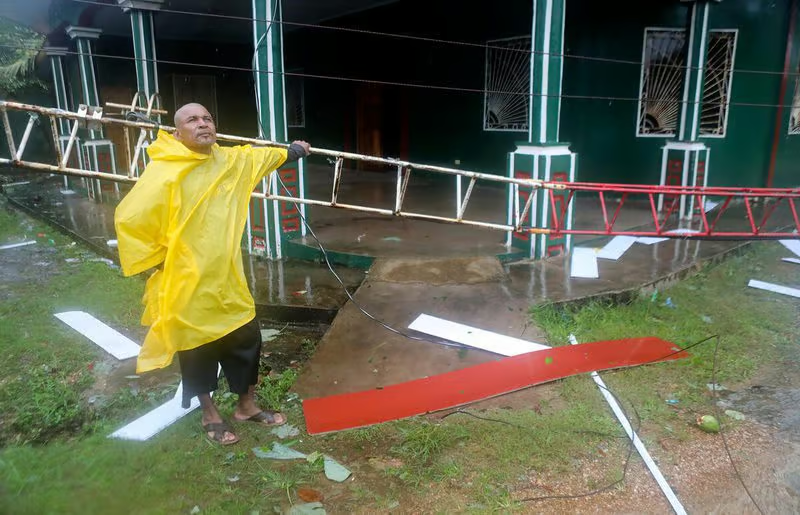
Eta arrived at the worst time, making life harder for millions of people already hard hit by years of erratic weather and the socioeconomic crisis COVID-19 caused.
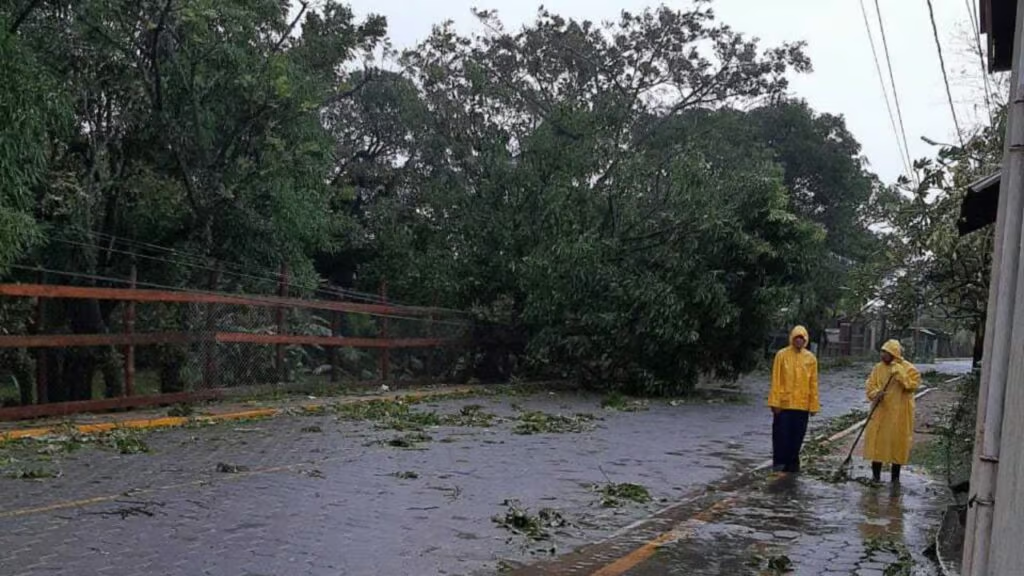
World Food Program USA stands by the communities impacted by the hurricane and pledges to do all we can to support WFP’s emergency response in the region.
The Caribbean Northern Region is mostly inhabited by indigenous Miskito and Mayagna communities, and Afro-descendants, who are among the poorest and most vulnerable communities in Nicaragua.
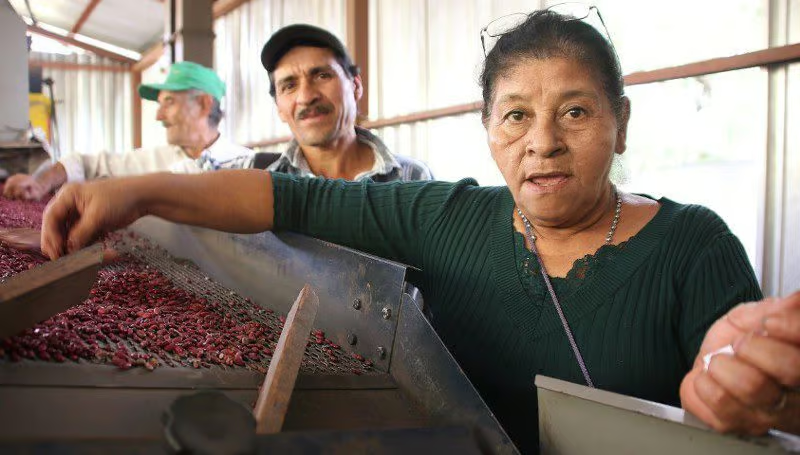
Nicaraguan women explain how they overcame old ways of doing things, where men controlled the family’s money and material goods. Now women are farming land, making joint decisions and managing household income.