Malawi
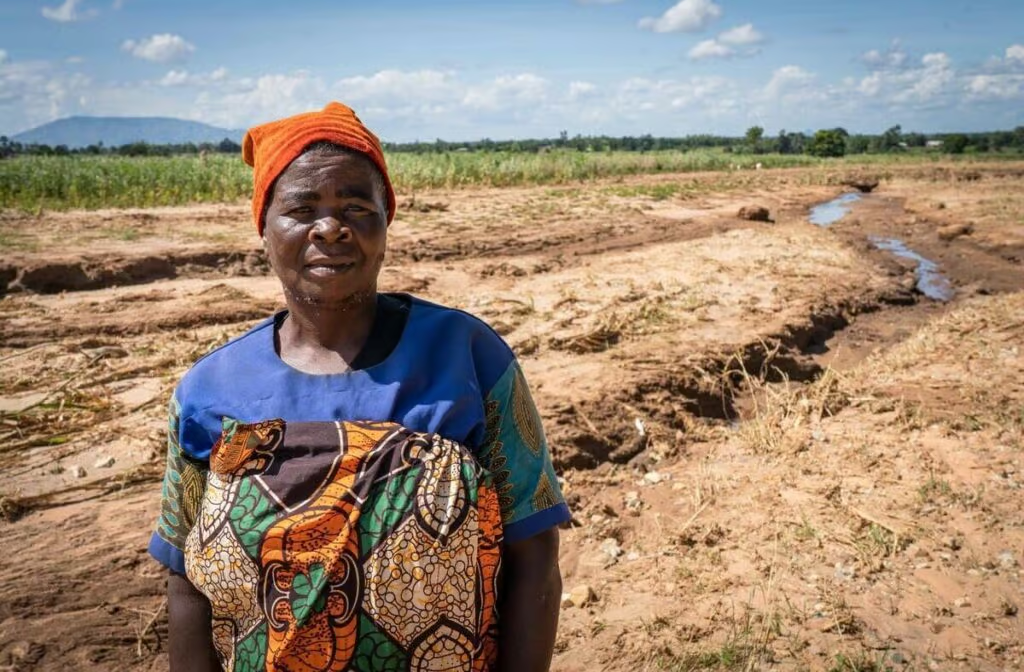
With a majority of livelihoods dependent on agriculture, the population of Malawi is highly vulnerable to the effects of natural disasters such as drought and flooding.

With a majority of livelihoods dependent on agriculture, the population of Malawi is highly vulnerable to the effects of natural disasters such as drought and flooding.
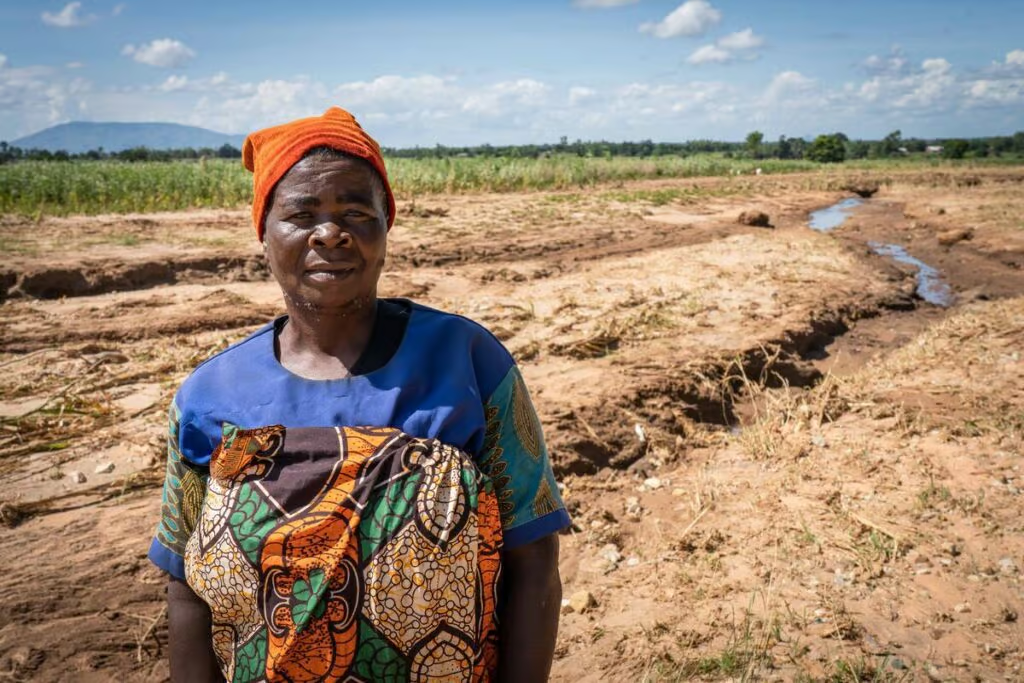
Prices of staple foods are soaring in Malawi, ten days after Tropical Cyclone Freddy made its second passage over the southern African country.
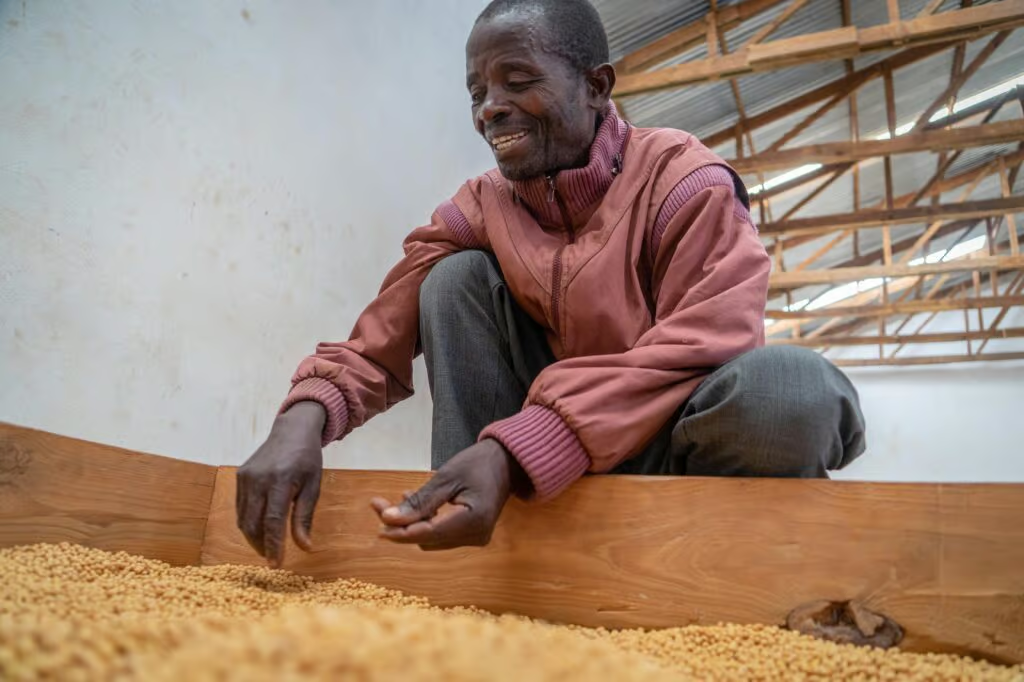
In Malawi, a group of farmers has learned how to fight food waste and turn a profit. The money now pays for things like food, school fees, soap and livestock.
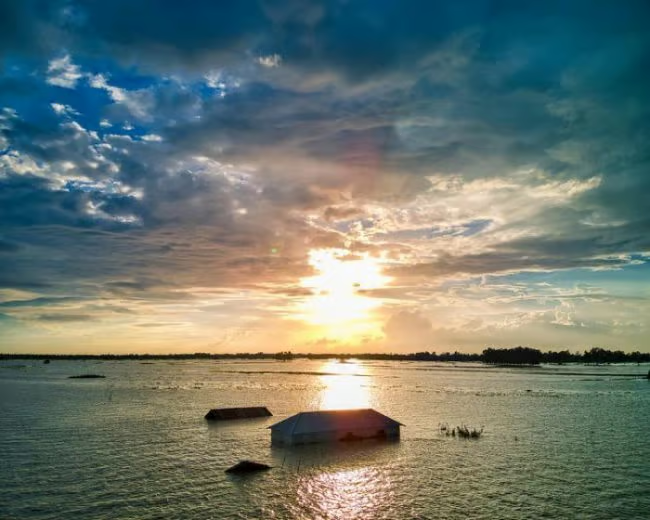
To mark Nature Photography Day, we’re looking at ten stunning photographs from some of the hungriest places on earth.
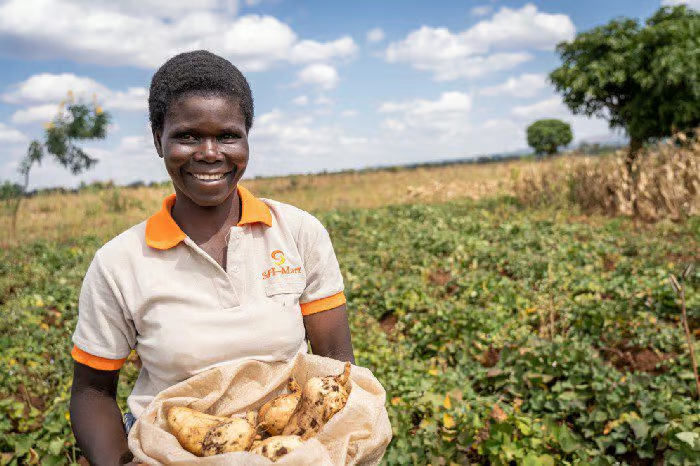
Dorica Samson’s 2-year-old son refused to feed on anything other than breast milk, and he eventually fell sick. Things look a lot different for them these days.

To mark World Youth Skills Day, we would like to introduce five young and gifted refugees who left their homes in the DRC and now live in the Dzaleka refugee camp.
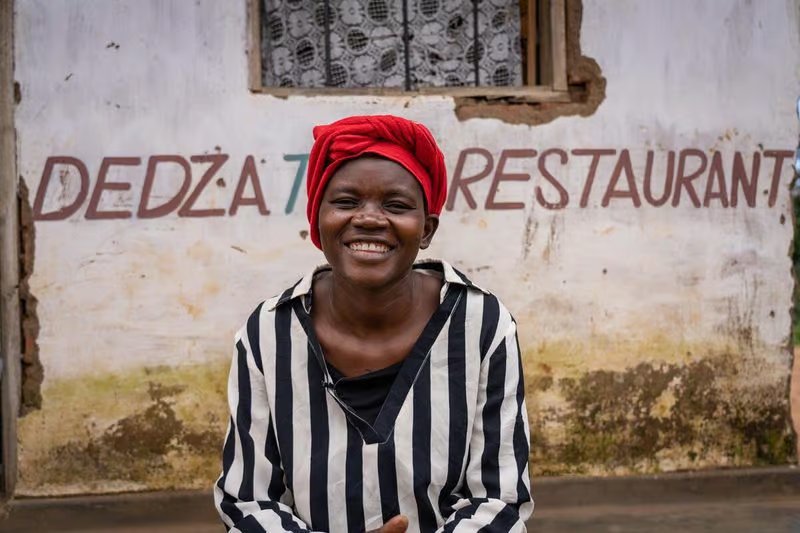
A $9.5 million contribution from USAID will help WFP to provide emergency assistance to vulnerable households in Malawi.
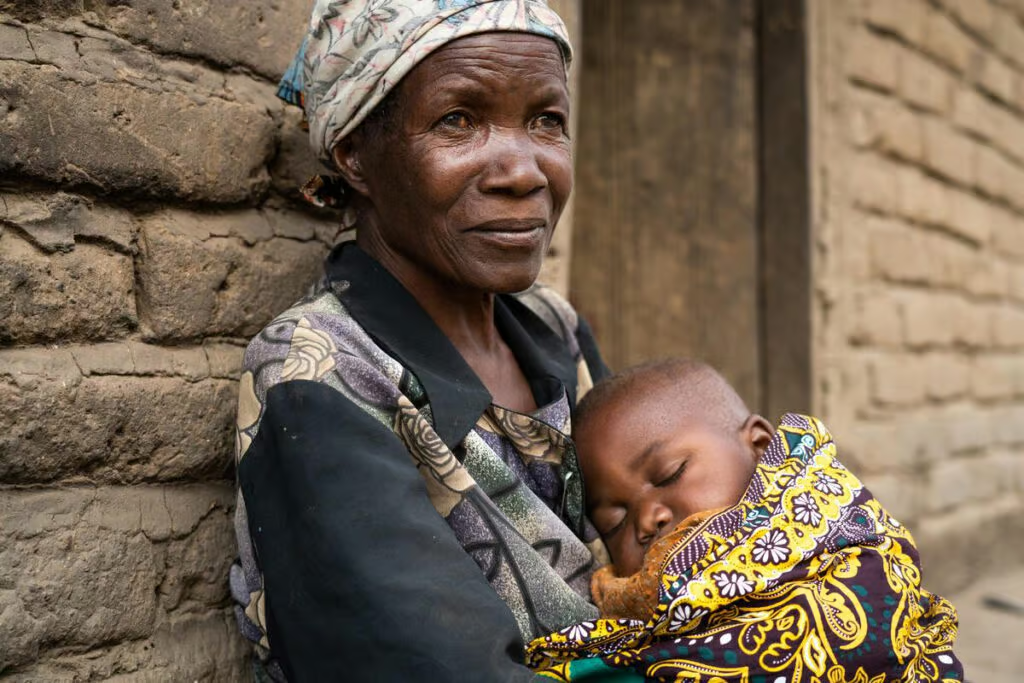
Fish farming, micro-irrigation and flood-control barriers: we’re working with communities in Malawi to make sure they can feed themselves and withstand climate shocks.

“The water level rose up to our elbows. My husband and I were carrying our children in our arms…We were trapped.”
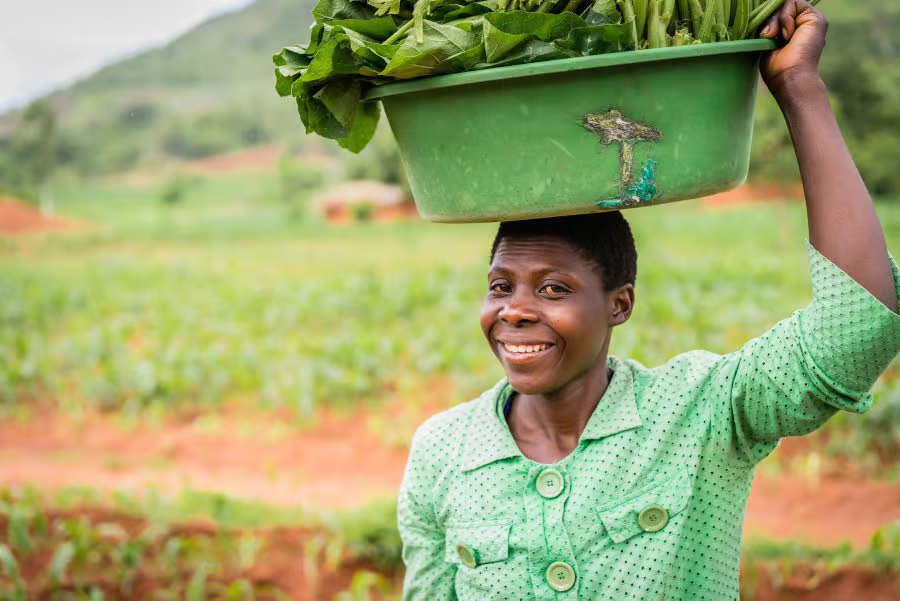
The funds, provided by the U.S. Agency for International Development (USAID) Office of Food for Peace, will support immediate food needs in the worst-affected areas of the country.