The Dry Corridor
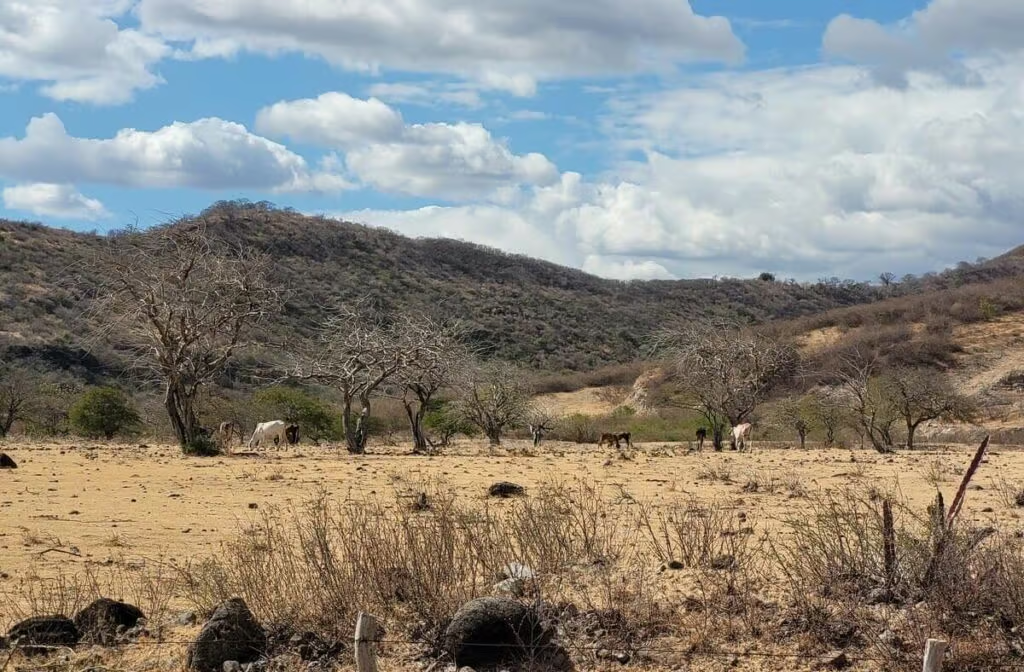
The Dry Corridor is a strip of land across El Salvador, Guatemala, Honduras and Nicaragua that is vulnerable to extreme climate events like long periods of drought, putting livelihoods at risk.

The Dry Corridor is a strip of land across El Salvador, Guatemala, Honduras and Nicaragua that is vulnerable to extreme climate events like long periods of drought, putting livelihoods at risk.

El Salvador has one of the highest murder rates in the world – outside war zones. On top of that, poverty and inequality drive thousands, including unaccompanied children, to flee the country every year.
Deep social inequality, violence and low wages are driving people into hunger in El Salvador. The U.N. World Food Programme is addressing these challenges and helping communities build long-term food security.
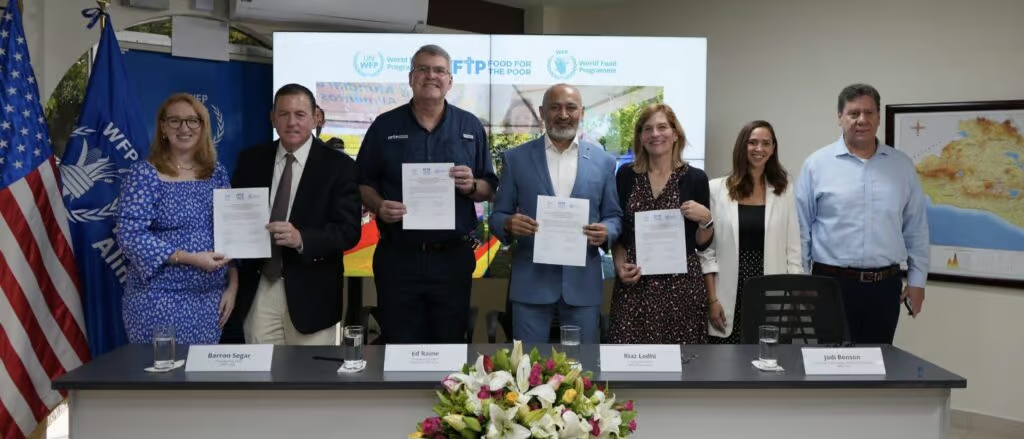
WFP USA and Food For The Poor are pleased to announce a partnership to support WFP’s work in Latin America and the Caribbean.

The climate crisis is causing more frequent and intense weather events. From droughts to hurricanes to floods, these climate extremes are causing hunger and poverty.
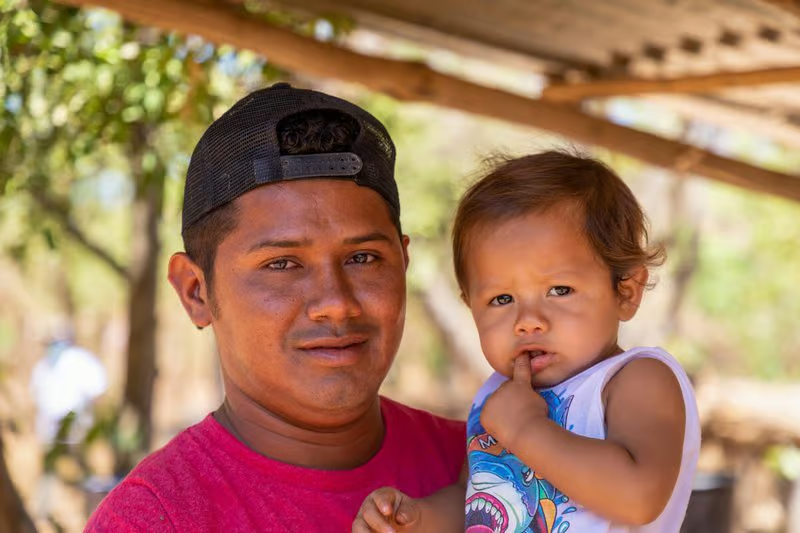
Over the last five years, a new report found that an estimated 378,000 people have made the arduous trek from their homes in Central America across the border into the United States.

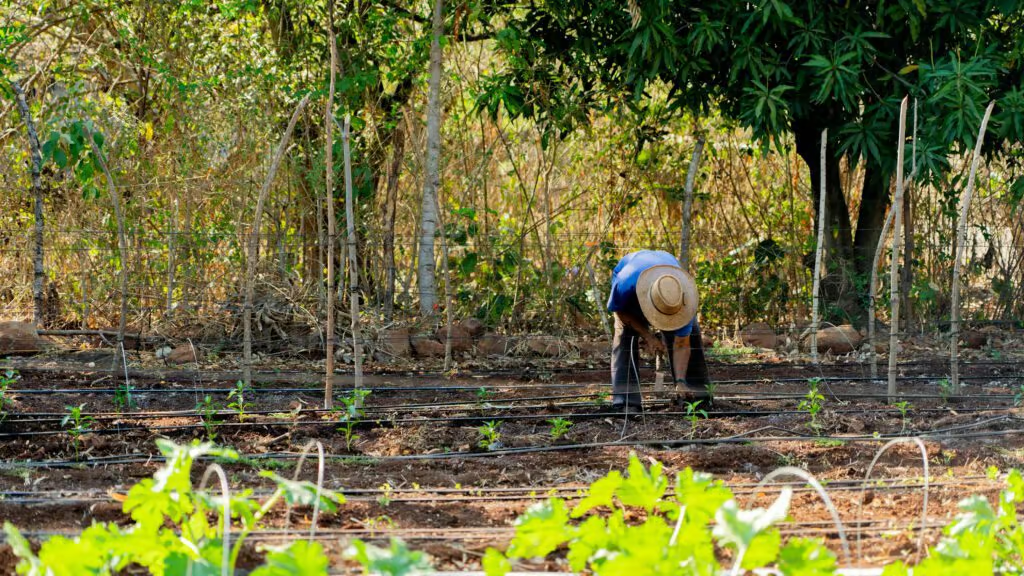
There’s little remarkable about a greenhouse growing chilies, cucumbers and tomatoes until you learn that it’s in the ‘Dry Corridor’—a vast stretch of Central America where drought is pushing more and more people into hunger.
Today, the global spotlight on the Central American migration crisis has left many to question what the root causes are of the migration. We have some answers, and they all boil down to one thing: hunger.

There are no easy solutions to untangle America’s complex border challenges, but there are remedies that can alleviate vulnerable people’s need to migrate. They begin with understanding what truly drives the hunger that prompts so many people to leave their homes.
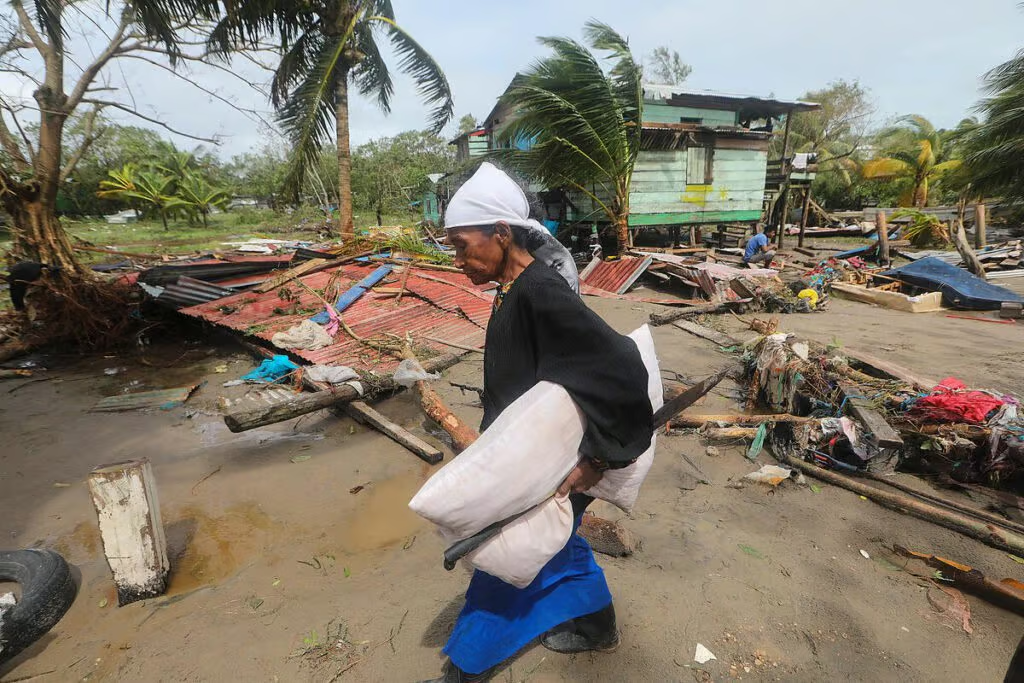
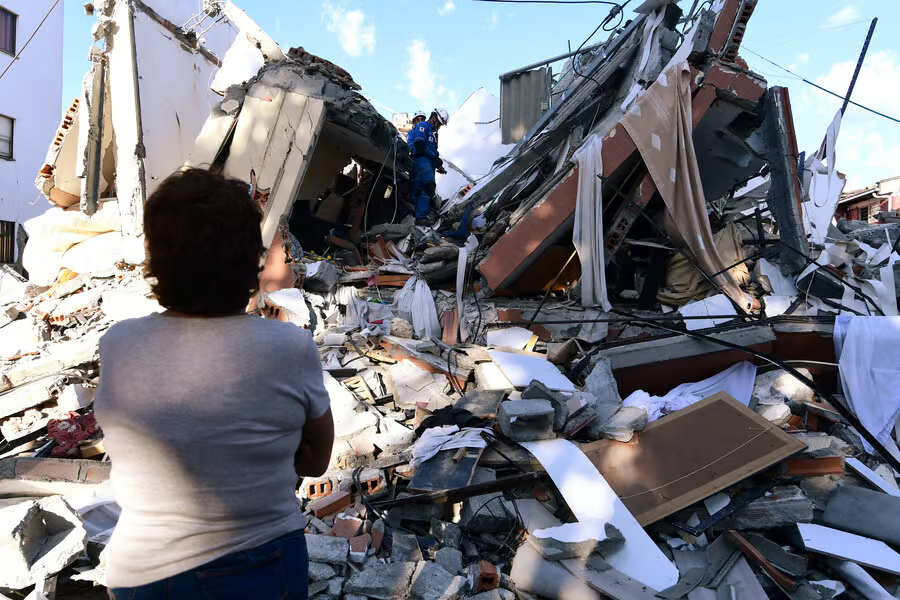
Communities in Central America have hit rock bottom: Many now have nowhere to live and are staying in temporary shelters, surviving on next to nothing.