World Food Programme Forecasts Global Hunger Hotspots as New Decade Dawns
The sheer scale and complexity of the challenges in Africa and other regions will stretch the resources and capacity of WFP and other agencies to the limit.

The sheer scale and complexity of the challenges in Africa and other regions will stretch the resources and capacity of WFP and other agencies to the limit.

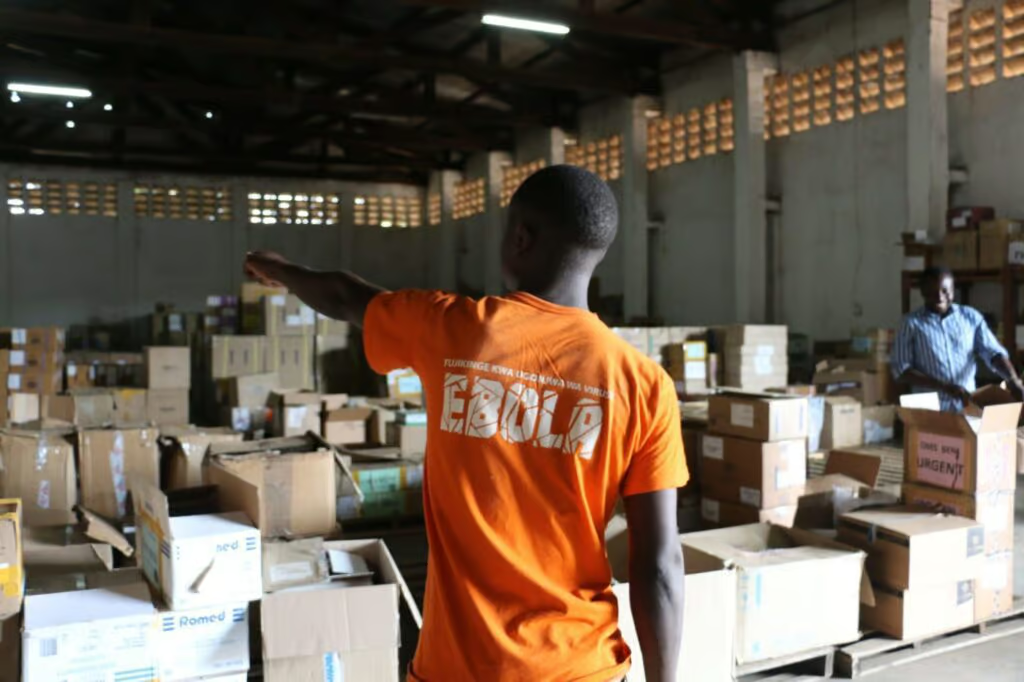
When Ebola spread through Western Africa in 2014, it killed more than 11,000 people. Now it’s back – and the DRC is at its epicenter. For our Hacking Hunger podcast, we spoke to Jacques David, WFP communications officer, about how WFP is helping fight ebola with food.

The Ebola outbreak in the DRC has been declared a public health emergency of international concern. In the last year, there have been more than 2,600 confirmed cases and more than 1,800 deaths.

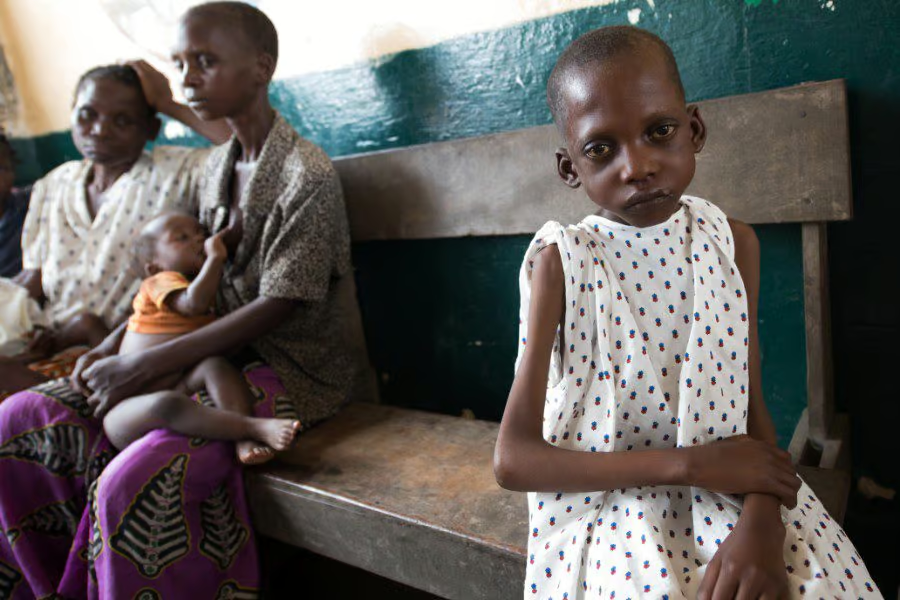
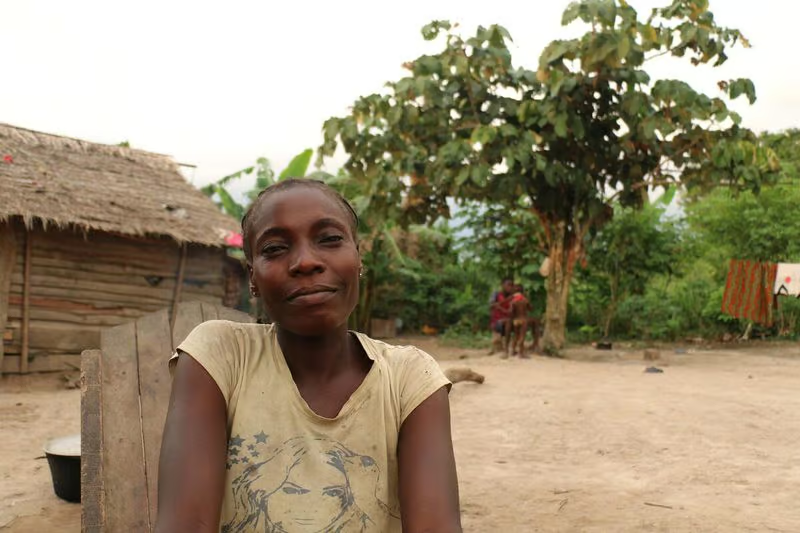
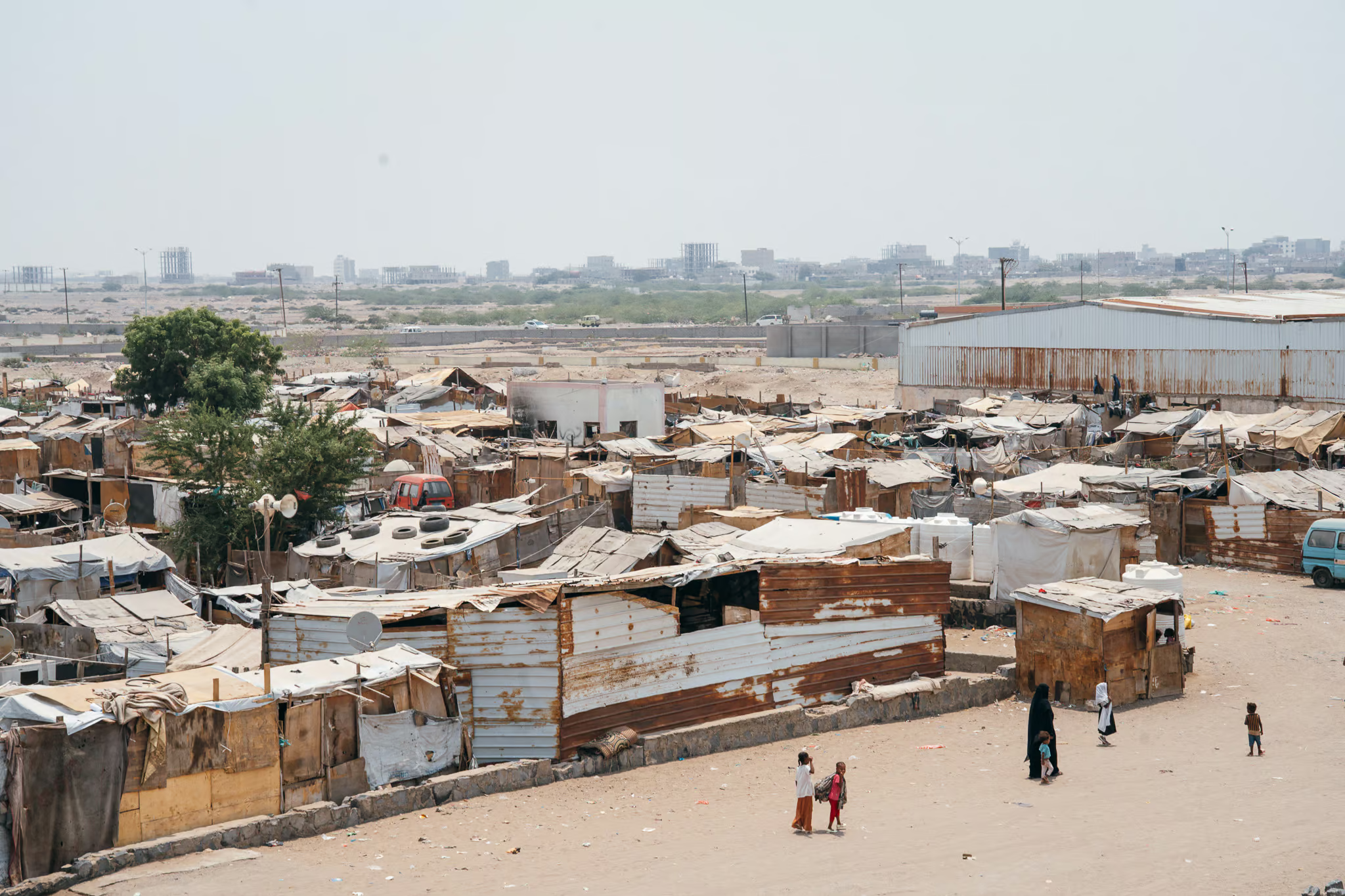
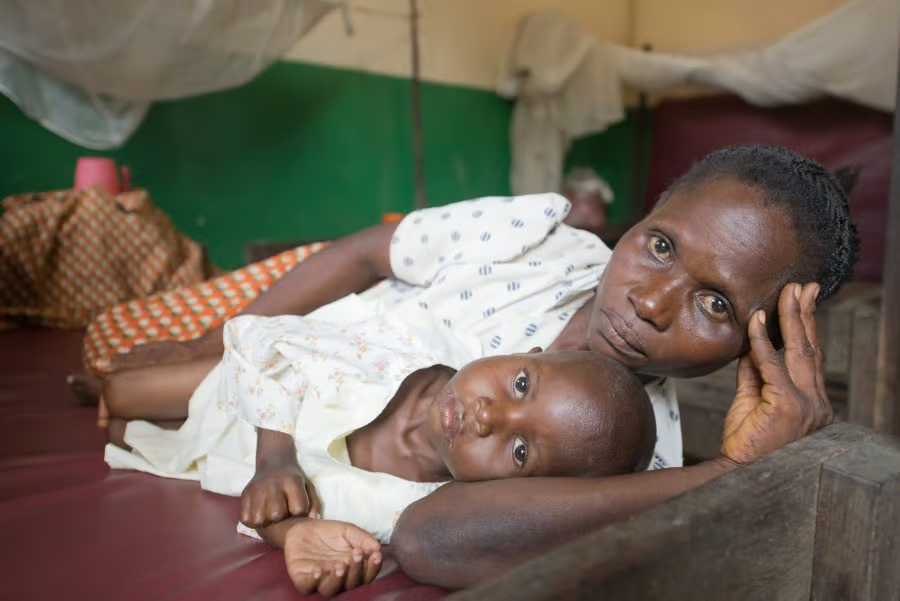
DRC is the world’s second largest hunger crisis after Yemen, with 13 million people food insecure – 5 million of which are children who are acutely malnourished.

Erratic, extreme rainfall is making the Congo hotter and more exposed to dry spells and violent storms

Flooding affects millions of people in Congo. We look back at using advanced analytics for flood response there.

A look at what 2018 meant for the World Food Programme (WFP) and the millions of people it serves.

In a historic unanimous vote, members of the U.N. Security Council recognized for the first time that armed conflict and violence are closely linked to food insecurity and the risk of famine currently threatening the lives of millions of people.

An Ebola outbreak is threatening a country already on the brink of famine as the World Food Programme (WFP) steps up its emergency response to save lives before it’s too late.

Violence in the Democratic Republic of Congo has pushed one in four people into severe hunger—children are especially vulnerable.