
Global Disruptions to Supply Chains Are Driving Tomorrow’s Hunger Crisis
This is a transcript of what was said by Corinne Fleischer at today’s press briefing at the Palais des Nations in Geneva.

This is a transcript of what was said by Corinne Fleischer at today’s press briefing at the Palais des Nations in Geneva.

As Myanmar marks one year since the earthquake last March, WFP warns that communities are now being hit by renewed hardship.

(WFP) is warning today that the total number of people around the world facing acute levels of hunger could reach record numbers in 2026 if the escalation in the Middle East continues to destabilize the world’s economy.
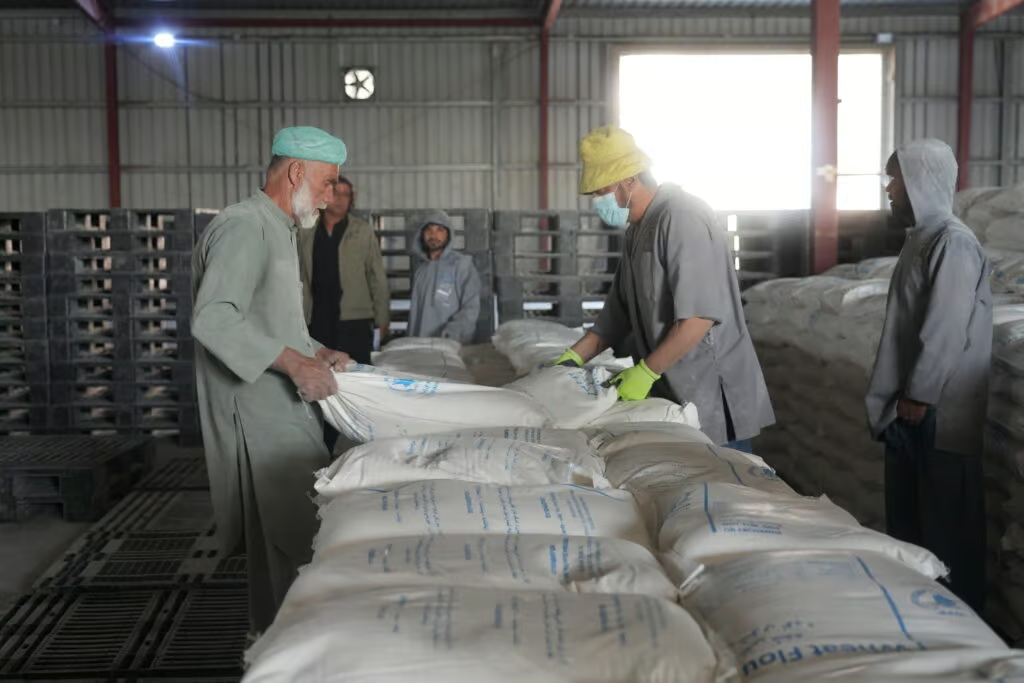
WFP has begun rapidly mobilizing a large-scale emergency response for communities in Afghanistan impacted by the conflict with Pakistan.
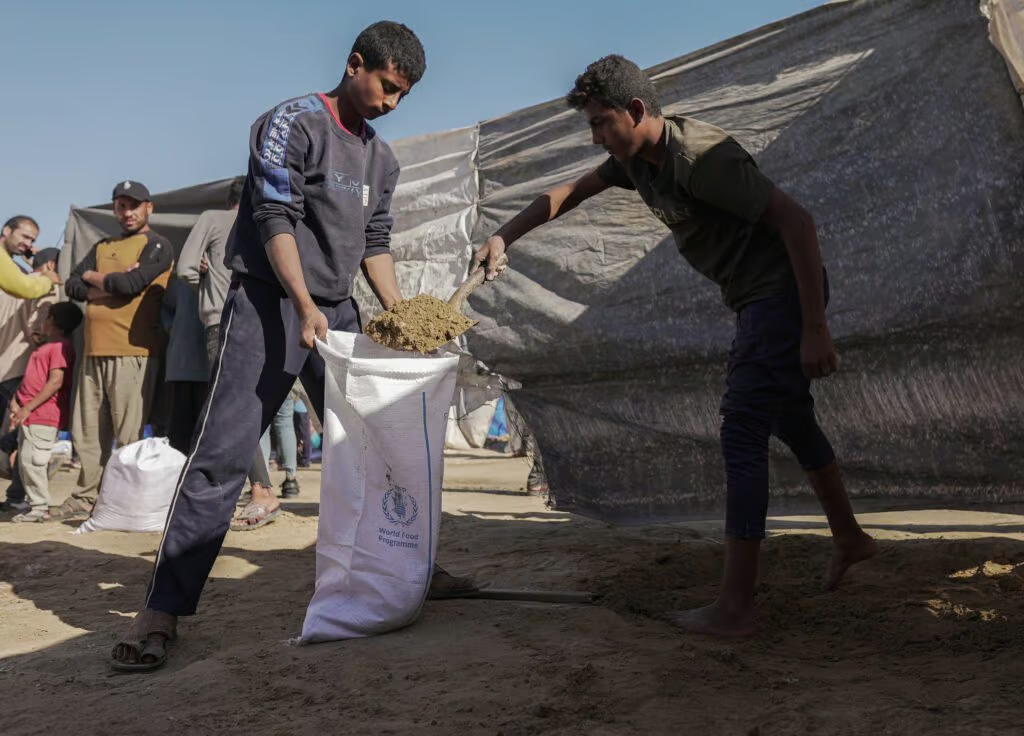
WFP warns more than 17 million Afghans are facing acute food insecurity this winter, as the scale and severity of hunger and malnutrition deepens.
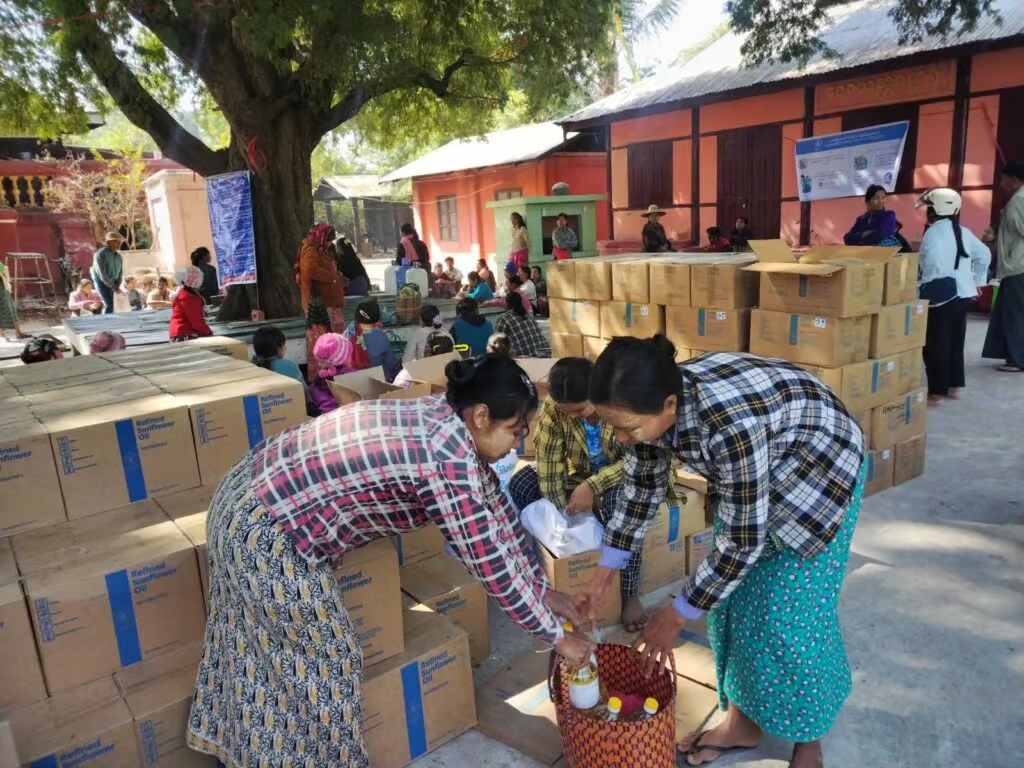
More than 12 million people in Myanmar will face acute hunger in 2026, the World Food Programme warned today.

World Food Program USA provided $3.9 million to sustain WFP’s school meals program in Afghanistan. To learn more about the impact of our grant amidst rising hunger in the country, we spoke with WFP Country Director John Aylieff.
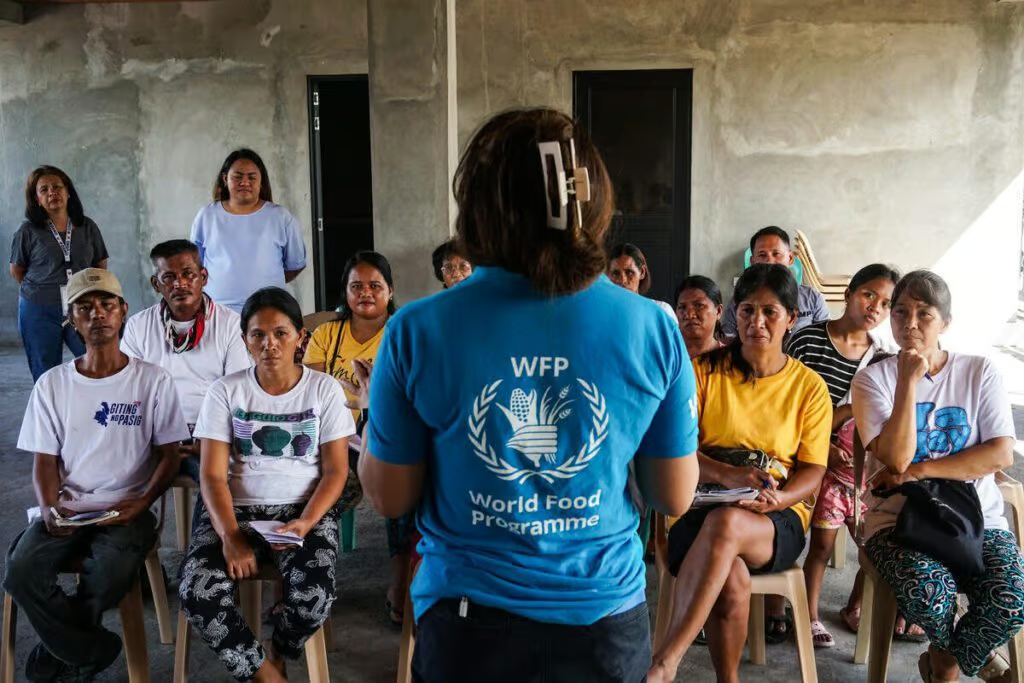
Two typhoons – Typhoon Tino and Super Typhoon Uwan – have impacted more than 8.3 million people in the Philippines, leaving communities reeling from back-to-back disasters.
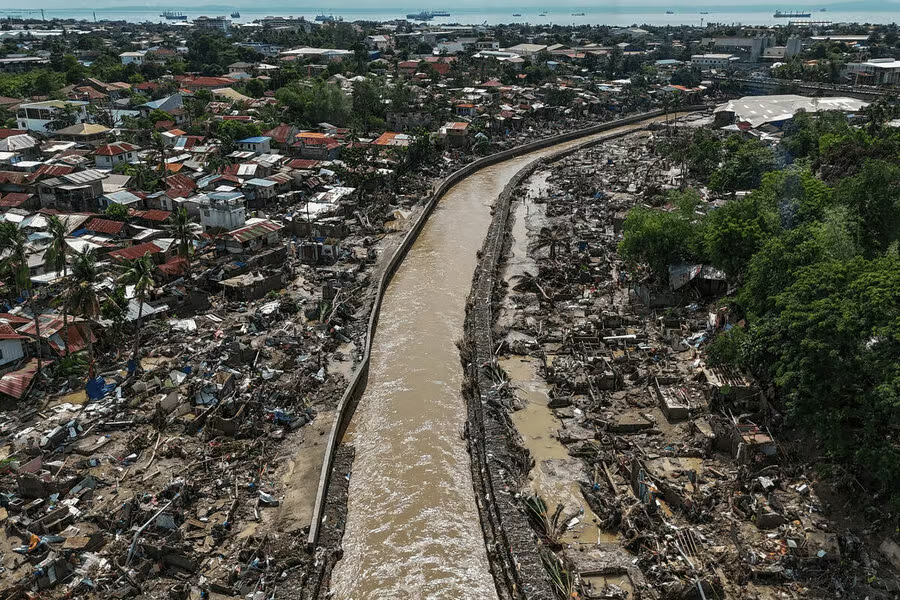
The Philippines is bracing for a tropical cyclone to make landfall, a week after another cyclone struck the country.

New WFP report, ‘A Lifeline at Risk’, finds that 13.7 million WFP food aid recipients could be pushed into emergency levels of hunger.