Nicaragua
Nicaragua is one of the poorest countries in Latin America, with a full 30% of the population living in poverty.

Nicaragua is one of the poorest countries in Latin America, with a full 30% of the population living in poverty.
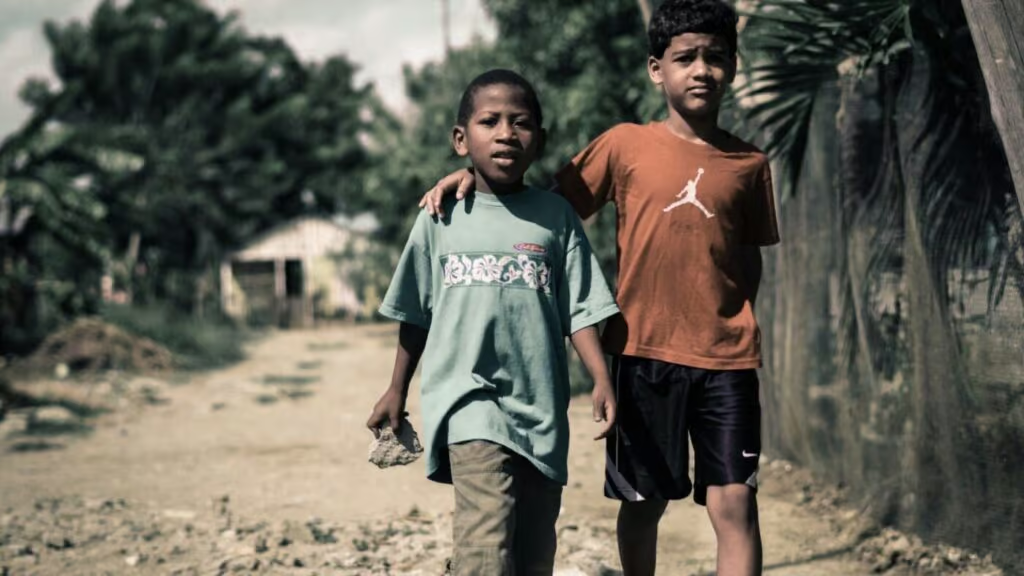
The Dominican Republic has sustained decades of economic growth and stability. But poverty, inequality and climate change are still leaving nearly half of Dominicans hungry, but we’re on the ground working to end it for all.

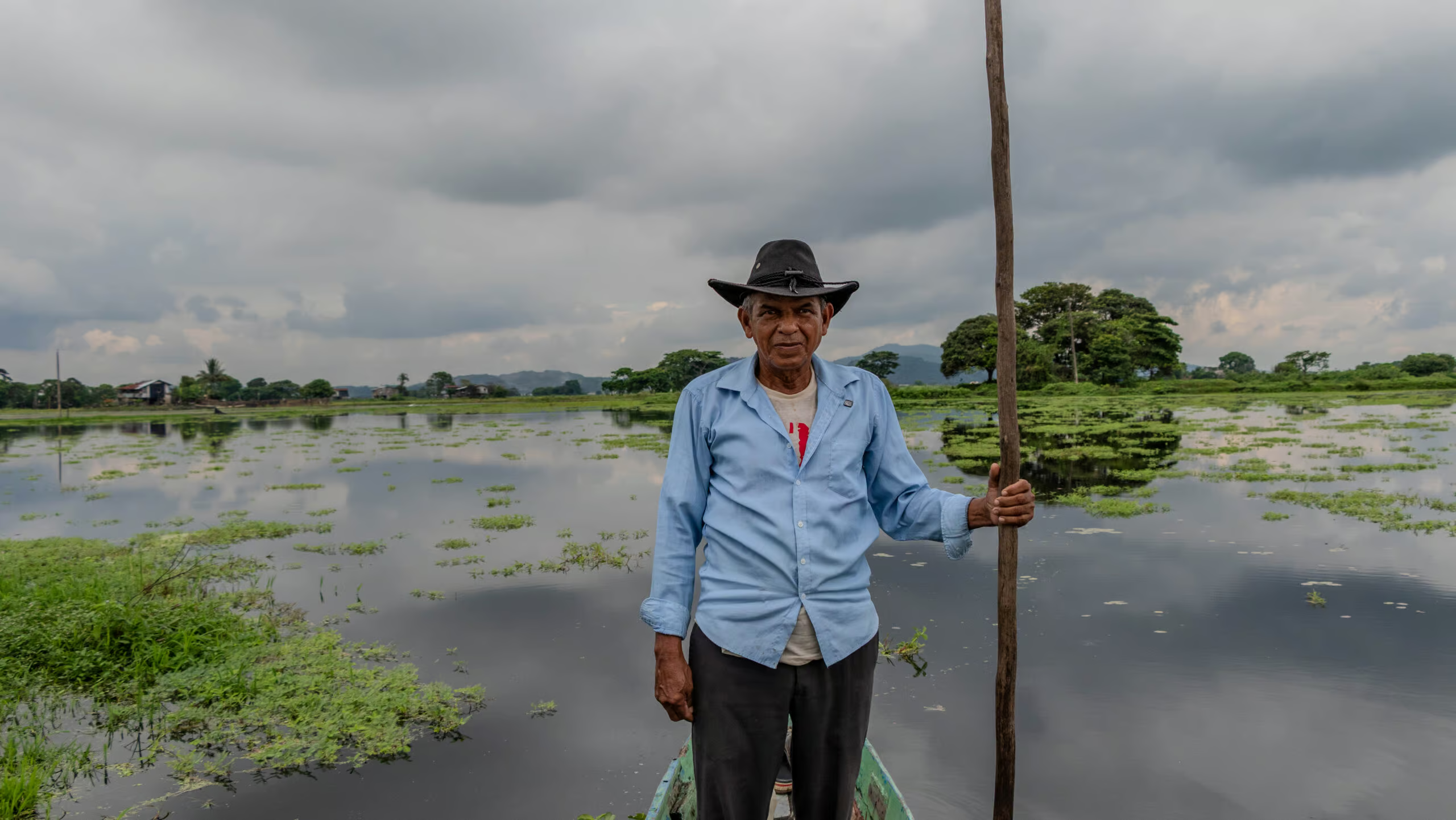
Ecuador is developing – but it’s highly prone to natural disasters, resulting in loss of life, livelihoods and infrastructure. WFP is on the ground, working with the government and communities to boost capacity to take on devastating climate shocks – and more.

El Salvador has one of the highest murder rates in the world – outside war zones. On top of that, poverty and inequality drive thousands, including unaccompanied children, to flee the country every year.
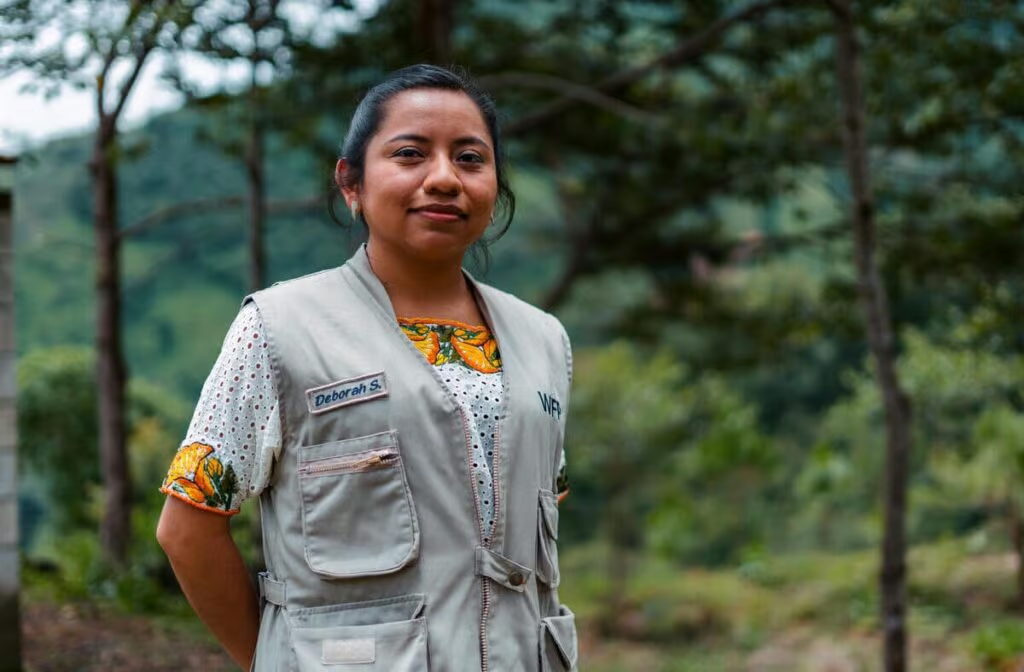
Although rich in natural resources, Guinea faces major socioeconomic challenges. The poverty rate is alarming, and women especially are going hungry. Meanwhile, devastating natural disasters make things worse – but we’re on the ground helping build more sustainable food systems for the people who need them most.
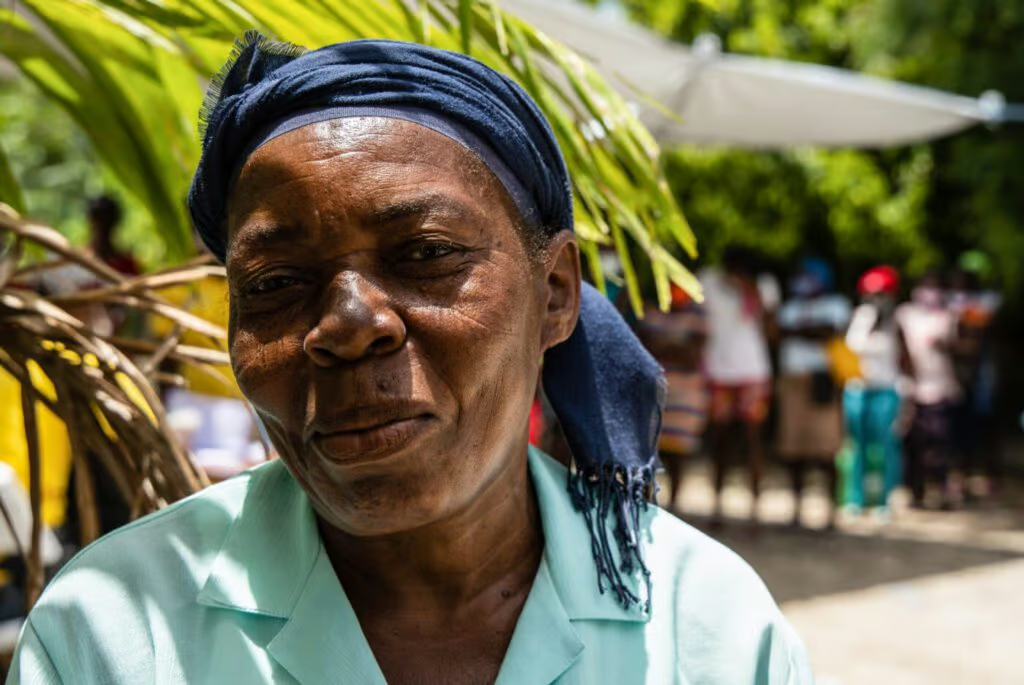
Haiti is the poorest country in the Latin America and Caribbean region, and one of the most food-insecure places in the world. Today, over 4 million Haitians needs urgent food assistance.
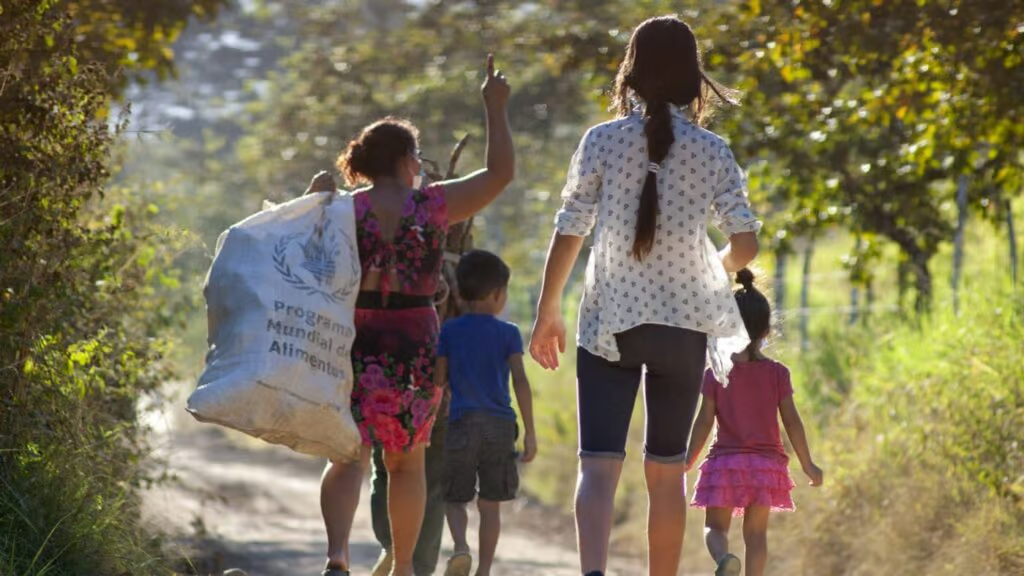
Poverty is the root cause of hunger in Honduras but inequality, violent crime and vulnerability to extreme climatic events exacerbate hunger.

The Colombian conflict left hundreds of thousands of people dead and displaced millions. Ethnic minorities – including indigenous and Afro-Colombian communities – in former conflict zones are paying a heavy price for years of marginalization.
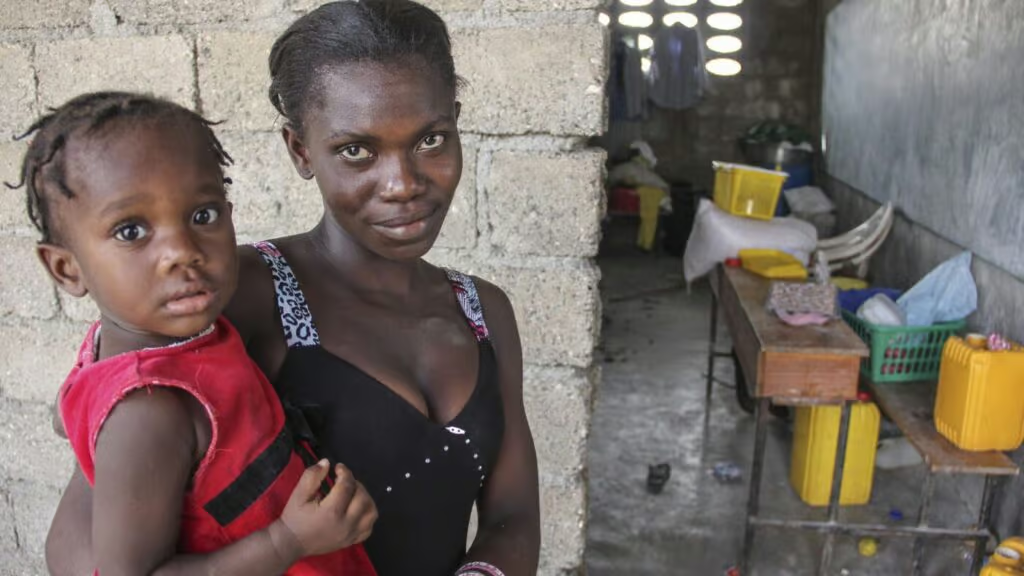
Over the last 50 years, Cuba’s comprehensive social protection programs have largely eradicated poverty and hunger. But diets remain poor in quality and climate shocks threaten the island, damaging the economy and food security.
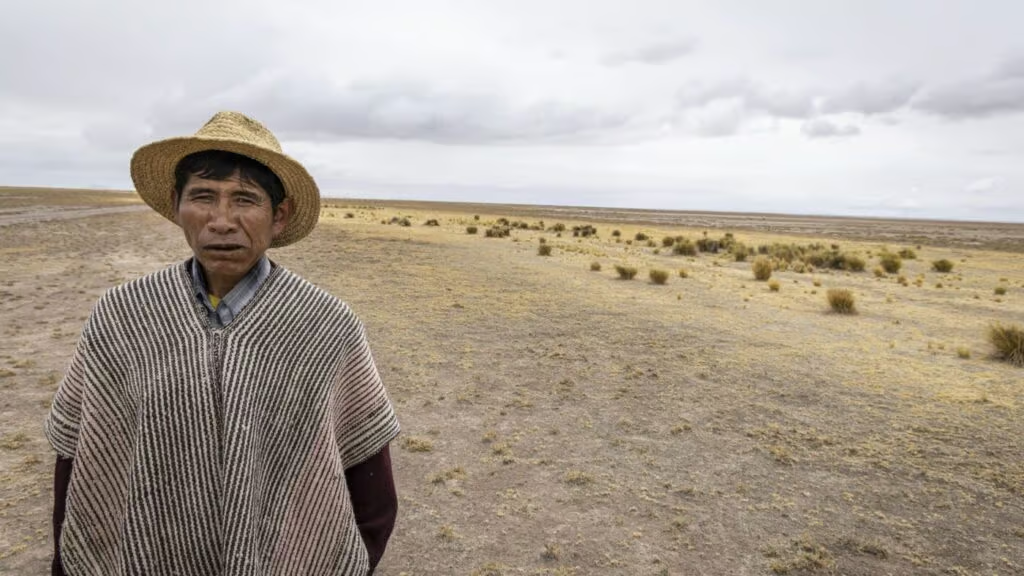
Bolivia has made great strides in improving food security and reducing extreme poverty – but it’s still one of the poorest countries in South America.